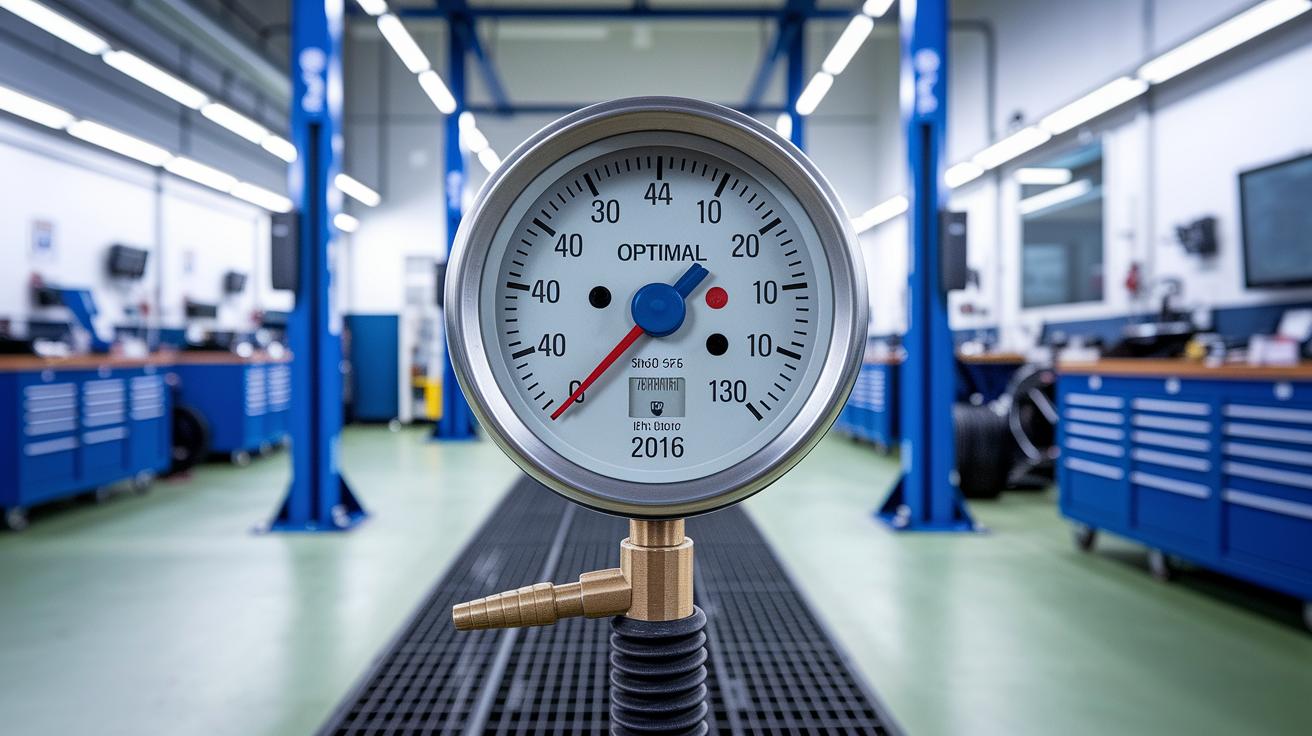


Ever wonder if your tire pressure is just right for a safe, smooth ride? High-performance tires work best when they have the perfect PSI balance (PSI stands for pounds per square inch, which tells you how much air is inside your tire). Too little air can make your tires feel dull, while too much might wear them unevenly.
We’re here to help you fine-tune your tire pressure so you get sharper braking, steadier turns, and a longer tire life. Think of it like checking your fuel gauge before a long drive, simple steps that turn routine pressure checks into a key way to keep your car safe and ready for the road.
Ideal PSI for High-Performance Tires
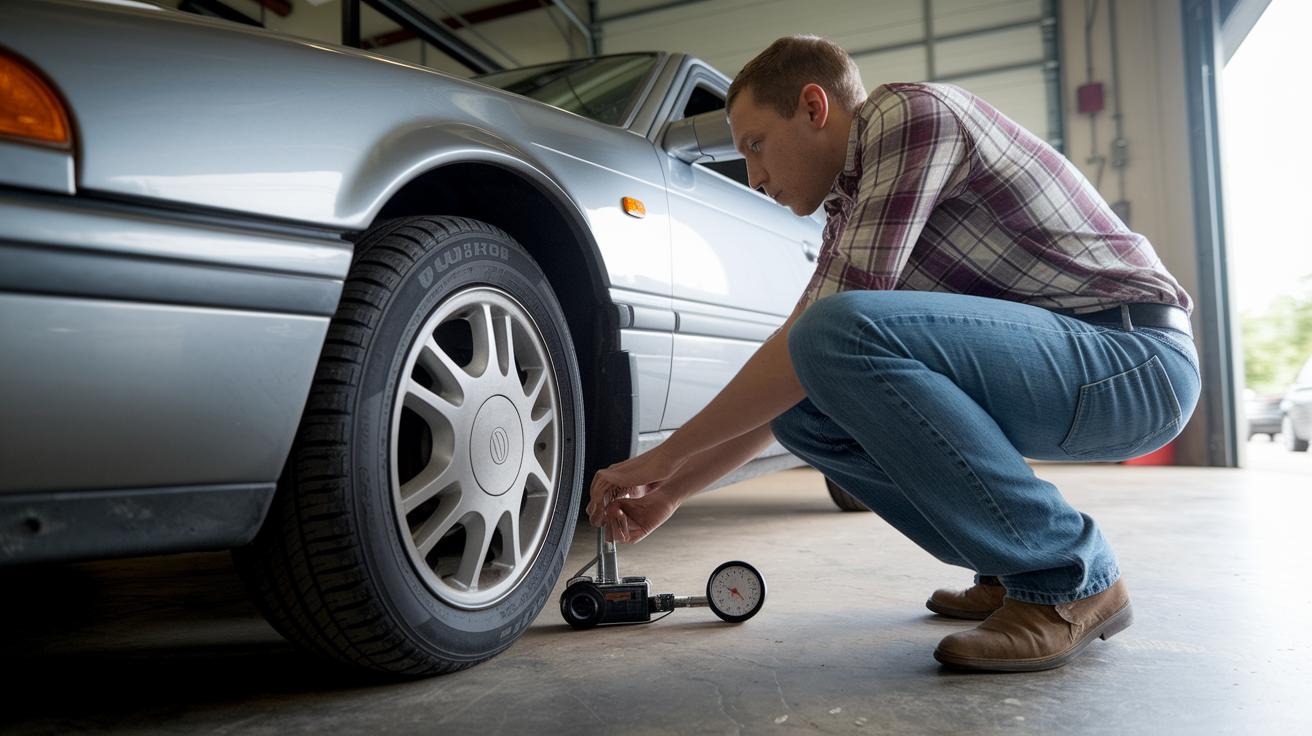
High-performance tires do their best work when they have the right air pressure, or PSI. Many regular cars need about 32 to 35 PSI, and high-performance cars usually lean toward the higher end of that range to keep things tight and steady.
If the pressure is too low, your tires struggle to roll smoothly. This means they use more fuel, wear out quicker, and don't react as fast as you might like. Keeping them at the right pressure helps the tire's tread stay in full contact with the road. That full contact is key for stopping quickly and taking corners safely.
But too much air is no good either. Over-inflated tires often get worn out in the center, which can even lead to a blowout. Following the car maker's guidelines helps drivers keep better control and enjoy the quick response high-performance rides are known for. Regular pressure checks not only make your drive safer but also help your tires last longer.
- Keeping the right PSI sharpens your braking and gives you better road grip.
- The right pressure also helps with smooth and stable cornering.
- Proper inflation cuts down on rolling resistance, which saves fuel.
Pressure Ranges Based on Load and Driving Style
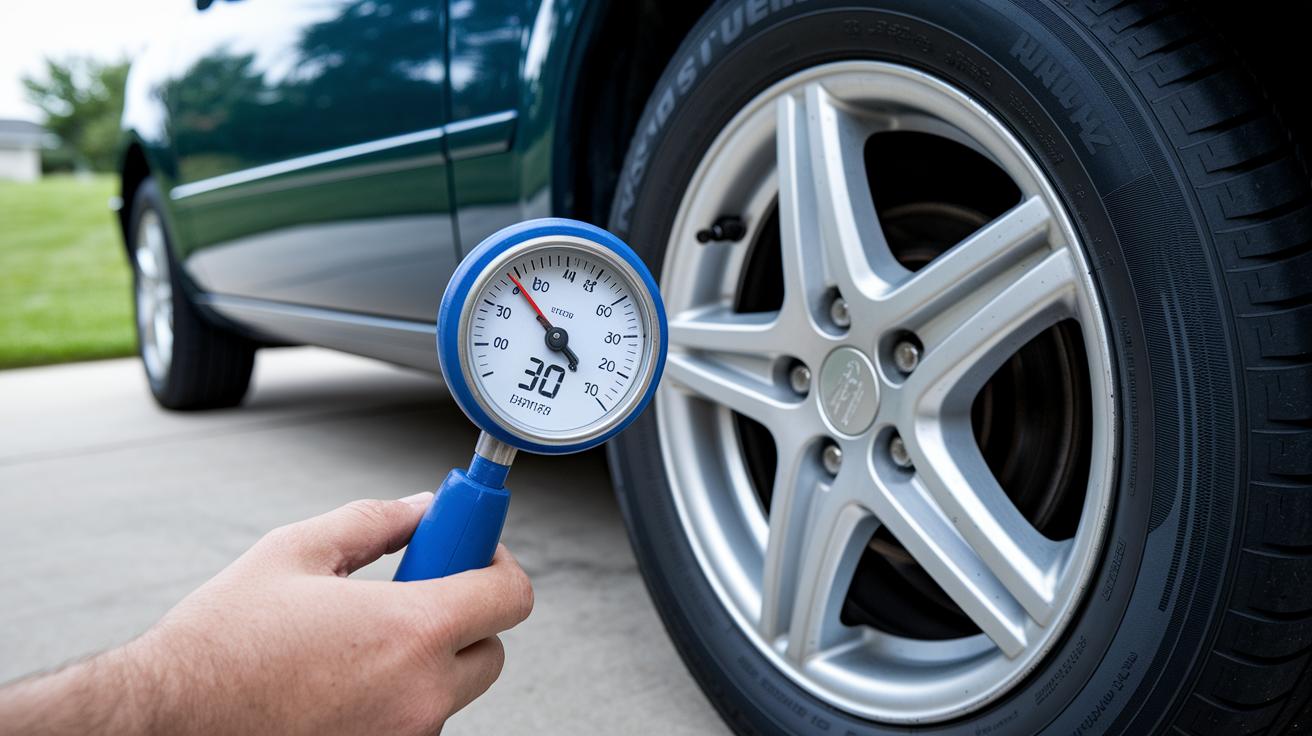
Vehicle weight really affects what tire pressure works best. Each time you add about 50 extra pounds, you generally need to add roughly 1 PSI (pounds per square inch, a measure of pressure) to your base tire setting. Think of it like packing your backpack a little heavier, you need that extra push to keep everything steady. This small increase helps your tire hold its shape and maintain good contact with the road, giving you better grip and control when you’re hauling more weight.
Your driving habits also make a difference. If you like to drive hard or take fast curves, bumping up your pressure by an extra 2 to 3 PSI above the base level can help keep the tire firm. That extra pressure reduces the tire’s side-to-side movement (known as carcass flex, which is just a fancy way of saying the tire isn’t bending too much), ensuring it reacts quickly when you turn or speed up. It’s a bit like tightening a screw just enough so that everything stays snug.
Start by using the PSI recommended by your car’s maker. Then, if you’re carrying extra weight or enjoying a more spirited drive, make small adjustments. For example, if your base is 32 PSI, you might raise it to 33 or 34 PSI when loaded, and add another 2 to 3 PSI for performance driving. This thoughtful approach helps you stay safe on the road while keeping your tires cool and reliable.
Temperature Influence on High-Performance Tire Pressure
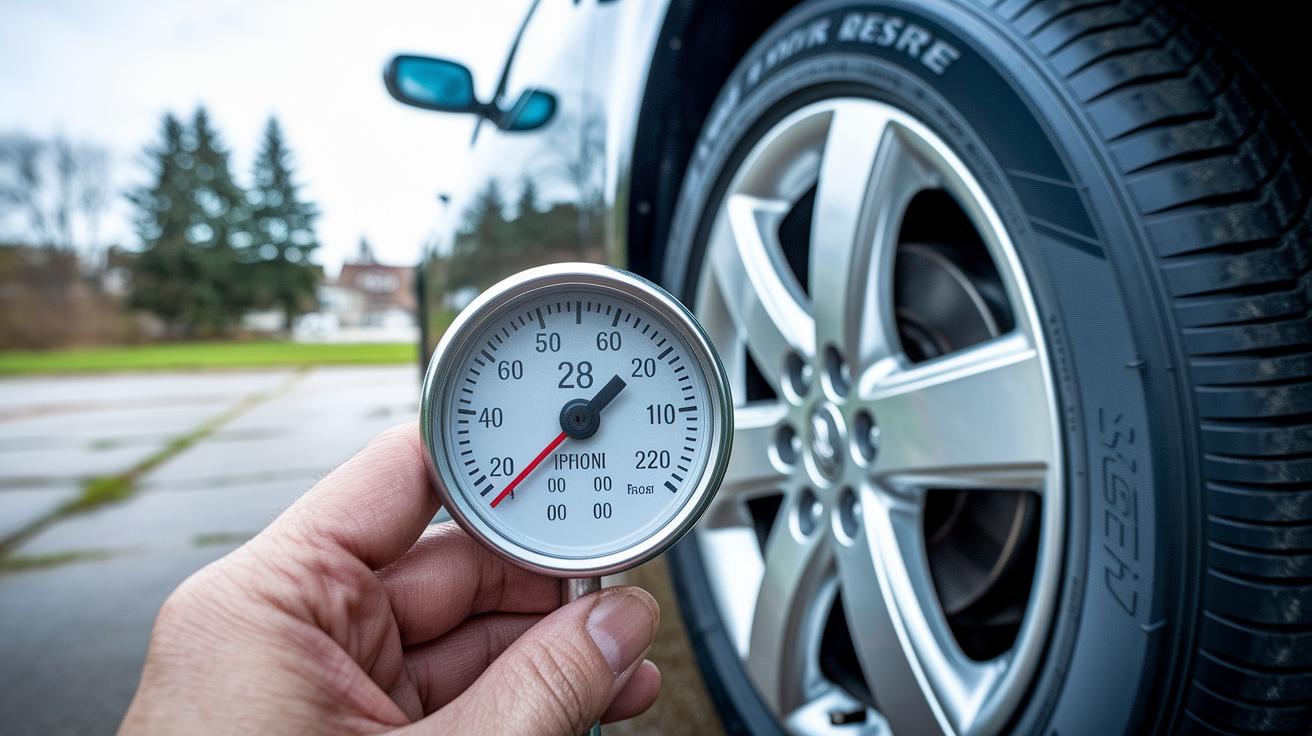
When the weather changes, your tire pressure does too. For every 10°F difference in temperature, expect about a 1–2 PSI change. On a hot summer day, the air in your tires heats up and expands. This can raise the pressure and might even lead to over-inflation. In colder weather, the air shrinks, and your tire pressure drops. Lower pressure means your tires might not grip the road as well as they should, which can affect performance.
It’s a good idea to check your tire pressure regularly. For normal driving, a monthly check works fine. But if you’re using your tires on track days or in really extreme weather, checking them every day can keep you safe and your ride smooth.
| Condition | Pressure Adjustment |
|---|---|
| Hot summer | Pressure may rise by 1–2 PSI; watch for overinflation |
| Cold winter | Pressure may drop by 1–2 PSI; add air gradually if needed |
| Moderate spring/fall | Minimal changes; maintain regular monitoring |
Checking your tire pressure often lets you react quickly to weather changes. This keeps your tires working their best and makes sure your ride feels safe and responsive on the road.
Manufacturer Guidelines and Standard Pressure Charts
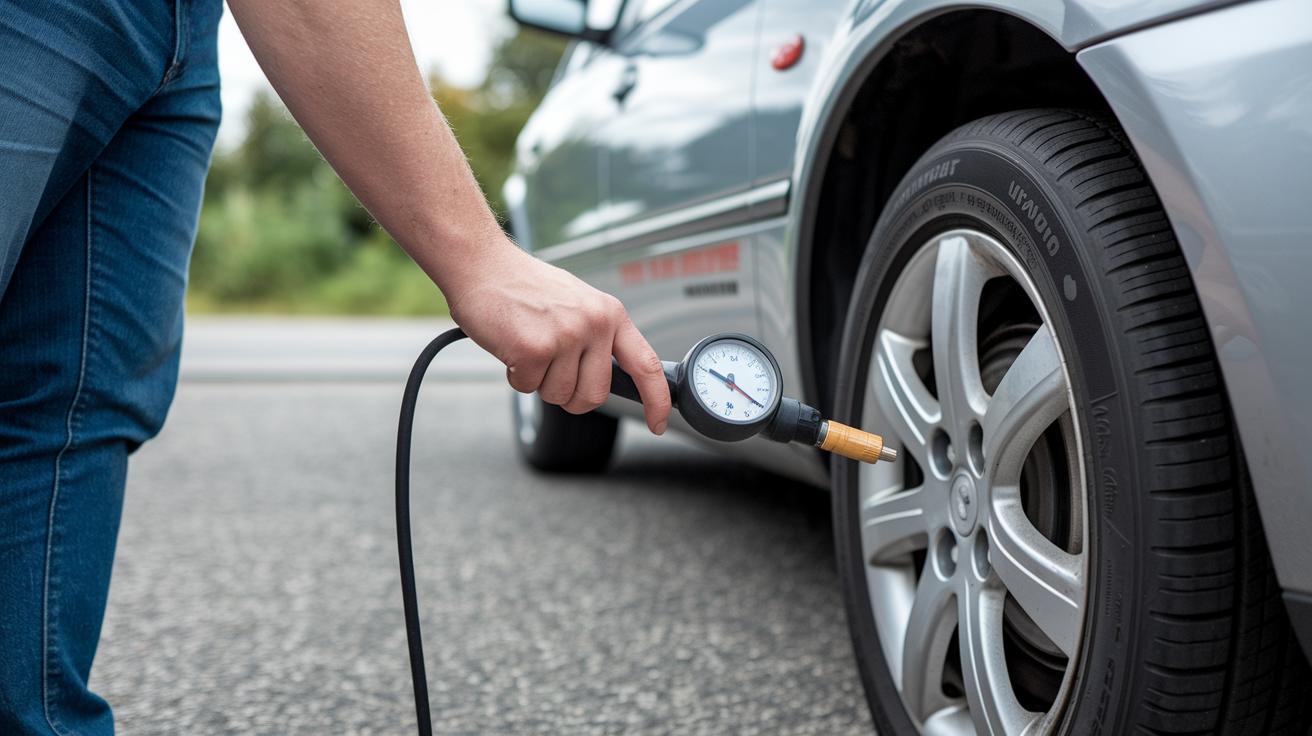
When you're checking your tires, start with what the car maker recommends. You’ll usually find the right PSI on a sticker inside the driver’s door or in the owner’s manual. The number you see on the tire side tells you the highest pressure it can safely hold, but it's the factory number that matters for everyday driving. Using the right number helps your tires grip the road better, making braking and steering smoother, and it also keeps your tire warranty and tread life intact.
- Look inside the driver’s door for a sticker with the recommended PSI.
- Check your owner’s manual for more detailed guidance on tire pressure.
- Remember, the number on the tire’s side is the maximum allowed, not the ideal working pressure.
- Following these tips keeps your tires working their best and helps prevent uneven wear.
Tools and Techniques for Accurate Pressure Calibration

Getting your tire pressure right is key to making your high-performance tires work their best. A good digital gauge gives you a reading that's usually within about one PSI, which means you know if you're adding too much or too little air. It almost feels like a quick check-up for your car, much like making sure your oil is just right.
Start with a digital pressure gauge. This tool gives you a close reading, unlike the old analog ones that might drift over time. It's a bit like checking your tire health on a casual drive.
Next, inflate your tire in short bursts. Instead of blasting it with air all at once, add a little bit at a time while keeping an eye on that gauge. This step helps you avoid overfilling.
Then, use a slow-bleed valve to fine-tune the pressure. This handy tool lets you let out air just a bit if you accidentally add too much, which keeps your tire pressure exactly where you need it.
Finally, for extra peace of mind, compare your gauge readings. You might use another digital device to check the numbers. That way, you can be sure your tires are ready for a smooth ride.
Advanced Monitoring Systems for Performance Tire Pressure

Today’s tire pressure systems are pretty smart. They keep an eye on your PSI (that’s the measure of air pressure in your tires) and let you know if something isn’t just right. It’s like having a friendly co-pilot who gives you quick updates during your drive.
Some of these setups work with your phone too. Imagine getting a message that says, "Pressure low: Add air." It’s simple, clear guidance when you need it most. Whether you’re cruising on a highway or just running errands, you can count on this alert to help keep your ride smooth.
And here’s a cool part: many cars now have onboard inflation systems. When your car is parked, these systems can automatically add air to your tires. They’re connected wirelessly to an app that saves all your tire pressure data, so you can easily track how your tires have been doing over time.
All these smart features work together to make sure your tires are always at the right pressure, giving you a steady grip on the road and a ride that feels safe and reliable.
Best Practices for Track Day and Street Pressure Adjustments
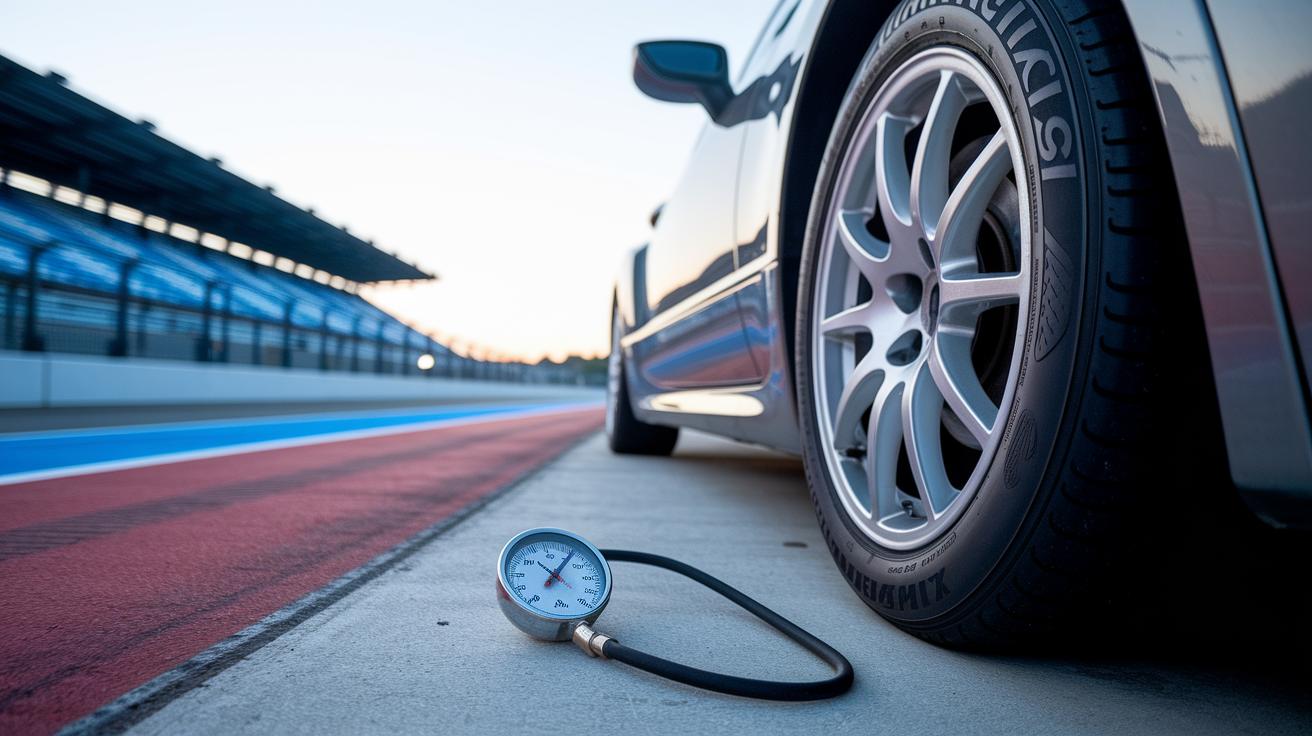
When heading to a track day, boosting your tire pressure by a little bit can really sharpen your car’s handling. If you’re pushing your ride hard on the track, try setting your tires about 2 PSI higher than what you usually use for regular driving. This extra air helps the tire hold its shape during sharp turns and sudden stops. And don’t forget to watch how warm your tires get, stopping for a quick pressure check can help you adjust if things heat up, making sure your tires keep a solid grip. Did you know race drivers often adjust their tire pressure on the fly to stay at peak performance as conditions change?
For everyday driving, it’s best to play it safe. Stick close to the car maker’s recommended pressure settings and add roughly 1 PSI to handle the extra load from daily use. Checking your tires when they’re cold gives you the most honest reading, which means your car will handle city streets better. Then, if you do a little driving, check again since the pressure can change with the temperature.
Whether you’re burning rubber on the track or cruising through town, dialing in the right tire pressure boosts performance and keeps you safer on the road.
- For track days, add 2 PSI above your normal setting and check mid-session for any heat buildup.
- For street driving, use the manufacturer’s settings with an extra 1 PSI, and always check your tires when they’re cold.
Final Words
In the action, we covered everything from ideal PSI for high-performance tires to the role of temperature and load adjustments. We talked through the need for manufacturer guidelines, use of smart monitoring, and even tips for fine-tuning settings on both track day and everyday use. Every tip was aimed at helping you balance safety with performance. Stick with the high performance tire pressure recommendations, and you can trust your tires to deliver control and lasting durability every time you hit the road. Stay safe out there.
FAQ
What are the best high performance tire pressure recommendations, including Michelin guidelines and what PSI should performance tires be?
The best high performance tire pressure recommendations suggest running tires on the higher end of the 32–35 PSI range, with Michelin advising similar values to boost grip and handling during spirited driving.
What is the normal tire pressure for an SUV, and does it change in winter?
The normal tire pressure for SUVs is usually around the manufacturer’s specs, often 32–35 PSI. In winter, a slight increase may be needed to offset colder weather effects on tire pressure.
What does a tire pressure chart provide, and how do Pirelli charts and calculators help?
A tire pressure chart gives you the recommended PSI for your vehicle, while Pirelli charts and calculators let you review proper pressures based on your model and weather conditions for optimal performance.
How do max tire pressure and recommended tire pressure differ?
Max tire pressure is the highest value listed on the tire’s sidewall, but the recommended pressure is set for optimal performance and safety, ensuring even wear and proper handling.
Is 40 or 50 PSI too high for a car tire?
For most passenger cars, readings like 40 or 50 PSI can be excessive. It’s best to stick to the manufacturer’s recommended range to prevent uneven wear and reduce the risk of tire issues.
What is the 5 PSI rule?
The 5 PSI rule means your tire pressure should be within 5 PSI of the ideal setting, giving you a simple target to maintain proper inflation for safety and performance.

