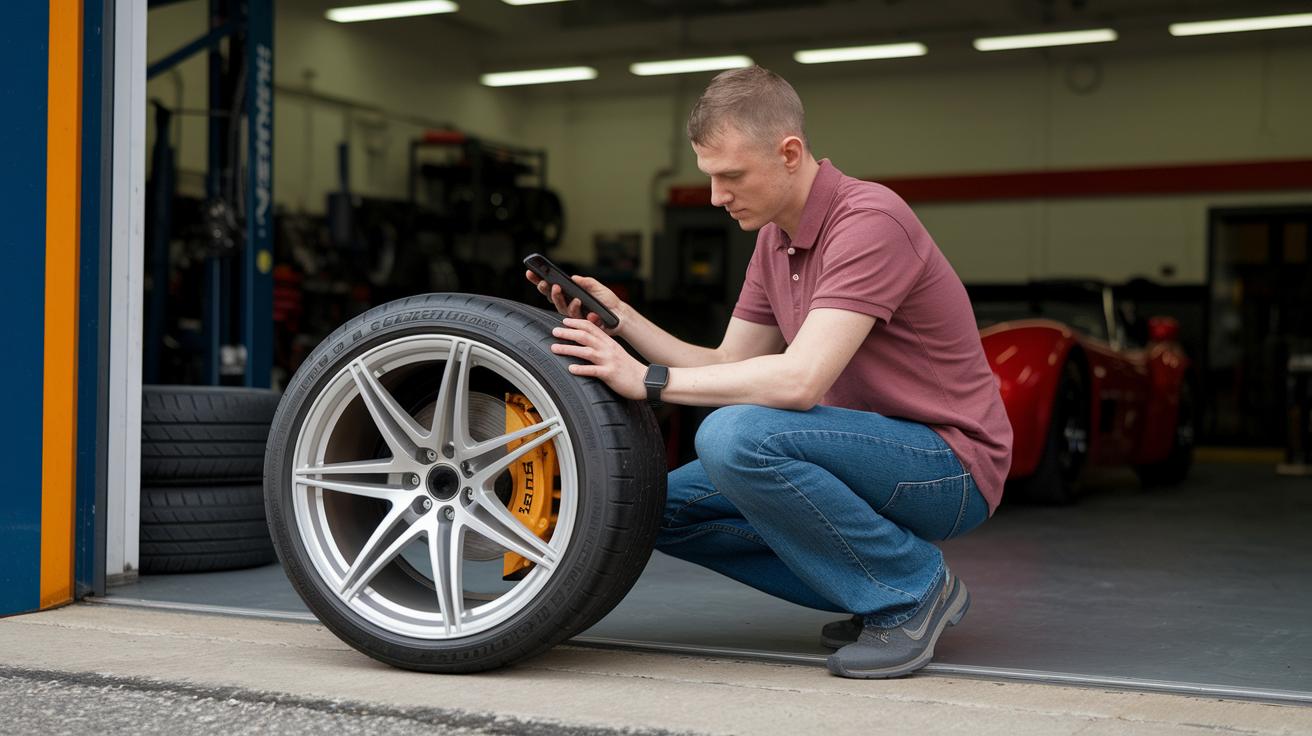


Ever felt a weird shake or a sudden vibration while driving? You might think it's worn-out tires, but it could also mean a small error when the tires were mounted or balanced (making sure each tire spins evenly). Even a tiny mistake during installation can turn your smooth ride into a bumpy one.
This article is here to help you spot and fix common issues with high-performance tires (tires made for speed and control). We’ll walk you through what to check and how to correct it, so you can feel safe and enjoy your drive again. Let’s dive in and get back that smooth, trustworthy feel on the road.
Core Diagnostic Techniques for High Performance Tire Issues
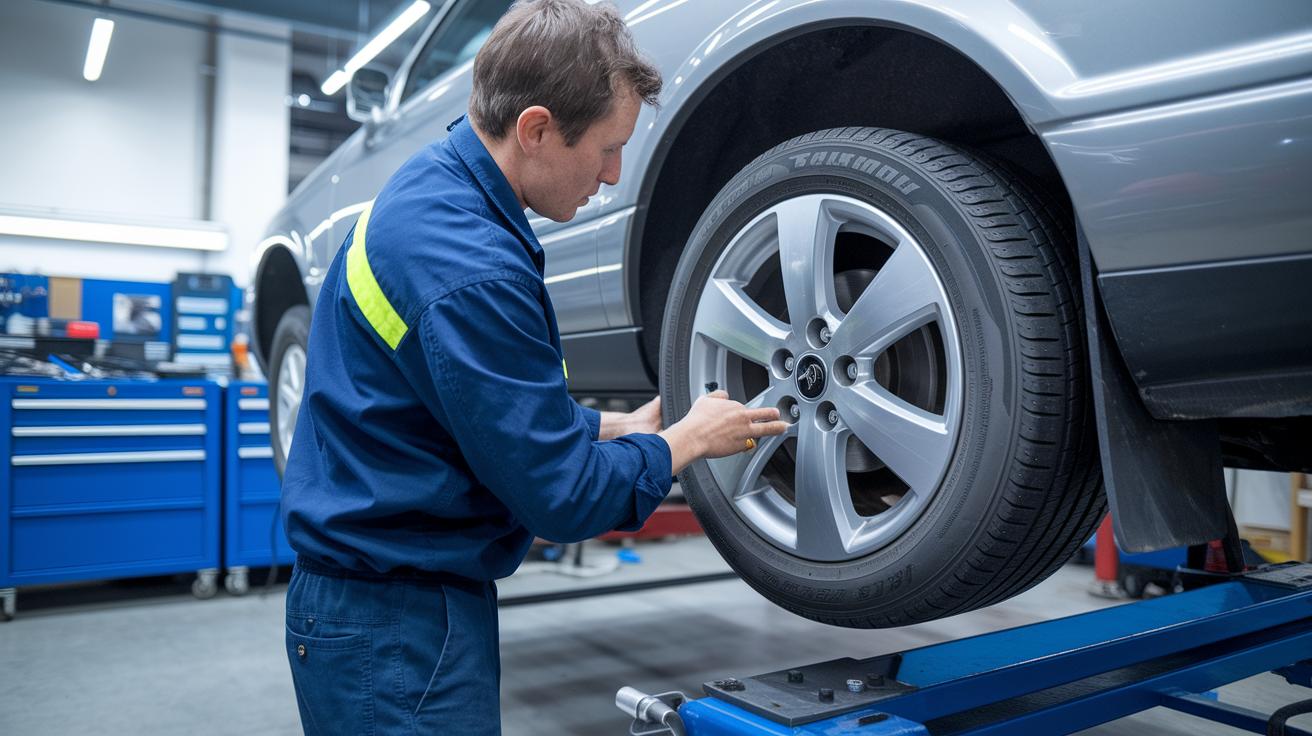
Have you ever noticed your steering wheel shaking, your seat vibrating, or even a brake pedal that seems to pulse? These little hints can mean there’s a problem with how your wheels are mounted or balanced. In fact, around 60% of vibration issues come from mounting mistakes. It might surprise you to learn that even a tiny imbalance before a tire is mounted can make your ride as bumpy as driving on a dirt road, even when the pavement is smooth.
Let’s start with a look at your tire installation. Check if the wheels are centered correctly, any unevenness can point to a mounting error. One key method is back-cone mounting (that means a technician uses a cone-shaped tool on the back side of the wheel to get it centered just right). If that tool gets nicked or the clamps aren’t secured properly, your wheel won’t spin evenly, and you’ll feel those little jitters while driving.
Next, run a few simple tests to be sure. Look for any damaged parts like worn-out balance pieces on the balancer (the machine that helps keep your tires even). A calibrated gauge and a quick check against the manufacturer’s specs can go a long way in pinpointing the problem.
Here’s a quick checklist to guide your inspection:
- Inspect wheel mounting accessories for any damage
- Verify the balance using the proper back-cone method
- Check for signs of misalignment or worn-out components
If you suspect something isn’t right, consider scheduling regular checks with services like Preventative Car Maintenance (https://unionno.com?p=539). This hands-on approach can catch issues early, saving you time and keeping your ride smooth and safe.
Addressing Inflation and Pressure Challenges in High Performance Tires
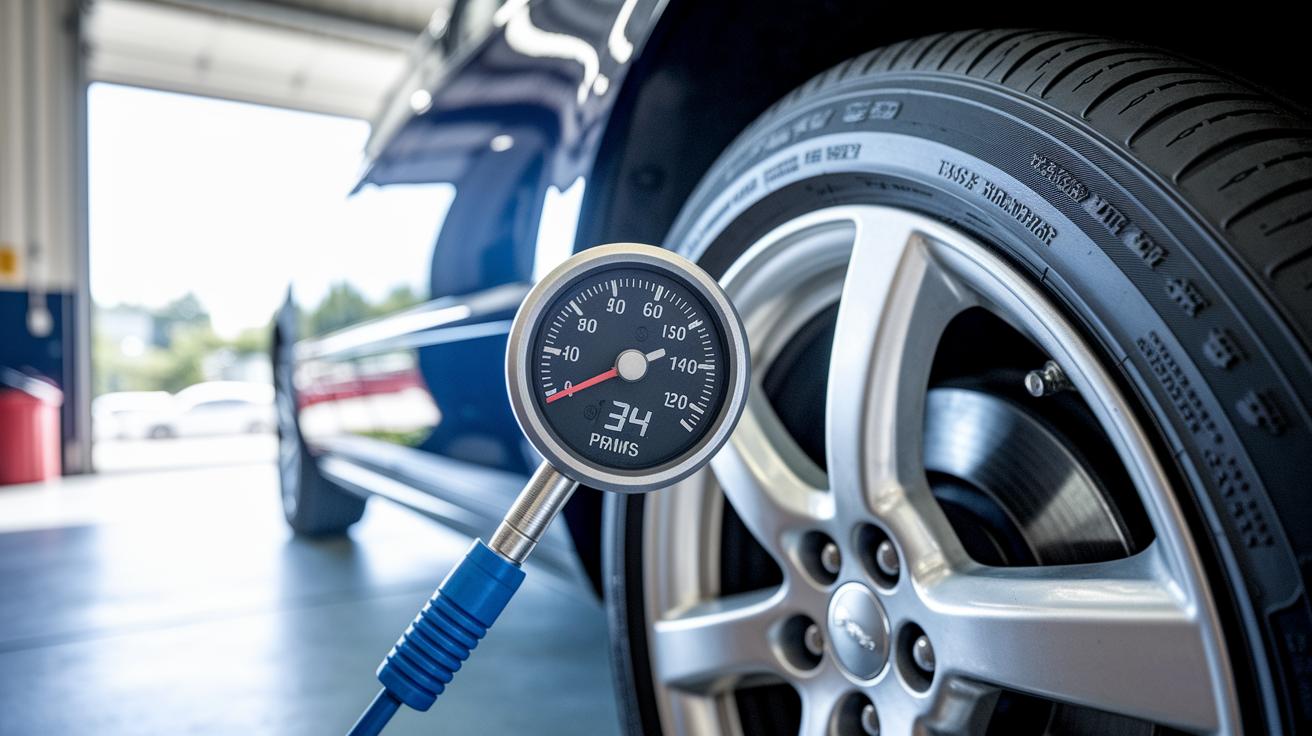
When tire pressure changes, it can really throw off your car's grip on the road. The steady hum of your engine might not matter much if your tires lose their hold because the air inside them isn’t right. Temperature shifts can trick you into thinking your tire has too little or too much air. Think about it: on a hot, sunny day, your tire might show a higher reading, while a cool morning could show a lower one. It’s like checking your fuel gauge on a day when the weather just won’t decide what it wants.
So, when you're checking your tire pressure, it's best to wait until the tires have settled to the current air temperature. Using a well-calibrated gauge is key. Next, remember to give your tire’s parts a little look-over. Take note of a few simple checks:
- Use a dependable, calibrated gauge to get a true reading
- Look at the valve stems for any signs of leaks
- Check the TPMS sensors (tire pressure monitoring system) to spot any hidden issues
Every step on this checklist is important. Overlooking a tiny leak or a misbehaving sensor can lead to wrong readings and shaky handling. Always double-check your numbers and adjust the air until your tires are in the sweet spot. After all, a smooth ride begins with properly inflated tires, helping them perform well and last longer.
Correcting Mounting and Balancing Faults in High Performance Tires
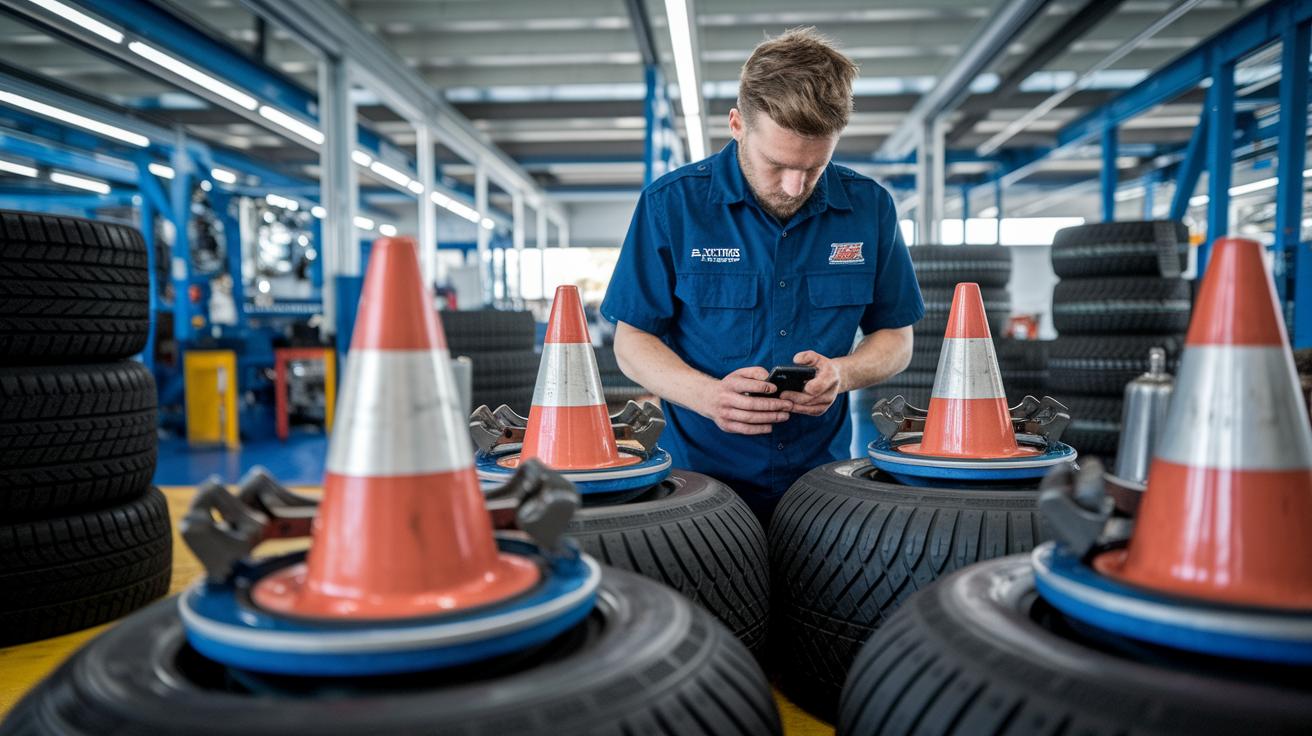
If your high-performance tires start to vibrate, it might be a good idea to check the parts holding them in place. Look closely at your mounting accessories for any signs of damage. Make sure you’re using the proper back-cone setup with cones that aren’t dented and collets that fit snugly. And always check that the clamps are secure. We’re covering these key steps here, much like the ones in our Core Diagnostic Techniques.
Take your time to inspect every mounting component. For example, hold the cone up to the light and look for any dents. Even a small dent can shift the wheel’s center and lead to problems later.
Then, give the tire a spin on a balancer. This test helps you see if there are any uneven spots or mismatched patterns that could be behind the vibrations.
Checklist for mounting and balancing:
- Inspect cones for dents or wear.
- Check the condition of the collets.
- Make sure the clamps are secure.
- Use the proper back-cone method to center the wheel.
- Test the tire on a balancer to spot any uneven patterns.
Detecting and Repairing Tread Wear and Traction Problems in High Performance Tires
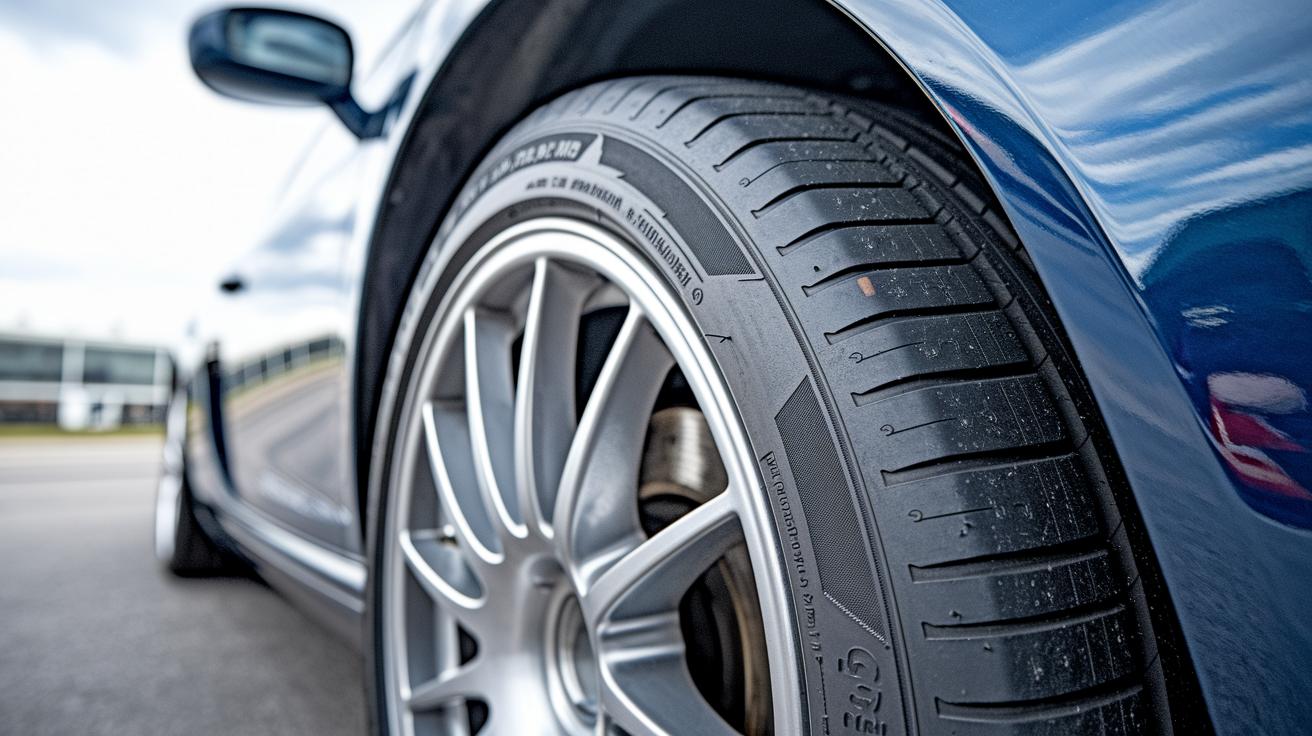
When you check your tires, look out for any odd wear marks. If you notice diagonal feathering (tiny, angled wear on the tread shoulders), it might mean your alignment is off, like a car drifting without a clear path. It’s a bit like catching a small hint from a friend that something bigger might be wrong.
Next, take a good look at the tire’s center rib (the main, middle part of the tire). If it seems worn down, your tire might be overinflated, which makes that spot work too hard, imagine using a paint roller and only pressing down in the middle. On the other hand, if the edges look more worn, that usually shows underinflation. Low air pressure spreads the load unevenly, lowering grip, especially when roads get slick.
Also, check the tread depth (the grooves in your tire). If it falls below 4/32 of an inch, the tire can’t channel water well, which can lead to worse stopping power and handling problems in wet conditions.
Here’s a quick guide to help you out:
| What to Look For | What It Means |
|---|---|
| Diagonal feathering | Alignment issues |
| Worn center rib | Overinflation |
| Excessive wear on edges | Underinflation |
| Tread depth below 4/32″ | Reduced water channeling and wet traction |
So, what can be done? Adjusting your alignment, tire pressure, and rotating your tires can help even out the wear. Keeping a regular check on these details goes a long way in making sure your tires stay in top shape, ensuring a safe and smooth ride even when you’re speeding down the highway.
Inspecting Sidewall Damage and Structural Faults in High Performance Tires
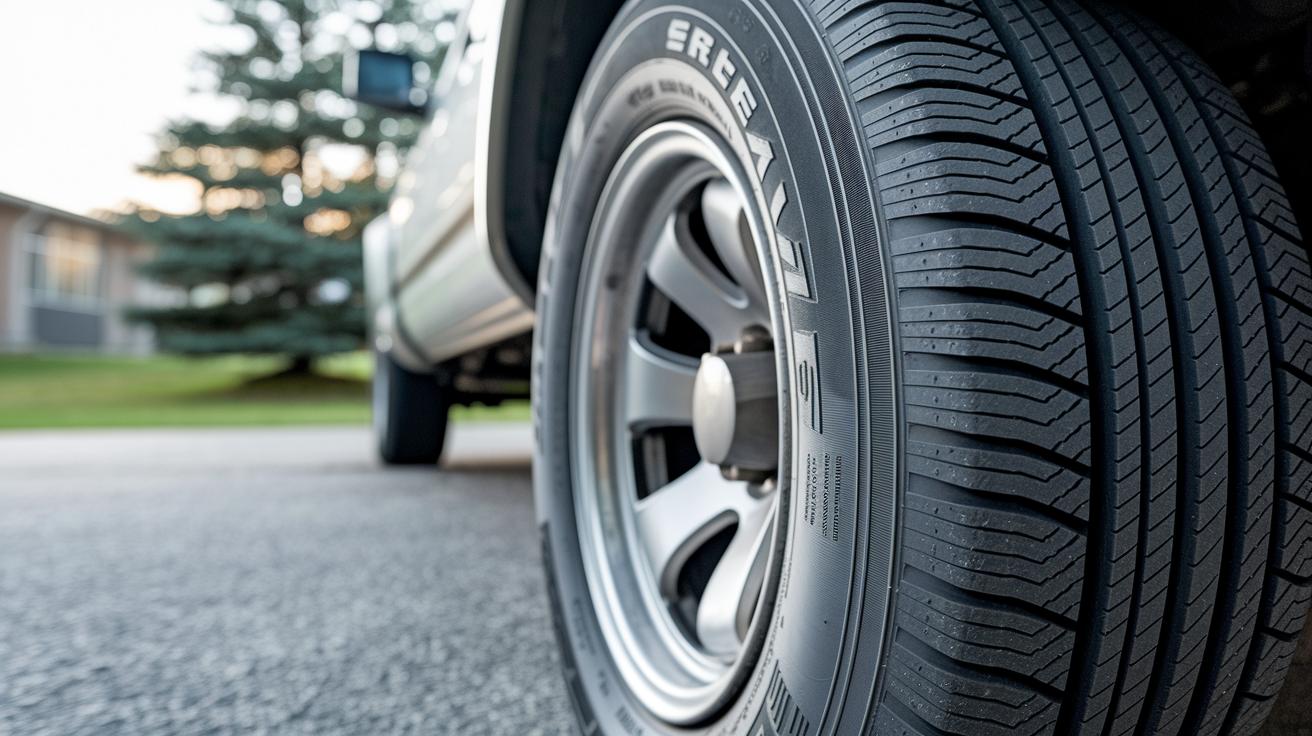
Checking your tire sidewalls is really important to catch hidden damage before it becomes a safety worry. Look carefully for any bulges, cuts, or cracks. These signs might show that the inner belts (the strong layers inside the tire) have been hurt, kind of like noticing a small crack on your phone’s edge and knowing it shouldn’t be ignored.
Give the tire a gentle squeeze and take a good look, especially in spots that might have hit potholes. Sometimes, impacts can leave bruises that hide delamination (when the tire’s layers start to pull apart). It might not look dangerous at first, but it can suddenly weaken the tire when you least expect it.
Here’s a simple checklist to help you inspect:
- Check for any unusual bulges along the sidewall
- Look out for visible cuts or cracks
- Feel around for soft spots or uneven textures
- Note any bruising or impact marks
If you spot any of these warning signs that seem too severe, it’s a good idea to think about replacing the tire. Catching these issues early can help you avoid expensive problems later, especially on those high-speed drives.
Fixing Alignment and Handling Irregularities in High Performance Tires
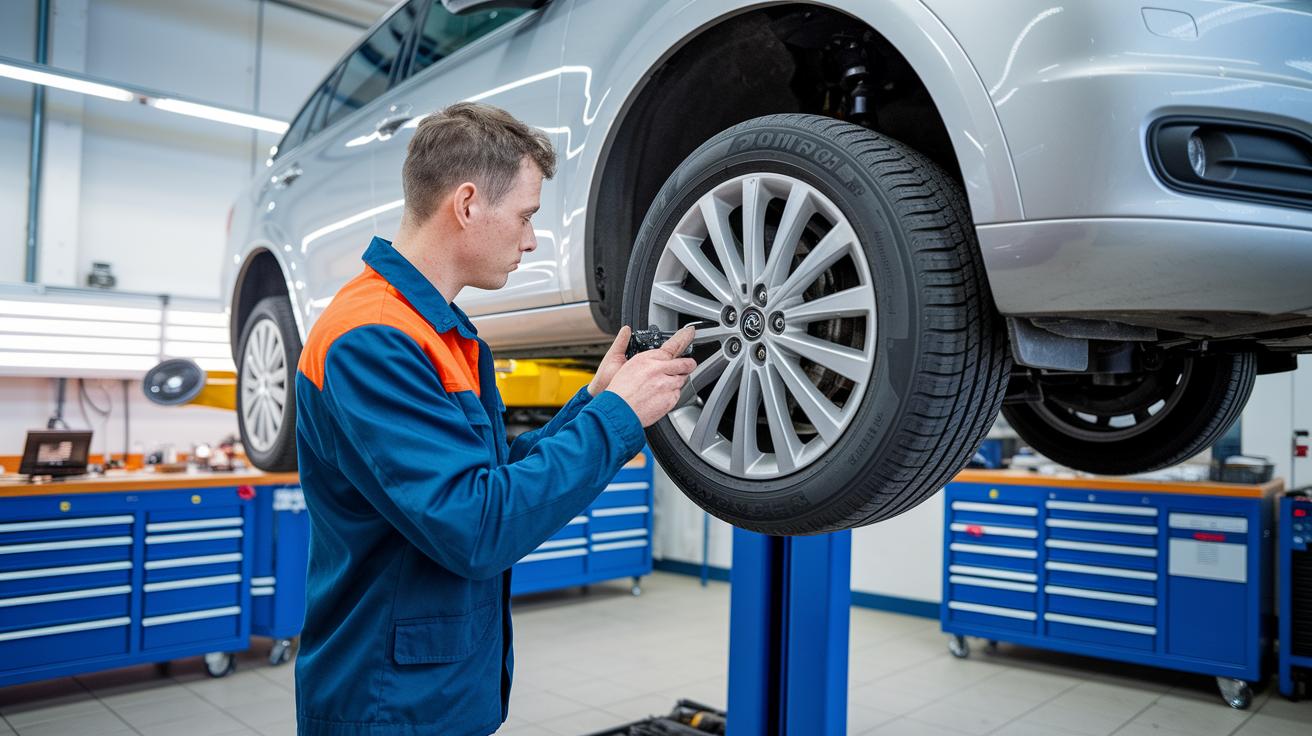
When your tires aren't lined up right, your car might start pulling to one side and wear down unevenly along the tire's edge. If you feel the steering get a little tug or notice your car drifting at higher speeds, it could be a sign of a camber error (camber refers to the tilt of your tire when viewed from the front, which affects grip). A set of correctly aligned tires helps keep your car balanced and steady on the road. Technicians use an alignment rack, a special tool that adjusts toe (how much your tires point in or out), camber, and caster, to bring your car back to factory settings and improve its handling.
Sometimes a small misalignment can sneak by without you really noticing until it starts to change how your car feels to drive. Fun fact: A well-aligned car not only feels smoother, but it can also cut back on tire wear, much like a musician who stays in tune with a steady beat. Taking a moment to check this can save you from future headaches and costly repairs.
Here’s a quick checklist to help you with alignment:
- Check your tire’s toe settings against the manufacturer’s guidelines.
- Look at the camber angles to spot any differences.
- Use an alignment rack to get the caster (the tilt of your steering axis, which helps with stability) just right.
- Adjust any suspension parts that might be causing your car to pull.
Staying on top of these little details means your tires can perform at their best. With proper alignment, your car handles better, the steering feels lighter, and your tires wear evenly, making every drive smoother and more predictable.
Managing Heat and Compound Defects in High Performance Tires
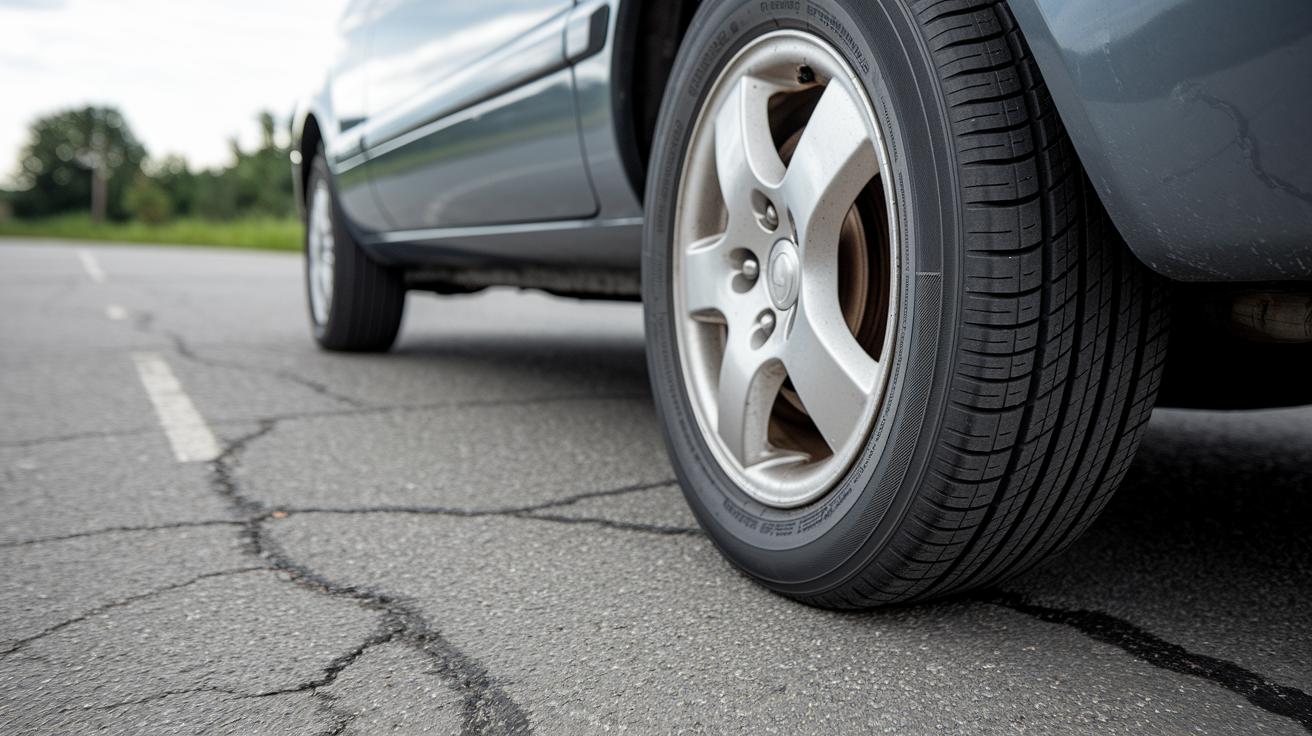
When you drive fast or push your ride to its limits, your tires heat up quickly. This extra warmth can start to break down the rubber (the flexible material that makes up the tire). Imagine your tire working hard on a long trip and then showing little signs of wear, like mini cracks or places where the internal belts begin to come apart.
Let your tires cool off between heavy driving sessions, just like you would give your engine a break after a long day. Taking a little time to cool down helps the tire’s rubber get back to its normal, firm state so it doesn’t become too soft and lose its shape. It also helps if you pick tires made with special compounds built for hot conditions; these types hold up better when the road demands a lot.
If you notice your tire feeling extra soft or spotting small cracks, it’s a sign to slow down and let it rest. For more details on materials that resist heat, you might want to have a look at this resource: Tire Technology.
Final Words
In the action, we've covered how to spot and fix problems in your tires. We broke down core diagnostics, pressure adjustments, mounting and balancing fixes, tread wear checks, sidewall issues, and alignment tweaks. Each step offers clear, everyday advice for keeping your ride smooth and safe. This guide is designed for anyone aiming at troubleshooting common issues with high performance tires. Keep your tires checked and your ride solid, so you can enjoy every drive with confidence and peace of mind.
FAQ
What tire problems and causes should I look out for?
Tire problems and causes include signs like uneven wear, vibration, and bald spots. These clues help you quickly notice when a tire might need attention for safe driving.
What can tire problem pictures show me?
Tire problem pictures reveal examples of cracked treads, bulging sidewalls, and other defects. They guide you in comparing your tires with typical damage images.
What are the signs of a bad tire while driving?
A bad tire shows signs such as vibration, pulling, or sudden loss of grip during driving. These symptoms can point to issues like improper mounting or internal damage.
What types of tire defects should I watch for?
Tire defects include uneven tread wear, punctures, sidewall damage, and manufacturing flaws. Spotting these early means you can address them before they affect safety.
What does a tire manufacturing defects PDF show me?
A tire manufacturing defects PDF outlines common production issues like improper molding or curing problems. It provides detailed examples to help spot patterns in defective tires.
Why are bald tires dangerous?
Bald tires have little tread left, reducing grip on wet roads. This increases the risk of sliding and loss of control, making timely replacement crucial for safety.
What are the common types of tire sidewall damage like bulges?
Tire sidewall damage includes cuts, cracks, and bulges. A tire bulge often signals internal damage that may lead to a failure, indicating the tire should be replaced immediately.
What is the 3% rule for tires?
The 3% rule for tires means that a slight deviation of around three percent in wear or balance can be acceptable. Still, it’s best to follow the manufacturer’s guidelines for safety.
What are the cons of performance tires?
Performance tires can wear out faster and offer a firmer ride. They may also be less forgiving on rough roads, leading to more frequent maintenance checks.
What happens if you repair a high performance speed rated tire?
Repairing a high performance, speed-rated tire can compromise its intended balance and load capacity. It might reduce high-speed handling, so replacement is often recommended.
What is the 4 psi rule on tires?
The 4 psi rule means keeping your tire pressure within four psi of the recommended level helps maintain grip and even wear, accounting for temperature shifts during use.

