


Ever wondered if the way you drive might be cutting your tire life short? Quick starts, hard stops, and fast turns add extra friction and heat to your tires, which can make them wear out sooner than expected.
In this post, we’ll chat about how each twist and turn behind the wheel affects your tire treads (the grooves on your tire that help with grip) and overall performance. When you get how your driving style impacts tire wear, you can make smarter choices to keep your ride smooth and save money in the long run.
How Driving Style Directly Influences High Performance Tire Wear
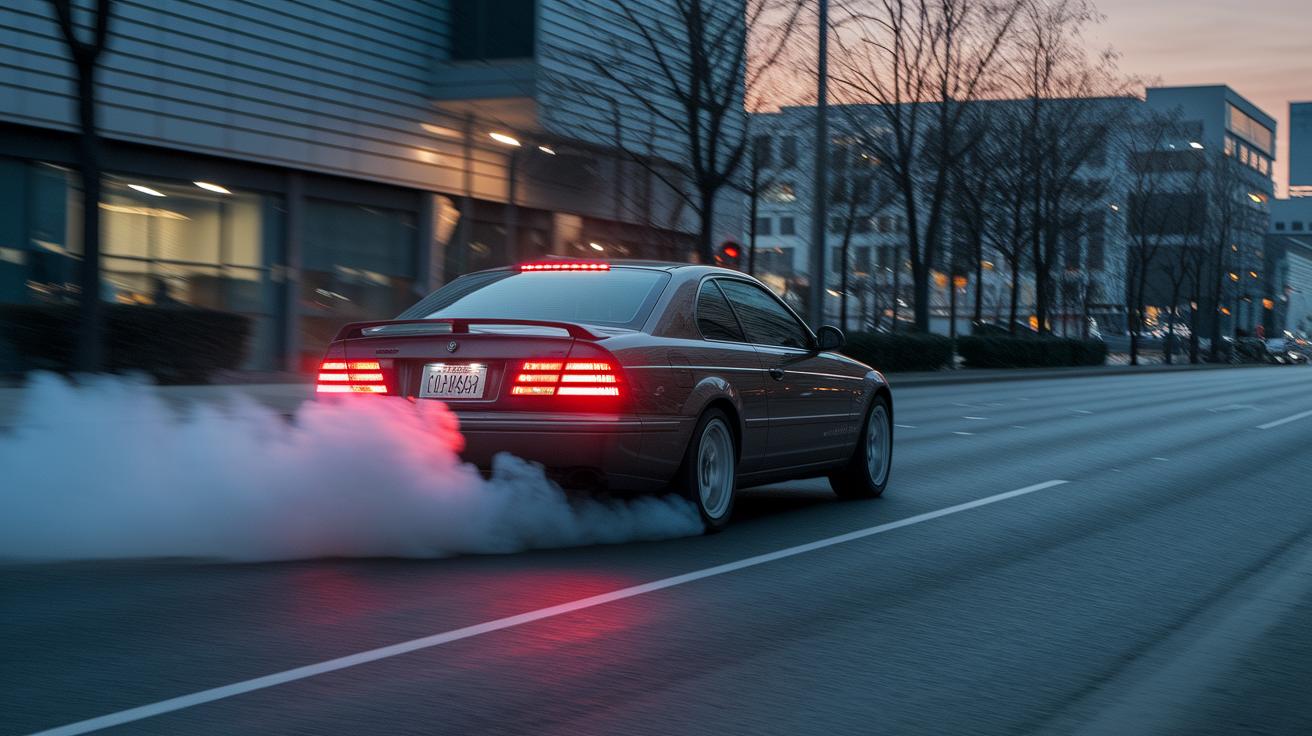
How you drive really affects how fast your tire treads wear out. Quick starts and hard stops build up extra friction and heat, which is hard on the tire rubber (the special mix that helps them grip the road). This extra stress means your tires don’t hold their grip as well on everyday roads.
Every driver’s habits create different wear patterns on their tires. When you speed up quickly, slam on the brakes, or take a turn too fast, your tires face extra pressure that can cut their life short. Smooth starts and gentle stops keep friction low, helping the wear stay even and predictable.
- Aggressive acceleration – spinning your tires too fast creates extra friction with the road, which wears away the tread and can even raise your fuel bills.
- Hard braking – forceful stops heat up the area where the tire touches the road, speeding up the breakdown of the rubber.
- Sharp cornering – taking a corner too fast puts extra load on the outer edges of the tires, causing uneven wear and shortening their lifespan.
Over time, these driving habits can really drop your tire’s performance. Aggressive driving might cut tire life by up to 25% and also hurt your fuel efficiency. When your tires lose balance and grip, your car handles poorly, which isn’t safe and means you might have to replace or repair them more often. In the long run, driving a bit more gently can save you money on fuel and help keep your tires in good shape for longer.
Aggressive Acceleration Influence on High Performance Tire Wear
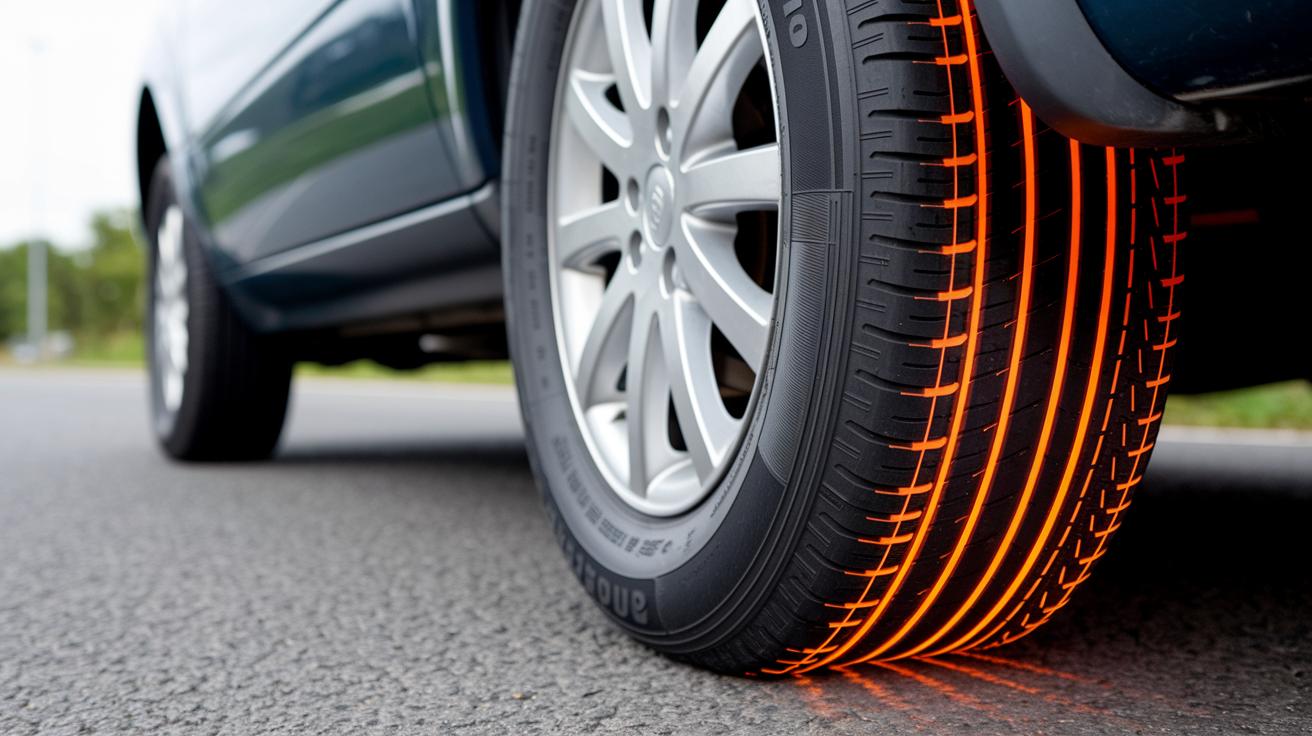
Racing off quickly can make your tires spin fast. That fast spin creates friction that grinds away at the tire’s protective surface (tread wear) and heats up the rubber. This extra heat softens the tire material and can drop your fuel economy by nearly 30% on highways and 40% in city driving.
- Tread wear – extra friction wears down the tire’s outer layer.
- Heat build-up – fast spinning heats the tire, softening the rubber.
- Reduced grip – less tread means the tire holds on to the road less, which can turn a safe drive into a risky one on wet roads.
- Higher fuel cost – more friction means the engine has to work harder, using more fuel.
- Increased risk of traction loss – lower grip can lead to slipping during quick maneuvers.
When these issues add up, your car can start to feel less stable. As the tire wears and heat damages the rubber, steering becomes less precise. Plus, having your engine work harder drives up fuel costs. Smoother acceleration can help keep your tires in better shape, making your ride safer and more fuel-efficient.
Hard Braking Results and Thermal Deterioration of High Performance Tires
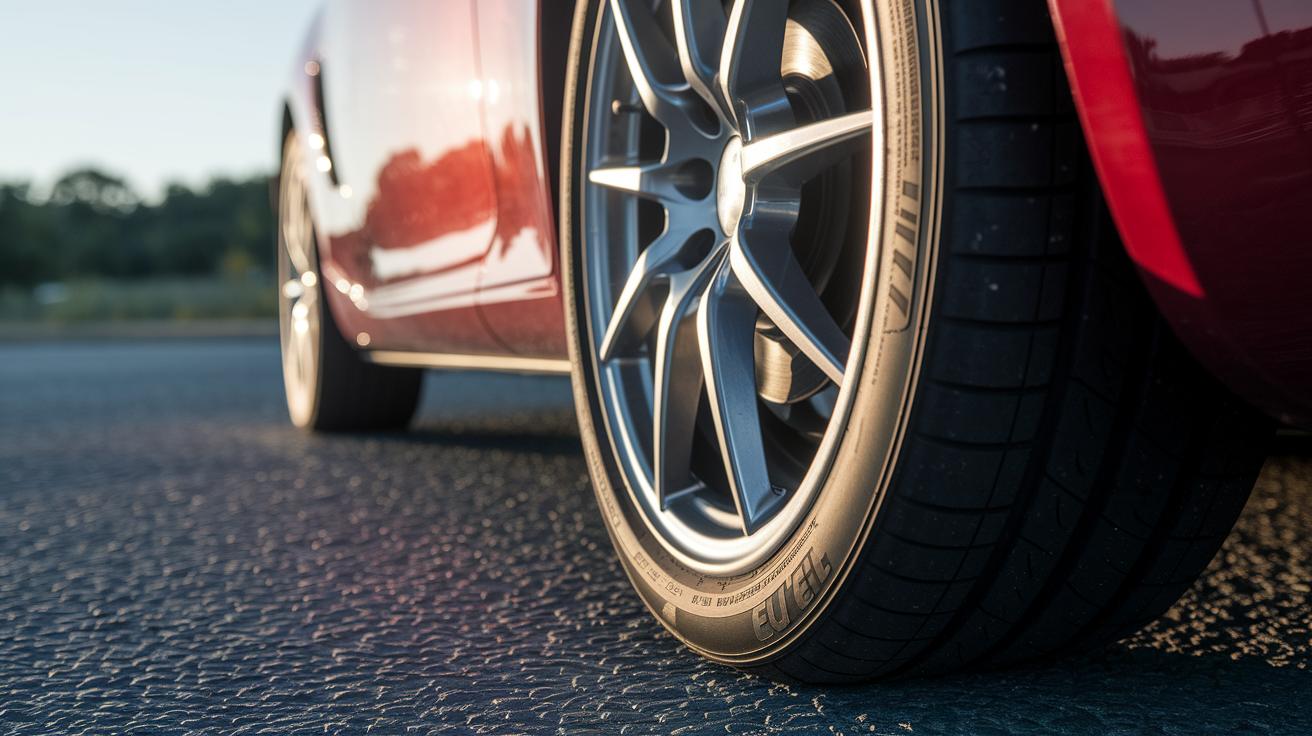
When you slam on the brakes, your tire suddenly has to deal with a burst of friction right where it touches the road. That friction creates a lot of heat fast, which starts to break down the rubber (the mix of materials that makes up the tire). This heat makes the tire's protective layer more sensitive, so tiny cracks form that slowly weaken it. Over time, all that extra heat causes the tire's tread to wear unevenly.
Heavy braking over and over speeds up the wearing process and even throws off the tire's balance. As the rubber breaks down, you can lose some of the good grip and overall performance you need on the road. Each hard stop adds a bit more damage, making the tire less predictable when you need it most. Next, here is a quick view of how different levels of braking stress can affect tire wear:
| Braking Force (g) | Peak Temperature (°F) | Tread Impact |
|---|---|---|
| Light Braking | 100-150°F | Minimal wear |
| Moderate Braking | 150-200°F | Noticeable degradation |
| Hard Emergency Braking | 200+°F | Severe tread breakdown |
So, every time you use those heavy brakes, think of it like a repeated hit that makes your tires work harder than they were built for. And just like any part of your car, if you keep stressing them out, their performance can drop when you're counting on them most.
Cornering Entry Pressure and High Performance Tire Wear Patterns
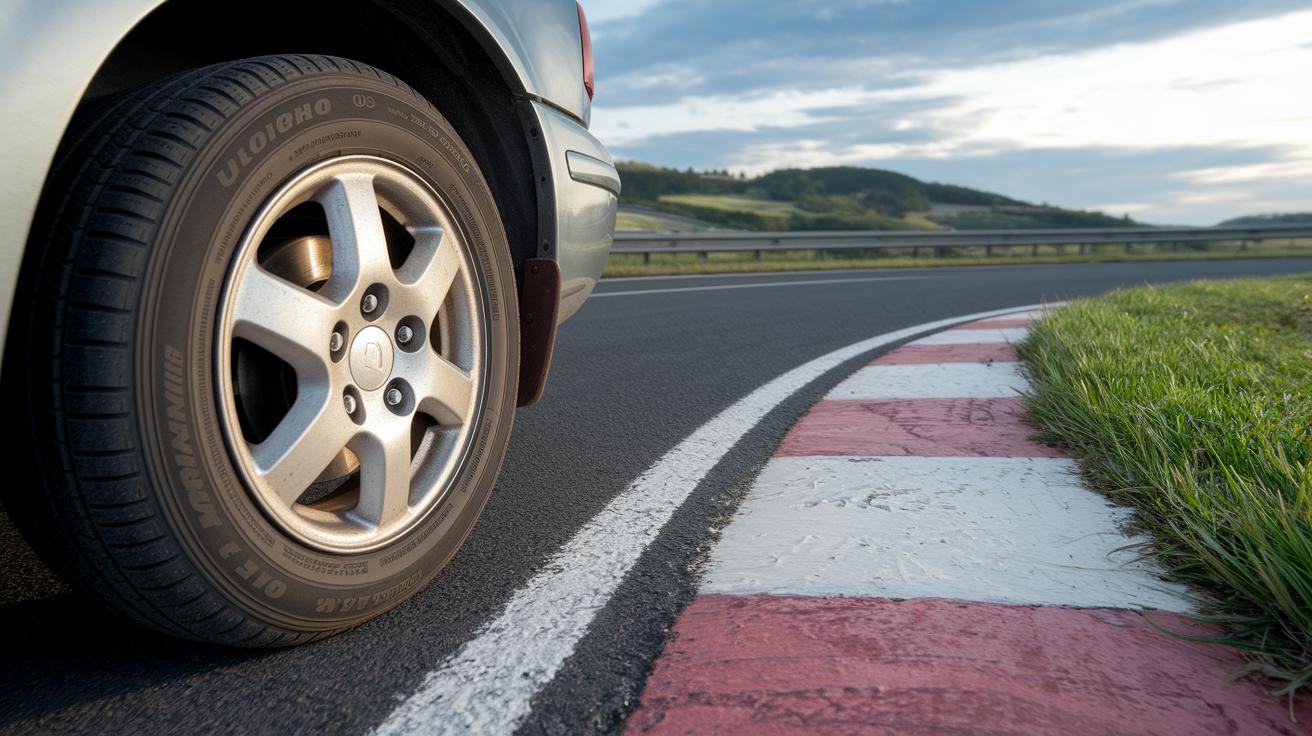
When you round a corner too fast, your tires face strong sideways pressure that wears down the outer edges quicker. This extra force puts stress on the tire shoulders (the sides of the tire) and speeds up their wear, especially when the load isn’t spread out evenly.
Front-Wheel Drive vs. Rear-Wheel Drive: How They Affect Your Tires
In front-wheel drive cars, the front tires do the work of steering and pushing, so they tend to lose grip on the outer edges if you enter a turn too quickly. Rear-wheel drive cars share the force a bit more evenly, but taking sharp corners still strains the tire shoulders. In truth, the way you drive can change how quickly your tires wear out.
- Ease into curves to cut down on sideways stress.
- Steer smoothly instead of making sudden, sharp turns.
- Slow down a bit before a turn to lighten the load on your tires.
- Watch the road and your tire condition, then adjust your speed as needed.
Taking a bit more care with your cornering speed can help your tires last longer, keeping your ride smooth and safe.
Contact Patch Adaptation and Thermal Buildup Analysis in Tire Wear
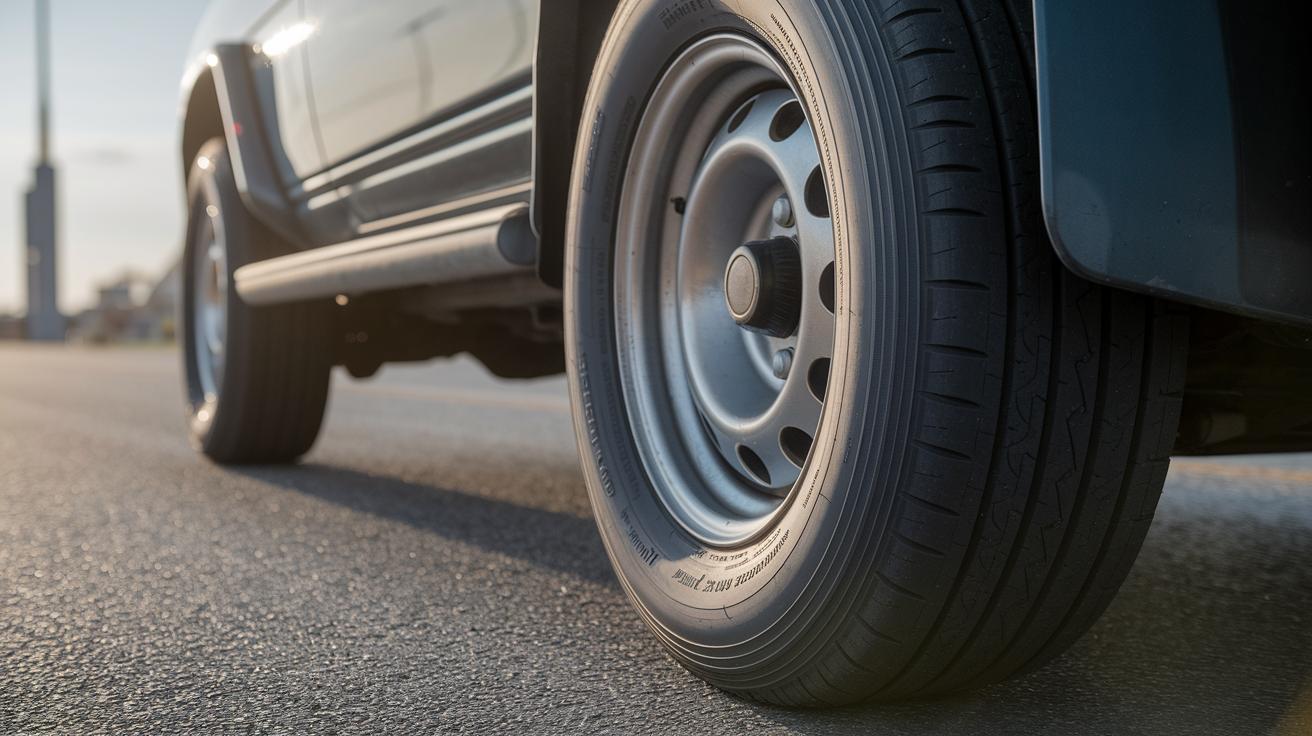
Imagine your car carrying a heavy load. The part of your tire that touches the road, known as the contact patch, changes shape when you’re hauling extra weight. This shift makes the pressure spread unevenly, so some spots work harder than others. That extra work builds friction, and the heat from it can push your tire beyond its safe temperature. Even a little extra weight or a quick burst of acceleration makes your tire work overtime, slowly wearing down its protective qualities.
When a tire heats up, it also messes with the rubber’s natural balance. With aggressive driving, the tire heats up and its elastomer (the flexible compound in the tire that helps it bounce back) loses some of its natural resilience. This loss of flexibility means the tire surface can wear out quicker. A few factors play a role here:
- Load intensity: A heavier load makes the tire change shape much more.
- Speed changes: Quick shifts in speed create sudden bursts of heat.
- Rubber type: Some tire compounds react more to heat buildup.
Downforce distribution is important too. When air pressure presses your car unevenly onto the road, some areas of the tire get hotter than others. This uneven pressure creates hot spots that speed up wear and can even affect how your car handles.
Tire Maintenance Strategies to Offset Aggressive Maneuver Outcomes
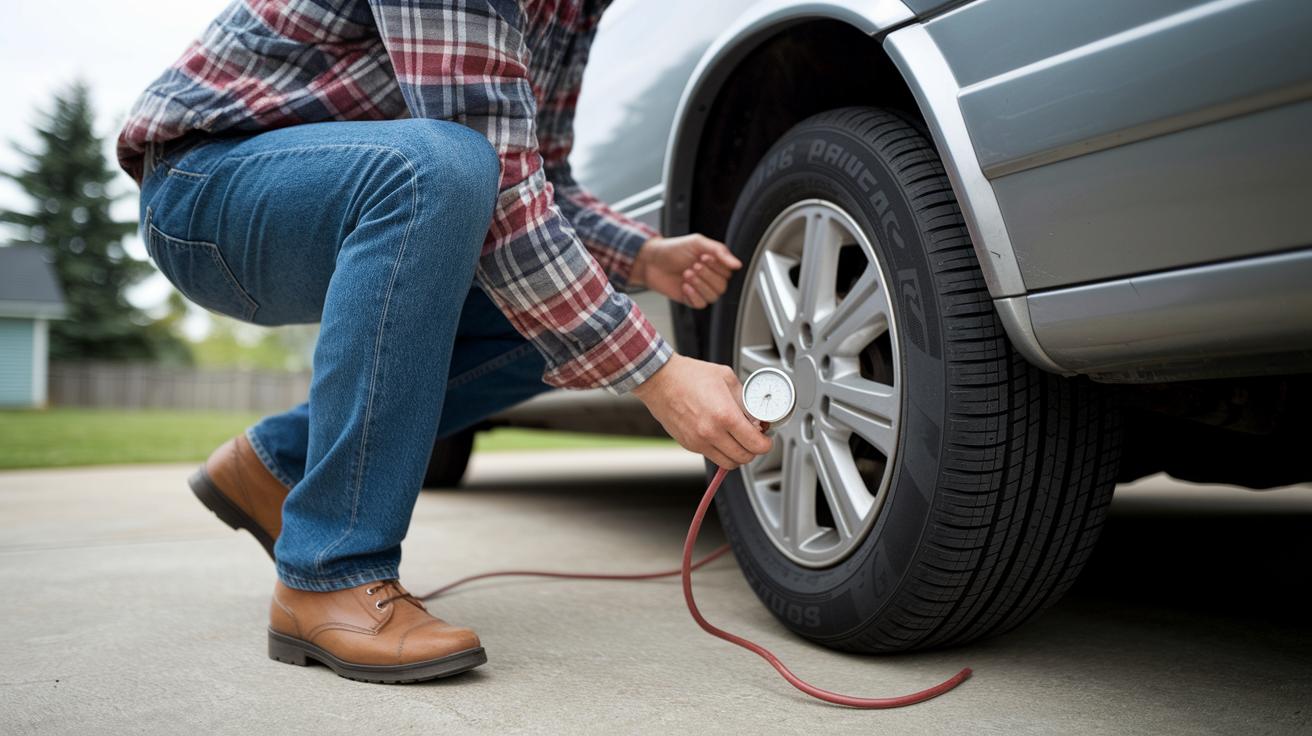
Keeping your tires in top shape can really help fight off the wear from tough driving. When your tires are low on air, they have to work harder, which can even bump up your fuel bill by about 3%. A quick check of your tire pressure, regular rotations, proper wheel alignment, and occasional close looks can make all the difference. It’s a bit like a tune-up for your ride that keeps everything running smoothly. And if you decide to invest in a precision alignment or a suspension tune-up (adjusting the parts that make your car steady), you’re setting yourself up for a smoother drive and longer tire life.
- Check and adjust your tire pressure often.
- Get your tires rotated every 5,000 to 10,000 miles using a tire rotation service.
- Make sure your wheels are lined up correctly.
- Have regular inspections to spot any early signs of wear using preventative car maintenance tips.
- Think about a suspension tune-up to ease extra stress on your tires.
Using these simple steps can save you money over time and keep your tires performing well. By checking the pressure and rotating on schedule, you help prevent uneven wear and keep a solid grip on the road. Good alignment means your car handles better and wears out the tire tread more slowly. Routine inspections let you fix little issues before they become big, expensive problems. And a suspension tune-up helps balance the load on every tire, so none of them take on too much stress. All of these tips work together to cut down on the harsh effects of aggressive driving and help your tires stick around longer while saving you cash.
Final Words
In the action, the article explains key ways driving behavior impacts tire wear. It breaks down how aggressive acceleration, hard braking, and sharp cornering put extra strain on high performance tires. The piece also touches on simple tips like pressure checks, tire rotation, and proper alignment.
The discussion shows how driving style affects high performance tire wear while keeping your vehicle safe and saving on costs.
Keep fine-tuning your driving habits and enjoy a smoother, safer ride.
FAQ
Which tires wear faster on different drive types?
The tire wear pattern is influenced by your car’s drive type. For example, in front-wheel drive, the front tires usually wear faster because they handle both steering and power, while in rear-wheel drive or pickups, rear tires may wear out sooner.
Which wear patterns occur due to driver habits?
Driver habits like heavy braking, fast acceleration, and sharp cornering cause uneven wear. These behaviors often lead to abnormal wear on the tire shoulders or cupping patterns across the tread surface.
Can tires be retreaded even if the casing is damaged?
Retreading isn’t recommended if the tire casing is compromised. The casing provides the tire’s core strength, and damage there means the retread won’t be safe or reliable.
What is the most important function of a properly functioning suspension system in your car?
A well-working suspension system keeps your tires firmly on the road by absorbing shocks and bumps, which helps maintain proper grip and handling during everyday driving.
Does driving style affect tire wear, including speed factors?
Yes, driving style greatly impacts tire wear. Aggressive actions—like rapid acceleration, heavy braking, and sharp turns—tend to accelerate wear, while a more relaxed style helps your tires last longer.
What is the 3% rule for tires?
The 3% rule for tires means if one tire wears roughly 3% faster than its companions, it’s a signal to check your alignment or driving techniques since uneven wear can affect safety and performance.

