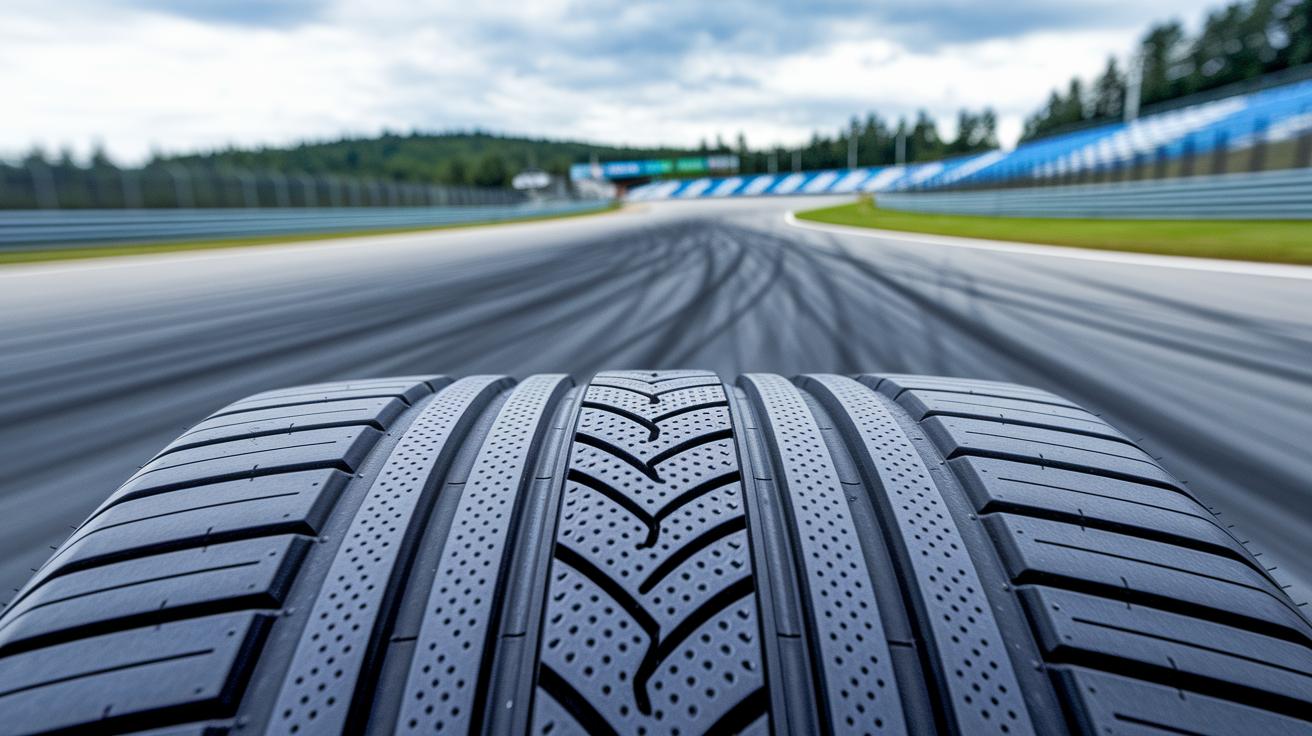


Ever think high performance tires are just like regular ones? A lot of drivers assume that a steep price tag always means the best quality, or they brush off a little loss in tire pressure as no big deal. But these beliefs can sometimes lead to risky choices and extra costs down the road. New tire technology and better materials have changed things in ways you might not have guessed. In this article, we bust some common myths about high performance tires to help you choose wisely and keep you safe when you're on the road. Ready to see things in a new light?
High Performance Tire Myths Overview and Key Misconceptions
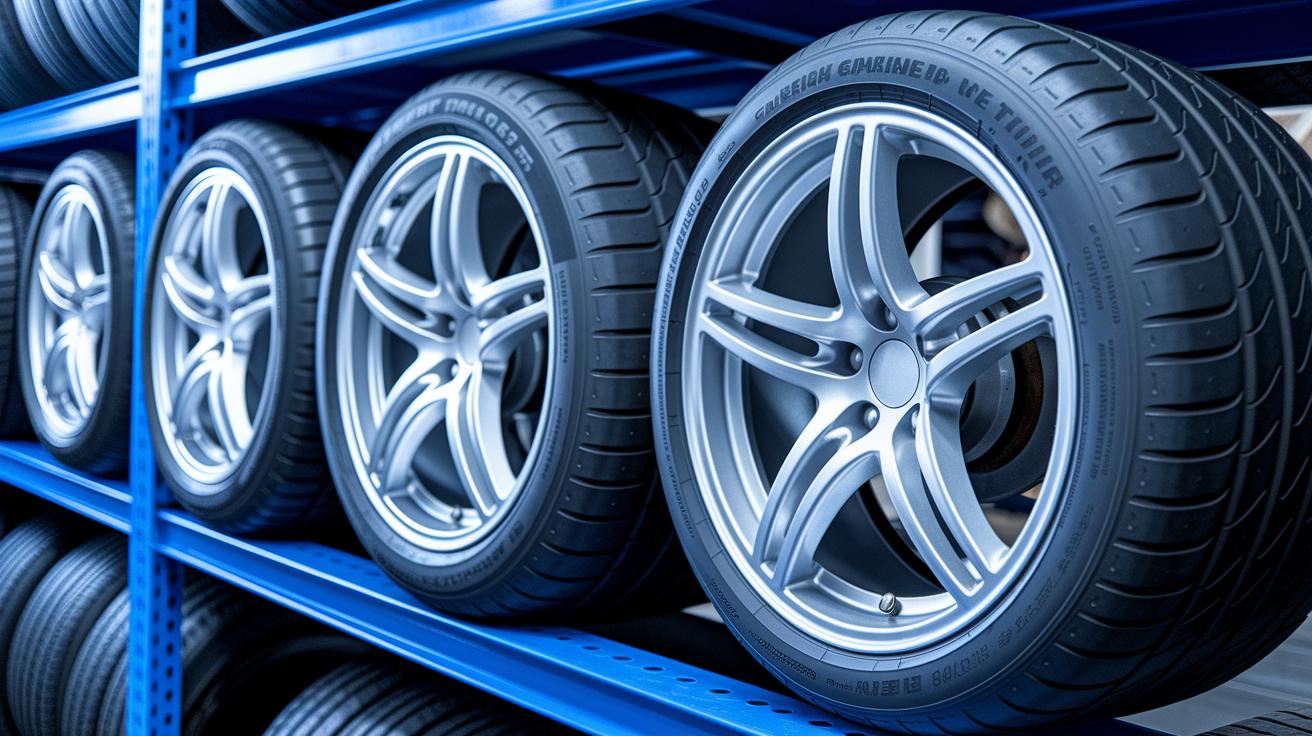
There are a lot of myths about high performance tires, and it’s easy to get mixed up. Many drivers think that all tires work the same, not realizing that high performance tires use special materials and designs that set them apart. This misunderstanding can lead to ideas like a higher price always means better quality. Sometimes people also believe that you only need to change one or two tires, or that tire pressure is only important when it looks low.
These ideas often come from misreading tire labels or tests meant for a specific purpose. Friends and family might share old stories that seem true, even though modern tire technology can make a huge difference when you choose and care for your tires properly.
- All tires are created equal.
- Only one or two tires need to be replaced.
- Tire pressure is important only when it visibly drops.
- Tread depth (the remaining surface on the tire) is the only sign of safety.
- Expensive tires always give better performance.
- Winter tires are needed only in deep, heavy snow.
Believing these myths can lead to problems on the road. For example, not replacing tires in matching sets can cause uneven traction, which might make stops and turns risky in bad weather or emergencies. Also, not checking tire pressure as recommended can lower your car’s fuel efficiency and wear out the tires faster. It’s always best to trust clear, fact-based advice so you stay safe and get the most out of your tires.
Wear and Longevity Myths of High Performance Tires Debunked

A lot of drivers believe that a low treadwear rating means tires will wear out super fast. But really, these numbers just tell you what the tire is built to do during lab tests. Even a high performance tire with a lower number can keep on rolling nicely if you take good care of it.
| Tire Type | Treadwear Rating | Expected Lifespan |
|---|---|---|
| Standard All-Season | 300 | 6–10 years |
| HP Summer | 250 | 6–10 years |
| UHP Summer | 200 | 6–10 years |
Looking at this table, it’s clear that even though the treadwear ratings aren’t the same for every tire, if you take care of them, they can all last about the same time. Soon enough, things like cracks or even blowouts start becoming a worry after 6 to 10 years, no matter what the rating is. So, regular check-ups, keeping them inflated just right, and storing them correctly are what really matter to keep your tires safe on the road.
Wet and Winter Traction Myths of High Performance Tires Debunked
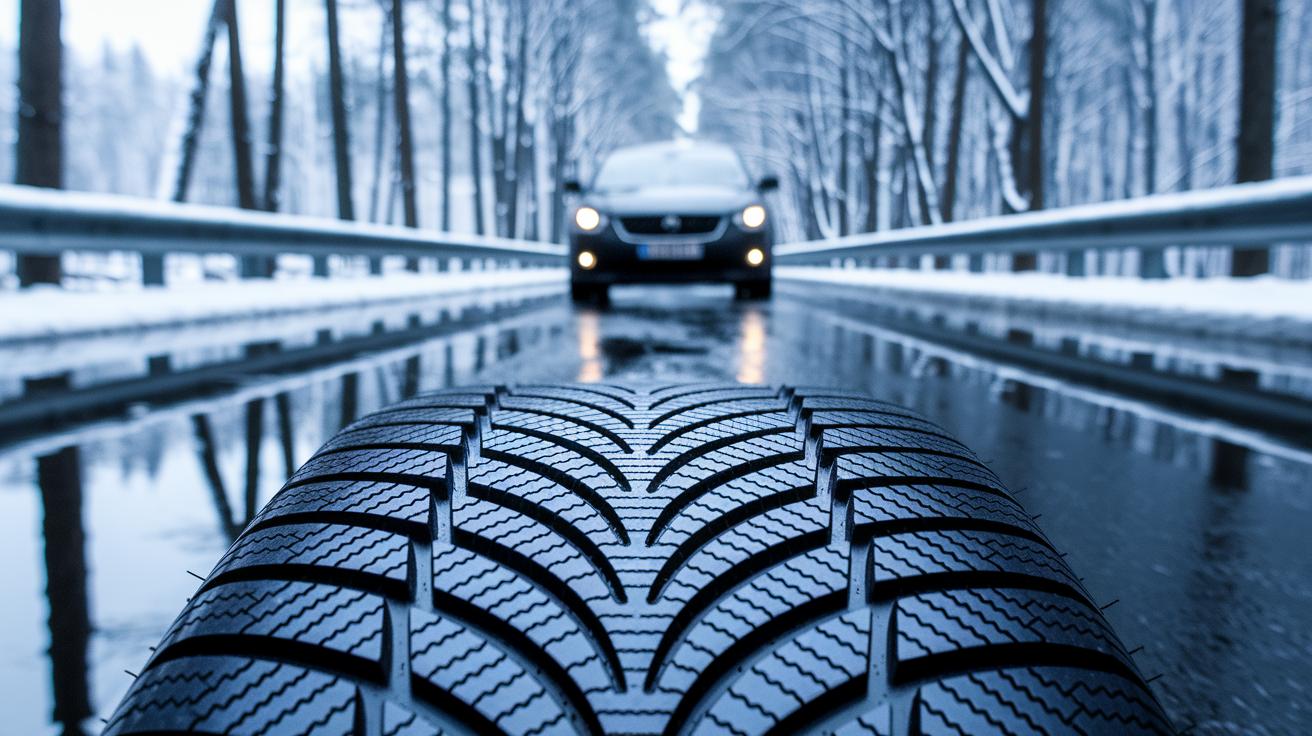
When it gets cold and wet, summer tires just don’t work like you’d hope. When temperatures drop near or below 45°F, the rubber in these tires loses its flexibility, which means it can’t grip the road as well in chilly or damp weather.
On wet roads, summer tires can even start to hydroplane because they aren’t built to push water away fast enough. Studies show that on wet pavement, these tires take longer to stop because they struggle to let the water escape quickly. And when it’s cold, the stiff rubber makes it hard to stay connected to the road, which is really important when you need to brake.
Here are some factors to think about:
- Temperature affects how soft or hard the rubber is
- The design of the tread matters for pushing water away
- Tire width plays a role in snowy conditions
- Special tire compounds help with grip in cold weather
- Relying on AWD doesn’t fix the problem if the tire compounds aren’t made for winter
Choosing the right tire for the season is really important. Using summer tires in cold and wet weather can hurt your control on the road. Instead, go for tires made with winter technology. They give you the grip you need for safe braking and better control when roads are rainy or slushy.
Speed Rating and Safety Margin Myths of High Performance Tires Debunked
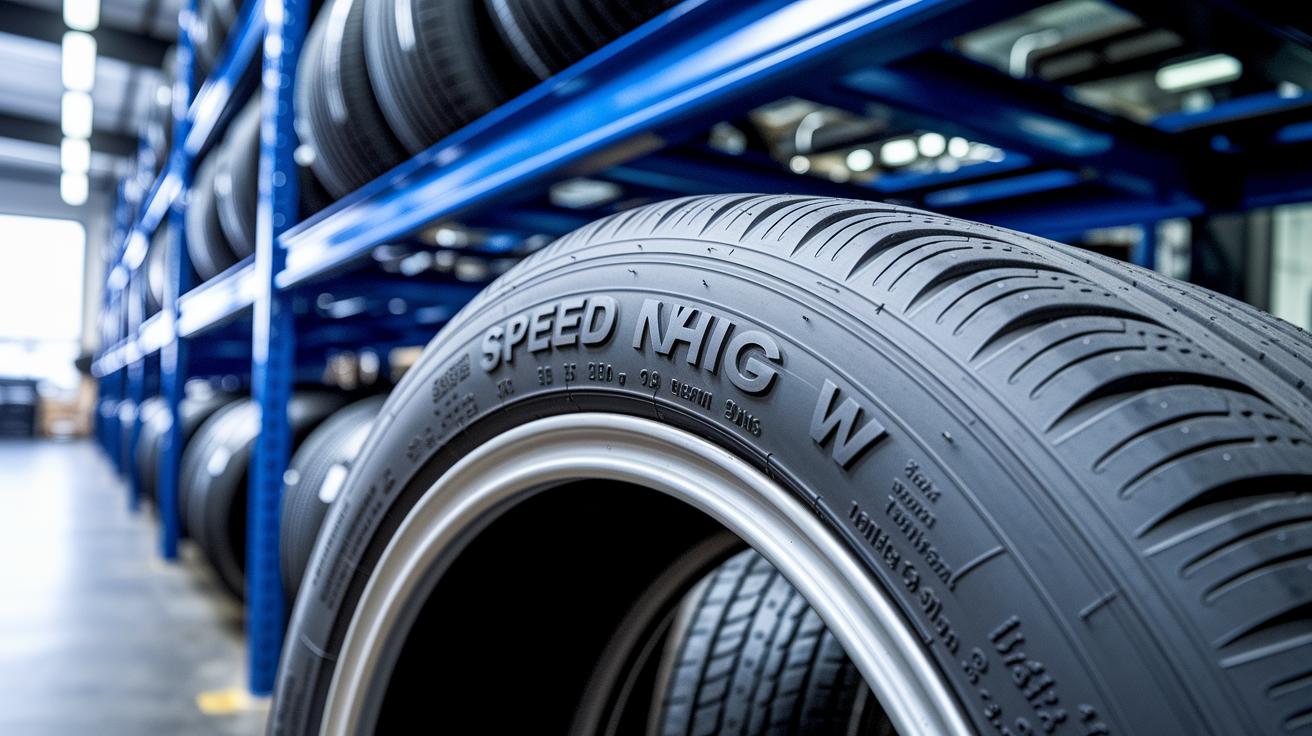
Many drivers mix up a tire's speed rating with how fast they should actually drive every day. They think that if a tire is rated for high speeds in a lab, then it’s okay to push those limits on the road. But really, those ratings are just numbers from a carefully controlled test.
Speed ratings like W or Y tell you the top speed a tire managed during special lab tests. In these tests, engineers spin the tire, put it through tough cornering, and see how it handles heat buildup at speeds about 10% over the rating. This shows what the tire can do in a controlled setting, not what’s safe for your everyday trips.
Regulatory groups like FMVSS and UNECE run these tests. They build in extra safety buffers so the tire can handle real-life challenges like varying loads, different tire pressures, and bumpy roads. This extra margin is what keeps you safe when things aren’t perfect on the road.
Understanding these details helps you choose the right tire and use them safely, ensuring you have a good, secure ride every time.
Cost vs Value Myths of High Performance Tires Debunked
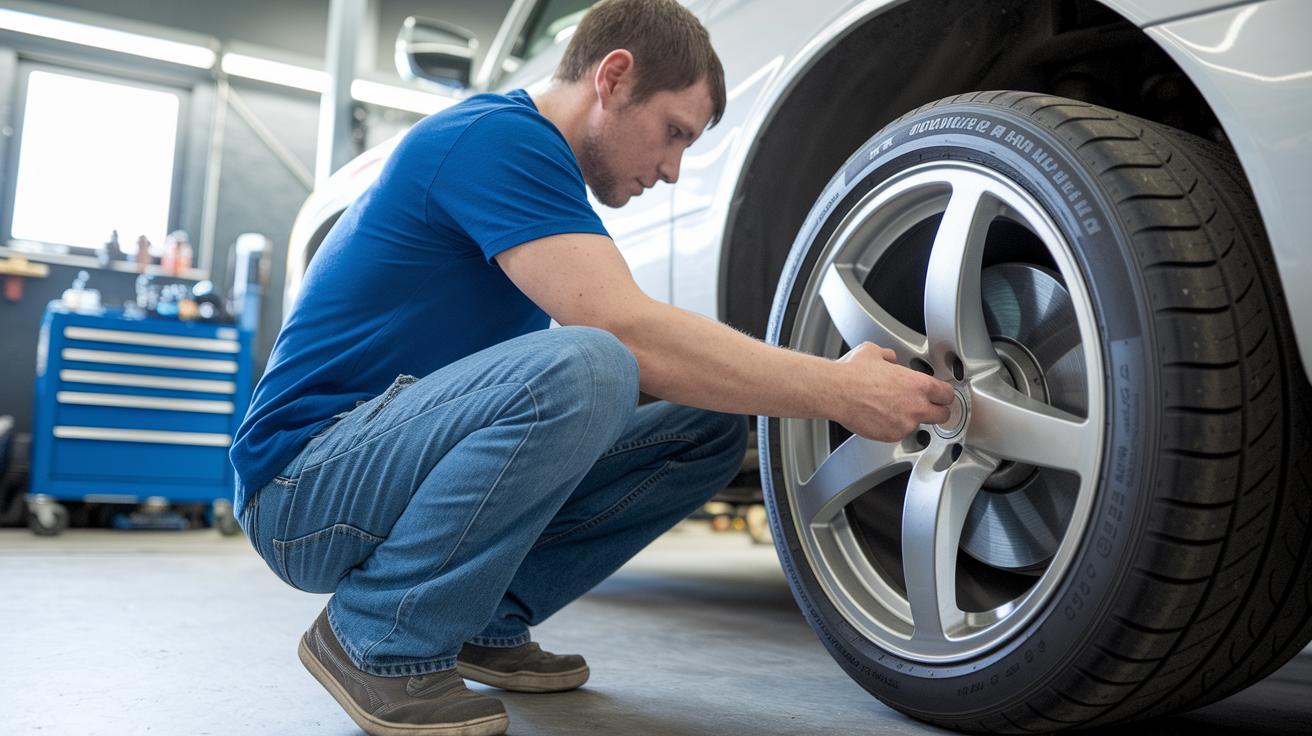
A lot of drivers think that spending more always means better wet braking and longer tread life (tread wear is how fast a tire’s surface wears out). But tests often show that mid-priced high performance tires can perform just as well, and sometimes even beat their high-end rivals.
Many retailers offer price-match deals and rebates to help close the gap between expensive and moderately priced options. It turns out that the sticker price isn’t the only clue to a tire’s real performance on the road.
- Look at independent tire test results.
- Check the treadwear warranty details (this tells you how long the tire is expected to last).
- Compare fuel efficiency estimates.
- Think about how often you might need to replace them.
- Watch how they wear under everyday driving.
When you add up the total cost of owning a tire, you have to think beyond the price tag. Factors like fuel economy, the tire’s rate of wear, and how frequently you’ll replace it all count. This broader view shows that a reasonably priced tire can save you money over time without giving up the road performance you need.
Installation and Inflation Myths of High Performance Tires Debunked
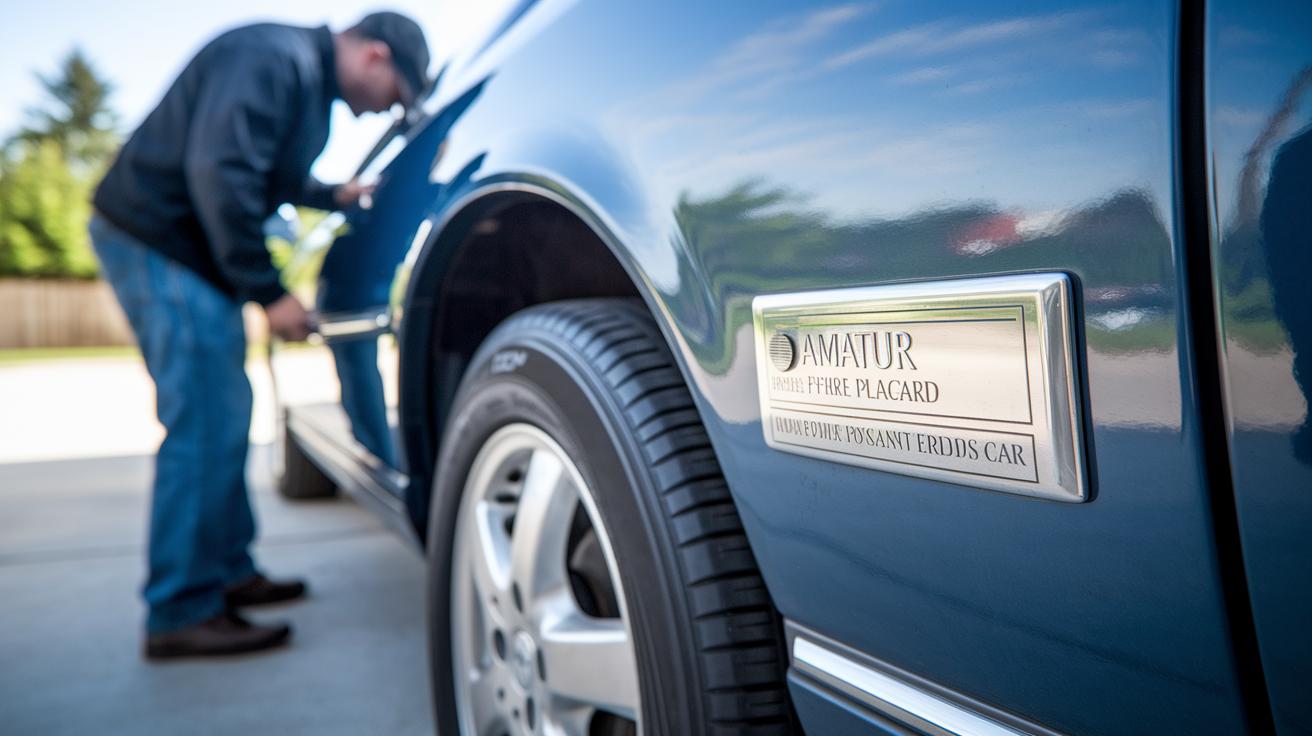
It might seem natural to think that the maximum pressure on your tire’s side is the one you should use. But that number isn’t the best for your car. Instead, the right pressure is stamped on your vehicle’s placard, usually on the door jamb or found in your owner’s manual. Using the sidewall number can change how your tire meets the road, which can lessen grip, speed up wear, and tweak your handling during turns or sudden stops.
Ever notice how a small detail can make a big difference in your ride? Check out this quick chart that lays out common myths versus what’s really true:
| Practice | Common Misconception | Reality |
|---|---|---|
| Inflation | Sidewall max equals proper pressure | Check your car’s placard or manual for the exact value |
| Mounting | DIY installation is as good as a professional job | Professional mounting ensures top performance; see Tire Installation |
| Balancing | Skipping balancing has little impact | Balanced tires are essential for even wear and smoother rides |
| Alignment | Alignment isn’t needed if the tires look fine | Professional alignment keeps your vehicle steady and prevents uneven wear |
Keeping your tires inflated to the right pressure and having them professionally mounted can truly enhance how your car handles and extends tire life. Regular pressure checks and chats with a trusted technician about mounting, balancing, and alignment will help you enjoy your high performance tires to the fullest while keeping you safer on the road.
Environmental Impact and Warranty Myths of High Performance Tires Debunked

High performance tires are getting a fresh upgrade. They now use a special mix with silica (a mineral that helps the tire work better) and low-rolling-resistance (which means they roll easier) to lower CO₂ emissions. This change shows that you don't have to give up great handling and grip to be kind to the planet.
Tire makers also offer treadwear warranties (a promise of how many miles the tire should last) ranging from 30,000 to 60,000 miles. This clears up the idea that high performance tires come with no warranty at all. Plus, simple things like checking your tire rotation and alignment go a long way in keeping the tires in top shape and keeping the warranty intact.
Let's clear up some common myths:
- Myth: High performance tires hurt the environment. Fact: Their new formulas really cut down on emissions.
- Myth: These tires come without any warranty. Fact: They include warranties for 30K to 60K miles.
- Myth: The eco-friendly features and warranties are just marketing tricks. Fact: They’re based on real, tested updates.
- Myth: You don't need to maintain high performance tires. Fact: Routine service, like rotation and alignment, keeps them running well and protects both eco efforts and warranty coverage.
Regular upkeep like checking tire rotation and proper alignment not only makes your tires last longer but also supports their environmentally friendly design and warranty promise.
Final Words
In the action, we broke down what many drivers believe about high performance tires. We cleared up myths around tire design, tread life, wet grip, speed ratings, price, and even installation tips.
By debunking the top myths about high performance tires debunked, we showed how smart tire choices and simple maintenance can keep you safe. With clear facts and practical advice, you can steer your vehicle confidently, knowing you have the real picture behind the tire talk.
FAQ
Do high performance tires make a difference?
High performance tires make a big difference by offering better grip, control, and braking compared to regular tires. They are built with stronger materials and unique designs to boost safety and handling.
What is the number one enemy of tires?
The main enemy of tires is poor maintenance, especially incorrect inflation. Underinflated or overinflated tires wear unevenly and can lead to faster tread wear and risk of damage from rough roads.
Should you pay extra for good quality tires?
Paying extra for quality tires can be worthwhile if you need better grip, longer tread life, and overall safety. Look at independent tests and warranty details to decide if the higher cost fits your needs.

