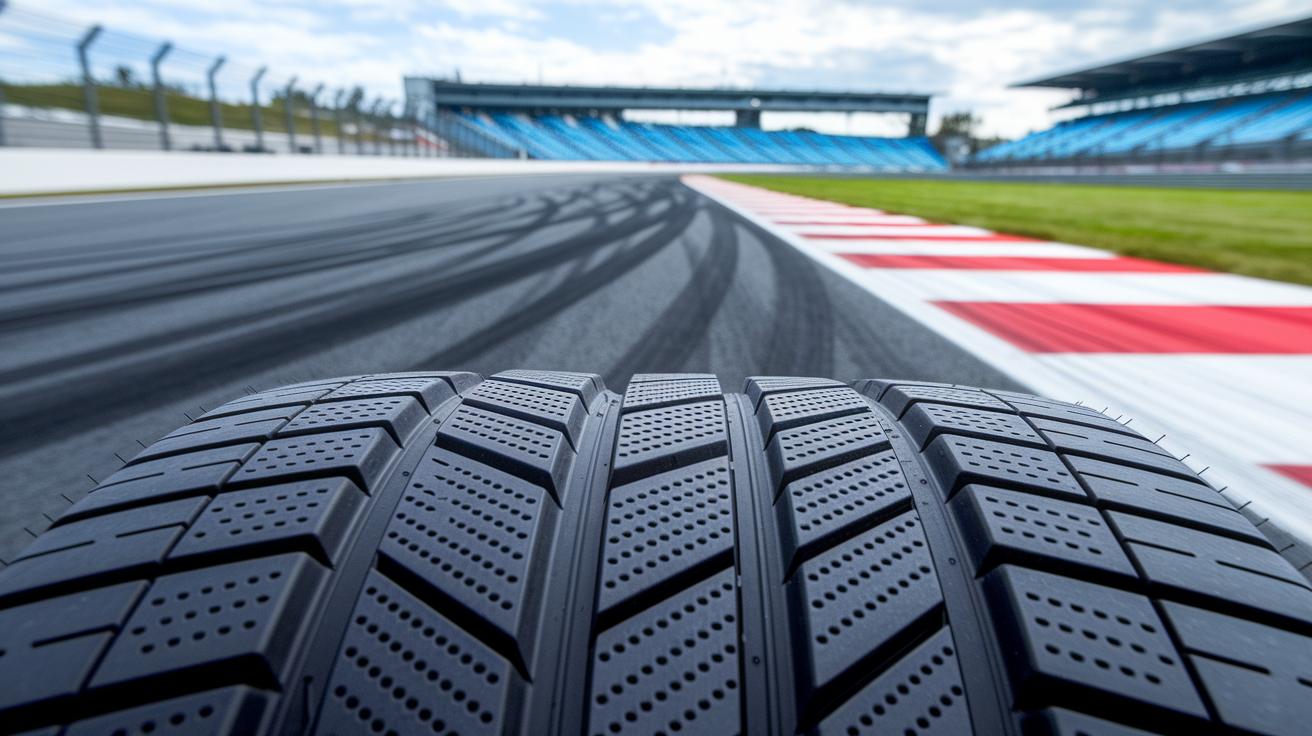


Ever noticed how your car hugs the road through tight turns or sudden stops? It’s not magic, it’s really a mix of simple physics and smart tire design. When tiny bits of rubber grip the pavement, they create friction that keeps your car steady. Plus, the way tire pressure helps distribute your car’s weight plays a big part in that secure connection. Today, we break down how these elements team up to give you a safe, confident ride every time.
Fundamental Physics of Tire Grip
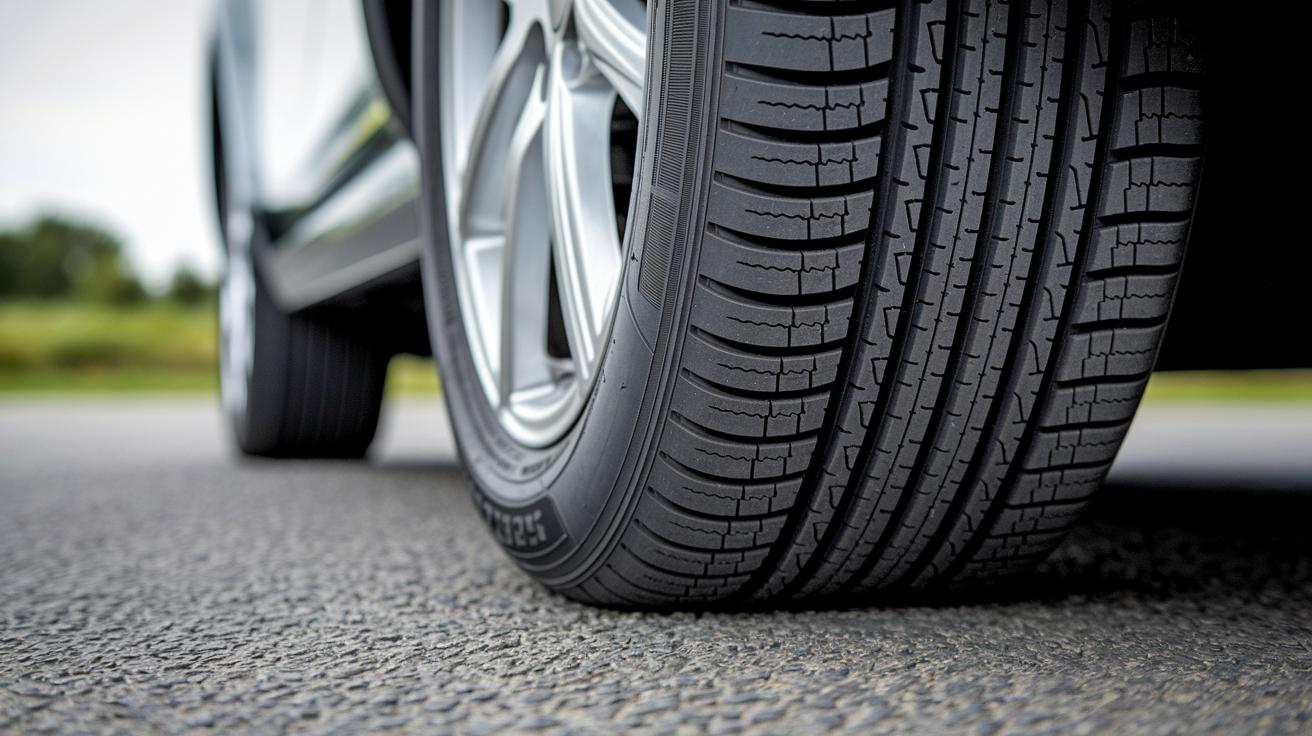
Tire grip is all about the friction that keeps your car safe when it speeds up, turns, or stops. It happens because of the strong bond between the tire's rubber and the tiny bumps on the road. At a very small scale, molecules in the rubber stick to the road, which is key for making sure your car stays on track. The part where the tire meets the road is called the contact patch. When this patch is just right, the weight of your car spreads out evenly, creating a solid connection like a firm handshake between your car and the road.
The science behind tire grip comes down to basic friction principles. Coulomb friction (a simple idea about how surfaces resist sliding) helps explain how the surfaces stick together. Also, a bit of energy is lost when the tire deforms, and that loss helps the tire grip better. When the force is well spread over the tire tread, your ride feels more stable and secure. It’s like your tires are teaming up, feeling every dip and bump to keep you safe.
Keeping the tire pressure just right is critical to making the most of tire grip. When tires are properly inflated, your car's weight spreads out nicely over the tread. This even spread helps every bit of rubber work harder, increasing the contact area with the road. This balance between tire pressure and the contact patch is the secret behind proper tire grip and solid vehicle performance.
Rubber Compound Properties and Tire Grip
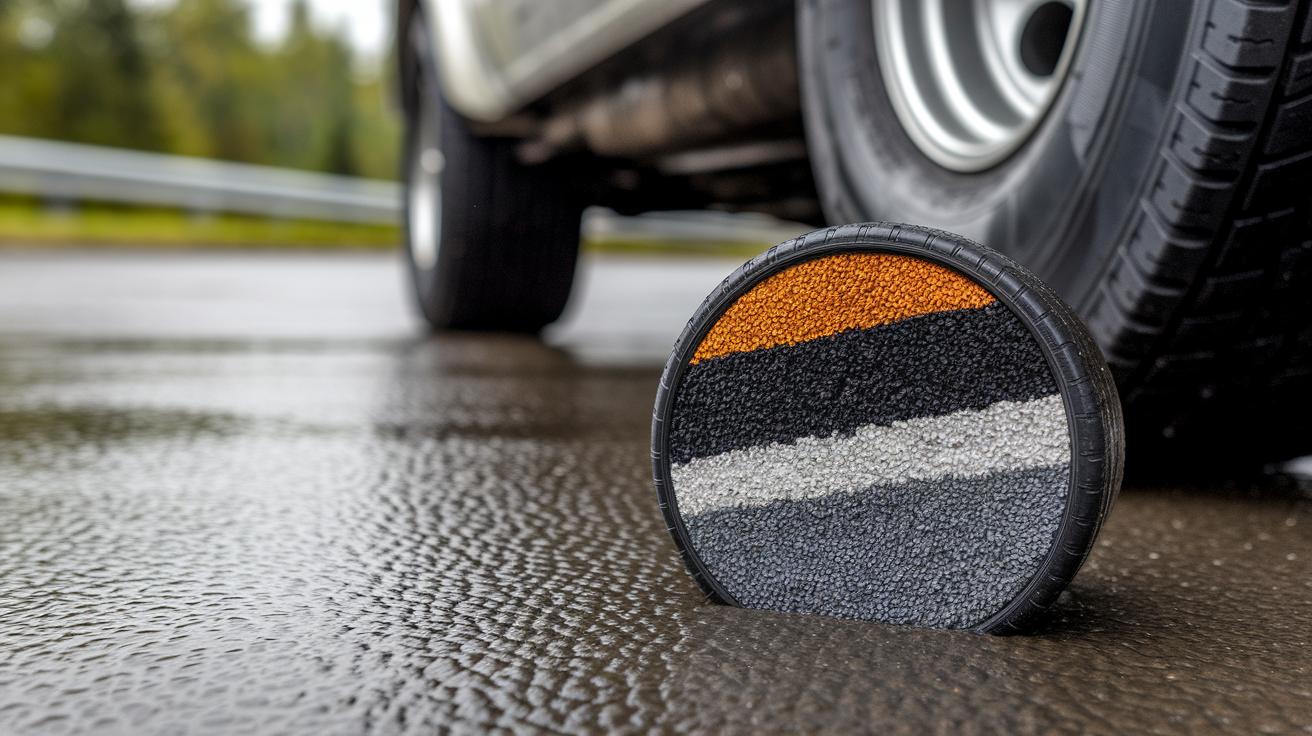
Good tire grip starts deep down at the molecular level. Tire makers design the rubber so it sticks well to the road and lasts a long time. They add extra silica (a material that helps with wet grip) to give better traction on rainy roads and to make rolling easier. Then, they mix in carbon black (which makes the tire stronger) so it wears down more slowly. During the curing process, they adjust something called cross-link density (a way to set how stretchy the rubber is versus how much energy it loses when it flexes). They also use advanced polymer blends to find the perfect mix between a strong grip and long-lasting performance. It’s a bit like a chef mixing ingredients to create a favorite recipe.
Taking a closer look, you can see how each part plays an important role in how well a tire grips the road. Below is a simple table that shows what silica, carbon black, and polymer resin do. Manufacturers work carefully with these ingredients to make tires that perform great. For more details, check out advanced tire compound technology online.
| Ingredient | Function | Impact |
|---|---|---|
| Silica | Helps with wet grip (boosts traction on wet roads and lowers rolling friction) | Makes the tire hold the road better in the rain |
| Carbon Black | Makes the tire stronger (reinforces the tire’s build) | Helps the tire resist wear over time |
| Polymer Resin | Balances stretch and strength (optimizes elasticity and durability) | Keeps the tire gripping well while lasting longer |
Tread Design and High Performance Tire Grip
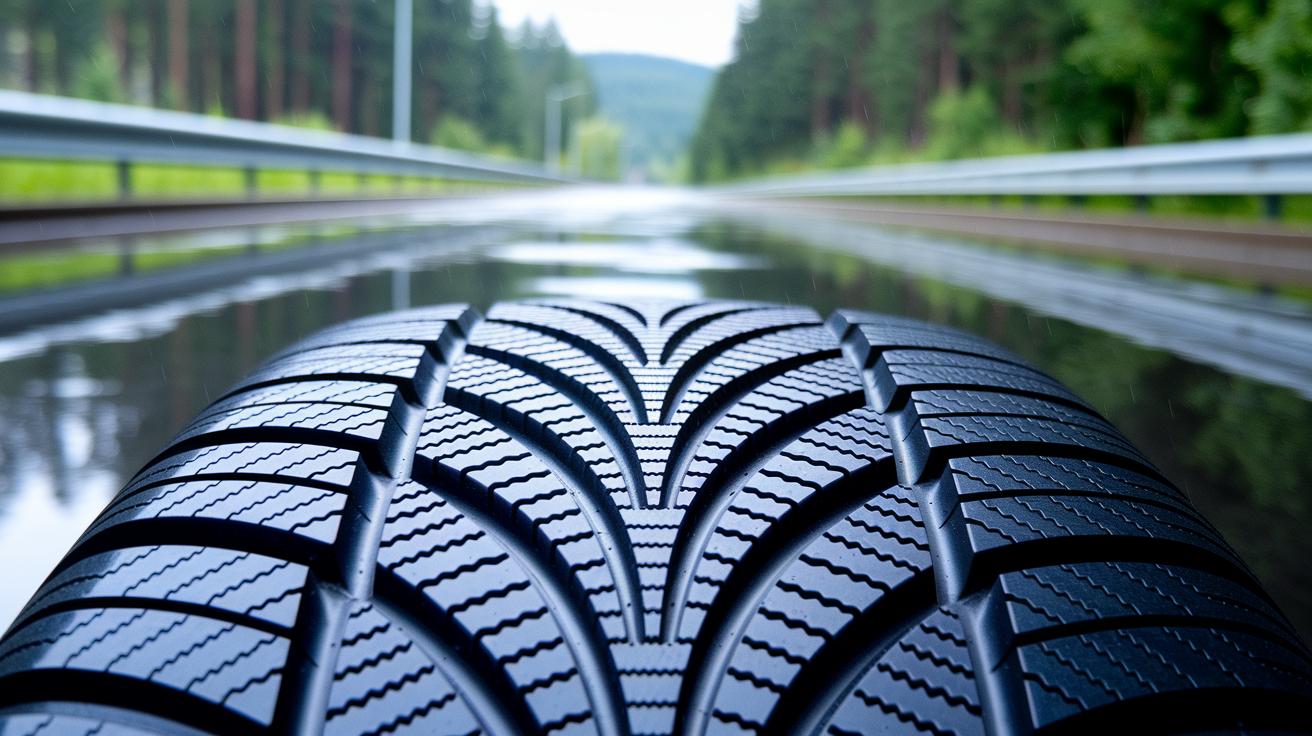
When you drive, the tire's grip on different roads comes from how its grooves and tiny cuts (siping) are designed. Deep side grooves help water flow away so your tire stays in solid contact with the road, even when it's wet.
Those little siping edges work like mini teeth, giving extra hold on ice and snow when you really need it. It’s a bit like a careful dance: the grooves keep water and slush away, yet they must be strong enough to handle tough use day in and day out.
Every part of the tire is set up to work together, ensuring that each bit of the tread adds to your safety and performance. It’s all about balancing smart design with durability, so you get a tire that stays reliable whether you're cruising on dry pavement or battling a rainy street.
Key elements of modern tread design include:
- Groove geometry for water evacuation (helping water get off the tire)
- Sipe placement for biting edges (tiny cuts that add extra grip)
- Shoulder block design for better cornering
- Void ratio for self-cleaning (keeping debris out)
- Microtexture for dry-road adhesion (enhancing grip on dry surfaces)
By mixing these features, tire designers help make sure your ride stays safe and responsive no matter what the road throws at you.
Contact Patch Dynamics in Tire Grip
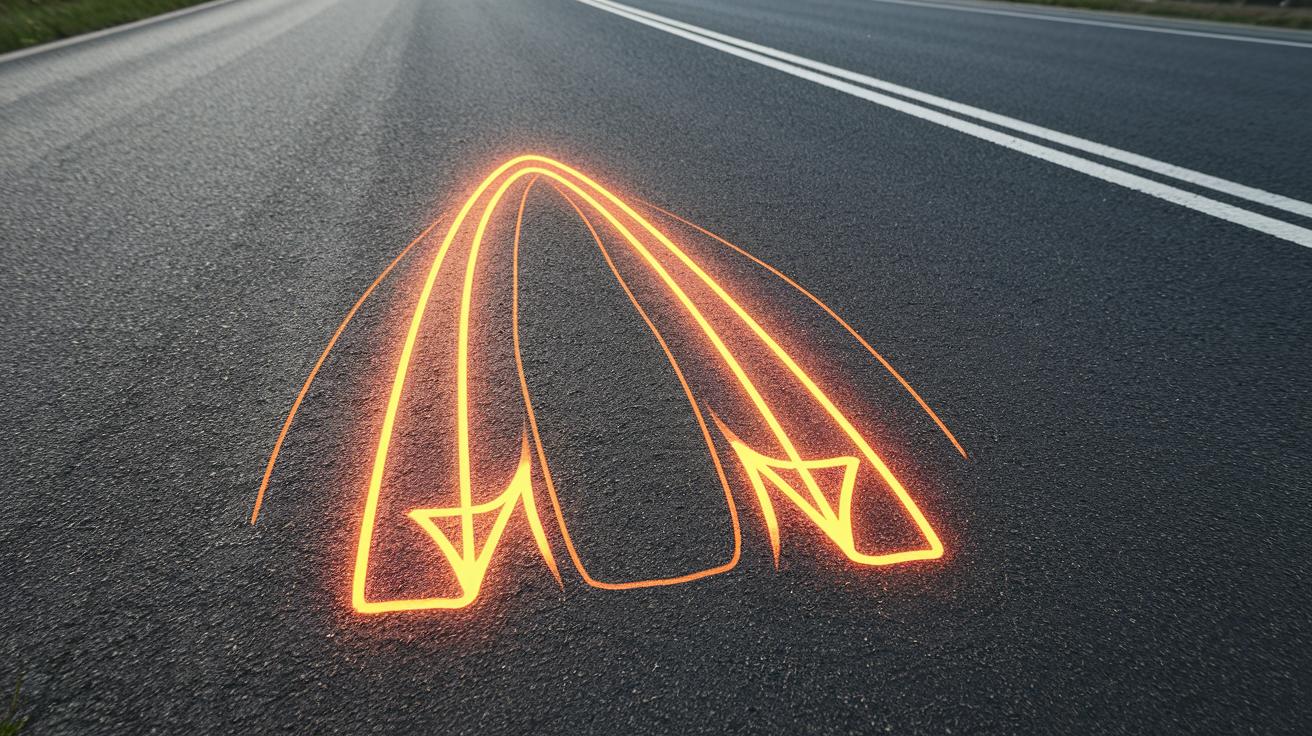
Think of the contact patch as the exact spot where your tire meets the road when your car is putting weight on it. This area is really important because it’s where the tire grips the pavement (mechanical adhesion means the tire sticks to the road), giving you a safe ride. When your tire squishes a bit under pressure, it molds to the road just like a footprint, evenly spreading out the force and boosting friction (that’s what helps you stop or turn smoothly). Keeping the contact patch in good shape is key for steady grip whether you’re speeding up, slowing down, or taking a turn.
When a tire softens under load, it not only changes shape but also shifts how pressure is spread across that contact spot. Imagine taking a sharp turn, the tire isn’t perfectly aligned with its path, and that gap (called the slip angle) creates extra side forces. These forces help the tire hold onto the road even as it flexes, with small parts of the patch feeling a bit more or less pressure to fine-tune that grip.
Looking deeper, stress distribution shows us how different parts of the contact patch work together to help with handling. Studies reveal that if pressure isn’t spread out evenly, some parts of the tire might not grip as well. In tests, even tiny changes in the patch’s shape made clear differences in performance. This blend of physics and hands-on testing helps tire engineers design products that keep you safely on the road no matter the driving conditions.
Thermal Effects on High Performance Tire Grip
When your tires bend as you drive, they warm up because the rubber loses a bit of energy with each flex. This warming up changes how sticky the tire is on the road. In a perfect world, your tire stays in a temperature range where the rubber is just right, not too soft and not too hard, to keep a strong grip. And when you take a fast turn or speed up, the tire heats up quicker, which can change its grip if it goes past that ideal spot.
Keeping a tire at the right temperature is key to a safe ride. When a tire is balanced, its rubber holds the best mix of stretch and firmness, making every turn feel secure. But if too much heat builds up, the tire can get too soft and lose some of its grip. This shows why it’s important to have a well-made tire and to drive carefully, especially in conditions that push your tire harder than usual.
Wet Road Grip and Hydroplaning Prevention
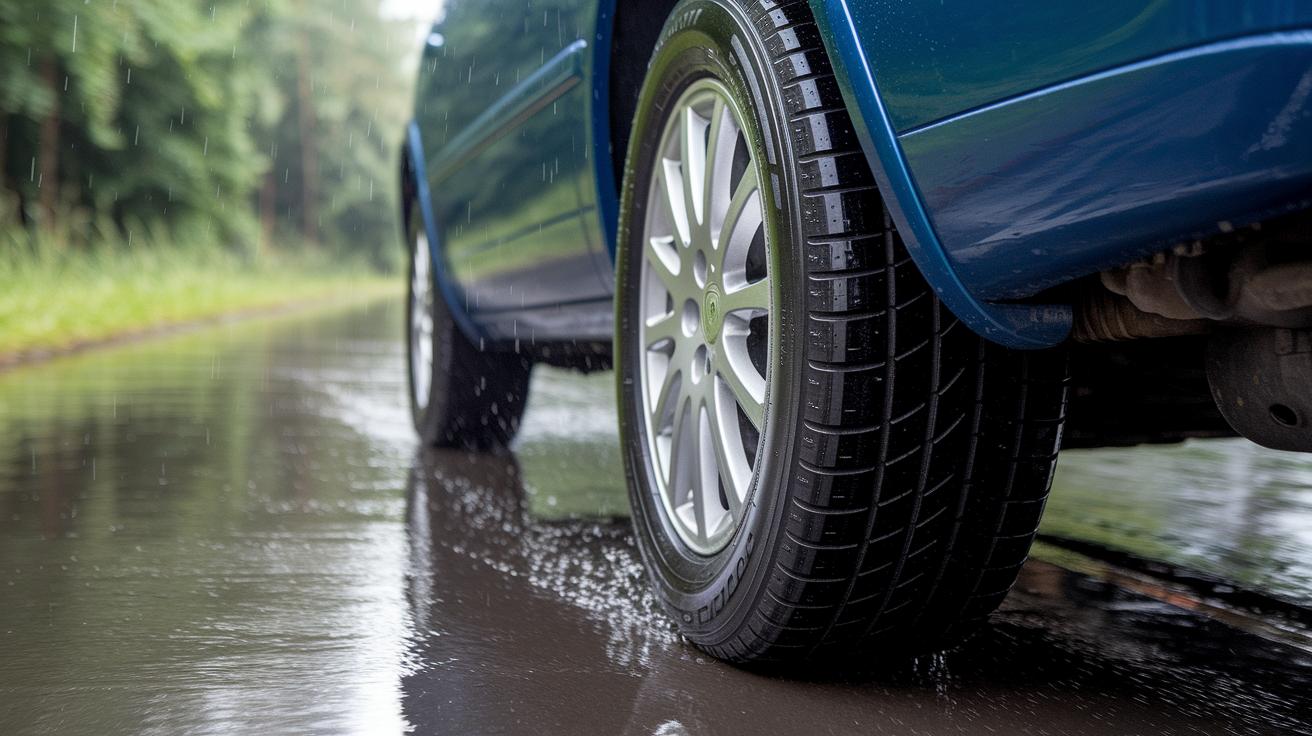
Hydroplaning happens when a thin layer of water builds up between your tire and the road, and suddenly your tire can’t grip the pavement like it should. This means that even a small puddle can make your car feel like it’s sliding, almost like trying to walk on an icy sidewalk. It’s a simple idea: when water gets in the way between your tire and the road, your tire just can’t hold on. Knowing how this works is super important for staying safe when it rains.
Smart tire design can really help fight against this loss of grip. Deep, well-placed grooves in the tire channel water away so the tire can keep a solid grip on the road. And with a clever pattern in the tread, the tire’s rubber (the flexible material that makes contact with the road) works better to keep you in control. It’s kind of like having tiny helpers pushing water aside so you can enjoy a smoother drive.
The tire’s makeup is also a big part of stopping hydroplaning. Using the right materials helps the tire stay flexible and stick closely to the road even when it’s wet. When the grooves are just the right depth and pattern, water can escape quickly, keeping your drive safe and steady. All these features join forces to boost the tire’s performance, so you can feel confident behind the wheel, rain or shine.
Laboratory Testing and Simulation of Tire Grip
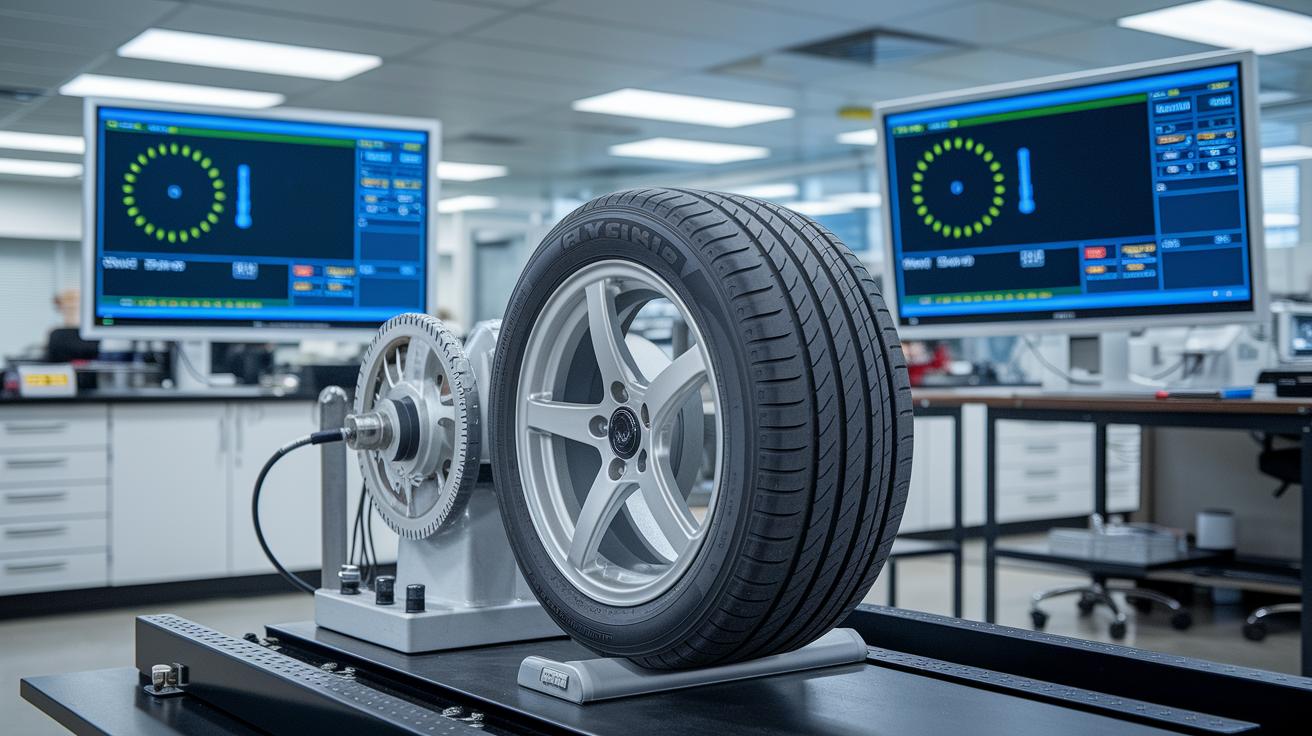
Testing tire grip in the lab is a mix of hands-on experiments and computer models that show how well a tire sticks to the road. In controlled settings, experts follow ASTM D4748 protocols to measure the dynamic friction coefficient (that is, how the tire’s surface grips under pressure).
Tire dynamometer tests mimic actual driving by simulating the tire's load and speed. This lets us see how a tire will behave once you hit the road. Engineers also use finite element analysis (a computer method that looks at stress and deformation where the tire meets the pavement) to get a closer look at tire performance.
More recently, smart tire sensors pick up grip data at different speeds and temperatures. This neat trick bridges the gap between lab results and real-life driving conditions.
These varied tests give us a full picture of how a tire performs, from the first touch on the road to tough, high-speed maneuvers. They show us how tires handle everyday drives and help improve rubber mixes and tread designs. Key testing methods include:
- Dynamometer friction testing
- Sled-track abrasion trials
- FEA contact mechanics simulations (using computer models to study how forces spread out)
- On-vehicle sensor measurements
This blend of techniques provides engineers with clear, scientific feedback, making sure that every tire feels safe and responsive no matter what driving conditions you face.
Real-World Case Studies in Tire Grip Science
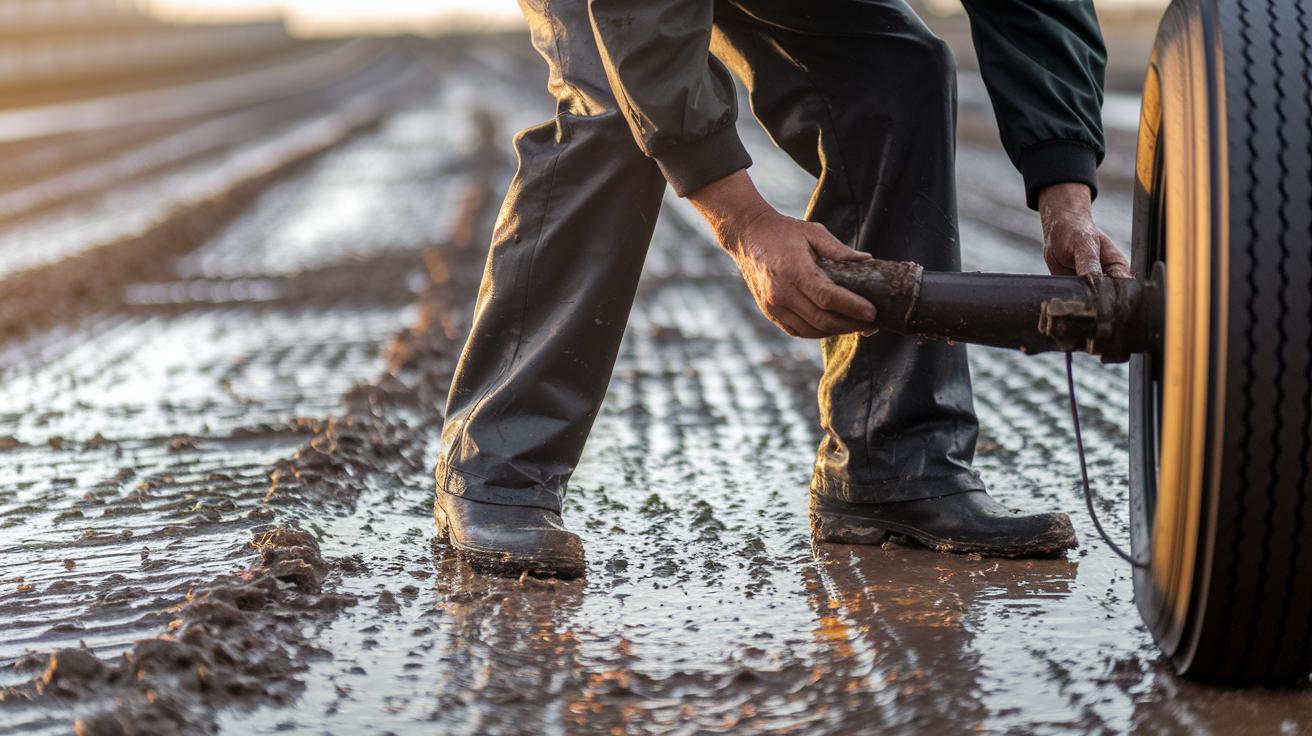
Back in 1920, John F. Sipe kept slipping on his work boots. He started making small changes to improve his grip, and that simple experiment set the stage for tire grip research. It’s a neat reminder that real-world tests can spark big ideas.
Then, during the horsepower wars in the 1980s, the need for bumps in speed and grip pushed tire designs to a new level. Engineers and racers put tires through extreme tests, mixing hands-on trials with ideas about how surfaces stick (adhesion science) and how friction works. It was a time when real challenges led to major breakthroughs in tire technology.
More recently, the 2019 off-road Porsche 911 Safari at Radwood showed just how solid lab-tested traction can be on rough terrain. High-performance tires like the BFGoodrich All-Terrain T/A KO2® (built to handle many types of surfaces) were pushed beyond normal road limits. A smart mix of special chemical formulas, computer models, and real driving data helped experts learn how well these tires hold up when it matters most.
Looking over these stories, it’s clear that testing tires in real-life conditions really matters. From early experiments on a simple work floor to modern, detailed road tests, every step has helped us understand how grip works. It’s the blend of everyday experience and careful science that makes tires reliable even on the toughest roads.
Future Innovations in High Performance Tire Grip
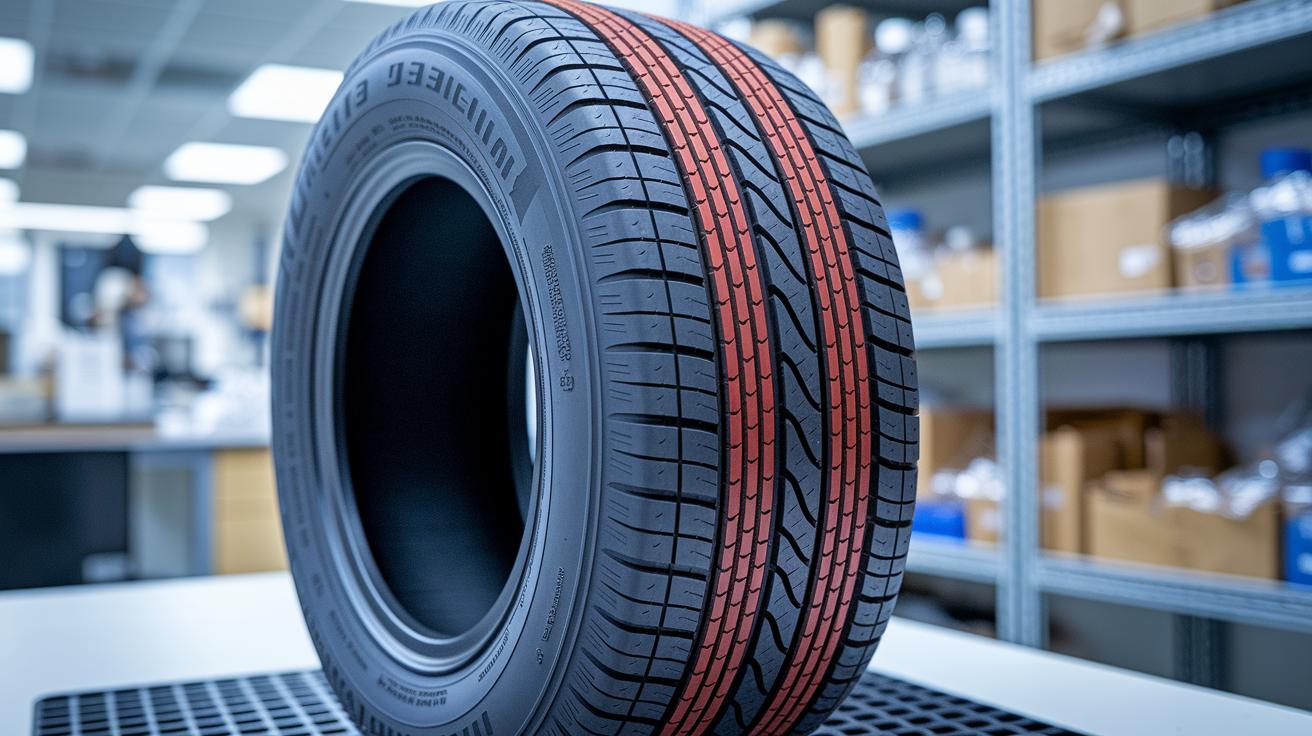
Recent studies in tire design are shaking things up. Scientists are testing tiny particles (nanomaterials) to help the rubber stick better to the road, so less energy is wasted when the tire twists. At the same time, engineers mix in special rubber boosters (polymers) that let the tire bounce back quickly, even under pressure. These tweaks make the tire last longer and work better, especially when the road changes unexpectedly. It’s like giving your tire a secret strength for tricky maneuvers.
Meanwhile, new manufacturing methods are crafting fresh tread designs. With tools like 3D printing, experts can create tiny details on the tire’s surface, making it easier to adjust the grip based on real road conditions. They even use computer models to guess how well the new materials will hold up and stick to the road. Thanks to all these smart tools, tire makers are building products that help drivers stay safe, no matter the weather or road challenges.
Final Words
In the action of exploring how tire grip works, we broke down the basics of physics, adhesion, and tread design. We looked at everything from molecular bonding in rubber compounds to how tire pressure and groove geometry boost overall safety. We also discussed testing methods, real-world case studies, and future innovations that fuel the science behind high performance tire grip.
Every insight helps you grasp how optimal tire performance can keep your drive safe and smooth. Stay confident and keep your ride rolling strong.
FAQ
What are tyre grip types?
The tyre grip types are determined by tread design, rubber compound, and contact patch dynamics. These factors work together to provide appropriate traction for wet, dry, or snowy conditions.
How can one increase or maximize tire grip?
Increasing tire grip involves ensuring proper air pressure, choosing tires with advanced tread designs, and using products like tyre grip spray, all of which help boost the contact between tire and road.
What does tyre grip mean?
The tyre grip means the friction that develops from the contact between the tire’s rubber and the road surface, allowing for safe acceleration, braking, and handling.
Does lowering tire pressure give better traction in snow?
Lowering tire pressure can sometimes increase traction in snow by enlarging the contact patch, though it may also affect handling and cause uneven tread wear if not monitored properly.
What is the relationship between safe tires and maintaining good traction on the road?
Safe tires maintain good traction by providing consistent contact with the road and using balanced compounds. This results in improved handling, braking, and overall driving safety.
Up to what speed are snap-in valves suitable for?
Snap-in valves are suitable for everyday driving speeds. They are designed for moderate use, and while effective at typical speeds, they may not provide the same precision needed at very high speeds.
What is tyre grip spray used for?
Tyre grip spray is used to clean tire surfaces and temporarily enhance traction. It helps improve the bond between the tire and the road, especially when regular wear or environmental factors reduce grip.
How do overinflated tires grip the road?
Overinflated tires tend to have a smaller contact patch, meaning less rubber touches the road, which can lead to reduced grip and uneven tire wear, affecting overall vehicle performance.
How does tire grip work?
Tire grip works by combining the friction created from a tire’s rubber compound with the road’s texture, along with precise tread designs and pressure distribution to ensure reliable traction during driving.
What is the 3% rule for tires?
The 3% rule for tires indicates that even a 3% reduction in tread depth can noticeably decrease traction, highlighting the importance of regular tire maintenance for optimal performance.

