


Ever noticed your truck might be showing signs of uneven tire wear? With six tires to keep track of, rotating them on a dual (a truck with two rear axles) isn’t as easy as it seems, but it really helps keep your ride safe and smooth.
Rotating your tires means swapping their spots so they wear evenly. Whether you go with a circular method or a one-way (directional) approach, this simple care boosts your truck’s performance.
In this guide, we’ll walk you through easy, step-by-step instructions that even a beginner can follow. It’s kind of like having a friendly chat on a sunny day at the service center. And hey, a little extra care for your tires can make a big difference, giving your truck a longer life and saving you from unexpected hassles.
Step-by-Step Dually Tire Rotation Procedures
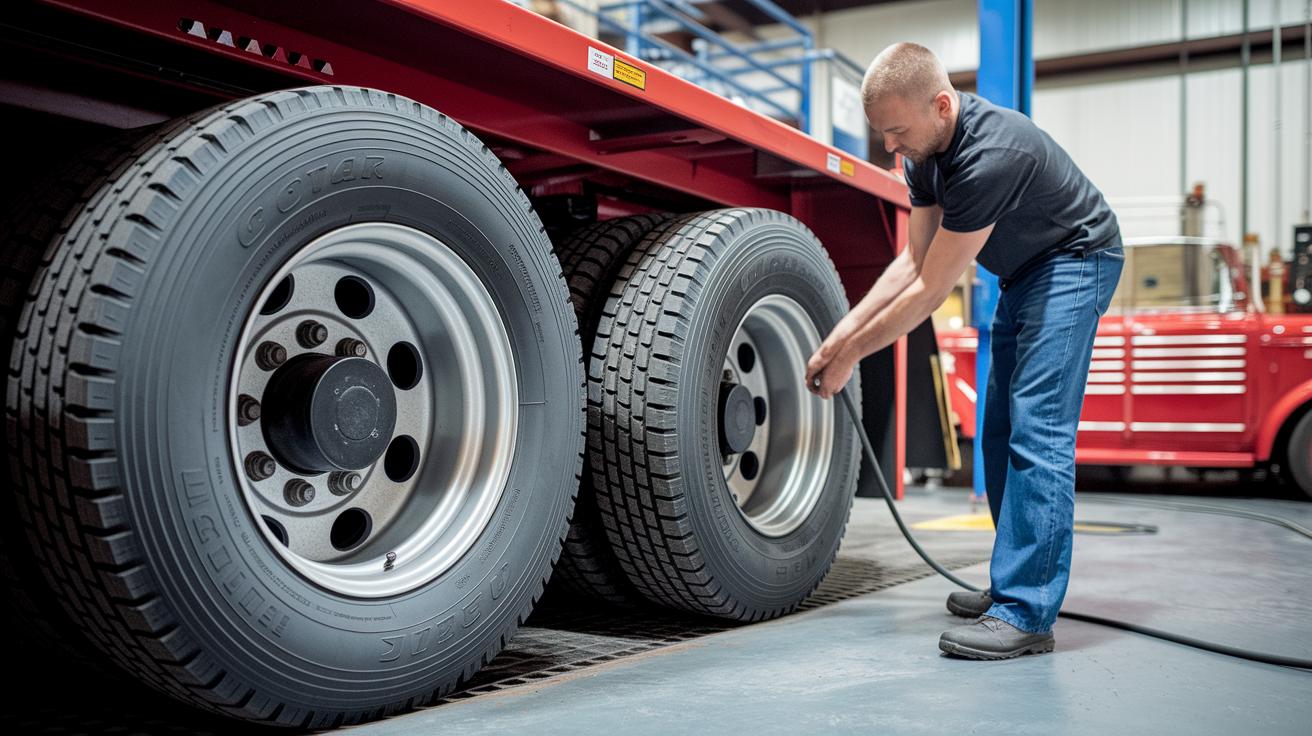
Dually trucks have six tires – two on the front and four on the back – so switching them around is a bit more challenging than with a typical four-tire car. Rotating these tires helps keep them wearing evenly. For example, inner and outer rear tires might wear differently due to heavy loads. A common method is the circular rotation. In this method, the front tires move to the outer rear spots, the outer rear tires slip to the inner rear, and then the inner rear tires come to the front without crossing sides. Imagine rearranging seats in a car to get everyone the best support. If you want more details, you can check out the circular rotation chart on the tire rotation pattern guide.
Some trucks use tires with directional treads (tires that work best when they roll in one set direction), so they need a method called directional rotation. And if your truck mixes steel and aluminum wheels, side-to-side swaps can help balance the wear on the tires. If you see one tire wearing out more quickly – like if it starts to cup – you might swap it with a tire from the opposite side that’s doing better.
Many experts say you should rotate your dually tires about every 5,000 miles. Of course, you might need to change this based on the truck’s load or what the manufacturer recommends. And don’t forget to check your tire pressure before and after the rotation because low pressure can make any tire wear out faster.
| Pattern | Best Use |
|---|---|
| Circular | Helps balance wear with a standard shift |
| Directional | Needed for tires that must roll in one direction |
| Side-to-Side | Great for trucks with both steel and aluminum wheels |
| Irregular-Wear | Fixes tires that show uneven or cupped wear |
Essential Tools and Safety Guidelines for Dually Tire Rotation
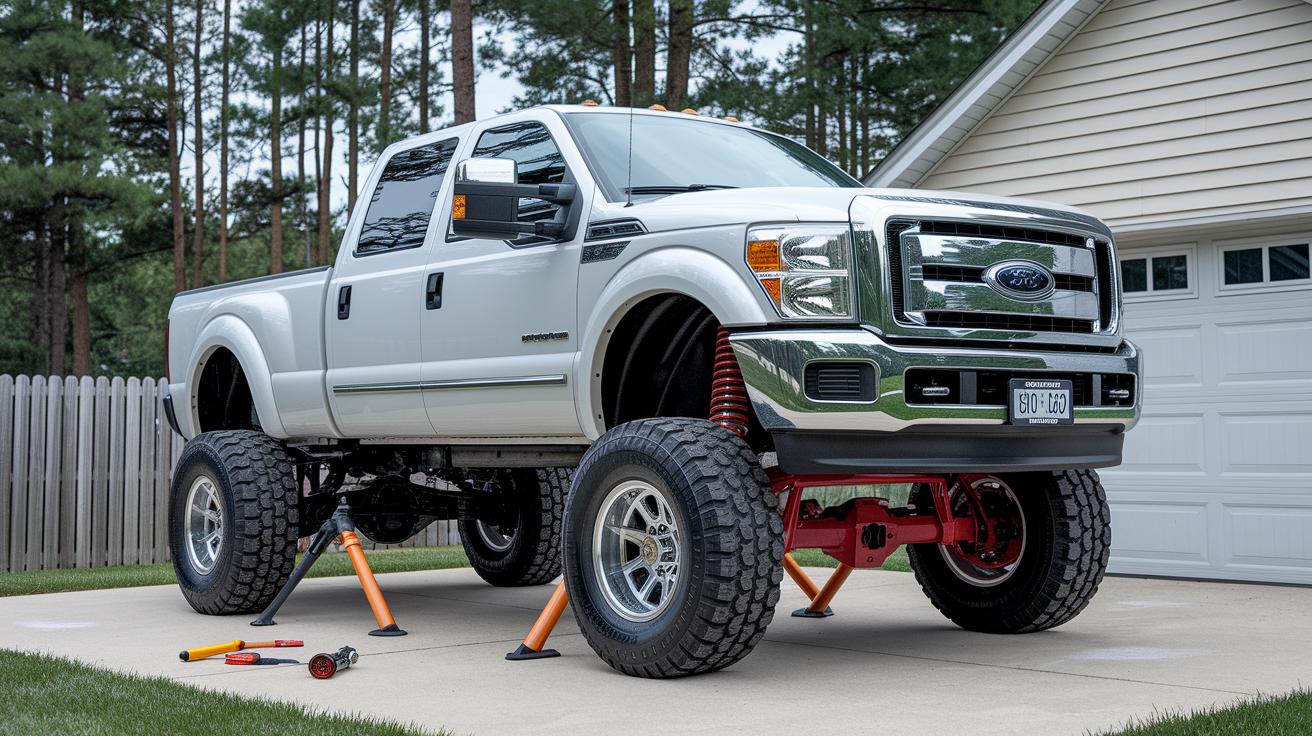
When you're working on your dual rear-wheel truck, it's important to know that rotating your tires the right way helps them wear evenly and can stop problems like rubbing, which sometimes happens when tire pressure gets too low. A good tip is to check the pressure on all your rear tires every month. It’s a small step that can save you a lot of headache later on.
You’ll need a few special tools to do the job safely. Here are the essentials:
| Tool | Why You Need It |
|---|---|
| Floor jack | To lift your heavy truck safely |
| Jack stands | For keeping the truck steady while you work |
| Lug wrench | Helps loosen and tighten the lug nuts on your wheels |
| Torque wrench | Makes sure the lug nuts are tightened exactly as the maker says |
| Wheel chocks | Used to block the wheels so the truck won’t move |
| Hub centering rings | Ensures the wheels are lined up correctly |
Now, when using jacks for your twin tire setup, keep a few safety pointers in mind:
- Put wheel chocks on the wheels that aren’t being lifted. This stops the truck from moving.
- Always work on a stable, flat surface and try not to work alone.
- When you set up the floor jack, make sure it’s under a secure lift point as outlined in your truck’s manual.
- Once your truck is lifted, set the jack stands in place before you try to take off any tires.
And here’s a friendly reminder: after you’ve rotated your tires, run a quick check on the wheel balancing and alignment. This little step helps keep your car handling smooth and can even extend the life of your tires.
Happy driving and take care on the road!
Recommended Intervals and Maintenance Schedule for Dually Tire Rotation

Most car makers suggest you swap your dually tires around every 5,000 miles. But if you’re hauling heavy loads or towing often, you might need to check more frequently. Rotating your tires helps them wear evenly, which means they last longer and your truck drives smoother.
Every month, take a moment to do a few quick checks. Look at the tire pressure on all six tires to catch any losses early. Also, give the engine belts, hoses, and brakes a once-over to catch any signs of wear. And don’t forget to inspect the cooling system to avoid any unexpected overheating.
Then, every six months, or about once a year, plan for a more thorough look. Check the exhaust system because any weird noises might hint at deeper issues. Give the suspension a proper look too since it affects how your ride feels and keeps your tires aligned. And be sure to review the entire brake assembly so everything is working as it should.
Stick to this schedule, and you’ll keep your truck handling well, riding smoothly, and your tires lasting longer. Of course, if you drive hard or pull heavy loads often, adjust the plan to suit your truck's needs.
DIY vs Professional Dually Tire Rotation Services

When it comes to taking care of your dually’s tires, you’ve got two clear options. You can handle it yourself, where you call the shots, from safely lifting your truck with a trusted floor jack to following the right rotation order. If you’ve got the tools at hand, DIY can feel very satisfying and even help you save some cash.
On the flip side, professional services bring their own set of perks. They offer the know-how and ease that comes from bundled services. Many service centers throw in extras like free flat repairs, tire rotations when possible, careful rebalancing (making sure your wheels spin evenly), and air-pressure checks. They also back their work with strong warranties, like a full road-hazard replacement guarantee. Plus, these pros take care of the extra details, such as fuel-consumption tweaks and complex rotation patterns, so your truck can stay in top shape.
While the DIY route might seem cheaper in theory, small mistakes or a missed wheel balancing can lead to extra expenses down the road. Professional shops often offer payment plans or monthly options designed for heavy-duty truck care, which can help spread out the cost and keep things manageable.
| DIY Advantages | Professional Services Advantages |
|---|---|
| Immediate action, full control, and potential savings | Expert handling, bundled warranties, and flexible payment options |
In truth, choosing between doing it yourself or hiring a pro depends on how comfortable you are with heavy-duty work. Think about whether you value full control and hands-on satisfaction more, or if the ease and reliability of expert service are worth the extra cost. Both routes have their merits, so pick the one that best fits your style and needs.
Visual Aids and Tutorials for Dually Tire Rotation
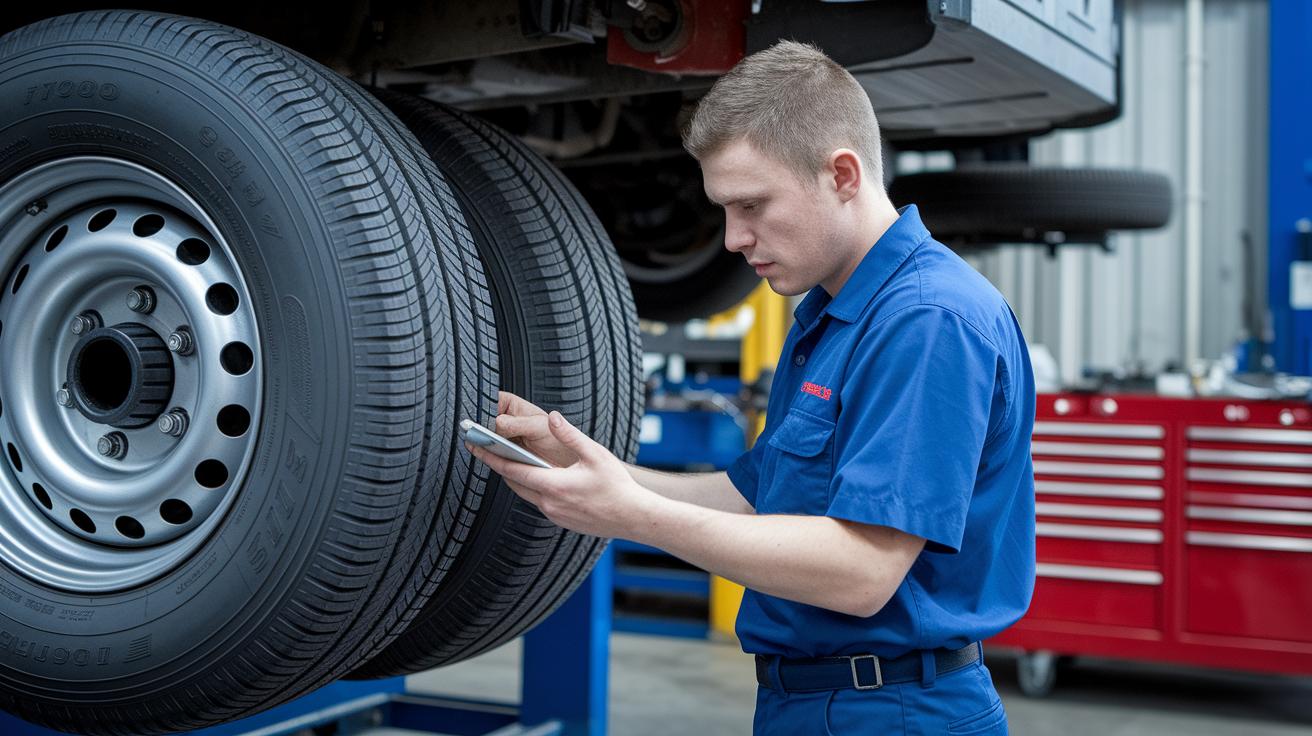
Visual aids can really help when you're working on dual axles. Simple diagrams with notes show exactly where each tire should go, especially when your truck has tires that need a specific direction (meaning they're designed to roll one way only). They clearly map out how to rotate your tires so you don’t end up with uneven wear. Sometimes, a clear diagram is all you need to feel confident about the job.
Video tutorials are another great resource. Imagine watching a video where someone lifts the truck with a jack, removes the wheels, sets up the correct pattern, and tightens them using the right torque (tightness). Seeing each step in action can really cut down on mistakes and make you feel secure about what you're doing. These videos give you a full, step-by-step guide that many DIYers and pros trust.
There are also rotation charts and diagrams that show different patterns, like circular moves or side-to-side shifts. They answer common questions about dual-axle tire care, so you're never left wondering if you did it right. These handy visuals make maintaining your tires simple, clear, and confidence-boosting.
Final Words
In the action, we walked through clear steps to tackle dually tire rotation. We touched on rotation patterns, the safety tools needed, maintenance intervals, and even compared DIY versus professional service.
This guide kept things simple so every motorist can stay safe and confident on the road. With these insights, dually tire rotation becomes a manageable task that helps extend tire life and improves performance. Enjoy smooth rides ahead and take pride in keeping your ride steady.
FAQ
How can I find reliable dually tire rotation services near me?
Finding a trusted local service for your dually tire rotation is easier than you think. Use online listings and customer reviews to locate shops experienced with heavy-duty trucks.
What is the typical cost for a dually tire rotation?
The cost often runs a bit higher than a standard rotation due to extra tires. Checking with local service centers for a precise quote is a smart move.
What rotation chart or pattern works best for dually tires?
The circular rotation pattern, which moves front tires to the outer rear, outer rear to inner rear, and inner rear to front, is widely recommended. For details, check the tire rotation pattern.
What is the correct way to rotate tires on a dually truck?
The correct method involves moving your front tires to the rear and rearranging the rear tires according to a set pattern. Always consult your manufacturer’s guide for specific steps.
How often should I rotate my dually tires, especially on a Ram 3500?
Rotating tires every 5,000 miles is common for dually setups. Following your truck manufacturer’s recommendations and checking regularly can help maintain safe, even wear.
Why do front tires on dually trucks cup?
Front tire cupping can happen from improper rotation or low tire pressure, leading to uneven wear. Regular checks and balanced rotations help stop this issue.
How do I perform manual tire rotations on a Ram dually?
Manual rotations involve using proper tools like floor jacks and lug wrenches. Follow the recommended circular rotation pattern and your truck manual for step-by-step guidance.
What insights do online communities share about dually tire rotation?
Online communities, such as reddit, share practical advice and personal experiences on dually tire rotations, including tool recommendations, common pitfalls, and tips for best performance.
What are some tire rotation patterns and their best uses?
| Pattern | Best Use |
|---|---|
| Circular | General use with even wear |
| Directional | For tires with directional tread |
| Side-to-Side | Mismatched wheel setups |
| Irregular-Wear | For tires showing uneven wear |

