


Ever wondered if your tires could do more than just roll you along? New tire monitoring tech works like a tire doctor. It checks tire pressure, how fast the tire's surface is wearing (tread wear), and even keeps an eye on the temperature, all in real time.
These smart sensors catch little issues before they become big problems. It's like having a friendly co-pilot in your car, dropping hints to help you save money and drive safely.
When this tech is on your side, keeping your tires in tip-top shape becomes as simple as checking your dashboard.
Defining Advanced Tire Wear Monitoring Technology for Performance and Safety
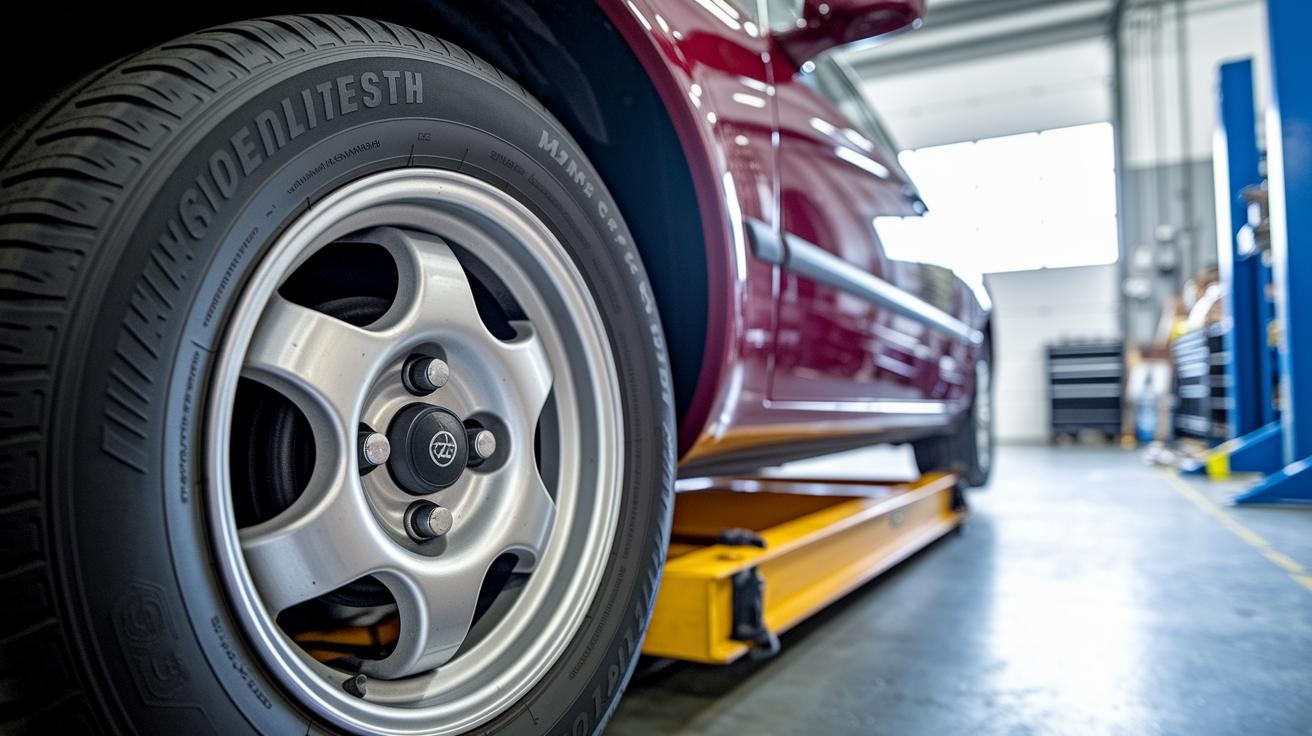
Advanced tire wear monitoring technology uses smart sensors that do much more than checking if your tires are properly inflated. These clever sensors not only track pressure but also check how quickly the tire surface wears out (tread wear), measure temperature, and even gauge the tire's stiffness (how firm or soft it is). They do a close analysis of the tire rubber, spotting small changes as they happen while you're driving. This way, any signs of low pressure, uneven wear, or other issues get noted right away, letting you know exactly when it's time for a tire check.
This tech becomes super important when you think about the rough statistics, around 11,000 tire-related crashes occur each year in the U.S. Usually, tires start to wear out in three to four years, even though many manufacturers say they can last six to ten years. With this real-time monitoring, you can spot problems before they turn into something major, keeping your ride safe and smooth.
Here's why this smart tire technology matters:
| Benefit | What It Means |
|---|---|
| Safety | It spots tire issues early, helping to lower crash risks. |
| Longevity | Continuous checks let you know when maintenance is needed, making tires last longer. |
| Fuel Savings | Keeping tires in top shape helps you save on fuel. |
| Proactive Alerts | Timely warnings give you a chance to fix problems before they get worse. |
| Data-Driven Decisions | Real-time info helps you make smart choices about tire care. |
In short, using advanced tire wear monitoring tech is like having a reliable co-pilot on every journey. It turns everyday driving into a more secure and confident experience by filling in the gaps left by older systems that only kept an eye on tire pressure. Ever notice how a smooth ride makes all the difference? This technology works just like that, keeping your drive safe and worry-free.
Core Sensor Innovations in Advanced Tire Wear Monitoring Technology
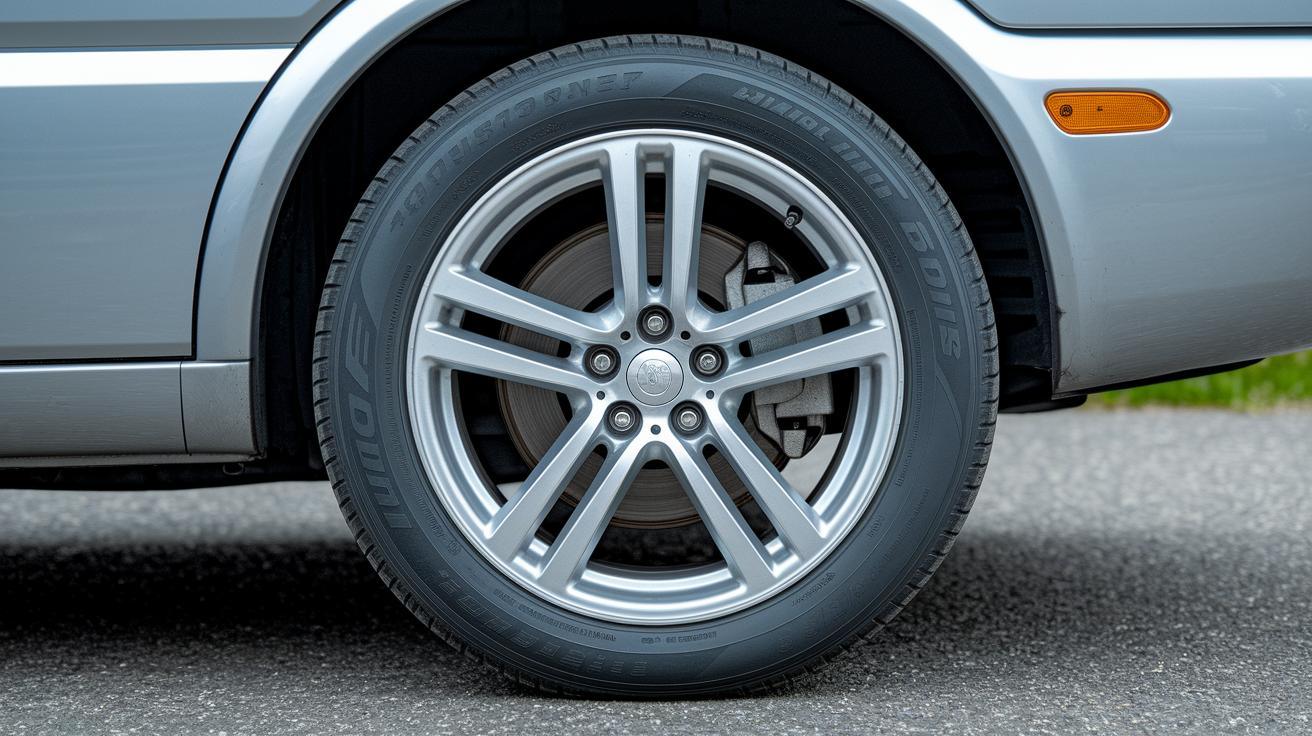
When you're cruising down the road, tiny sensors like accelerometers (devices that sense movement), ultrasound modules (which check firmness) and strain gauges (that measure stress) work together to keep an eye on how your tires behave. They measure things like tread depth, grip, and stiffness in real time, giving you instant updates on your tire’s health.
This smart setup doesn’t just check basic tire facts. It also uses gentle tests to spot small changes that might mean uneven wear or even a flat-spot. The system quietly watches the forces acting on your tires and even notices if a bulge forms before you can see any damage. In short, it gives drivers hints to look into tire care before problems get worse.
| Sensor Type | Measurement | Accuracy |
|---|---|---|
| Accelerometer | Tread depth and dynamic force | High |
| Ultrasound | Tire stiffness and grip | Moderate to High |
| Strain Gauge | Tire deformation and stress | High |
Integrating Data Analytics with Advanced Tire Wear Monitoring Technology
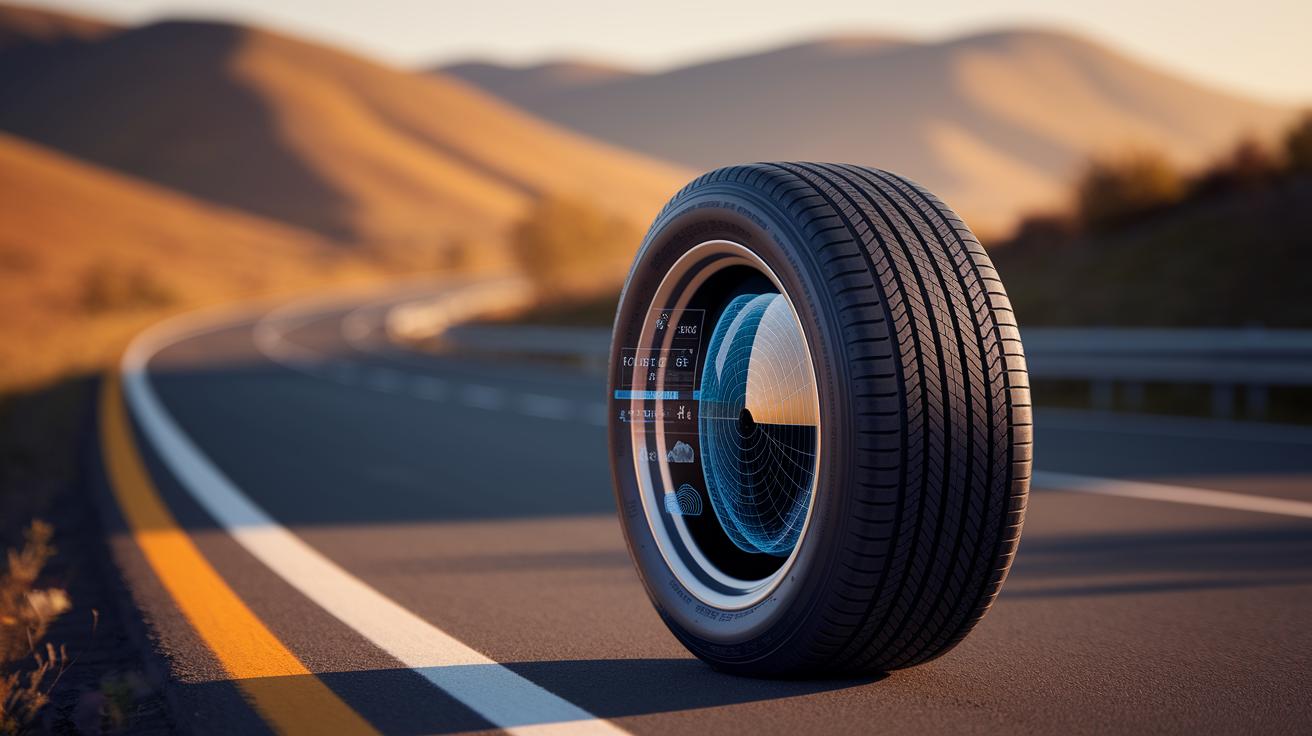
Imagine this: a system where tiny sensors in your tires send data to smart computer programs that predict when your tire’s grip might start to fade (think of it as knowing when your shoes need a new sole). This clever setup keeps an eye on your tire’s health all the time, spotting things like uneven wear on the road. It’s a bit like having a little mechanic riding along with you, always ready to flag when it’s time for a checkup.
And here’s the cool part – both big fleet managers and everyday drivers can get help from this high-tech system. Instead of relying on old-fashioned tire pressure monitors, these sensors and algorithms work together to give clear updates on how your tires are doing. Many fleet owners have seen fuel savings of 5–10% just by keeping their tires in tip-top shape. Plus, advanced dash displays give you a friendly, easy-to-read look at your tire’s status, with maintenance info right from the cloud.
This mix of sensor data and smart upkeep plans means you get tire care that thinks ahead. By turning real-time info into clear advice, the system helps you plan maintenance before troubles pop up, keeping you safe and saving money over the long haul.
| Feature | Description |
|---|---|
| Life prediction | Estimates how much tread is left using live data |
| Anomaly alerts | Warns you right away when something seems off with your tire’s behavior |
| Usage reporting | Keeps a detailed log of your tire’s condition over time |
| Cost forecasting | Gives an idea of future maintenance costs based on past data |
Evolving from TPMS: Advanced Tire Wear Monitoring vs. Traditional Monitoring
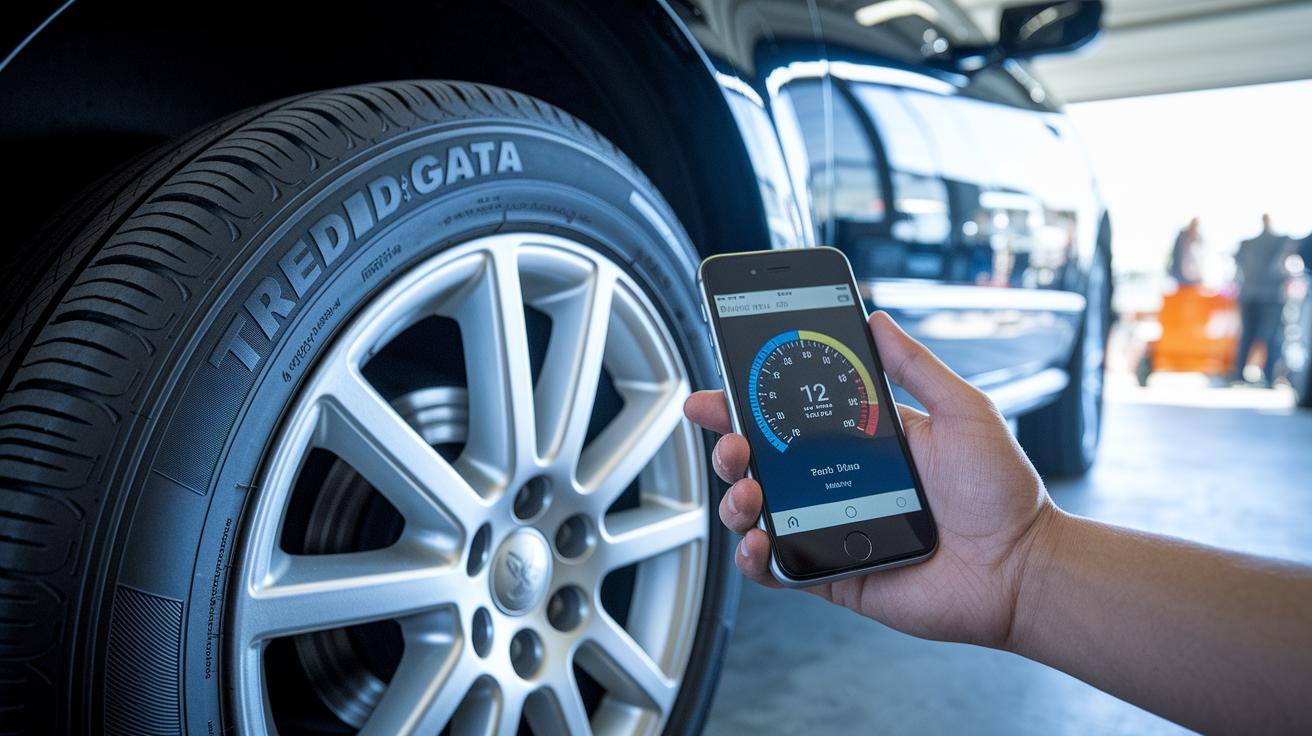
Traditional TPMS sensors alert you only when your tire pressure drops too low. You'll find them in many cars, and they usually last about 5 to 10 years before you need to change their batteries or recalibrate them. They mostly check if your tires are filled enough but don’t let you know about things like tread wear (how quickly the tire surface wears down), grip, or any uneven wear. And for electric vehicles, which have heavier battery packs and quick bursts of power, this basic check can miss extra wear.
On the other hand, advanced tire wear monitoring systems bring a whole new level of care. They use modern road sensors to give you live updates on key details like how deep your tread is and how well your tires grip the road. This goes far beyond just pressure checks. With these systems, you get a steady stream of data that lets you take care of your tires before a small problem turns into a big one. They even predict issues, so you’re warned well in advance, helping keep your drive both smooth and safe.
| Feature | Traditional TPMS | Advanced Monitoring |
|---|---|---|
| Metrics Tracked | Checks only tire pressure | Monitors tread wear (how fast the tire wears down), grip, and uneven wear |
| Data Delivery | Gives periodic alerts about low pressure | Provides live updates with constant sensor feedback |
| Predictive Capability | Reacts only after pressure drops | Uses real-time data to forecast issues before they get serious |
Safety and Performance Advantages of Advanced Tire Wear Monitoring Technology
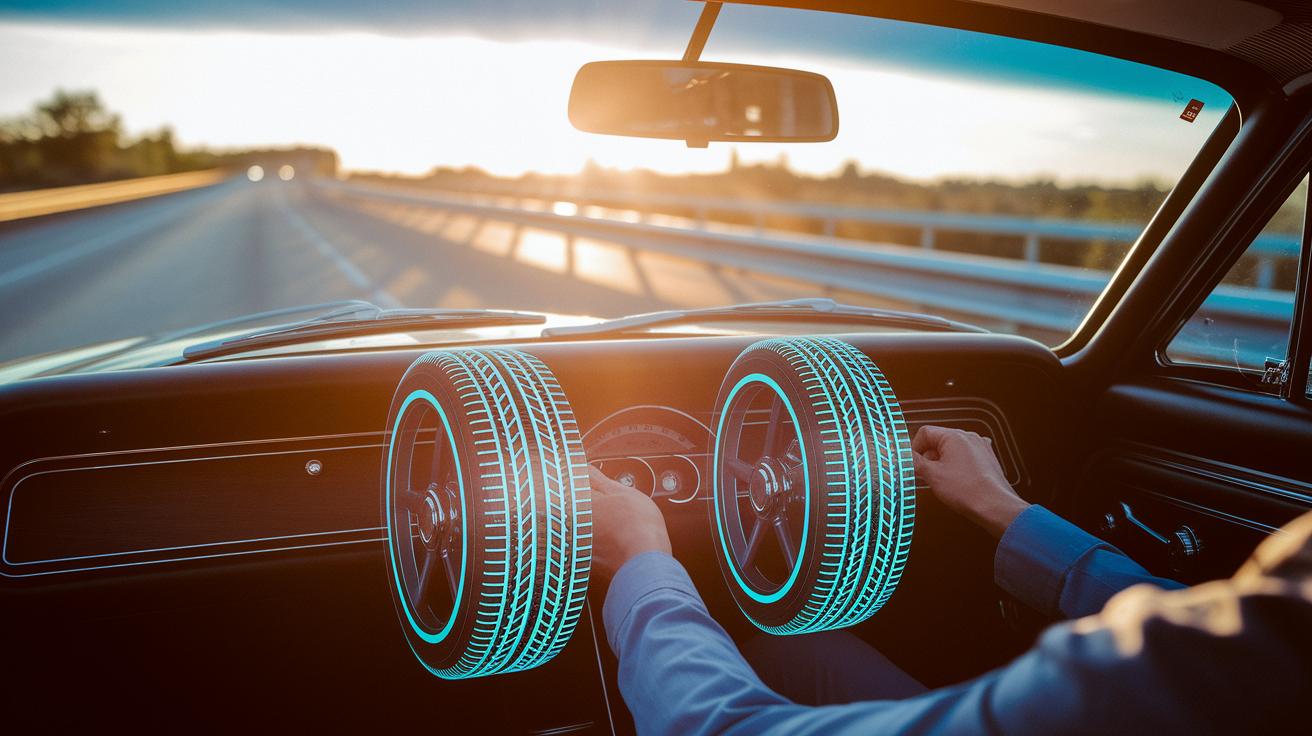
This new tire wear monitoring system is like a friendly co-pilot for your ride. It checks your tires early on to spot uneven wear before it becomes a big problem. With this system, your tires get the steady grip they need, which means your car can stop faster and handle wet roads with more confidence.
When your tires interact with the road, this smart system keeps an eye on how they age. It uses simple insights about how your tires grip and wear so you can plan repairs before any serious issues, like unexpected blowouts, show up. It’s a bit like having a check engine light, but for tire wear.
The system also smooths out your driving experience by lowering vibrations and cut-down on noisy rides. Ever notice how a smooth ride makes all the difference? With less vibration and noise, not only does your car feel more comfortable, but your tires also last longer.
Plus, getting tiny alerts about tire wear can actually help your car run better overall. Quick fixes can boost fuel efficiency and keep your car safe. After all, taking care of small issues now means avoiding bigger problems later.
- Faster braking and quicker stops
- Lower chance of hydroplaning on rainy days
- Reduced vibration and noise during your drive
- Improved fuel efficiency by keeping the tires at the perfect pressure
- Early alerts that help you fix small issues before they turn into hazards
| Pressure Level | Efficiency Loss |
|---|---|
| 75% recommended | 2–3% |
| 50% recommended | 5–10% |
Case Studies Showcasing Advanced Tire Wear Monitoring Technology in Action
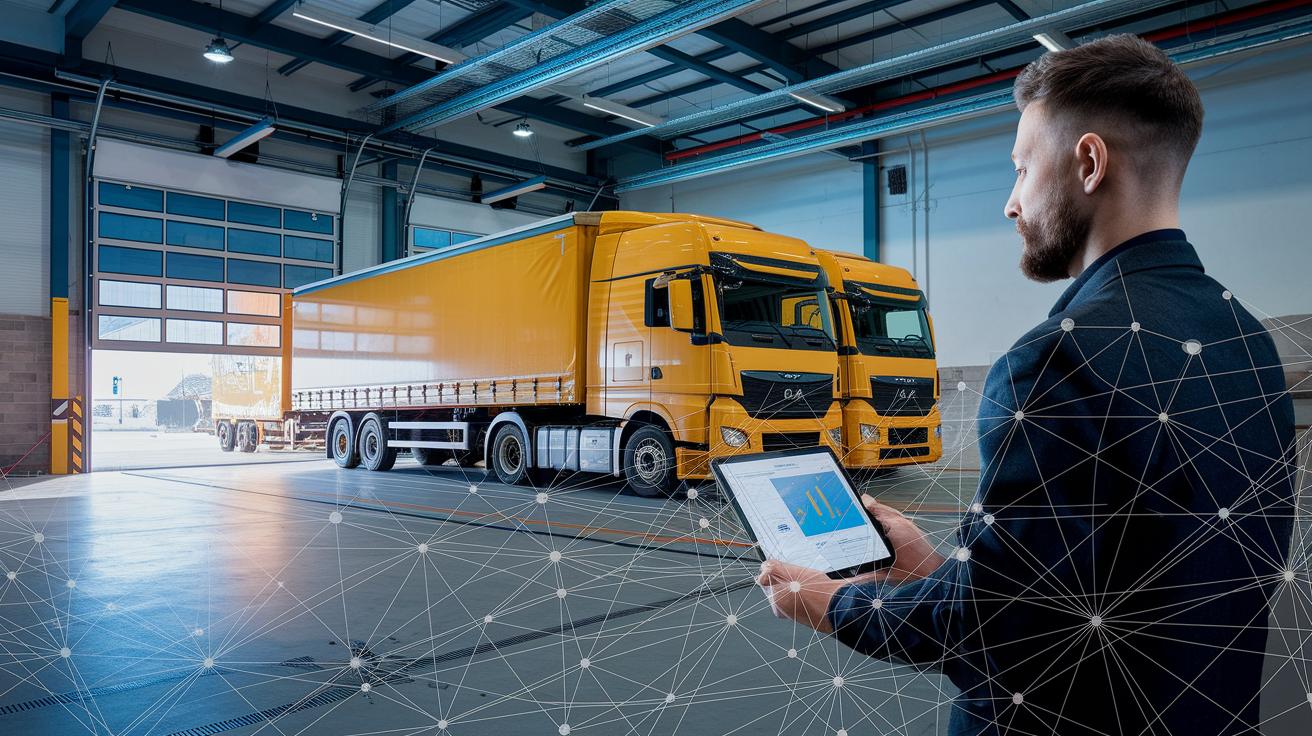
Advanced tire wear monitoring technology is really changing the way vehicles are cared for. It gathers live data to help spot how and where tires wear down, whether it's because of a certain vehicle or even the road's nature. For instance, companies like Tactile Mobility use these insights to fine-tune tire use. This means that commercial fleets often see fewer breakdowns and even save between 5% and 10% on fuel, a win for everyone on the road.
Fleet Integration Insights
Fleet managers are loving these systems because they make keeping up with tire care a breeze. With regular updates on how each tire is doing, drivers and service teams can quickly sort out problems like uneven tire wear (where the tire surface starts to wear out unevenly) or early signs that a tire is wearing out. This steady flow of information helps plan maintenance smartly and keeps the fleet moving without too many hiccups.
EV Winter Testing Findings
When it comes to winter driving, the benefits become even clearer. At events like the MEMA Annual Conference 2025 and the Japan Mobility Show 2025, data showed that electric vehicles, often under more strain because of extra weight and quick bursts of power, did better on snowy or icy roads. Real-time insights helped boost performance by up to 15% in these harsh conditions. It’s a neat example of how accurate monitoring and mapping can really up your winter driving game.
- Real-time monitoring keeps tire care on track.
- Fleet systems help cut down on downtime and save up to 10% on fuel.
- Accurate wear data helps plan maintenance smartly.
- Tests in winter conditions show up to 15% improvement in performance.
Future Directions in Advanced Tire Wear Monitoring Technology
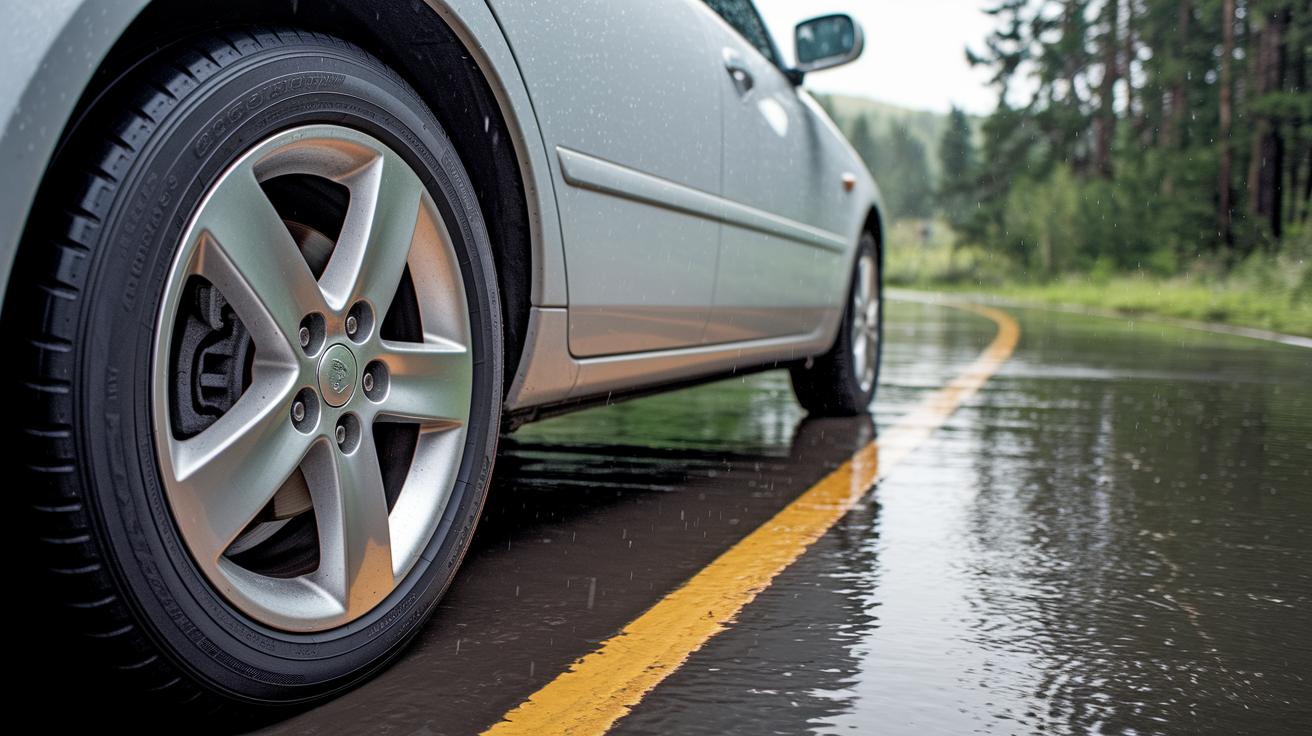
Advanced tire wear monitoring is gearing up for a big change by leaning on machine learning (computers that learn from patterns in data). Picture sensors that use smart AI (a kind of computer intelligence that learns from experience) to warn you about tire wear before it starts affecting your ride. These sensors take in live data and adjust to road conditions, like a steady drive on a wet path, giving you timely alerts about the health of your tires. And soon, satellite telemetry (using satellites to help measure data) might join the team, extending the sensor range and boosting accuracy even when roads get tricky.
At the same time, cloud-based tools are making it easier to turn raw sensor data into clear, easy-to-follow advice. This means you can get a quick heads-up for proactive tire care without any hassle. The focus is shifting to developing sensors that don’t break the bank, so you can add smart monitoring to tires already on the road. By putting sensor reliability and cost-effectiveness first, these next-generation systems are paving the way for a safer and smoother ride.
Final Words
In the action, advanced tire wear monitoring technology shows how smart sensors and real-time data help keep your tires safe and performing at their best. The post covered how embedded devices track tread wear, compare modern systems to TPMS, and use data analytics for proactive care.
Every step, from quality tire selection to expert maintenance, builds safety and confidence on the road. Embracing advanced tire wear monitoring technology means smoother rides and a safer drive for all.
FAQ
What does advanced tire wear monitoring technology cost?
Advanced tire wear monitoring technology cost varies based on sensor types and installation needs. It combines hardware with smart tire technology, offering real-time data that can help reduce maintenance expenses over time.
How does a commercial truck tire pressure monitoring system work?
The commercial truck tire pressure monitoring system uses built-in sensors to track tire pressure. It sends alerts when pressures are off, helping maintain safe driving conditions and improve fuel economy.
What is a tire tread depth sensor?
A tire tread depth sensor measures the remaining tread (the rubber pattern that contacts the road). It provides live feedback, letting you know when it’s time for a tire change to keep your vehicle safe.
What is the function of the Sensata tire mounted sensor?
The Sensata tire mounted sensor tracks your tire’s performance by checking tread depth and temperature. It sends live data, helping you keep tabs on your tire’s overall condition.
How does a tire sensor help maintain my tires?
A tire sensor continuously monitors key metrics like pressure, temperature, and wear. It delivers real-time alerts, allowing you to address issues quickly and keep your tires in good shape.
How does the Sensata BLE TPMS work for tire monitoring?
The Sensata BLE TPMS uses Bluetooth technology to send tire data to your receiver. It checks pressure and temperature, helping you spot potential tire issues before they affect your safety.
What is the latest technology for tires?
The latest tire technology integrates smart tire technology with embedded sensors. This system tracks pressure, tread wear, and temperature in real time, offering better data for proactive maintenance and improved safety.
How many miles is a tire with a 700 treadwear rating good for?
A tire with a 700 treadwear rating is usually expected to last tens of thousands of miles. Actual mileage depends on driving habits, tire maintenance, and road conditions.
Why does my car display a tire monitoring system message?
Your car shows a tire monitoring system message to alert you when tire conditions like pressure or tread wear change. This warning helps you address potential issues and maintain safe driving.
Is the penny test for tires accurate?
The penny test provides a quick check of tire tread depth. While it gives a basic idea of tire wear, it is less precise than a professional measurement method.

