


Have you ever wondered why today’s performance tires feel so different? They use special silica mixes (a natural additive that helps the tire perform better) and have unique tread shapes that grip the road and push water aside quickly.
This is like getting a little boost in every part of the tire, which makes sharp turns feel smoother. In this post, we’re taking a closer look at how these clever design choices keep you safe and give you a steady ride, especially when every second matters.
So, let’s hit the road and see what makes these tire trends so exciting.
Key Advances Shaping Latest Trends in High Performance Tire Design

Today's high-performance tire designs are breaking new ground, delivering smooth handling, solid braking, and accurate steering. These tires even boast an impressive 4.8 out of 5 rating, thanks to clever engineering and quality materials that help you feel secure when driving fast.
Modern tires often use silica-enhanced rubber compounds (a mix that boosts wet grip and stays flexible in cold weather). Not only do these compounds improve performance, but they also work with new nano-technology that strengthens the tire (making them tougher and more resistant to tearing). Think of it like a tiny gear in a well-tuned machine, every little part makes a big difference in how long the tire lasts.
Another cool innovation is the asymmetrical tread design. On these tires, the outer blocks are bigger to improve grip in sharp turns, while inner grooves quickly move water away to cut the risk of hydroplaning. And with reinforced, stiffer sidewalls, the tire stays firm during fast and dynamic maneuvers, which is essential when every moment counts on the track.
Current adhesion tests make sure each tire can handle intense, demanding conditions. Plus, new noise reduction methods, using special tread designs along with dampening compounds, mean you enjoy excellent performance without sacrificing cabin comfort.
- Maximum control during high-speed maneuvers
- Superior wet grip thanks to advanced compounds
- Optimized tread designs that boost cornering and clear away water
All these advances pave the way for the next generation of performance tires, evolving constantly to meet the high demands of both everyday drivers and performance enthusiasts alike.
Material Breakthroughs in Rubber Compound Innovation for High Performance Tires

High performance tires are benefiting from exciting new rubber compounds. New silica-rich mixes reduce energy loss (rolling resistance) by 5% while still holding a firm grip on wet roads. This means less energy waste and a greener ride without losing traction.
Nano-silica particles act like tiny reinforcers, boosting a tire's ability to resist tears and wear. In fact, tests have shown that tires with these enhanced particles can withstand tough, long-lasting conditions better than ever. Check out more details on Advanced Tire Compound Technology.
At the same time, new polymer crosslinking methods create a more even curing process, which can boost durability by up to 12%. These next-generation techniques carefully control temperature cycles to make sure tires perform consistently, even when they’re really pushed. It’s a win for everyday drivers and performance enthusiasts alike, helping improve fuel efficiency and extend tire life.
All these breakthroughs are making tires more responsive, efficient, and longer lasting. With improved grip and reliable handling, high performance tires are truly entering a new era in the automotive world.
Innovative Tread Pattern Evolution in Latest High Performance Tire Design

Modern tire designs are changing the game. They leave old, uneven patterns behind to give more road contact and let water escape quickly. Tire makers for electric vehicles have even used shallower grooves (meaning the tire’s surface is less deep) to boost grip and cut down on road noise. In one test, cars with the new 2025 Vezda UHP MAX+ had about a 15% drop in noise.
Kenda’s Vezda UHP Summer now uses a block shape that has been drift-tested, meaning it handles up to 10% better in wet weather compared to older styles. And the 2025 Vezda UHP MAX+ goes further with long grooves and small cuts on the side (called lateral siping) to give a firmer grip, made especially for electric cars.
| Model | Handling Improvement | Noise Reduction |
|---|---|---|
| Vezda UHP Summer | Up to 10% | Not specified |
| Vezda UHP MAX+ | Measured improvement | 15% decrease |
Structural Innovations in Sidewall Reinforcement for High Performance Tire Design
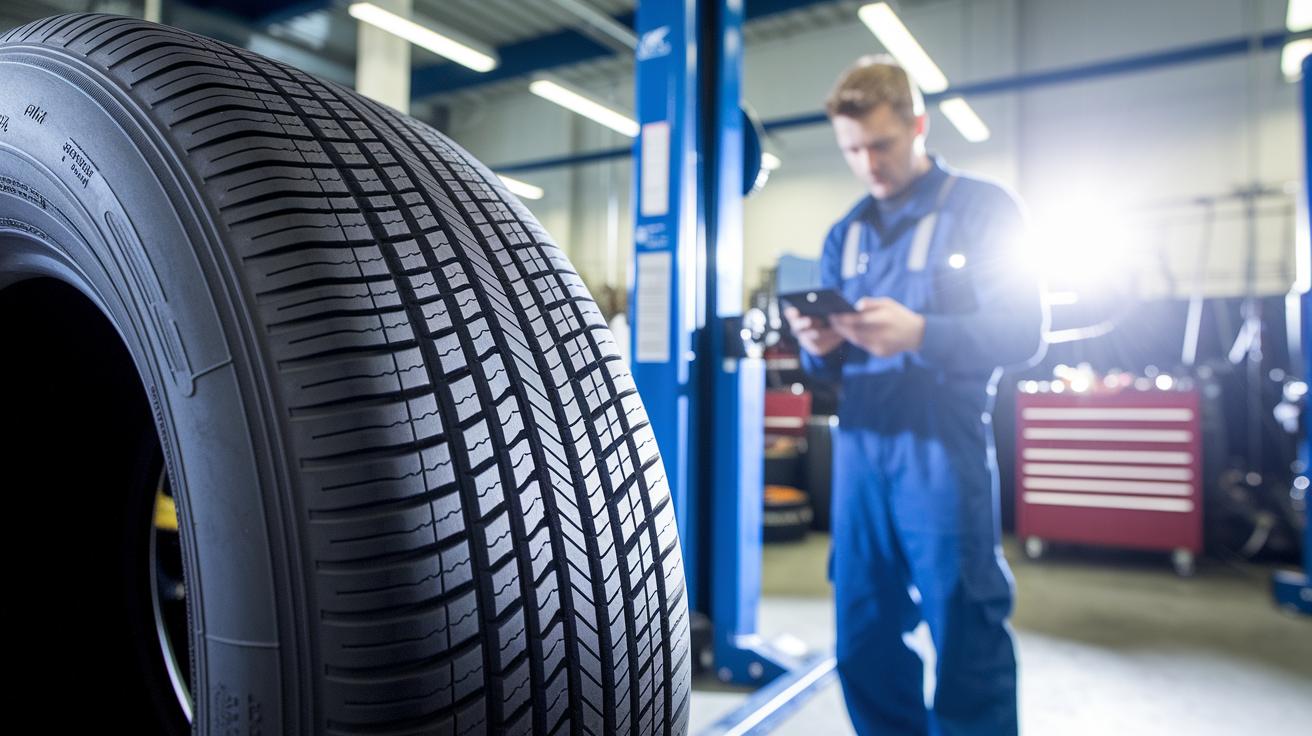
New sidewall designs are making a big difference for tires. They use materials like aramid (a strong synthetic fiber) and zinc-plated steel belts that help keep the tire firm when you’re driving fast. It’s kind of like giving your tire a strong frame so it stays steady even on tight turns.
Ultra-light polymer beads and special bead fillers lower the tire’s spinning weight by about 8%. This makes the tire feel more lively and quick, almost like removing extra weight from a bike for a faster, smoother ride.
A multi-layer design with different stiffness levels spreads the load evenly, which helps when you’re rounding corners. Imagine your tire working like a well-tuned suspension system that reacts calmly to every twist. Plus, extra layers that absorb energy keep the ride steady over bumps and rough patches.
These smart sidewall features, combined with lightweight and tough materials, give you a tire that offers sharp steering, steady handling, and lasting durability for high-performance driving.
Advanced Digital Simulation and Smart Manufacturing Integration in High Performance Tire Design

Engineers are now using computer simulations to design tires that perform better and last longer. They work with tools that do a kind of stress test on the tire (that is, they see how it handles pressure and strain) to make sure the design is just right for different road conditions. They also use digital twin methods, which means they create a virtual copy of a tire to check its behavior before building a real one. This clever trick cuts down the time needed to perfect a tire by almost a third. For more details on how this digital approach sharpens the design, check out High Performance Tire Technology Explained.
Smart factory machines are changing how tires are made too. Modern production uses methods like adding layers of material one at a time and using special tools to shape them just right. This process lowers the chance of errors by about 15%, which means each tire is more dependable. Wireless sensors keep an eye on tire wear (the gradual loss on the tire's surface) and send real-time updates if something changes. With ongoing data checks, every tire gets a little better than the last.
These fresh ideas speed up the design process and make every tire more consistent. With computer simulations, engineers can predict what a tire will do with a lot of accuracy, and smart manufacturing uses automation to get every tiny detail right. This new way of making tires not only boosts productivity but also makes tires safer and more fun to drive, whether you’re a regular driver or a racing fan.
Future Outlook: Sustainable and Adaptive Technologies in High Performance Tire Design
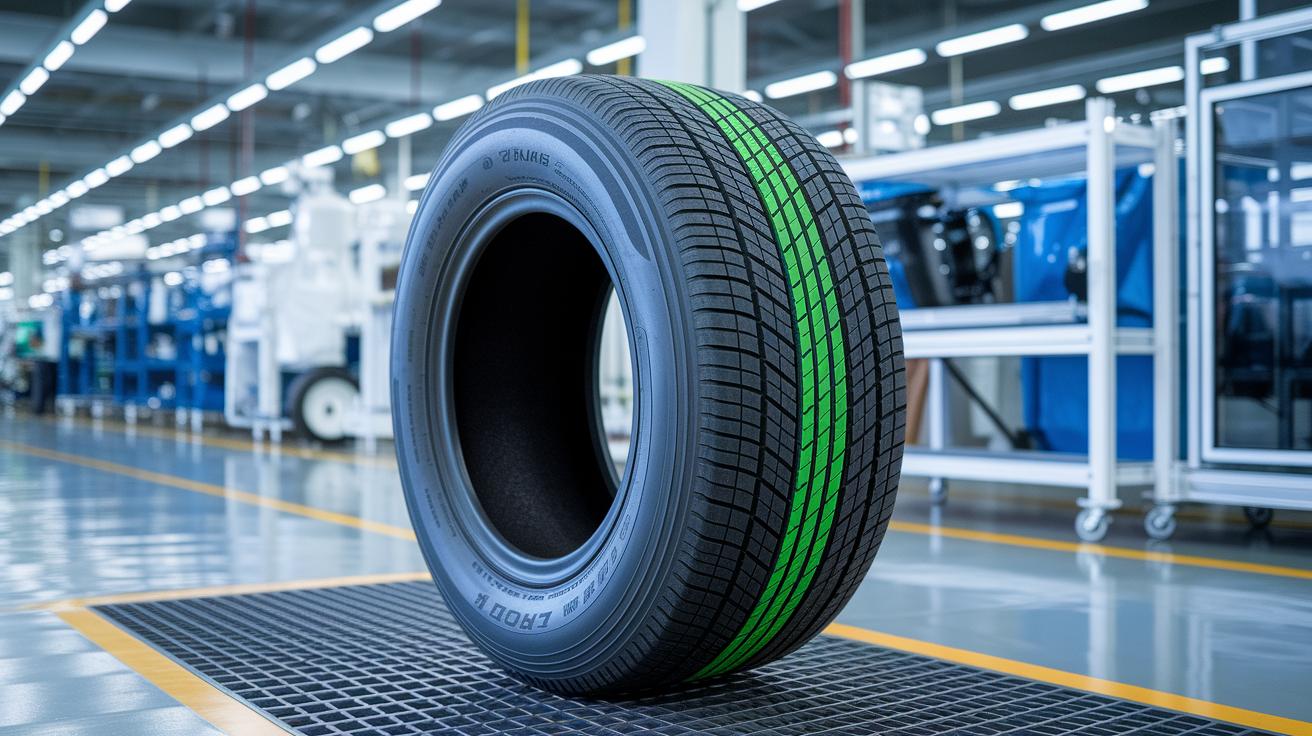
You know, manufacturers are using oils from plants and recycled rubber to create tires that help cut down on waste. This approach reduces the tire carbon footprint by 20%, making sure the way tires are made is friendlier to our planet. It’s a smart move that not only lowers emissions but also supports greener manufacturing practices everyday drivers can appreciate.
Additive manufacturing is really shaking up the industry. It helps lower the amount of scrap produced and allows tire makers to design treads that adjust their stiffness as temperatures change. Imagine a tire that tweaks its grip on the road like a smart assistant, matching your drive conditions perfectly. With new sensor systems, each tire can now react in real time to the road, boosting both safety and performance.
Engineers are also rethinking how tires are built on the inside. They’re working on designs that make tires lighter without losing strength or performance. Experts even predict a 15% yearly growth for these sustainable high-performance tires through 2028, pointing to a promising road ahead for mobility innovations.
In the end, these adaptive designs mix environmental care with top-notch performance, setting the stage for tires that are as smart as they are sustainable.
Final Words
In the action, we reviewed key ideas shaping tire design, from new tread patterns and tougher rubber mixes to bolstered sidewalls and digital simulation methods. We saw how smart manufacturing and eco-friendly upgrades pave the way for safer, smoother rides. Each breakthrough pushes tire performance and reliability forward. These insights on the latest trends in high performance tire design give a clear view into the future of auto safety and efficiency. Keep moving ahead with confidence and a smile.
FAQ
What is the latest technology for tires?
The latest technology for tires incorporates digital simulation and smart manufacturing that cuts prototype cycles, plus nano-silica reinforcement for better grip and noise reduction, offering improved wet performance and precise handling.
What are the best high performance tires and what makes a tire high performance?
The best high performance tires use silica-rich compounds for wet grip, asymmetrical tread patterns for quick water evacuation, and reinforced sidewalls that boost steering precision. Their smart design delivers solid performance and safety.
What is the future of the tire industry?
The future of the tire industry points to sustainable production techniques, bio-based materials to lower carbon footprints, and sensor-enabled treads that adjust on the fly, all while using smart automation to boost quality.

