


Have you ever felt your car shake on the road with no obvious reason? It might be because your tires aren’t rotated the right way. When tires don’t get rotated properly, they wear unevenly and make your ride feel a bit shaky.
A lot of drivers miss how a simple mistake, like using the wrong rotation pattern or skipping proper wheel balancing (making sure the tire's weight is spread out evenly), can lead to higher fuel use and a less safe drive.
In this guide, we share a few easy safety tips that help you avoid these tire rotation errors. With these tips, your car will handle better, run for a longer time, and keep you safer on every trip.
How to Identify and Correct Common Tire Rotation Mistakes
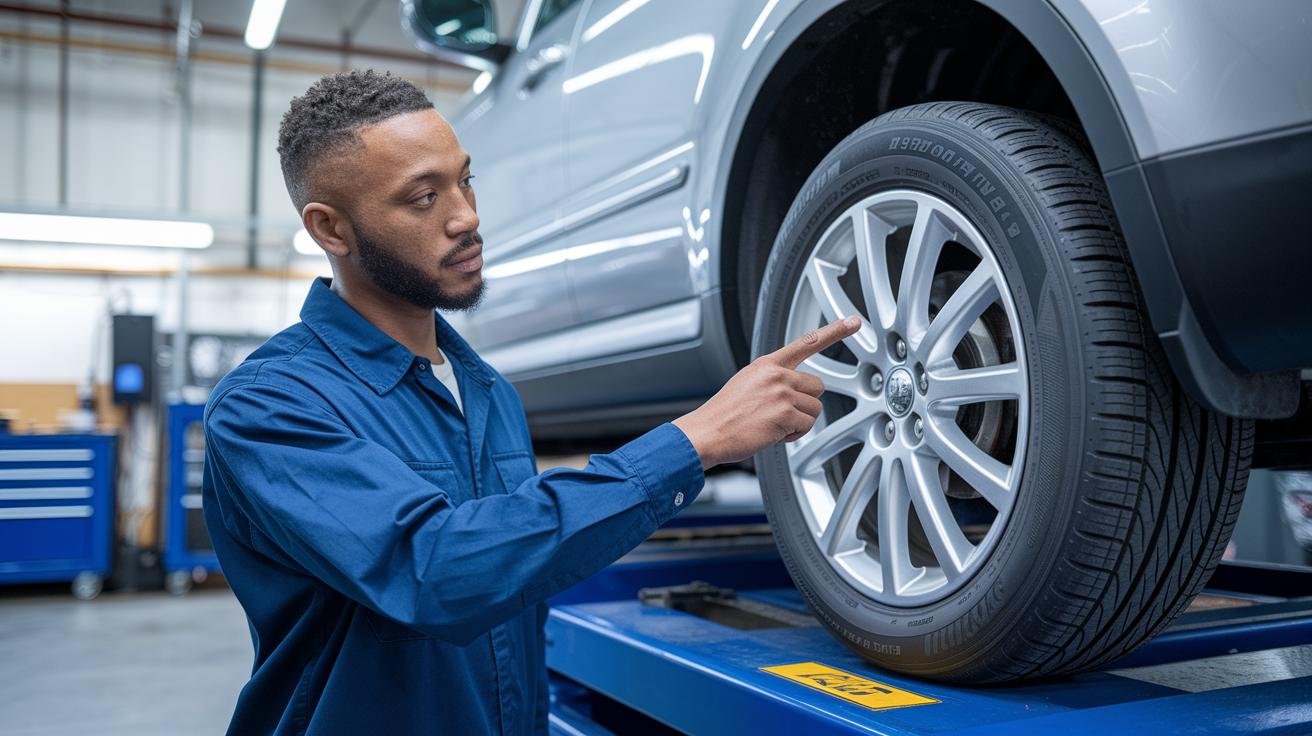
When your tires aren’t rotated the right way, they can wear out unevenly. This can make your car handle badly, use more fuel, and even be unsafe. A big mistake is using the wrong rotation pattern for your type of drive. For front-wheel-drive cars, experts often suggest a forward-cross or X-pattern. Using a different pattern might cause one side to wear faster than the other.
For rear-wheel-drive cars, a rearward-cross pattern works best. If you swap the tires incorrectly – especially when tire sizes don't match exactly – you might end up with balance and alignment problems. It's like having a wobbly wheel when you drive, which makes your ride shaky and uncomfortable.
Not balancing the wheels after rotating them is another common error. Without proper balancing, you might feel vibrations in your car because the tires aren’t making even contact with the road. Think of it like trying to steer a bike with a loose spoke. It just doesn’t work smoothly.
Sometimes, the rotation mistakes are mixed up with alignment problems. If your car starts pulling to one side, it might need not only an alignment check but also a look at how the tires were rotated. Check the tread wear bars, and if they are low in some spots, it’s a clear sign to check your tire rotation patterns too.
So, here’s a quick plan: start by checking your car’s manual – most manufacturers recommend rotating your tires about every 5,000 miles. Then, make tire rotations a regular part of your car maintenance, like checking your oil before a trip. And finally, always use the proper rotation pattern for your drive type. Following these steps keeps your tires lasting longer and your ride safe and smooth.
Misplacement Pitfalls in Tire Rotation for Different Drive Types
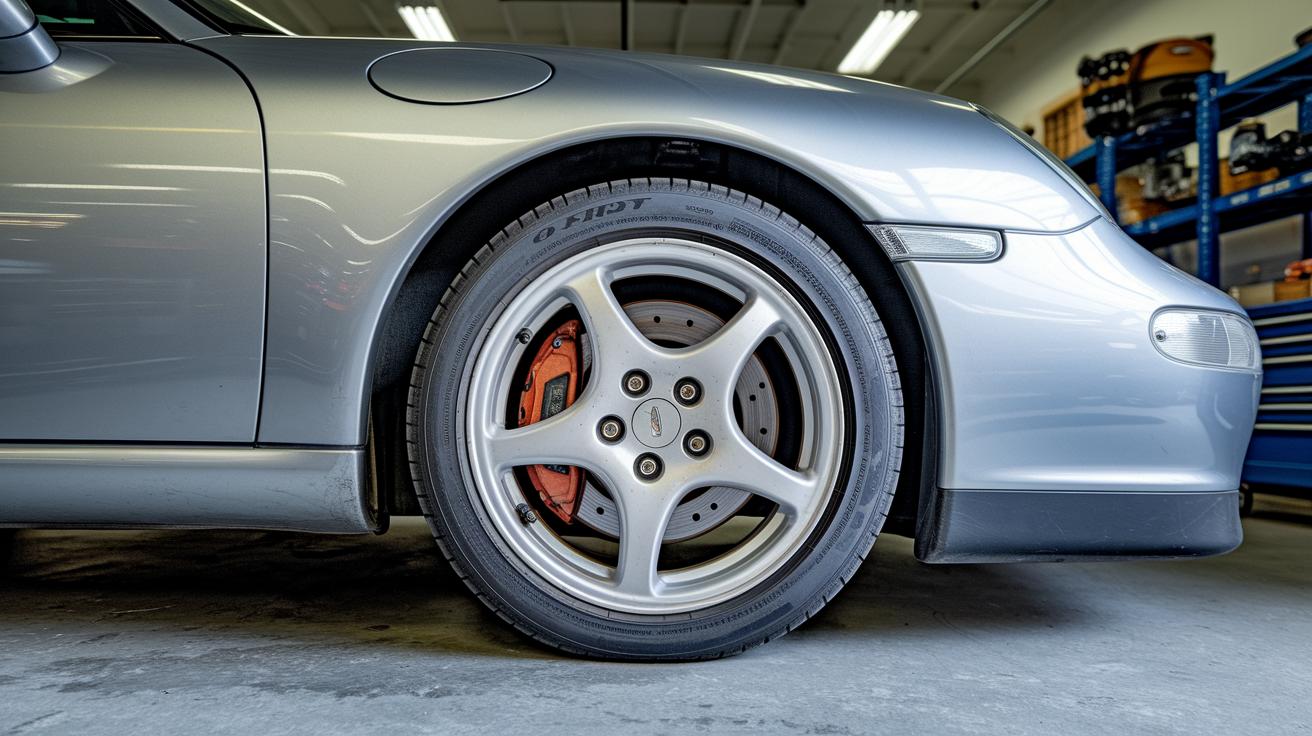
When you mix up tire rotation, it can cause the tires to wear down unevenly and mess up their alignment. For front-wheel drive cars, you usually swap the tires using a forward-cross or X pattern. Just imagine: a tiny mistake might cause one tire to wear out faster than the rest. Always stick to the tire rotation plan recommended by the maker, check out the suggested pattern here: tire rotation pattern.
For rear-wheel drive vehicles, a rearward-cross swap is needed. And if your tires are a bit off the usual size, be extra careful because using the wrong method can throw off your balance and alignment (how the tires line up).
With all-wheel-drive cars, you’ll find that each model has its own swap order based on how power is shared among the wheels. For cars with staggered wheels, where the rear tires are wider, simply swap them from one side to the other. This keeps each axle set up with the right-sized tires, so you stay safe and steady on the road.
Neglected Balancing and Alignment Mistakes in Tire Rotation
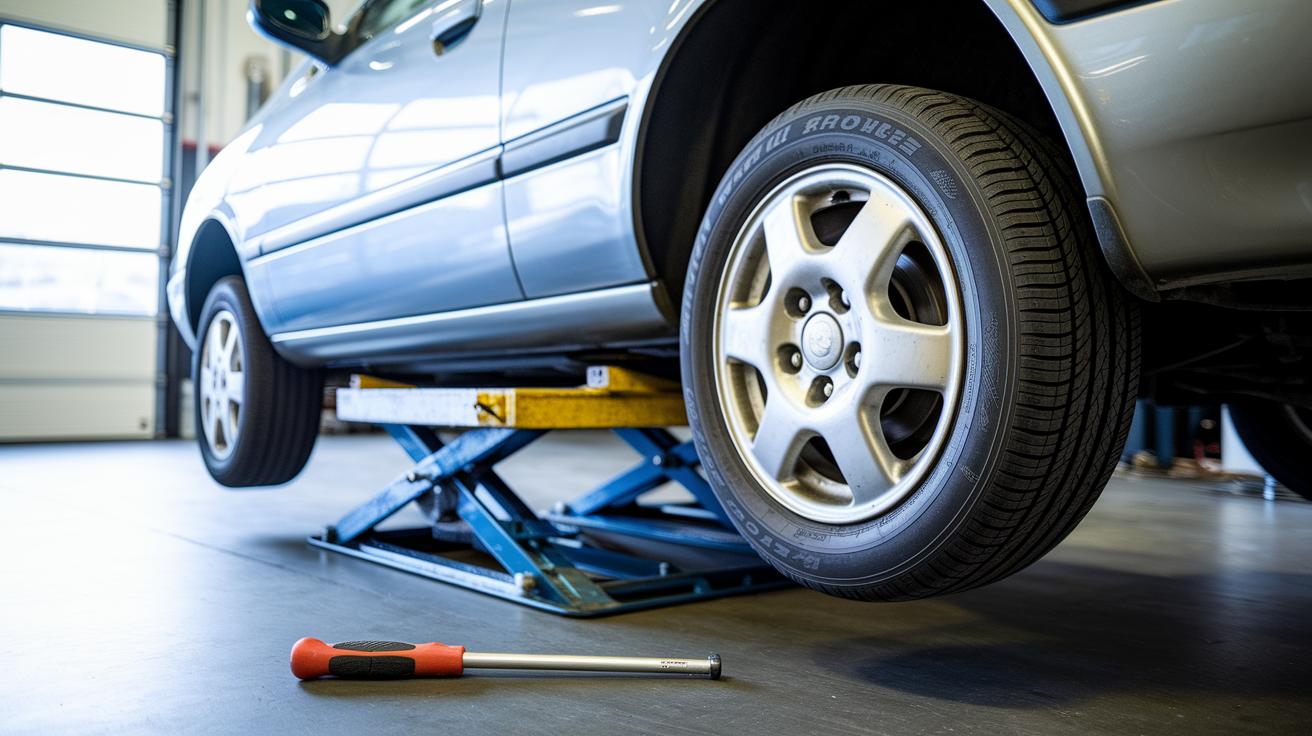
Skipping wheel balancing can make your ride feel bumpy and cause your tires to wear out unevenly. Over time, this can shorten the life of your tires and even hurt your car's suspension, leading to higher repair bills. Keeping your wheels balanced with the right tools, a jack, jack stands, and a lug wrench, helps your car stay smooth and safe. It’s a good idea to check the balance every time you rotate your tires or follow the steps in the "tire rotation and balance" guide at tityres.com.
If your car starts pulling to one side, it usually means the tires are misaligned. That misalignment can lead to uneven wear and possible safety issues down the road. Getting an alignment check as soon as you notice a pull can save you extra repair costs and the need for premature tire replacement. Often, skilled technicians will handle both the rotation and balancing together to keep your car running at its best.
Flawed Tire Rotation Sequences That Cause Uneven Wear

A minor error in tire sequence can cost hundreds in extra maintenance fees, kind of like a tiny misstep turning into a big delay on a road trip. When you use the wrong rotation pattern, say, doing a front-wheel drive routine on a rear-wheel drive car, it can mix up tire sizes and lead to extra wearing. This messes with the tire design that the car needs.
It can get even trickier with some car setups. For example, using cross-pattern methods on vehicles with staggered tire sizes or all-wheel drive can leave your tires wearing unevenly. And skipping those key maintenance checks might let these issues slip through until a costly repair is needed.
Common mistakes include using a front-drive rotation on a rear-wheel drive car, which tends to wear out the rear tires faster, or applying a cross-pattern on cars built with different tire sizes. These errors end up fighting against your car’s design, meaning your tires might give out sooner than expected.
Maintenance Scheduling Mistakes in Tire Rotation

Skipping your tire rotations is a mistake we see all too often. When you neglect to rotate your tires every 5,000 miles (or as your vehicle’s manual suggests), the tires on one axle tend to wear out faster than the others. This uneven wear can lead to decreased fuel efficiency and less stable handling, which isn’t safe for you or your car.
Using a car maintenance checklist can really help you stay on top of these tasks. Think of it like setting a reminder for your oil change, you never miss a service milestone, and you avoid spending extra on premature tire replacement. Sure, one missed rotation might not seem like a big deal at first, but over time it can cause an imbalance that needs much bigger, costlier fixes.
Adding tire rotations to your routine is a smart safety tip. By keeping up with tire care, you're protecting your investment and ensuring your ride stays steady and secure. So why not mark each service interval on your checklist and enjoy a smoother, safer drive?
Final Words
In the action, this post covered how to spot and fix common tire rotation mistakes that can lead to uneven wear. It touched on proper rotation patterns for each drive type, the need to balance and align tires correctly, and how regular scheduling helps prevent errors. The advice here gives you a clear guide to keeping your tires performing safely and efficiently. Enjoy the ride with renewed confidence and peace of mind on every road.
FAQ
Q: What are common tire rotation mistakes?
A: The common tire rotation mistakes include using the wrong pattern for your vehicle, skipping wheel balancing or alignment checks, and not following manufacturer guidelines. These errors lead to uneven tread wear and increased maintenance costs.
Q: What happens if tire rotation is wrong?
A: The wrong tire rotation causes uneven tread wear, vibrations, and possible alignment issues. This means your car may pull to one side and use more fuel, which can raise overall maintenance expenses.
Q: How to recalibrate tires after rotation?
A: The process to recalibrate tires after rotation means having a technician check and adjust wheel balancing and alignment. This step guarantees even wear and smooth handling on the road.
Q: What’s the best tire rotation pattern?
A: The best tire rotation pattern changes with your drive type. For front-wheel-drive, a forward-cross or X-pattern works well, while rear-wheel-drive often needs a rearward-cross swap. See details on the tire rotation pattern guide.

