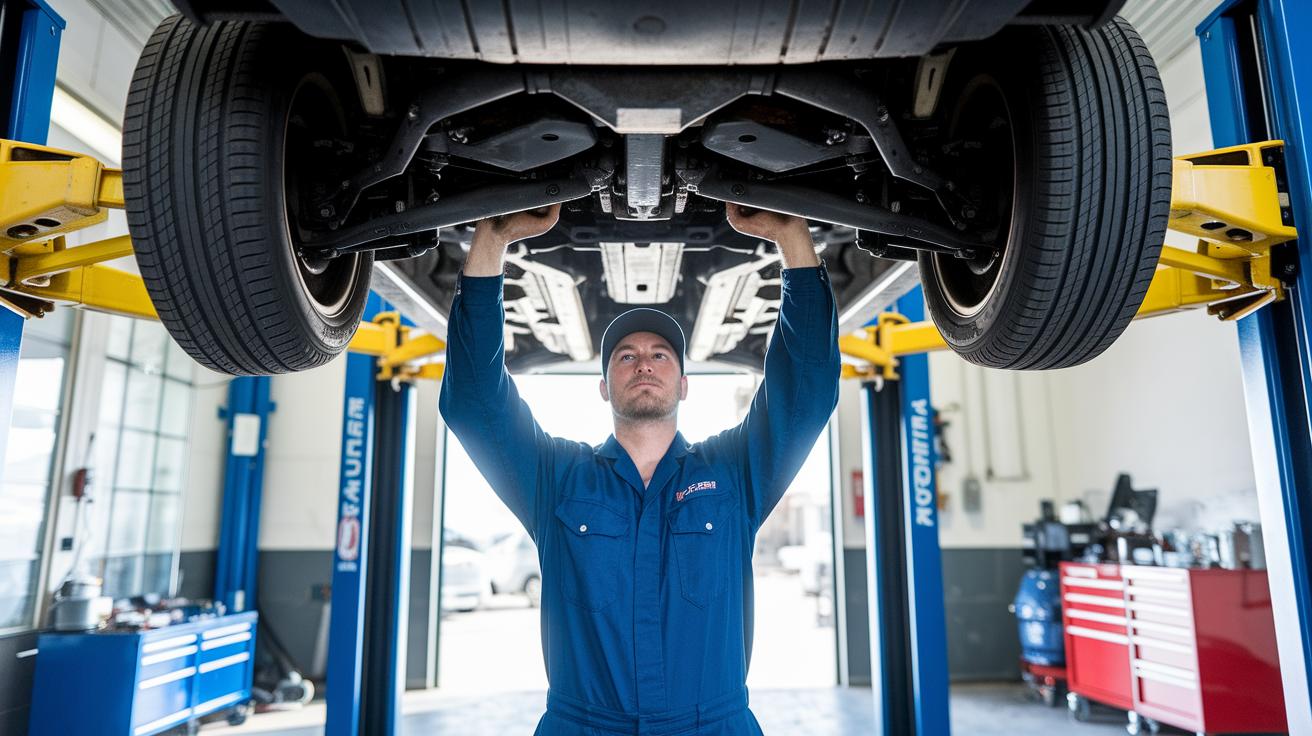


Ever wonder if switching your tires can keep your drive safer and cut down on trips to the repair shop? Tire rotation is a simple trick where you swap the positions of your tires (this helps them wear evenly, meaning each tire shares the work). When you change their spots, every tire gets a fair turn at handling the road, kind of like friends sharing the effort on a long drive.
This little step not only boosts your safety but also helps your tires last longer. It’s like enjoying the steady hum of a well-tuned engine on a beautiful, clear day.
Essential Tire Rotation Tips for Even Wear
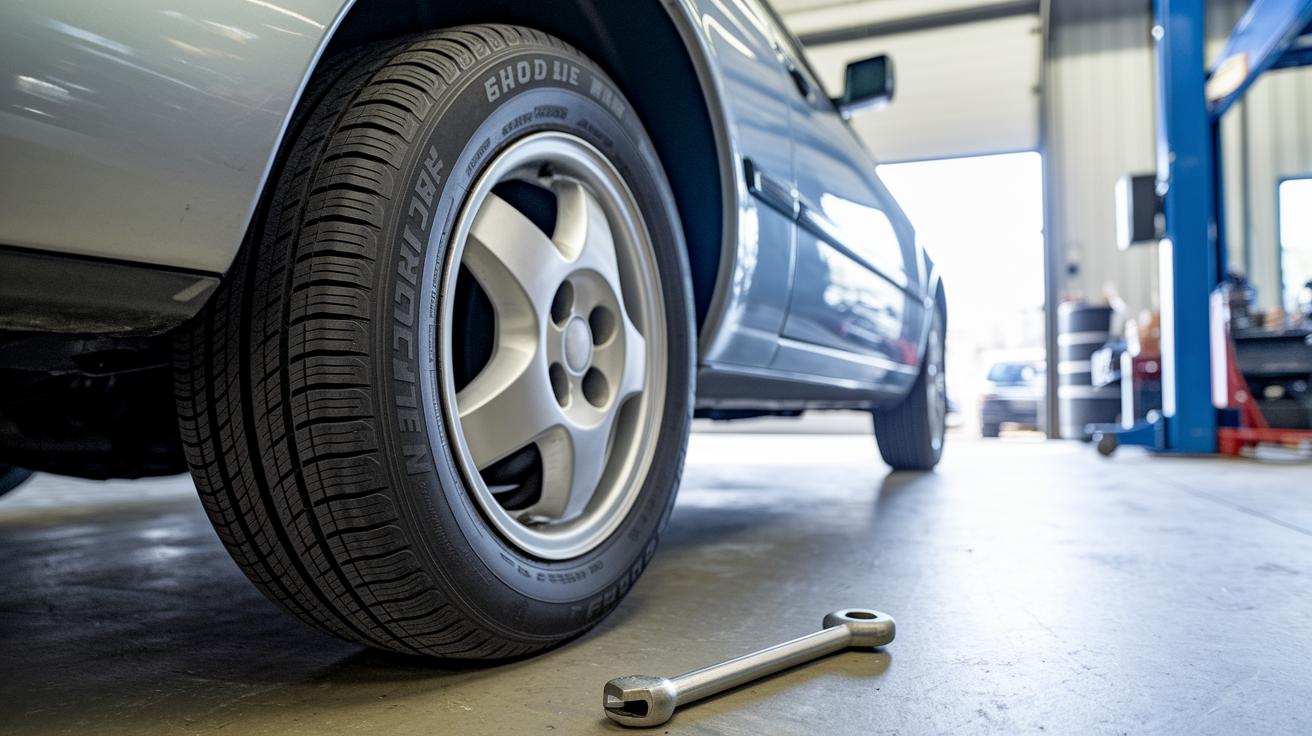
Tire rotation is simply swapping your tires so each one faces a similar amount of road wear. Front tires often wear out quicker because they handle more of the steering, braking, and acceleration work. Funny enough, many drivers don’t realize that the front tires carry most of the stress, almost like a marathon runner’s shoe that takes the most pounding. Doing this little switch can boost your safety and help your tires last up to 25% longer, ensuring you always get a firm grip on the road.
Keeping your tires evenly worn is super important for smooth and balanced driving. When all your tires wear down evenly, your steering stays true and your car doesn’t pull one way or the other, just like keeping a seesaw balanced. Evenly worn tires handle bumps and curves better, letting you enjoy that soft purr of a well-tuned engine along with extra stability during braking and turning.
It’s a good idea to add tire rotation to your regular car check-ups, just like you check your oil or tire pressure before a trip. Try these four simple steps: first, check each tire’s pressure (think of it as checking your fuel gauge); then look for any unusual wear patterns; follow your car’s recommended rotation schedule; and finally, book your service as part of your regular tune-up. Plan ahead and your tires will always be ready for the road.
Tire Rotation Patterns and Wheel Swapping Techniques

Picking the right tire rotation pattern really helps your tires perform better on the road. Every type of drive needs its own simple way of moving the tires around so they wear evenly. It’s a bit like switching up players in a baseball lineup, each tire gets its turn to share the work.
If your car is front-wheel drive, try a forward cross pattern where the front tires move to the back on opposite sides. For rear-wheel drive cars, it works best when the back tires move over to the front on the opposite sides. And if you have an all-wheel-drive car, the X-pattern, where every tire swaps diagonally, keeps the balance just right.
High-Performance Rotation Advice
When you’re driving a high-performance car or using special directional tires (tires made to work best when rotated in one direction), the normal full rotation might not be the best idea. Instead, a simple side-to-side swap is a smarter choice. This means you just switch the front tires with each other and do the same with the back tires. It gives every tire a fair share of the road while keeping that special grip intact. This trick works especially well if your car has different sized front and rear tires.
| Pattern | Drive Type | Swap Method |
|---|---|---|
| Forward Cross | FWD | Front tires go to opposite rear spots |
| Rearward Cross | RWD | Rear tires move to opposite front positions |
| X-Pattern | AWD/4WD | All tires swap diagonally |
At the end of the day, your car’s drive setup and tire style decide which rotation method works best. Standard patterns spread the wear evenly to keep your ride smooth. But if you’ve got a performance machine, the side-to-side swap keeps its unique grip and balance just right, making for a smoother, safer drive.
Recommended Tire Rotation Intervals and Maintenance Schedule

If your car runs on front- or rear-wheel drive, try to rotate your tires every 5,000 to 7,500 miles. If you drive an all-wheel-drive car, aim for every 3,000 to 5,000 miles since the wear is different. Your owner’s manual will have the exact numbers for your ride. Keeping a mileage log or just jotting down the date each time you rotate acts like a car care diary, making sure every tire shares the load.
It's a bit like checking your oil, you want to ride on tires that have been cared for. You can also look online for tips, like those in detailed rotation guides that break it down by drive type and use.
A neat trick is to set calendar reminders or link tire rotations with your oil changes. This way, you won’t miss an important check-up. By making tire rotation a regular part of your maintenance routine, your tires wear evenly and your car stays balanced. Over time, this steady routine saves you money and gives you a smoother ride every time you hit the road.
DIY Tire Rotation Safety and Tool Recommendations

Before you start turning your tires, make sure your workspace is safe and steady. Use a proper jack, whether it's a scissor or hydraulic jack, and place it exactly under the spot suggested in your car’s manual. Don’t forget to block the wheels with chocks so the car doesn’t roll, and put on gloves and safety glasses for extra protection. These simple tips help keep you safe and avoid any unwanted slips.
For a smooth tire rotation, you’ll need the right tools. Grab a lug wrench or a socket set along with a torque wrench set to your car’s standards (usually around 80 to 100 ft-lb, which is the force needed to tighten the lug nuts just right). An accurate tire pressure gauge is also key to making sure every tire hits that recommended pressure, which is usually about 32 to 35 PSI as shown on your vehicle’s sticker. Think of this as a quick checkup for your tires, much like the regular maintenance you do for your car.
Before you start loosening any lug nuts, take a moment for a few checks. Look closely at your rims for any damage or extra wear that might hurt performance. Then, use a valve core tool (this tool helps keep the air just right) and double-check the pressure in each tire. By following these steps, you can help your tires perform their best and keep your ride smooth on every road.
Troubleshooting Tire Rotation: Identifying and Fixing Issues

After a tire rotation, you might notice uneven wear patterns like cupping (small dips in the tread) or feathering (edges wearing down) on your tires. That’s a sign that something isn’t quite right with the alignment (how the tires line up with the road) or even your suspension parts. Even a tiny bend in the rim could be a clue that you need to get it checked. For instance, if you see a slight cupping pattern, it might mean your tire isn’t making full contact with the road.
Start by doing a few simple checks. First, measure your tire pressure to be sure it's at the recommended PSI. Then, look to see if your car pulls to one side consistently, kind of like noticing a seesaw tipping unevenly. These small tests can point you toward a misalignment issue or something off with the suspension.
Fixing these issues is all about taking care of your car before things get worse. Get a professional to adjust any alignment problems and repair or replace any worn suspension parts. This ensures your tires stay in good contact with the road, which means a safer and smoother drive.
How Tire Rotation Enhances Performance and Longevity

Rotating your tires on a regular basis helps them wear evenly and can even boost your fuel efficiency by around 3%. When your tires share the work evenly, your engine doesn’t have to strain as much, which means you could see a little saving every time you fill up.
Switching your tires also cuts down on the extra noise and vibrations you might feel on rough roads. It’s like enjoying a smoother, quieter drive where you can really relax and enjoy the ride.
Plus, sticking to a routine rotation can extend your tires’ life by about 20-25%, so you won’t have to replace them as often. Pairing this with other basic car care tips keeps everything running smoothly and saves you money in the long run.
Final Words
In the action of keeping your ride safe, we explored how tire rotation spreads wear evenly and keeps your wheels balanced. We touched on why front tires wear out sooner, practical patterns for swapping, and setting up a regular preventive care routine.
By using reliable tire rotation tips and following clear safety checks, you can boost tire performance and extend tread life. These straightforward steps help build a smoother, safer ride every time you hit the road.
FAQ
What tire rotation tips and resources can help me get started?
The tire rotation tips offer guidance like using a rotation chart, following online community advice, and applying at-home checks to keep wear even across all tires.
How should I rotate tires on a 4×4 vehicle?
The tire rotation pattern for 4×4 vehicles usually follows an X-pattern, meaning each tire swaps diagonally to promote even wear all around.
What is the correct tire rotation direction?
The tire rotation direction means shifting tires according to the proper pattern, often requiring a side-to-side swap for high-performance or directional tires to maintain balanced wear.
Is tire rotation necessary?
The tire rotation is necessary because rotating helps distribute wear evenly, extends tread life, and keeps your ride stable while saving you money on repairs.
What is the proper method to rotate my tires?
The proper method involves following your vehicle’s guidelines, moving tires from the front to the rear and vice versa, and adjusting for any tire-specific care instructions.
What does the 3% rule for tires mean?
The 3% rule for tires suggests that if tread wear differs by more than 3% between tires, it may signal uneven wear, indicating the need for an alignment check or a review of your rotation pattern.
What common tire rotation mistakes should I avoid?
The tire rotation mistakes to avoid include missing rotation intervals, using the wrong swapping patterns, forgetting to check tire pressure, and improperly tightening lug nuts.
What rules should I follow for proper tire rotation?
The tire rotation rules are to adhere to your owner’s manual, use the recommended rotation pattern for your drive type, check tire pressures before and after, and tighten lug nuts in a star pattern.

