


Ever thought about a tire that never goes flat? It might sound too good to be true, but imagine a tire that holds up your car without any air at all.
Instead of using air, these tires use a smart design with tough materials (think of it like a clever inner framework) that supports your car’s weight. This means fewer worries about pumping air into your tires.
They’re built to give you a smooth ride even on bumpy roads. And you know what’s cool? They can help lessen the shake you feel when you hit the brakes.
In short, this new way of making car tires might just give you a ride that’s both steady and hassle-free. Ever noticed how a smooth ride makes your day a bit brighter?
Airless Tires for Cars: How They Work and Core Benefits
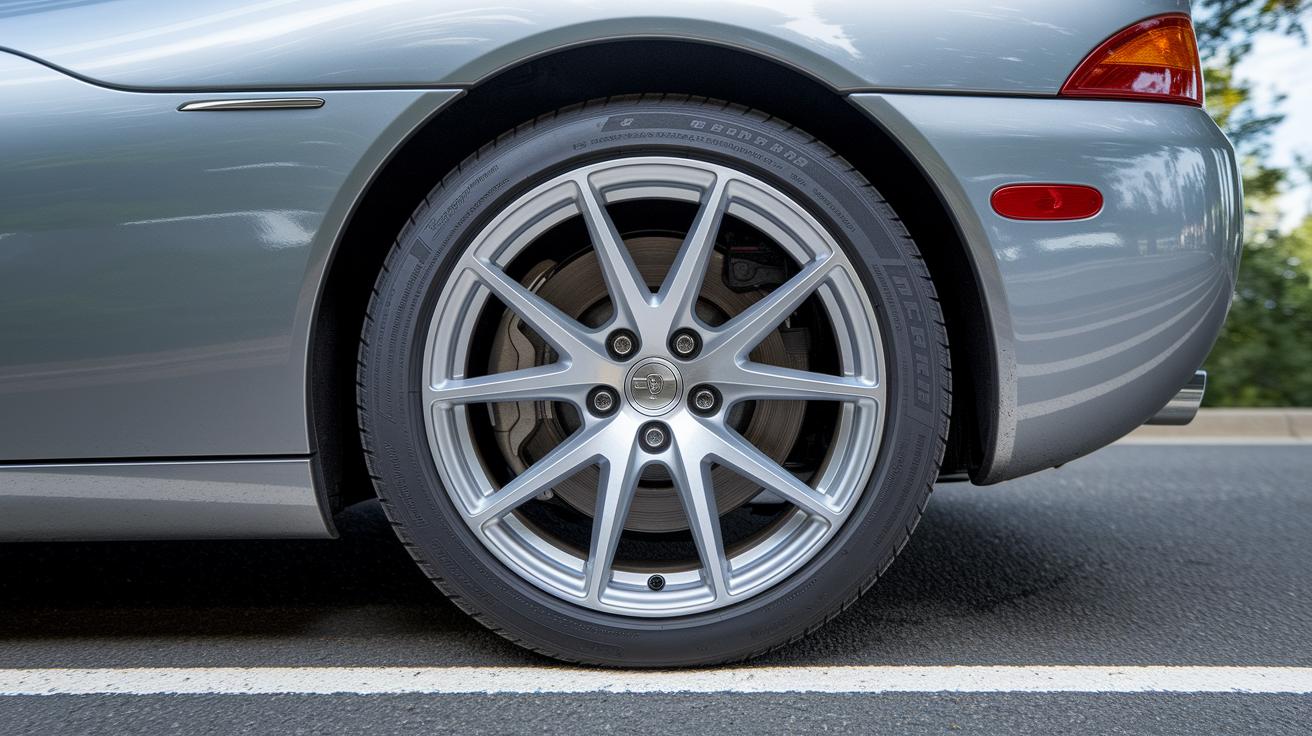
Airless tires have been catching eyes for a long time, even back when flip phones were in style. Instead of using air, these tires lean on smart materials and a unique inner design (which means they have special support parts) to hold up your car. Regular tires need air pressure to spread out the weight and cushion bumps. But these airless designs use built-in firmness and clever support to give you a ride that won’t go flat and needs little upkeep. They’re basically non-pneumatic tires that aim to make your drive hassle-free.
Imagine ditching the routine of checking your tire pressure for a system that just takes care of itself. Early tests even show that these no-air designs almost wipe out vibrations caused by braking, giving you a smoother feel on the road. It’s a big shift that lets drivers enjoy a steady drive without worrying about flats.
These tires are a hit with folks who care about safety and spending less time on maintenance. Without the need for air, you shave off the hassle of inflating your tires and avoid surprise blowouts. Thanks to new advances, the tires are built from tough, long-lasting materials that stand up to everyday road wear while keeping a steady performance.
Every part of these tires is set up to soak up shocks in a different way than normal ones. Sure, the firm design can sometimes make the ride feel a bit stiffer or even a little louder, but steady improvements are balancing that rough feel with the big benefit of a tire that practically never goes flat.
Key Technologies in Airless Car Tires: Non-Pneumatic Structures

Airless tires use smart design to replace the need for air with built-in support systems. Instead of using inflated chambers, these tires are made with special materials and a clever inner design that spreads your car's weight and softens bumps (that is, they help lessen the shock of rough roads). Ever notice how a small change in a design detail can make your ride feel totally different? Engineers found that even a tiny shift in the honeycomb pattern inside can change the way the road feels, making every part of the design super important for a smooth drive.
The big challenge is mixing firmness and comfort. Since there’s no air acting like a cushion, the job of spreading the load and handling shocks falls to advanced materials like unique rubber blends. Research now looks at different mixes of these materials to absorb bumps while standing up to wear. Each little part of the tire, whether it’s a spoke or a honeycomb cell, is checked to ensure it helps support the car evenly. A tougher design may stop flats, but it might also mean more road noise and extra vibrations when you push past 60 mph.
Engineers are always tweaking these airless tire designs, trying to get every detail just right. Every change in the material or structure is aimed at balancing a strong build with the comfortable ride we all love.
Advantages of Airless Tires for Cars Over Conventional Pneumatic Tires
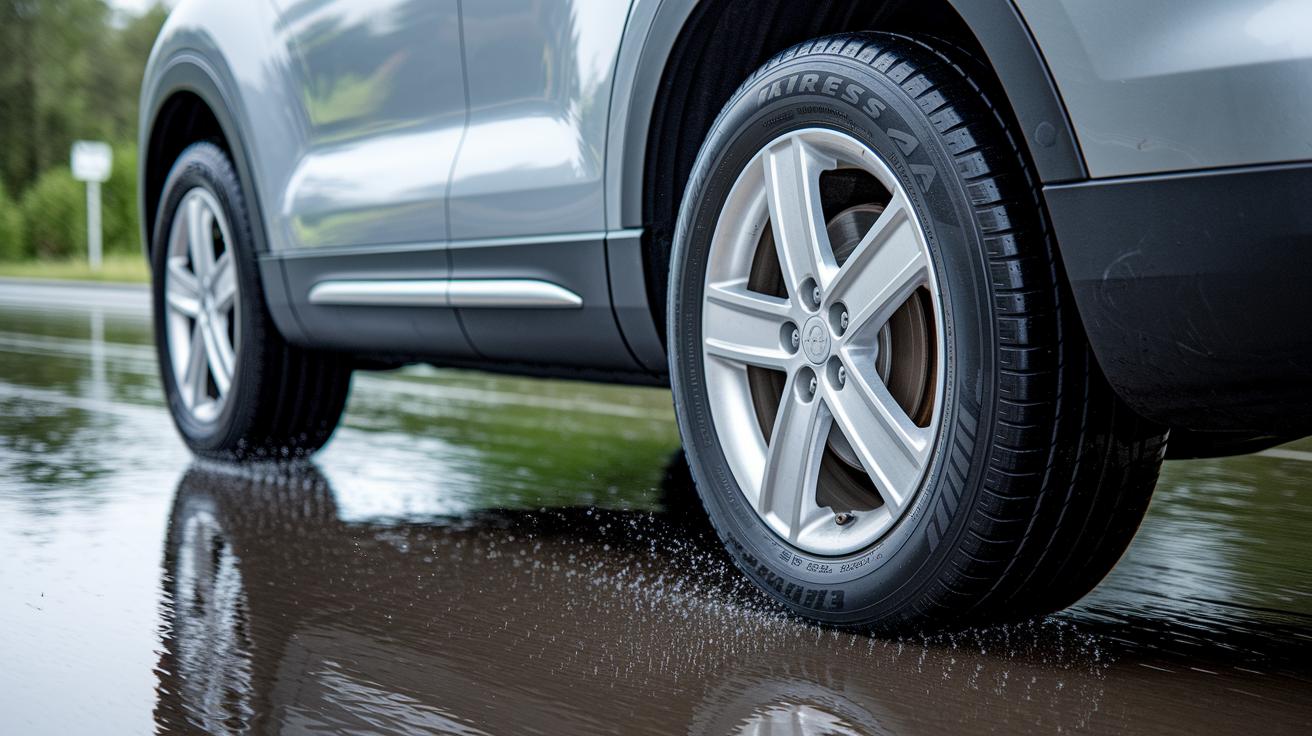
Test results show that drivers feel airless tires offer steadier control on the road. In one study, these tires had no punctures over 10,000 miles, while regular tires had several problems.
Airless tires come with self-adjusting tread tech that adapts to wet and bumpy roads. One driver said they didn’t have to worry about their ride because the tires adjusted on their own, giving them a natural boost of confidence on slick roads.
| Aspect | Airless Tires | Conventional Tires |
|---|---|---|
| Puncture incidents | 0 per 10,000 miles | Multiple incidents per 10,000 miles |
| Maintenance needs | Minimal checks | Frequent pressure and repair checks |
| Performance consistency | Stable under varying loads | Dependent on proper inflation |
Test drives also point to a smoother ride and better durability that you can feel right at the steering wheel. Airless tires work reliably on different roads, and their advanced materials and clever design add to both longevity and safety.
Airless Car Tires: Benefits and Trade-Offs
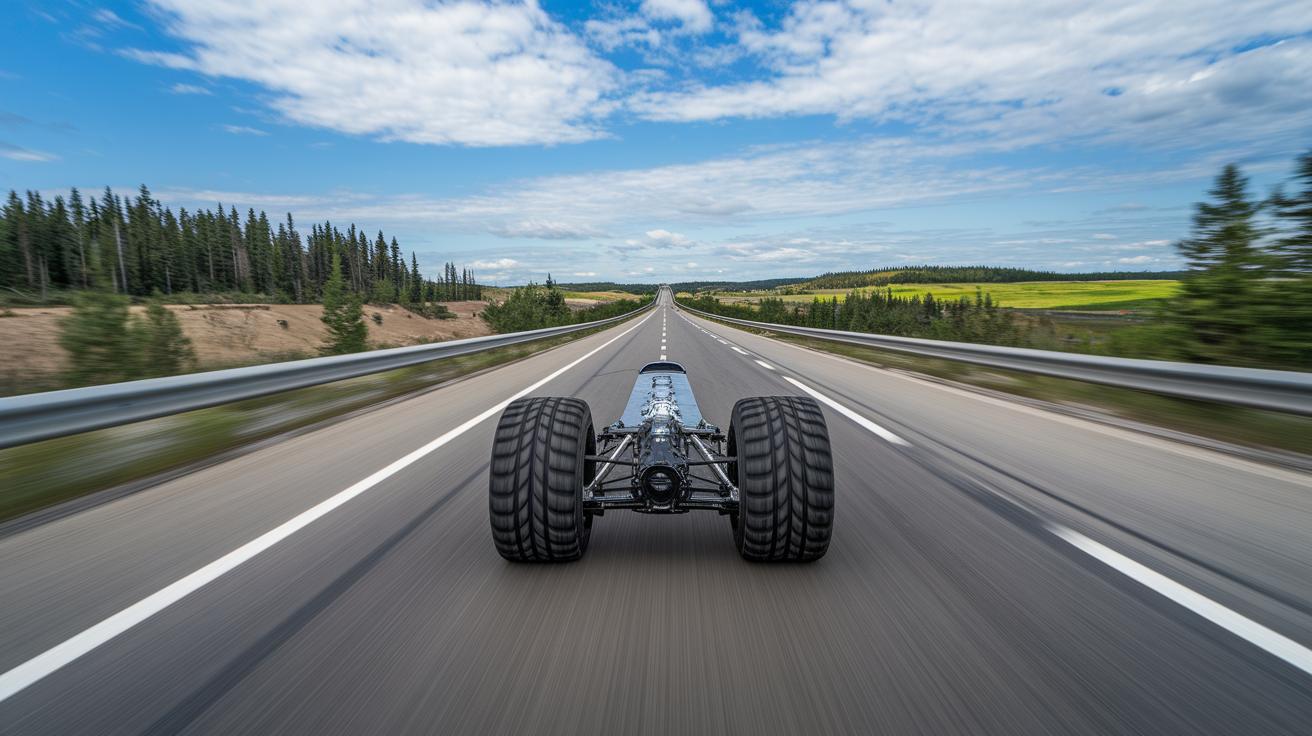
Airless tires help you steer clear of flats and cut down on upkeep because they’re built tough. But since they’re stiffer, you’ll feel more bumps and vibrations, especially when you’re cruising over 60 mph. One driver even said, “It felt like every little bump was amplified on the highway,” just like noticing every ripple on a firm road.
By ditching the soft air cushion, these tires last longer over time, though they can make your ride rougher and noisier. Engineers are working hard to make the ride smoother and reduce the noise. During a test drive, a driver mentioned it felt like going from a quiet cruise to a ride that practically shouts every uneven patch on the road.
| Benefits | Trade-Offs |
|---|---|
| No flats and less upkeep | Rougher ride and more vibrations |
| Tough, durable design | Louder road noise at higher speeds |
Market and Regulatory Barriers for Airless Tires in the Automotive Industry
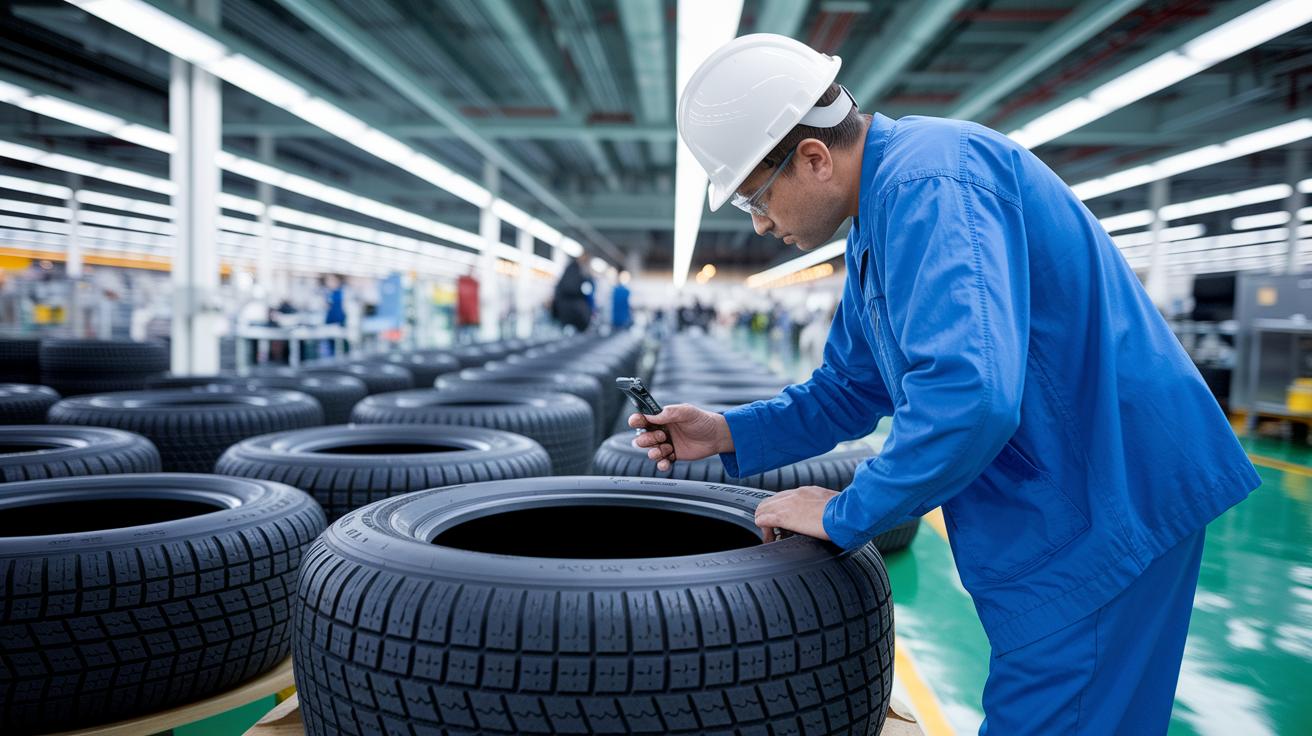
Car makers and tire companies have been driving along with traditional air-filled tires for decades. Their factories, supply chains, and shipping practices are all built around tires that rely on air pressure for their performance. Changing to airless designs isn’t just a simple swap; it means reworking entire systems that are deeply woven into current methods. Existing supplier contracts and logistics are tied to these old practices, making any switch both costly and time-consuming.
On top of that, getting the proper regulatory approval is a whole new ball game. Airless tires must pass strict tests to meet the industry standards (think of it like the thorough inspections a car goes through before hitting the road). Since testing systems were set up for regular tires, adjusting them for a new technology adds extra work. Plus, the high costs of research and development and the use of advanced materials mean that early airless tire models are going to come with a premium price tag.
Manufacturers are naturally cautious when it comes to investing in new systems, especially when current trends favor what’s tried and true. Even if improvements in tire technology are on the horizon, sticking with established methods keeps the pace of change slow for now.
| Factor | Impact |
|---|---|
| Supply Chain Setup | Built for traditional tires |
| Certification Testing | Needs new test procedures |
| R&D and Material Costs | Early models priced at a premium |
Availability, Cost Evaluation, and Consumer Considerations for Airless Car Tires
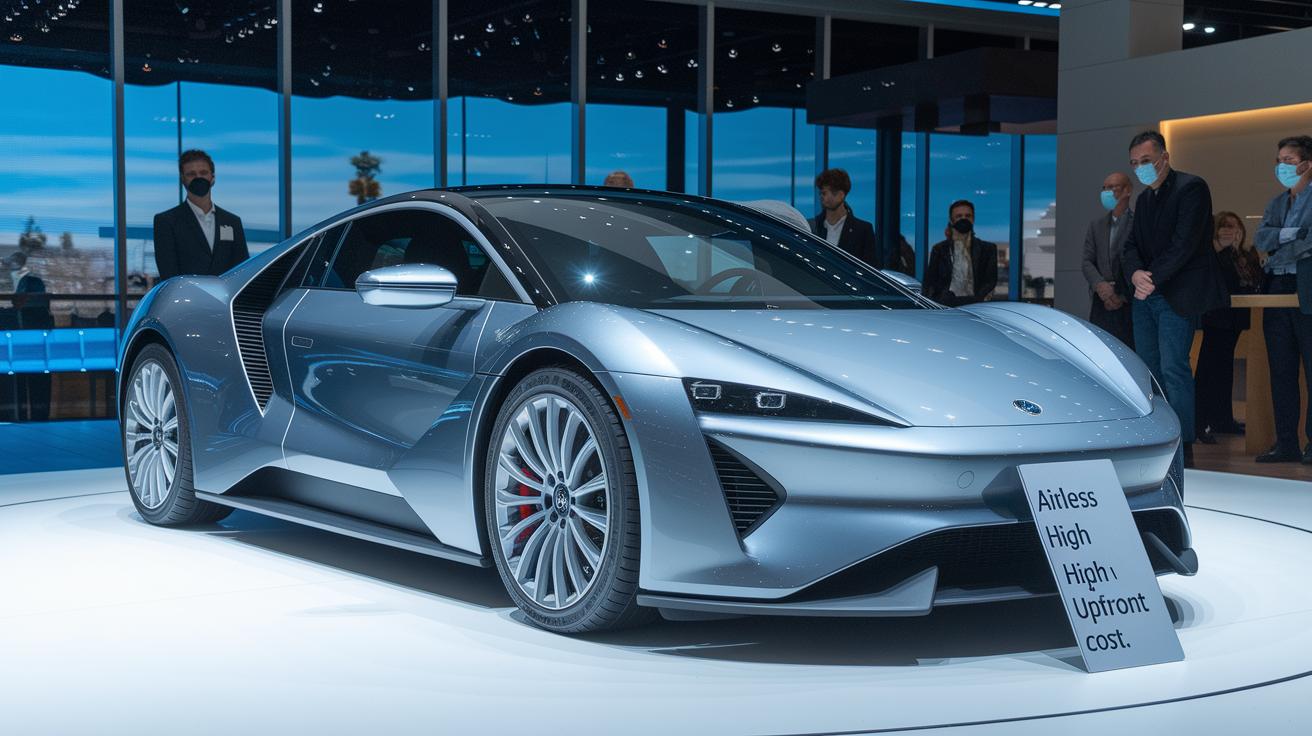
Early models of airless tires cost more because they use better materials and are made in smaller batches. The price is higher at first compared to regular tires, but many drivers find that paying extra upfront saves money later with fewer repairs and less upkeep. I recall one driver saying, "Switching to airless tires meant spending more initially, but I saved on repair and upkeep costs over time." It’s like investing in a smoother, worry-free ride.
Financing and payment plan options are now available to help manage the extra expense. You can spread the cost over several months so that the higher price tag doesn't hit your wallet all at once. This could really appeal to someone looking at the tire's entire life cycle instead of just the initial price.
Here’s an easy cost comparison to check out:
| Aspect | Airless Tires | Standard Tires |
|---|---|---|
| Initial Cost | Higher upfront price | Lower initial cost |
| Maintenance | Low maintenance needed | Periodic checks required |
When choosing tires, it helps to think about the long-term benefits of durability and lower upkeep, even if you pay a bit more at first.
Future Outlook: Research, Development, and Mass Adoption of Airless Car Wheels
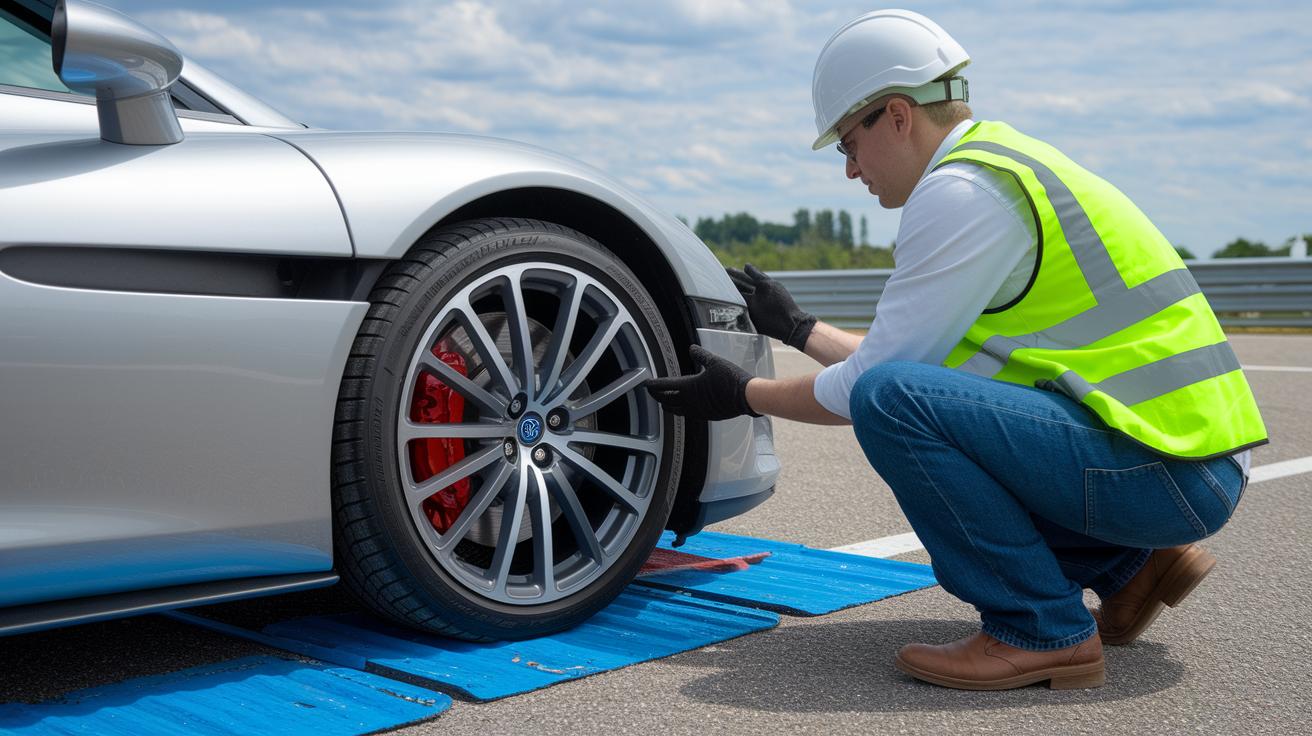
Airless car wheels have a history that goes way back to an 1847 bicycle-tire patent. Today, they’re gearing up to change how we think about driving safety and tire care. Since the early 2000s, engineers have been testing prototypes to improve ride comfort, cut down on road noise, and save costs for everyday drivers.
Current research is all about finding new materials and smart designs. Manufacturers are experimenting with composite materials (blends of different substances) that could offer a smoother ride yet handle heavy loads. These new materials are showing they can fix the stiff, noisy ride you often get at high speeds. Picture engineers like a chef fine-tuning a favorite recipe, adding little touches until they achieve the perfect mix of durability and comfort.
Big car makers aren’t just polishing up today’s models; they’re planning to roll these wheels out to the masses. Their aim is to give drivers wheels that need less frequent check-ups and regular maintenance. In simple terms, they want airless tires to be a cost-effective and reliable option once they prove they can work on a large scale.
In design centers and testing labs, experts often say, "Every little improvement brings us one step closer to a tire that really meets drivers’ needs." With steady research and exciting technical breakthroughs, it looks like airless tires could soon be a common sight on our highways.
Final Words
In the action, we reviewed how airless tires for cars work by using engineered stiffness instead of air pressure. We pointed out key benefits like puncture resistance and maintenance-free use, along with a few trade-offs in ride comfort and noise. We also touched on material innovation and cost factors that may affect your choices. It feels like a friendly pit stop, clear, genuine insights that help make driving a safer and more reliable experience.
FAQ
Q: What do Michelin airless tires and airless tires for cars typically cost?
A: Michelin airless tires usually come at a premium compared to traditional tires. Their advanced design and limited production lead to higher prices, offering benefits like flat-proof use and reduced maintenance.
Q: What are Michelin airless tires for cars?
A: Michelin airless tires for cars use a non-pneumatic design that eliminates flats and minimizes upkeep. They rely on engineered materials and structures to support the vehicle safely.
Q: Where can one find airless car tires for sale?
A: Airless car tires for sale are available through select dealerships and specialty outlets. Early models may appear during limited rollouts as manufacturers refine the design.
Q: Are airless tires available for trucks?
A: Airless tire options are being explored for trucks, offering benefits like flat-proof performance and lower maintenance. They still remain in early stages and are not widely seen yet.
Q: What is Michelin UPTIS?
A: Michelin UPTIS is the brand’s innovative airless tire model designed for vehicles. It promises improved safety and reduced maintenance while working through challenges like ride comfort refinement.
Q: What disadvantages do airless tires have?
A: Airless tires come with disadvantages such as a stiffer ride, higher road noise, and increased vibrations at higher speeds due to the engineered stiffness of their materials and structure.
Q: When are Michelin airless tires expected to be released?
A: Michelin airless tires do not have a confirmed release date yet. They are still in development, with further testing needed before a full market launch is planned.
Q: Are airless tires a good option for cars?
A: Airless tires provide benefits like no flats and low upkeep. Yet, their firmer ride and more noise mean they might not fit every driver’s preference until further refinements occur.
Q: How long can airless tires last compared to traditional tires?
A: Airless tires are built to last longer due to durable, advanced materials. Their exact lifespan depends on design improvements and real-world driving conditions during ongoing testing.
Q: Why don’t all cars use airless tires?
A: Not all cars use airless tires because current challenges like industry standards, production costs, and regulatory hurdles slow adoption. The technology is promising but still working through refinement.

