


Ever thought about a tire rotation as the secret to a safer ride all year long? Rotating your tires between winter and summer helps even out wear and keeps your car handling well. It’s kind of like checking your fuel gauge before a trip, a small move that can make a big impact on slippery or hot roads. I once skipped a rotation, and my tires wore out unevenly much faster than I expected. In this post, I'll share some easy tips to keep your tires balanced so every drive feels as smooth as possible, no matter the weather.
Seasonal Tire Rotation Tips: Balancing Winter Grip and Summer Handling
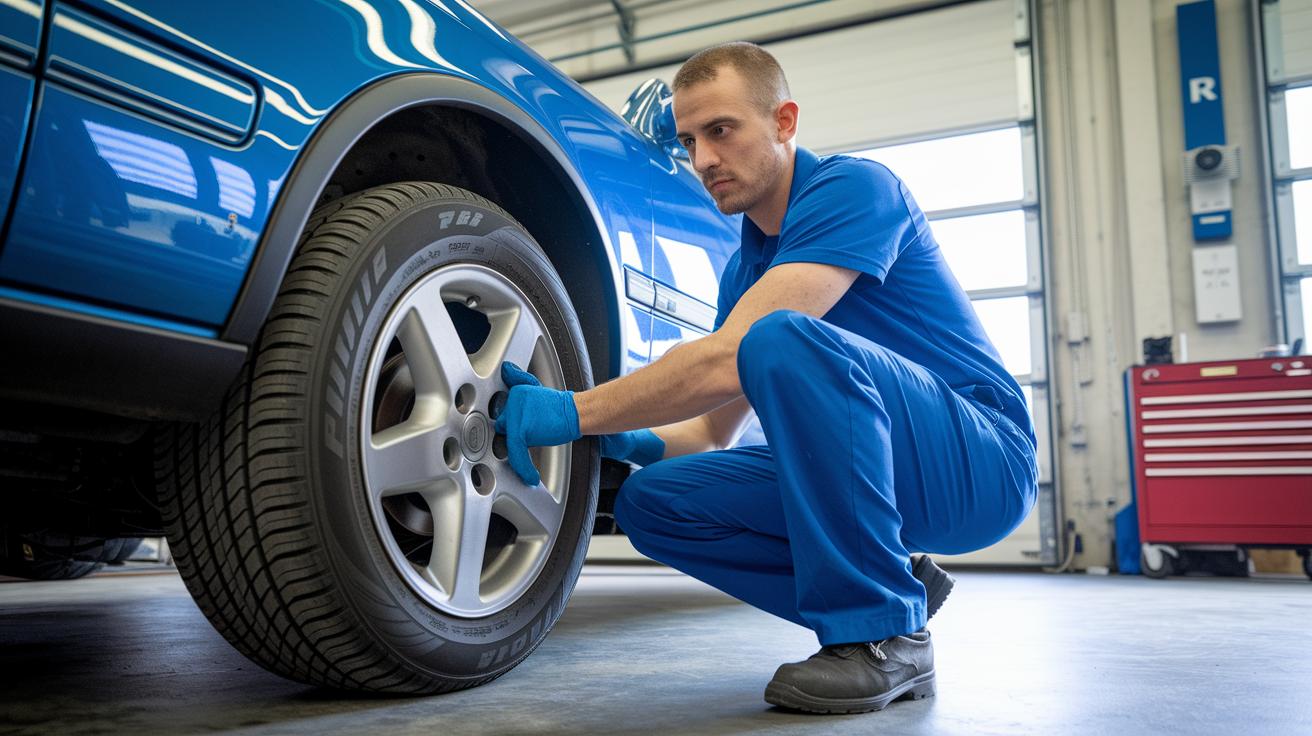
Rotating your tires helps spread out the wear and keeps your ride smooth, whether you're cruising on icy winter roads or hot summer pavement. When you swap your tires around, you even out the tread wear (that part which touches the road), so both winter tires with their softer rubber and deeper grooves and summer tires with firmer compounds get the care they need. It’s like giving your car a balanced workout before a long road trip.
During the warmer months, rotating your tires is extra important because high heat can raise tire pressure. Checking your tire pressure before and after a rotation is just like looking at your fuel gauge, simple and essential. Even if you’re using all-season tires, rotating them keeps wear even across the board, saving you from unexpected issues on the road.
I once prepped for a long drive by making sure my tires were rotated and my pressure was spot on. That quick check saved me a lot of time and trouble later. By following common rotation patterns, like the X-pattern for front-wheel drive cars or a rearward cross for all-wheel drive, you’ll keep your grip and handling consistent, no matter the season. Seasonal tire rotation is just one smart way to boost tire life and keep your drive safe all year long.
Winter Tire Rotation Tips for Cold-Season Safety
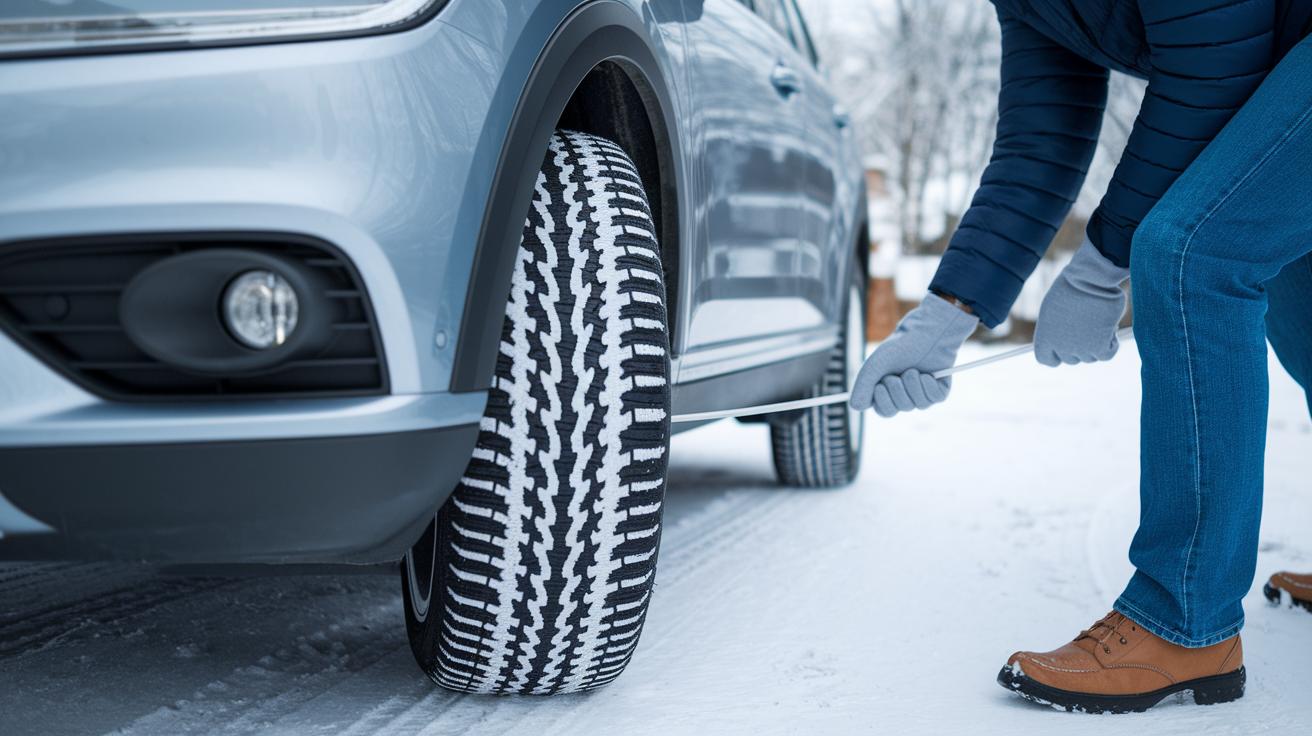
Rotating your winter tires to the front can really boost your safety on icy roads. When you move them, you let the deeper treads (the extra grooves that keep your tires gripping the road) help improve your steering. A lot of drivers swap their tires from front to back, and if you have all-wheel drive, you might want to try a forward cross method for better results.
It’s important to check your tire pressure too. Cold air can lower your PSI by 1-2 units for every 10°F drop. I remember a buddy once saying, "Always check your PSI before and after rotation, it's like checking a tire's heartbeat." That little step can make a big difference.
Before you start rotating, take a moment to look over the treads for any cuts or debris. This simple inspection helps you catch any issues early. Rotating your tires evenly spreads out the wear on both the shoulder and center grooves, which keeps your car from skidding when roads get slick.
Spending just a few minutes on these checks can be the difference between a safe drive and running into troubles on the road. So, give those wheels a quick look over for any signs of damage, and enjoy a smoother, safer ride this winter.
Summer Tire Rotation Guide for Warm-Season Performance

Give your summer tires a mid-season shuffle to help them last longer on hot, dry roads. When the heat kicks in, the air in your tires expands, so it's important to check your tire pressure and adjust it to match what the manufacturer recommends. This simple step stops uneven wear on the tire shoulders and helps prevent blowouts.
Switching the tires from front to back is like swapping seats with a buddy at a concert, each tire gets a fair share of the road. As you rotate, take a moment to look over your tires for any UV cracks or sidewall damage. These signs show that the sun’s strong rays might be wearing them down over time.
On rainy days during milder months, put the tires with the deepest grooves up front. This setup can lower the risk of hydroplaning, keeping your ride safer when the roads turn slick.
| Tip | Why It Matters |
|---|---|
| Pressure Check | It helps stop uneven wear and prevents the risk of a blowout |
| Swapping Tires | Ensures all tires get equal use and last longer |
| UV Crack Inspection | Catches sun-related damage early to keep you safe |
Seasonal Rotation Patterns and Tools: From DIY to Professional
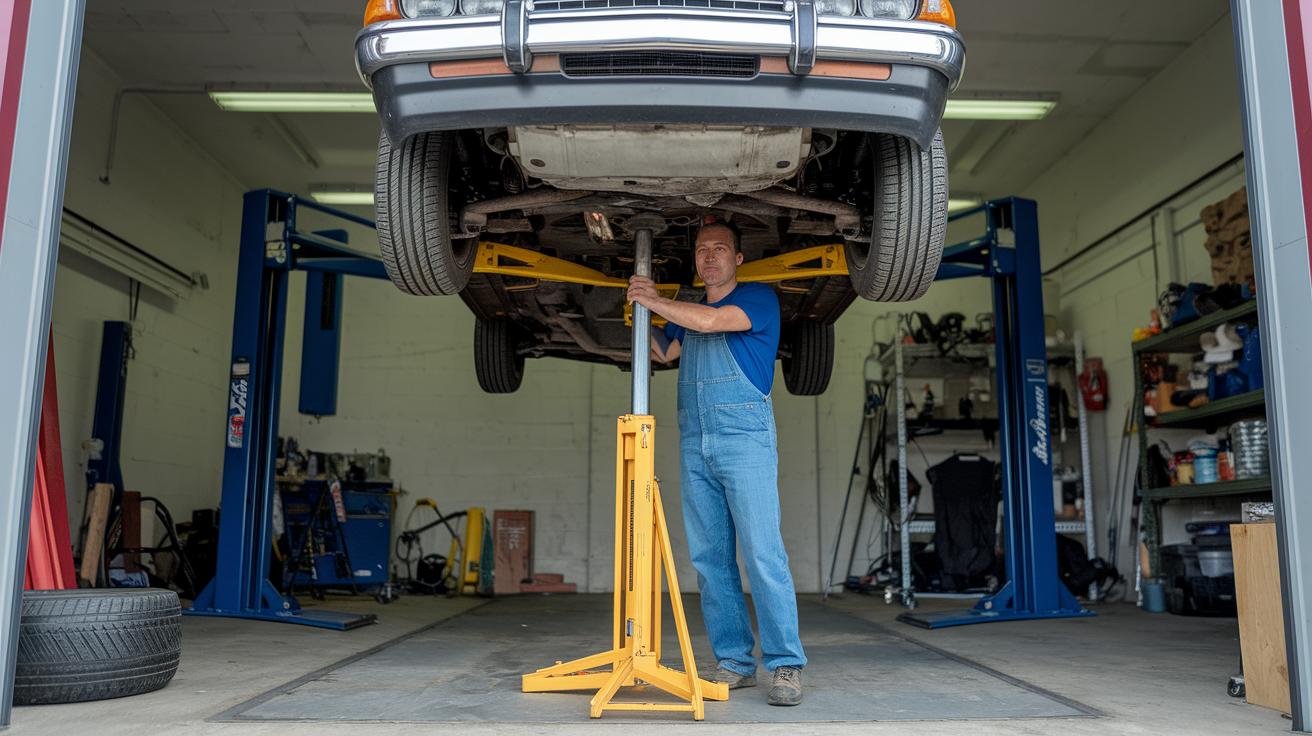
When it comes to turning your tires, you’ve got two choices: do it yourself or let a pro take care of it. If you pick the DIY route, you’ll need a few key tools. For example, a hydraulic jack (to lift your car), jack stands (to safely hold it up), a torque wrench (to tighten lug nuts just right, usually around 80-100 ft-lbs), and wheel chocks (to keep the car from rolling). I once gave it a go myself and found that using the torque wrench correctly is like sealing a jar perfectly, everything just stays in place.
On the other hand, professionals use special machine aligners that set exact rotation patterns. This method saves time and uses advanced tools to clean the mounting areas and remove any rust before the tires go back on. They also note where each tire goes and record the torque settings, which helps track wear over time.
| Tool | Purpose |
|---|---|
| Hydraulic jack & jack stands | Lifts and supports your vehicle safely |
| Torque wrench | Tightens lug nuts to the right settings |
| Wheel chocks | Prevents the car from moving |
No matter which method you choose, following safe steps matters most. You should always clean the surfaces where the tires sit and check for rust before putting the wheels back on. Keeping a record of tire positions and torque values is as important as the rotation itself, it helps you notice any uneven wear. Whether you do it yourself or see a pro, these steps help keep your ride steady and your tires lasting longer.
Recommended Timing and Frequency for Seasonal Tire Rotations
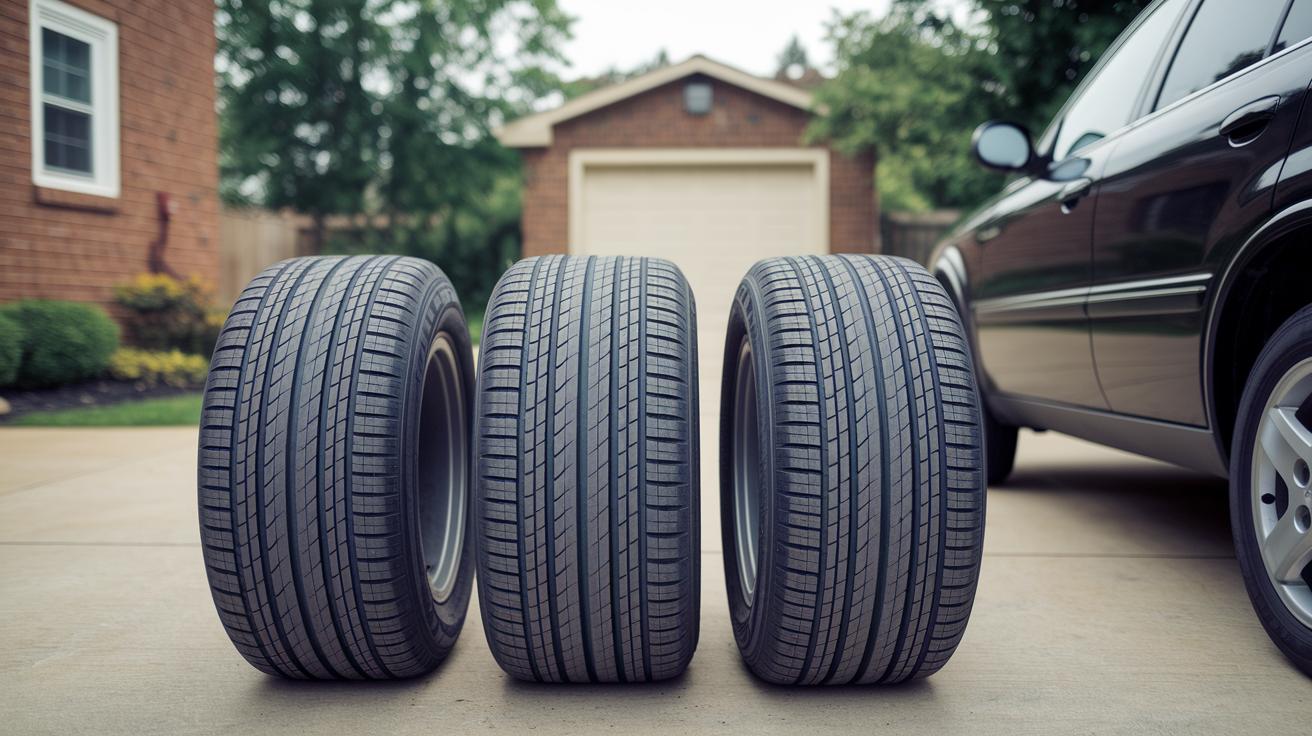
Keeping your tires in great shape is simple if you stick to a routine. I suggest you rotate your tires every 5,000 to 8,000 miles or whenever the seasons change. This helps them wear evenly and keeps your ride smooth. And if you line up tire rotations with your oil change or brake inspection, you can catch small issues early.
Before winter sets in, plan a tire rotation just ahead of the first freeze. Doing so helps your tires maintain even tread wear, giving you better grip on icy roads. Then, when summer comes and the road heat goes above 75°F, swapping them again protects against uneven wear from the tire's expanding air.
Here are a few tips to keep your rotation plan on track:
- Write down the rotation dates, mileage, and the swap pattern you used. It’s like keeping a travel log that makes spotting issues easier.
- Pair your rotation with a quick check on tire pressure and tread depth to make sure everything matches the manufacturer’s guidelines.
- Stick to a regular schedule so your tires get the care they need every season.
By following this routine, you'll dodge unexpected tire problems and enjoy a smoother, safer drive all year long. For more advice, check out how often to do tire rotation at tityres.com?p=79.
Post-Rotation Checks for Seasonal Tire Rotations: Ensuring After-Change Safety
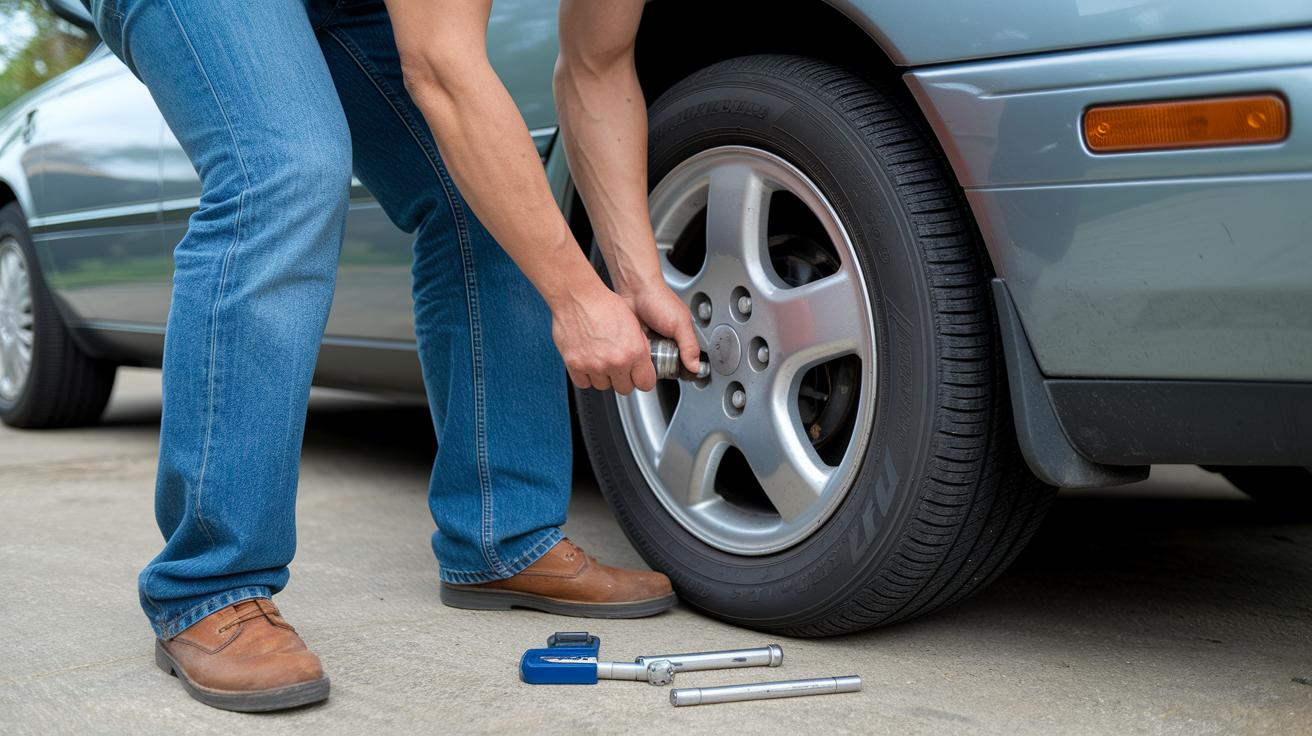
After you rotate your tires, it's a good idea to run through a quick safety check to keep your ride smooth in both winter and summer. First, go over the lug nuts once more and tighten them to the maker's settings, just like you’d ensure all the screws in your favorite chair are snug.
Next, take a moment to check the tread depth on each tire at a few spots. For winter driving, swap out any tire with less than 4/32″ tread (this shows how much grip is left on your tire), and in summer, watch for treads dipping under 2/32″. These simple tests can alert you to any issues before they turn into a real problem.
- Make sure every lug nut is secure.
- Check along different spots on each tire to see how much tread is left.
- Notice if the car drifts to one side or if you feel any unusual shaking, that could mean an alignment check is needed.
- Have your wheels balanced on a machine to catch any heavy spots.
- Clear out any stones or debris and take a quick look at the wheel wells for any brake dust or rust.
Doing these steps right after a tire rotation helps your vehicle handle both the heat that makes rubber expand and the chill that gives winter its grippy feel. It’s a little bit of care that keeps your drive balanced and safe season after season.
Final Words
In the action of keeping tires safe and strong, we explored methods to balance winter grip and summer handling. We touched on rotation patterns, the role of temperature on tire wear, and simple post-rotation checks.
Seasonal tire rotation tips for winter and summer make a big difference by reducing uneven wear and boosting traction. With these tips, you'll enjoy even better performance and a smoother ride. Keep rolling with confidence and positive vibes.
FAQ
Q: What seasonal tire rotation tips for winter and summer can help maintain safe traction?
A: Seasonal tire rotation tips for winter and summer help balance tread wear by repositioning tires. In winter, check pressure and tread for icy grip, while in summer, inspect for UV cracks and adjust rotation to prevent uneven wear.
Q: Which tire rotation patterns work best for 4×4, rear-wheel drive, and front-wheel drive vehicles?
A: Tire rotation patterns vary by drive type. For 4×4 vehicles, a rearward cross pattern is common. Rear-wheel drive drivers benefit from a front-to-back swap, while a front-wheel drive needs an X-pattern for even tire wear.
Q: How do you rotate summer and winter tires effectively?
A: Rotating summer and winter tires means moving them according to seasonal guidelines and recommended patterns. Check tire pressure, inspect for damage, and swap front and rear positions to keep tread wear balanced and performance safe.
Q: What does the 7 7 rule for winter tires imply?
A: The 7 7 rule for winter tires implies treating your tire upkeep as a routine check—often suggesting that after approximately 7,000 miles or 7 years of use, it’s time to evaluate tire performance and consider rotation or replacement for safe winter driving.
Q: What does the 3% rule for tires mean?
A: The 3% rule for tires means that if tire pressure deviates by about 3 percent from the recommended level, you should check and adjust it. This helps keep tire wear even and maintains safe driving conditions.
Q: What is the correct order for tire rotation?
A: The correct order for tire rotation depends on your drive type. For front-wheel drive vehicles, use an X-pattern, and for rear-wheel drive or all-wheel drive, a front-to-back swap is recommended to ensure even tire wear.

