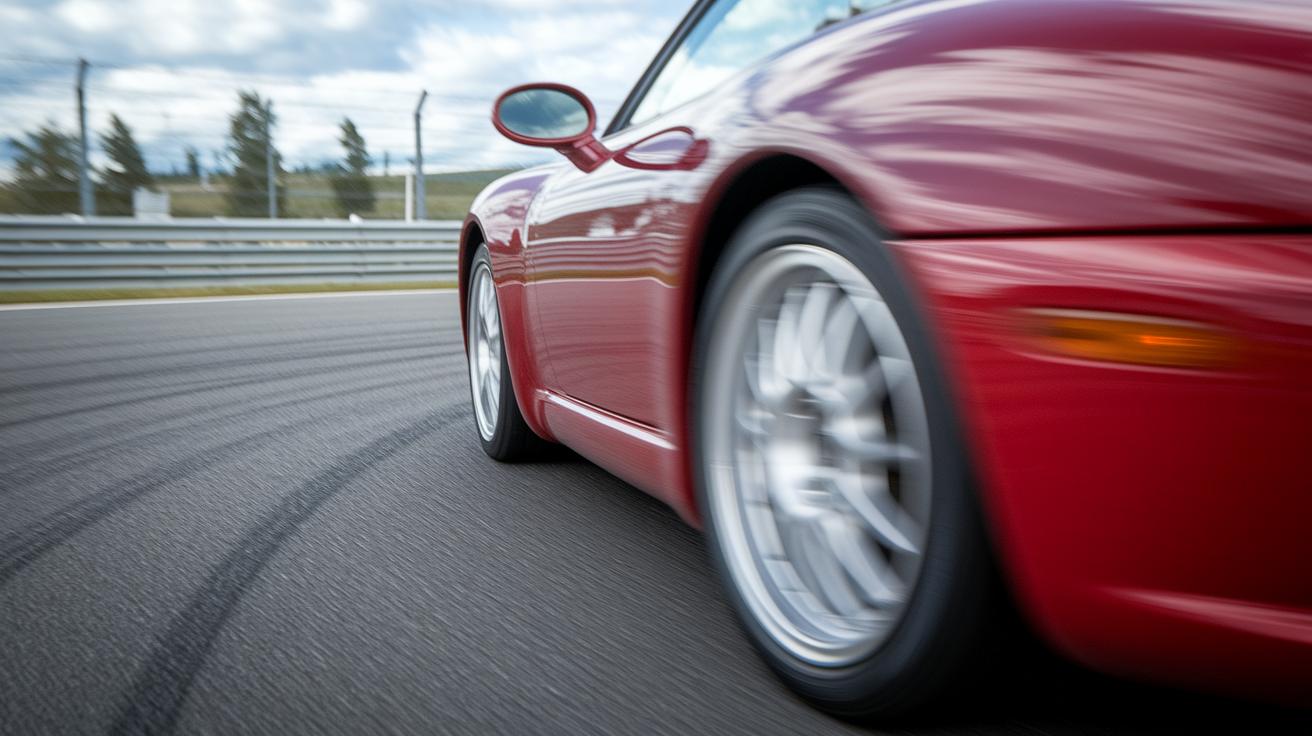


Ever wonder how your car nails those tight turns? The secret lies in the tire’s sidewall, which is the part that needs to stay firm during hard driving. When that side stays stiff, it bends less and helps your tire react faster to every twist of the wheel. This means better grip and more confidence on every bend. In sporty driving, that quick response makes a big difference, offering smoother turns and stronger stability. Next time you’re behind the wheel, notice how a firmer sidewall turns each curve into a fun, controlled adventure.
How Sidewall Stiffness Defines Sporty Driving Dynamics
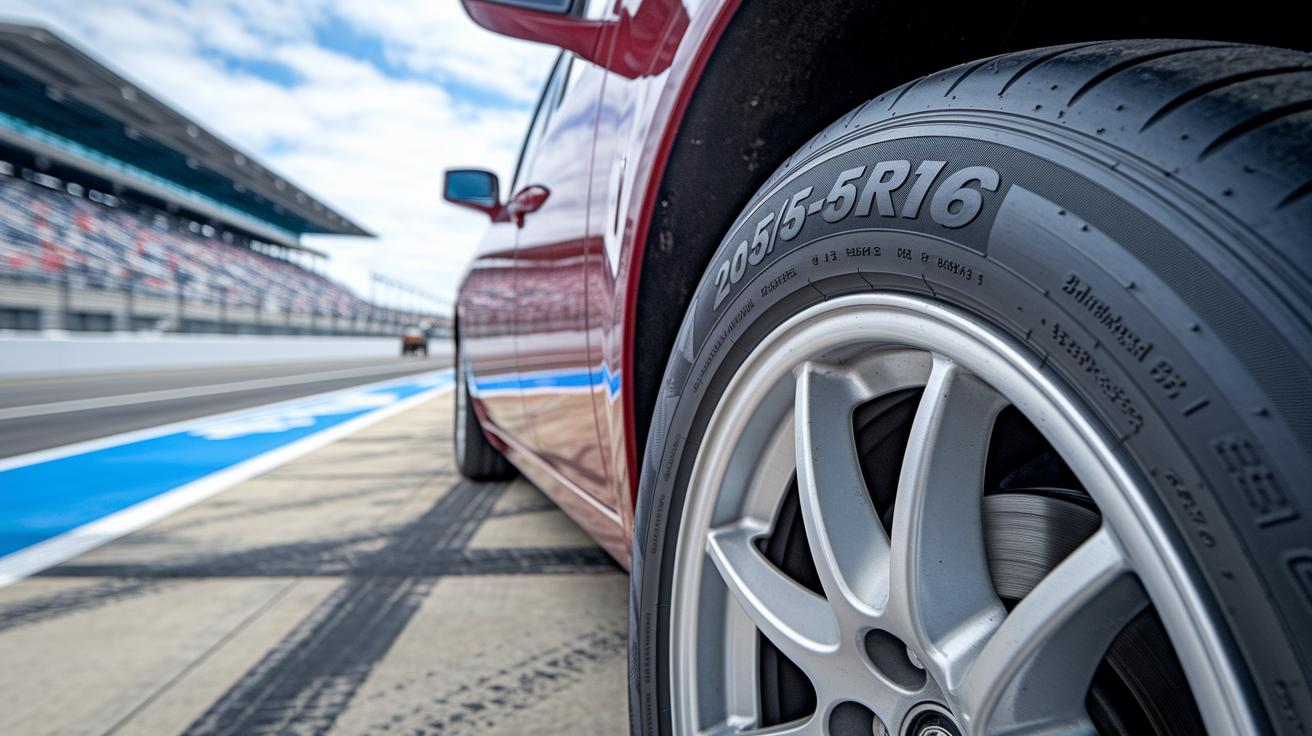
The tire sidewall is the tall area between the tread and the bead. It shows details like tire size (for example, 205/55R16), load index, and speed rating. It not only carries the tire’s identity but also plays a big role in how much the tire can bend when you drive. Ever notice how your tire flexes a bit during high-speed turns or over bumpy roads? That bending, known as the flex rating, is key to how much grip and stability you get when driving sporty.
When it comes to sporty driving, how much the tire sidewall flexes is super important. A stiffer sidewall means less bending, so the tire responds quickly to your steering, especially useful on tight corners. Sure, stiffer sidewalls might let in a bit more road vibration, but they also give you better control when you’re powering out of curves. Designers balance this by tweaking the tire’s height: shorter sidewalls mean quicker responses, while taller ones offer extra comfort.
Here’s what a stiffer sidewall brings:
| Benefit | Description |
|---|---|
| Sharper Steering | Quick response when you turn the wheel |
| Better Cornering | More precise handling in tight turns |
| Improved Stability | Steady grip even during hard exits |
| Less Bending | Stronger control with reduced sidewall deflection |
| Faster Acceleration | Quicker recovery coming out of corners |
Engineers work hard to get that perfect mix of firm support with just a bit of flexibility. This balance makes your drive feel confident and responsive, keeping you safe and in control even when you’re really pushing your limits.
Sidewall Structural Design and Compound Selection for Sport Performance
Sidewalls are made from tough rubber mixed with strong fibers like polyester, steel, or nylon. These extra layers help soak up bumps and guard against potholes or curbs so your tire keeps its shape and strength. It’s a bit like having a sturdy frame that stands up to rough roads.
The flex rating shows how much the sidewall bends when carrying weight. A tire that bends a bit more can smooth out small road bumps, while a firmer sidewall helps you steer with precision. It’s all about finding the right mix to give you quick, reliable handling without too much shake.
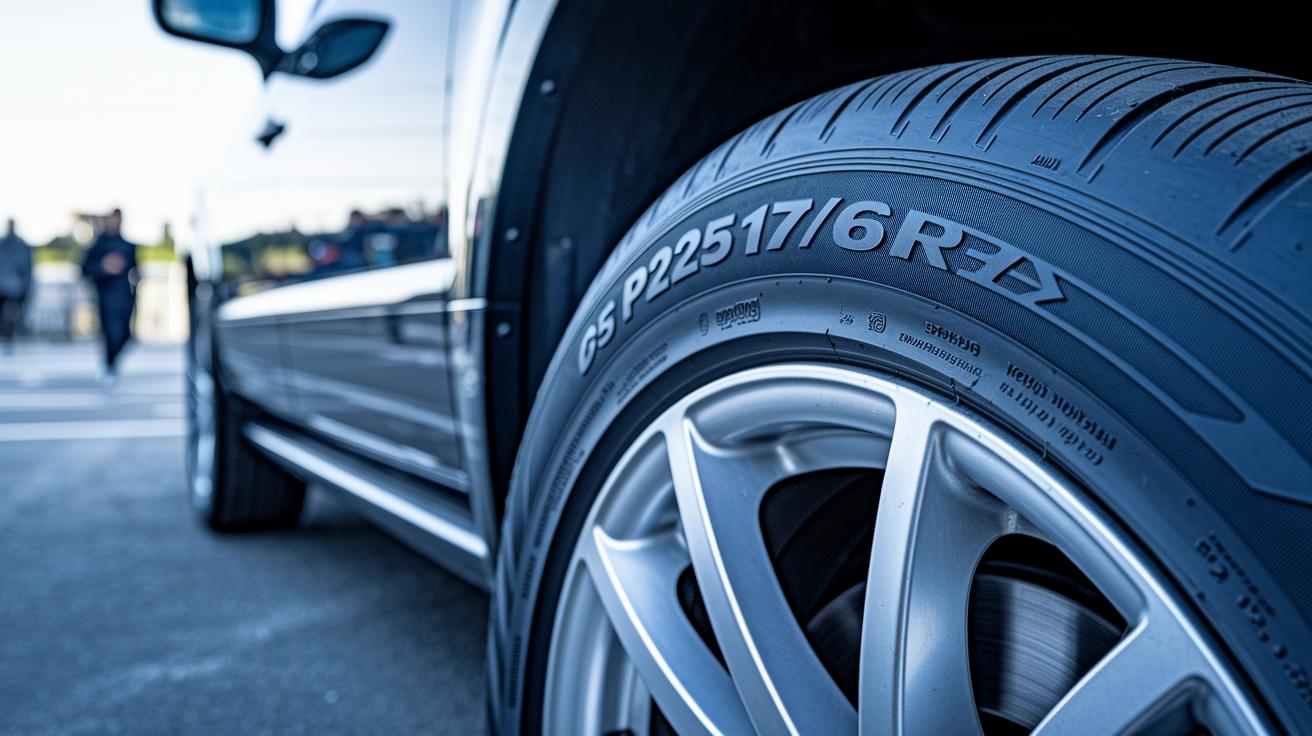
You can also learn a lot from tire codes like P225/65R17. These numbers tell you the tire size, how much weight it can take, and how fast it can go. Engineers use this info to choose the perfect rubber mix and reinforcing layers for the best driving performance. In this way, every tire is built to offer both clear shock absorption and steady, responsive handling on the road.
Suspension Interaction With Sidewall Stiffness in Dynamic Handling
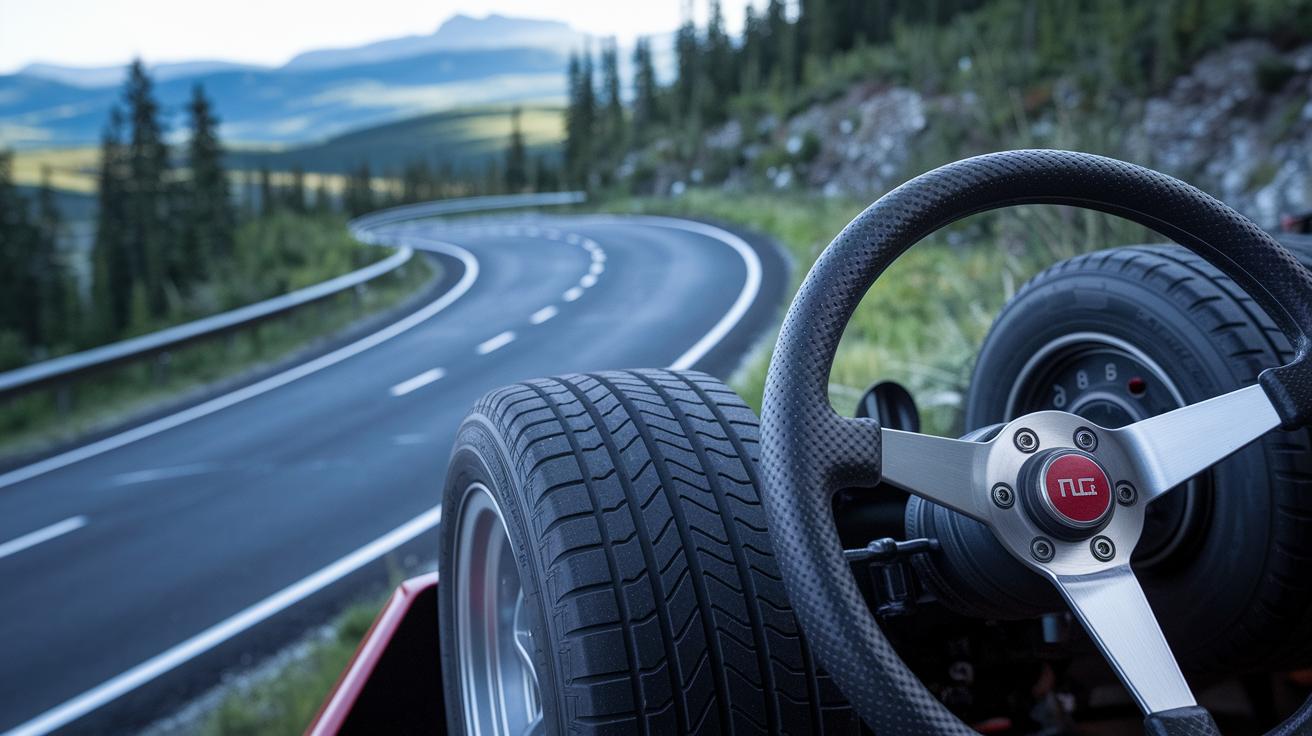
Stiffer sidewalls send forces from sharp turns straight to your suspension. When you make a quick, hard turn, they help your car feel tied to the road by giving clear feedback through the steering wheel. It’s a bit like feeling the gentle hum of a well-tuned engine that responds right away to your actions.
Manufacturers work hard to match the suspension’s damping (how fast it soaks up bumps) with the tire’s sidewall firmness. If this isn’t set up correctly, your ride might feel too bumpy or overly soft. It’s kind of like adjusting your car seat until everything just fits right, so every bump and twist is felt perfectly without stressing the controls.
When you’re driving in a sporty style, it’s really important to keep the forces evenly spread. The right tire stiffness helps share the load over the tire's grip area during fast maneuvers. That way, no single part of the tire or suspension gets overloaded. If the sidewalls are too soft or not properly inflated, parts of your setup can take on extra strain, which might make handling feel less sharp.
Flexibility vs Rigidity: Balancing Ride Comfort and Sport Handling
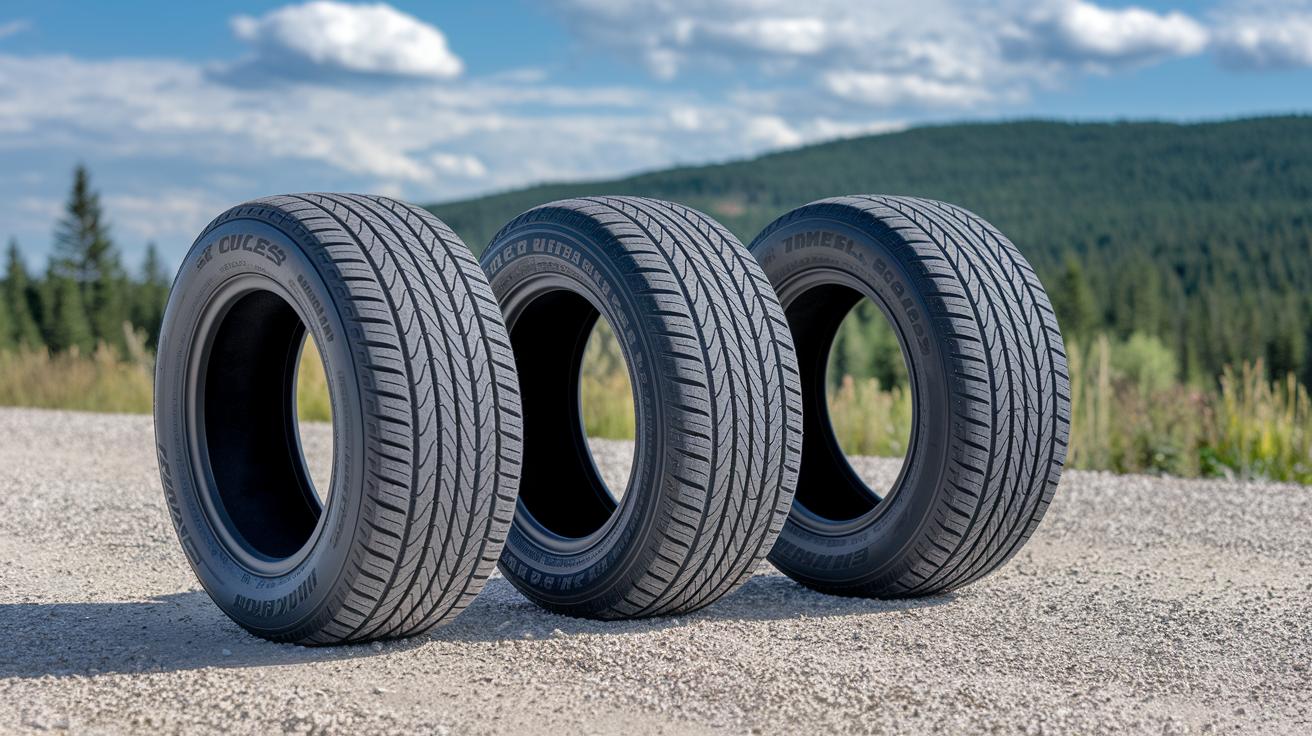
Taller sidewalls provide a gentler ride by absorbing bumps and vibrations, much like a soft cushion on a rocky road. They help smooth out uneven surfaces, giving you a feeling of comfort as you drive.
Low-profile tires, on the other hand, feature stiffer sidewalls that make your steering very precise. They respond quickly when you turn the wheel, perfect for spirited driving on smooth surfaces. But, the extra firmness can lead to more road noise and you may feel every little bump.
A middle-ground option with just the right amount of stiffness can give you both sporty handling and a comfortable ride. It’s like having a car seat with just enough give for both a cozy cruise and quick maneuvers around tight corners.
So, choose your tire based on your driving needs. If sharp, responsive steering matters most, go with the stiffer sidewalls. But if you crave comfort and a smoother ride, taller, more flexible sidewalls are the way to go.
Advanced Engineering Innovations in Sidewall Stiffness Optimization
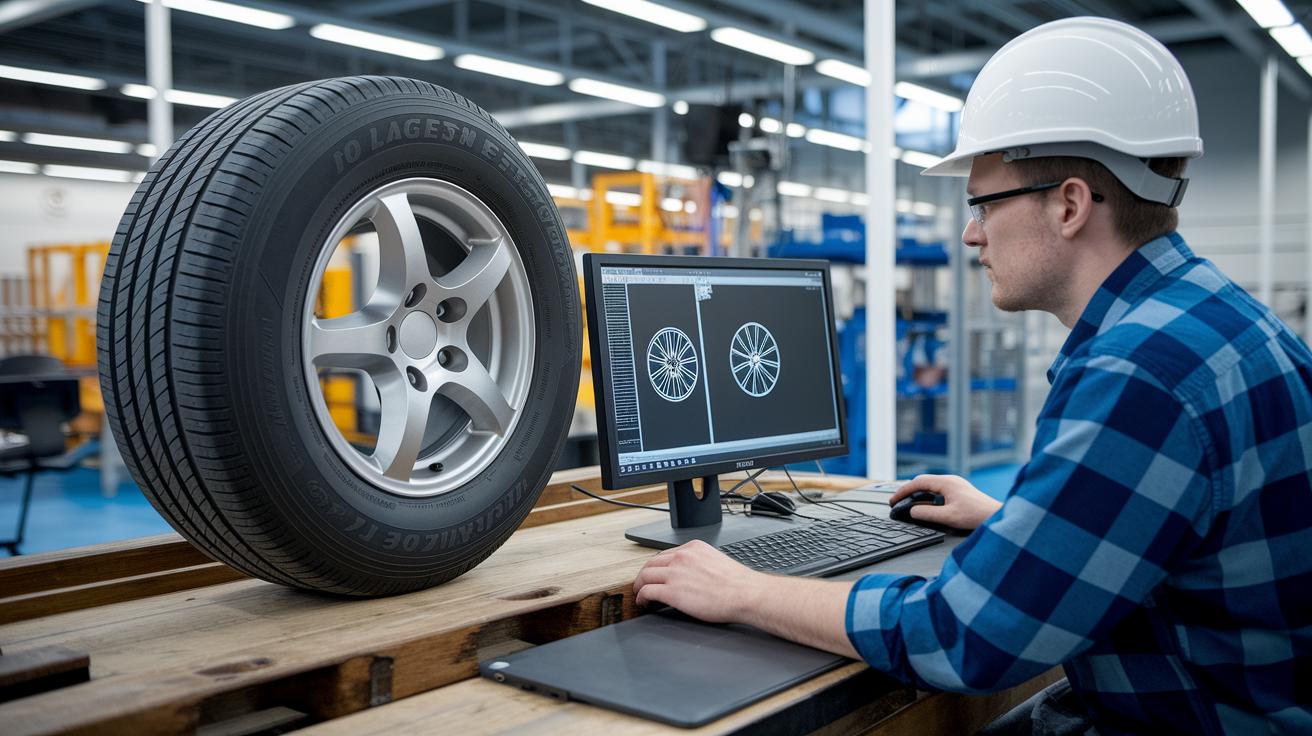
Engineers are using a tool called Finite Element Analysis (FEA – a computer method that shows how parts bend or stretch) to perfect tire sidewalls for sporty driving. They run simulations to check how a tire handles forces from different directions, like from the center, twisting, side impacts, or front-to-back pushes. It’s a bit like making sure your car is well balanced before a long drive. This approach helps spot weak points early, so adjustments are made before any physical tire is built.
Virtual prototypes also help speed things up and cut costs. By predicting a tire’s behavior under fast and challenging conditions, engineers can fine-tune the sidewall design without needing endless real-world tests. It’s a smart way to keep development on track while still chasing that perfect ride.
Manufacturers now rely on lab tests that measure how stiff a tire is. They look at how much a tire deforms and how its grip on the road changes at high speeds. With these clear measurements, they adjust the layers that reinforce the tire and mix the right compounds. This careful tweaking makes sure the tire stays responsive and stable even during aggressive driving.
New materials and design improvements are taking tire performance even further. Engineers mix innovative rubber compounds with fresh reinforcement materials to push the limits of sidewall strength. Better testing tools and refined simulation techniques help them control tire stiffness with greater precision, paving the way for tires that handle high speeds with sharp responsiveness while keeping safety front and center.
Final Words
In the action, we explored how tire sidewall stiffness affects handling, showing its impact on steering response, stability, and cornering precision. We broke down benefits from strong sidewalls and smart suspension pairing to keep rides safe while still delivering sporty performance.
Keep this in mind when picking tires or planning maintenance. Remember, the clear role of tire sidewall stiffness in sporty driving means even small changes can boost confidence on the road. Enjoy smooth, secure drives ahead.
FAQ
Does more sidewall mean smoother ride?
Having more sidewall, meaning a taller sidewall, often gives a smoother ride by absorbing bumps better, although it might affect steering response during sharp turns.
What is the 3% rule for tires?
The 3% rule for tires means that tire pressure should typically not stray more than 3% from the recommended level to keep performance and safety at their best.
How does tire sidewall affect performance?
The tire sidewall affects performance by absorbing shocks and transmitting steering forces. A sturdier sidewall offers sharper handling, while a softer one can help cushion road irregularities.
Does a stiff sidewall reduce passenger comfort?
A stiff sidewall often makes rides firmer by letting more bumps and vibrations reach the cabin, which might lower comfort compared to tires with more flex.

