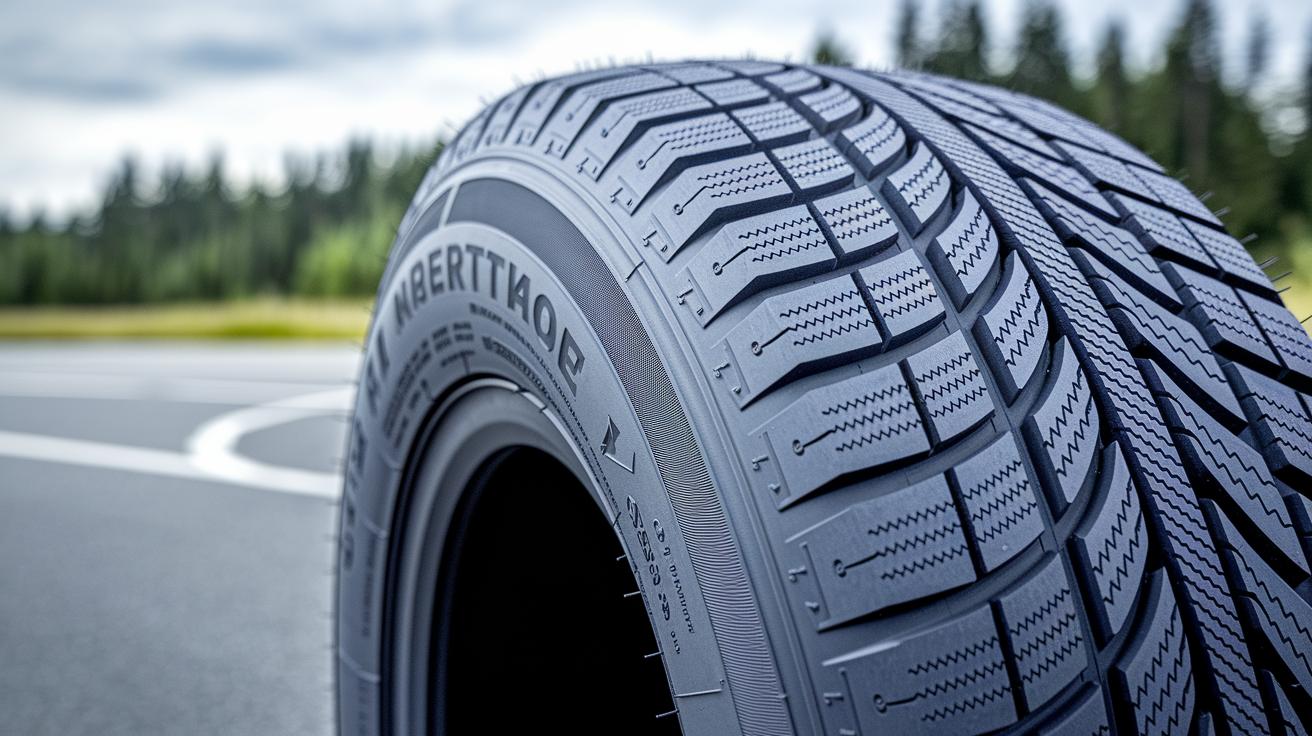


Ever wonder why some tires outlast others? Well, tire treadwear ratings can give you a good head start on figuring that out. These ratings show how long a tire might last (think of it like a mileage multiplier). For example, a tire with a rating of 200 may last about twice as long as one with a 100.
This means you could end up with fewer hassles and more savings over time. Keep in mind, though, that these numbers come from lab tests and offer just an estimate, not a sure thing. They do help you pick tires that match your everyday driving needs.
Tire treadwear rating: Remarkable Tire Endurance
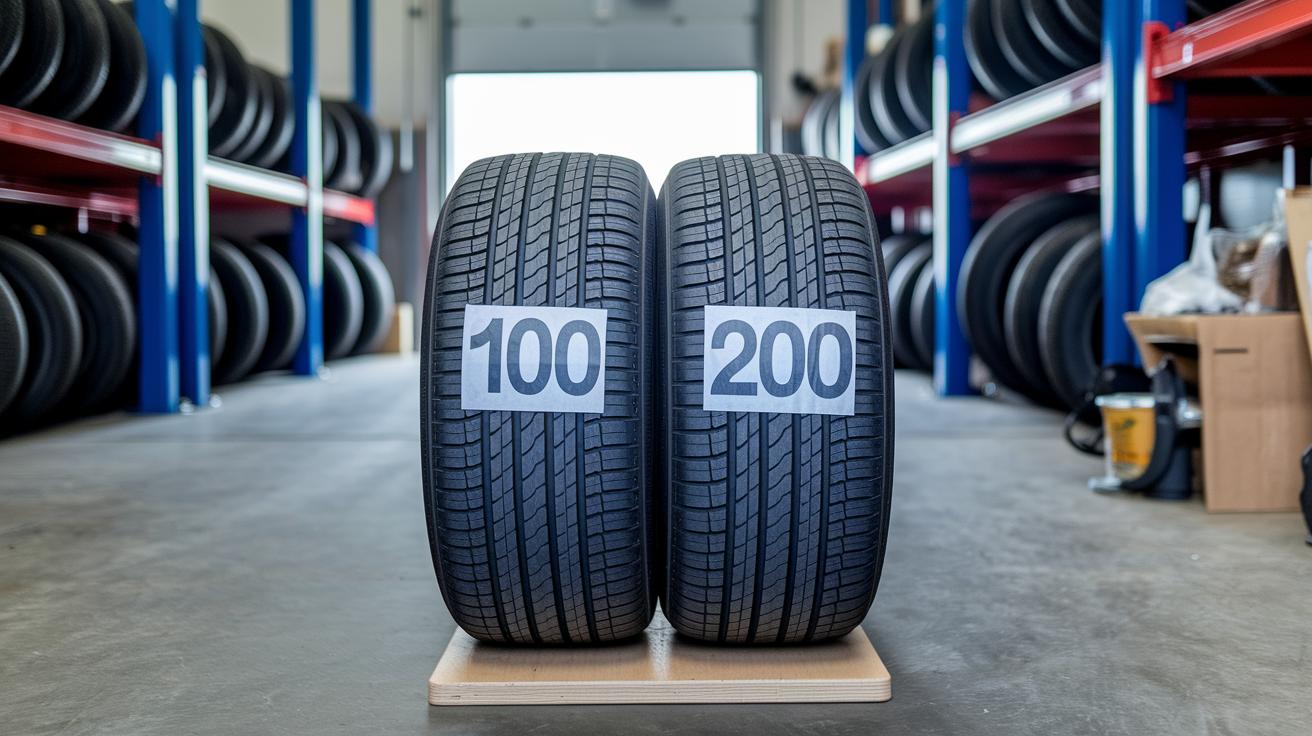
Tire treadwear ratings are simple numbers between 100 and 1000 that help you guess how long your tires might last. The idea starts with a score of 100 as the baseline. So if a tire has a rating of 200, it should last about twice as long as a tire with a 100 rating. On the flip side, if it’s rated at 50, it might wear out twice as quickly as the baseline.
Think of these numbers like a mileage multiplier. A higher rating usually means your tire is built to last longer, which could mean fewer tire changes and savings in the long run. But remember, these ratings aren’t a strict promise of mileage; they’re based on controlled lab tests that give just a rough idea.
Different tires are designed for different purposes, which is why not all ratings can be compared directly. For instance, a tire made for sporty driving might have a lower treadwear rating because it’s built more for quick handling than long life. So when you're picking out tires, consider the rating along with your own driving style, the roads you travel, and how well you take care of your tires.
How Tire Treadwear Ratings Are Measured Under UTQG
Overview of the UTQG System
The UTQG system was started back in 1978 by federal transportation groups to help us figure out how long a tire should last. It checks three things: how fast the tire wears out (treadwear), how well it grips on wet roads (traction), and how it handles heat buildup when driving fast (temperature). For example, the treadwear rating is a number that gives you an idea of how quickly the tire's rubber (the part that actually touches the road) might wear away. Meanwhile, the traction rating shows how well the tire can stop on slick surfaces, and the temperature rating tells you if it can keep its cool under high speeds. Put them all together, and you get a clear picture of what to expect from a tire, making it easier for you to compare different designs.
Treadwear Test Procedure
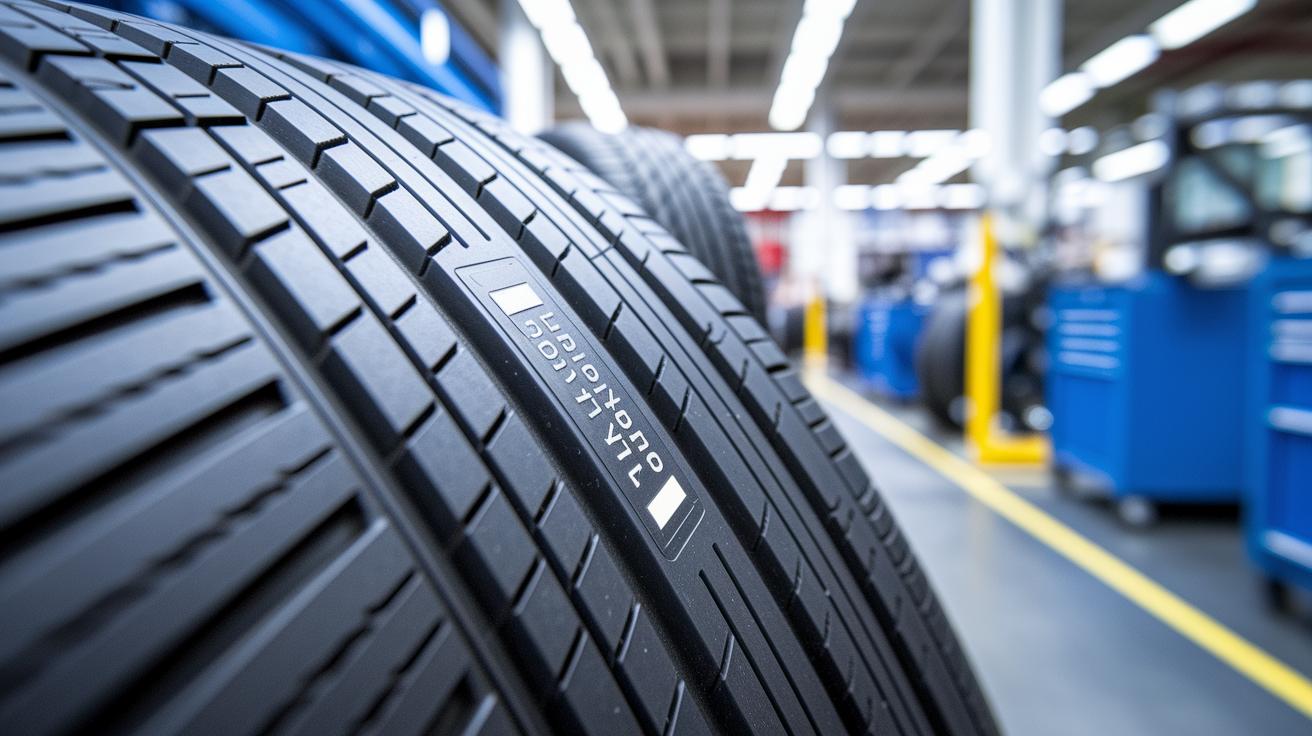
They figure out the treadwear rating by putting a tire on a special test course alongside a standard control tire. Both tires are driven on the same specially prepared track for 7,200 miles. After that long drive, experts compare the wear on the test tire with the control tire. This side-by-side check helps show how durable the tire is and acts like a multiplier to predict its overall life. They use advanced equipment to run these tests – you can learn more about this on Tire Technology if you're curious. Usually, you'll see UTQG codes on the side of most tires, but keep in mind that deep-tread light-truck tires, winter tires, temporary spares, trailer tires, and tires under 12 inches might not show these markings. All this careful testing gives you a clear idea of how a tire will perform over time, helping you make smart choices when it's time to pick new tires.
Using Treadwear Ratings to Project Tire Mileage
Ever checked your tire treadwear rating and wondered what it really tells you? Think of the number as a simple multiplier for how long your tires should last. For example, if a tire is marked with 100, that's our starting point. A tire with a rating of 440 might last about 4.4 times longer, and one rated at 600 could go roughly six times as long. But keep in mind, these numbers are more of a helpful guide than an ironclad promise.
| Treadwear Rating | Estimated Longevity Factor |
|---|---|
| 100 | 1× (Baseline) |
| 440 | 4.4× |
| 600 | 6× |
These estimates come from standard tests that let you compare tires side by side. No tire maker, however, ties a specific mileage guarantee directly to this number. In truth, how long a tire really lasts depends on your driving style, the road and weather conditions, and how well you keep up with routine care (like keeping them properly aligned). If you tend to drive aggressively or brake suddenly, your tires might wear out faster than the rating might suggest.
Imagine planning a road trip knowing your tires are built to hold up much longer than the baseline might indicate. Some drivers even notice that keeping the right tire pressure can really help you get closer to those estimated lifespans. It's a neat little reminder that treadwear ratings should be seen as a guideline, not a strict rule.
In the end, these numbers give you a ballpark idea for tire endurance, helping you weigh costs and performance when you're on the hunt for your next set. Safe driving!
Factors Influencing Tire Treadwear Ratings and Real-World Wear
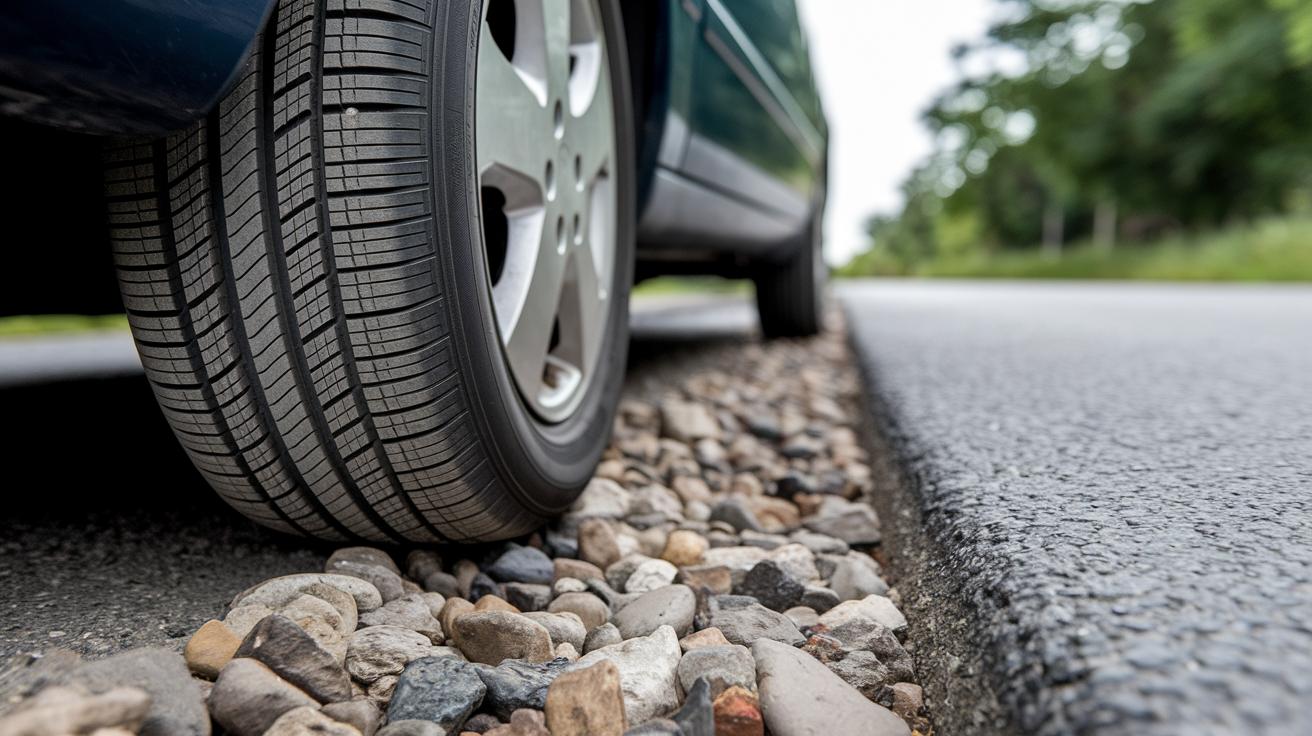
Everyday driving can be quite different from the ideal test numbers you might see. What really matters is the road you take, how you drive, and how well you look after your car. When you drive at high speeds or make sharp turns, you put extra strain on your tire’s rubber. This extra stress can wear out the tire’s grip (the friction between the tire and the road) faster than expected.
The type of road you drive on makes a big difference too. Bumpy roads filled with potholes can wear down the tire tread much quicker than smooth, well-paved roads. Also, frequent hard braking can lead to uneven tire wear. Even small issues, like having the wrong tire pressure (how much air is in your tires) or wheels that aren’t lined up correctly, can speed up wear. Keeping up with regular tire care, like checking your tire pressure, making sure your wheels are aligned, and rotating your tires, can really help them last longer. For more handy tips, check out Preventative Car Maintenance.
Here are five key factors that affect tire wear:
- Aggressive driving and rapid acceleration
- Frequent hard braking or sudden stops
- High speeds that increase friction and heat
- Rough or uneven road surfaces
- Poor tire care, such as incorrect pressure or misalignment
Paying attention to these things gives you more control over how long your tires really last, beyond what standard test numbers might tell you.
Comparing Treadwear Ratings Across Different Tire Models
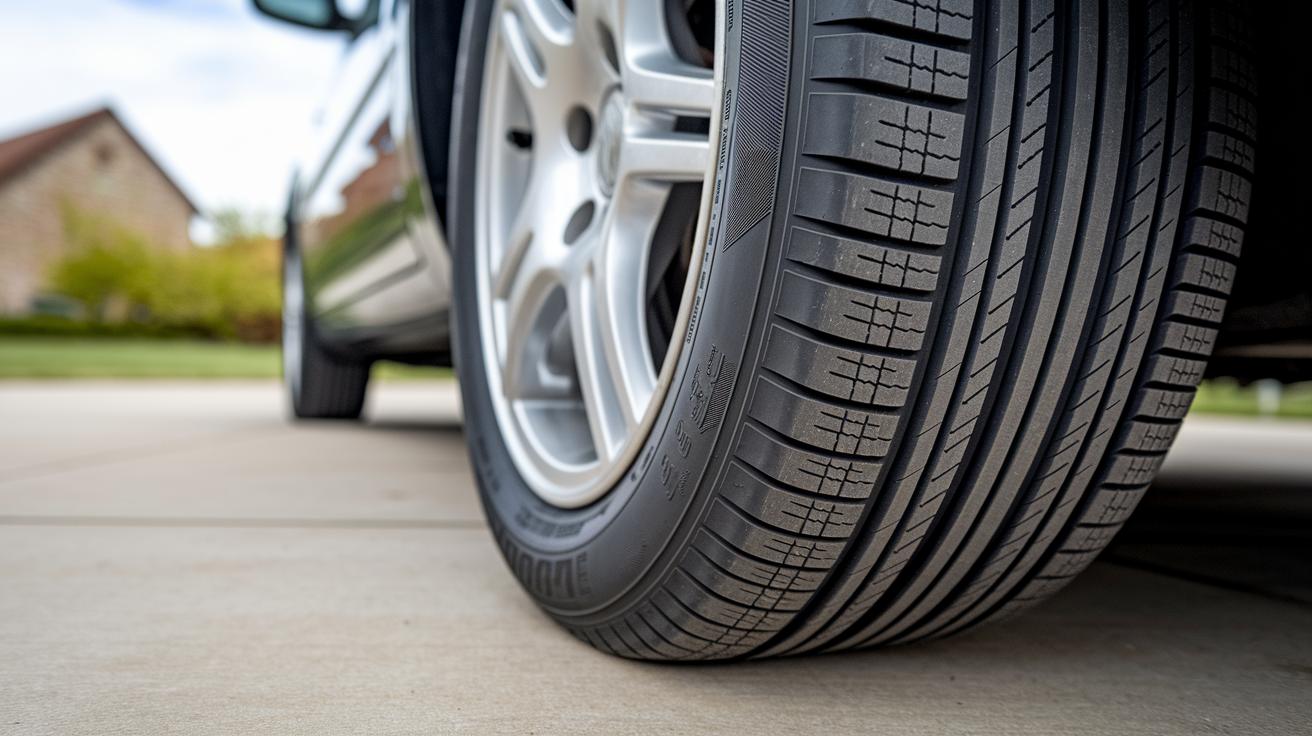
Tire treadwear ratings aren't a one-size-fits-all deal. Different types like summer, all-season, and performance tires come with numbers that match their design and purpose. A tire built for quick responses might show a lower number, while one made for everyday road trips could score higher. In fact, data from over 67,000 models across 20 groups give us a handy benchmark to compare them.
Take the Michelin Premier A/S, for example. This tire sticks to its promise by keeping good grip and handling even as the tread wears. It often meets or beats the average numbers in its category, which shows that it’s built to last.
When you're shopping for tires, it's best not to fixate on just one number. Remember that the type of tire affects the rating, industry averages help set realistic expectations, and performance trade-offs play a big role. Thinking about these points will help you balance how long the tire lasts with how it performs on the road.
Applying Treadwear Ratings to Your Tire Purchase Decision
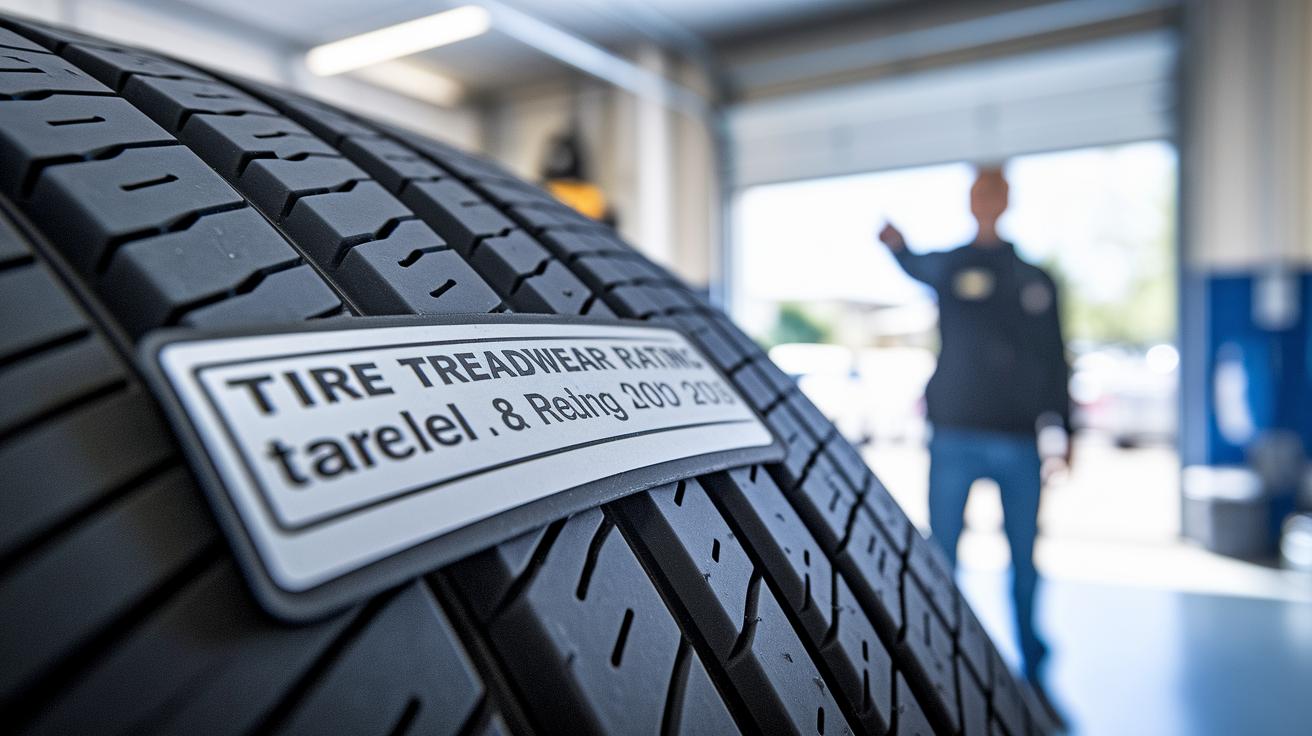
When you're picking out new tires, one detail to check is the treadwear rating. This number tells you roughly how long a tire might last. A higher treadwear rating usually means the tire could stick around for more miles. But, you know, sometimes longer life might mean the tire won't grip the road as tightly, especially in cornering or quick stops. It's a good idea to look at the manufacturer's notes for any hints about changes in traction or braking because of these longer-lasting compounds (the special mix in the tire that wears down over time).
Your everyday driving matters too. If you're mainly on smooth roads and keep to moderate speeds, a tire with a high treadwear rating can be a real money-saver. But if you often drive in heavy rain, twisty roads, or extreme temperatures, you might want to lean toward a tire that focuses more on performance. Think about how you usually drive to decide which trait, lasting longer or better grip, is more important.
Don't forget to check mileage warranties and what other drivers are saying. Many companies offer guarantees that back up the treadwear rating, although your real-world experience might be a bit different. Combine these details with your driving habits and any warranty needs you have. The idea is to strike a balance between long-lasting tires and the performance you need for safe and enjoyable rides.
Final Words
in the action, we looked at how the tire treadwear rating explains tire longevity and helps you understand different tire tests and numbers. We talked about comparing tire models, measuring wear using the UTQG system, and what factors affect tire life, like driving style and upkeep.
We wrapped up by showing how to use these numbers to pick the right tire for your vehicle. Enjoy the ride with confidence and a smooth, reliable grip on the road.
FAQ
What is a tire treadwear rating calculator?
The tire treadwear rating calculator estimates tire life by multiplying the baseline mileage with the tire’s rating number. It gives a quick look at how long a tire might last.
What does a tire treadwear rating chart show?
The tire treadwear rating chart lists common ratings alongside their longevity factors. It lets you compare tire durability estimates easily when you’re shopping for new tires.
How is tire treadwear rating discussed on Reddit?
The tire treadwear rating is discussed on Reddit by sharing personal mileage estimates, care tips, and real-world experiences. Users compare ratings with actual usage under various conditions.
How do treadwear ratings relate to tire mileage?
The treadwear rating represents a multiplier of a baseline tire life. For instance, a 300 rating means roughly three times the life, a 500 rating about five times, and a 600 rating about six times the baseline.
What does a tire traction rating indicate?
The tire traction rating measures a tire’s grip on wet roads using letter grades. It is separate from treadwear and gives insight on stopping and handling performance in wet conditions.
What is special about the tire treadwear rating in 2021?
The tire treadwear rating in 2021 reflects updated testing methods and current industry standards, offering a modern comparison of tire durability across recent models.
How well does a 420 treadwear rating perform?
The 420 treadwear rating indicates roughly 4.2 times the baseline tire life. It generally offers balanced performance, though actual mileage depends on driving style, conditions, and maintenance habits.
What does 100% treadwear life mean?
The term 100% treadwear life means the tire is completely new, expected to wear out over the full estimated mileage. Real-life results may vary depending on use, road conditions, and upkeep.

