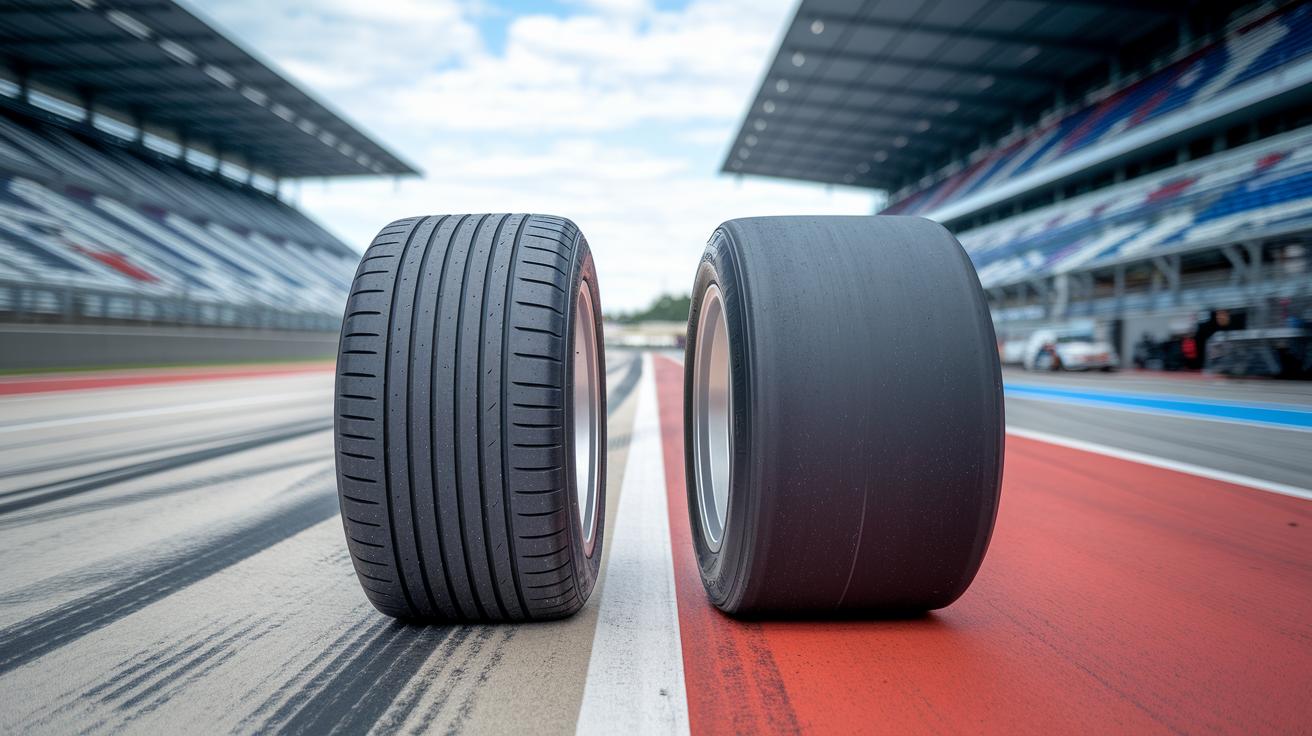


Ever think about how your tires handle both exciting speed and everyday safety? There are two worlds when it comes to sport tires. Track tires warm up quickly for a tight, quick grip on smooth roads, helping you shave seconds off your lap times. On the other hand, street tires stick with you through your daily drives, doing well on both wet and dry roads while lasting longer. Next, we’ll break down the differences to help you choose the best fit for your driving needs.
Sport Tire Comparison: Street vs Track Performance at a Glance
Track tires are made for high-speed thrills. They use soft, heat-loving rubber and have a low-profile design (meaning the sidewall is short), which helps boost grip and steering on smooth roads. These tires are all about quick responses on the racetrack where every split-second matters. Even if your car packs tons of engine power and has great brakes, a tiny contact patch (the little area where the tire touches the road) can change your whole performance.
Street tires, on the other hand, are built for everyday driving. They strike a balance between grip and lasting durability by using harder rubber and deeper treads. This makes them work well in both wet and dry conditions. For example, advanced high-performance street tires can still deliver impressive grip even when conditions get tough.
When you look at performance numbers, the differences really stand out. Track tires can cut 1–2 seconds off lap times per corner because their special racing compounds heat up fast, giving extra lateral grip that makes you feel like your car is glued to the track. Street tires keep a larger contact patch over thousands of kilometers, ensuring you have consistent braking and steering performance no matter what the road throws at you. It’s like comparing a sprint car that bursts with energy for a few laps to a family sedan that stays steady mile after mile.
At the end of the day, tires for race days and everyday drives need different features. Track tires offer incredible grip and precision for competitive events, while street tires combine safety and endurance for daily use. High-performance track tires trade off some longevity for speed, whereas street tires are all about reliability, especially in wet weather. Imagine the rush of cornering on a track with tires that feel custom-made for speed versus the comfort of knowing your street tires will reliably carry you through your weekly commute.
Rubber Compound Analysis and Tread Design for Street and Track
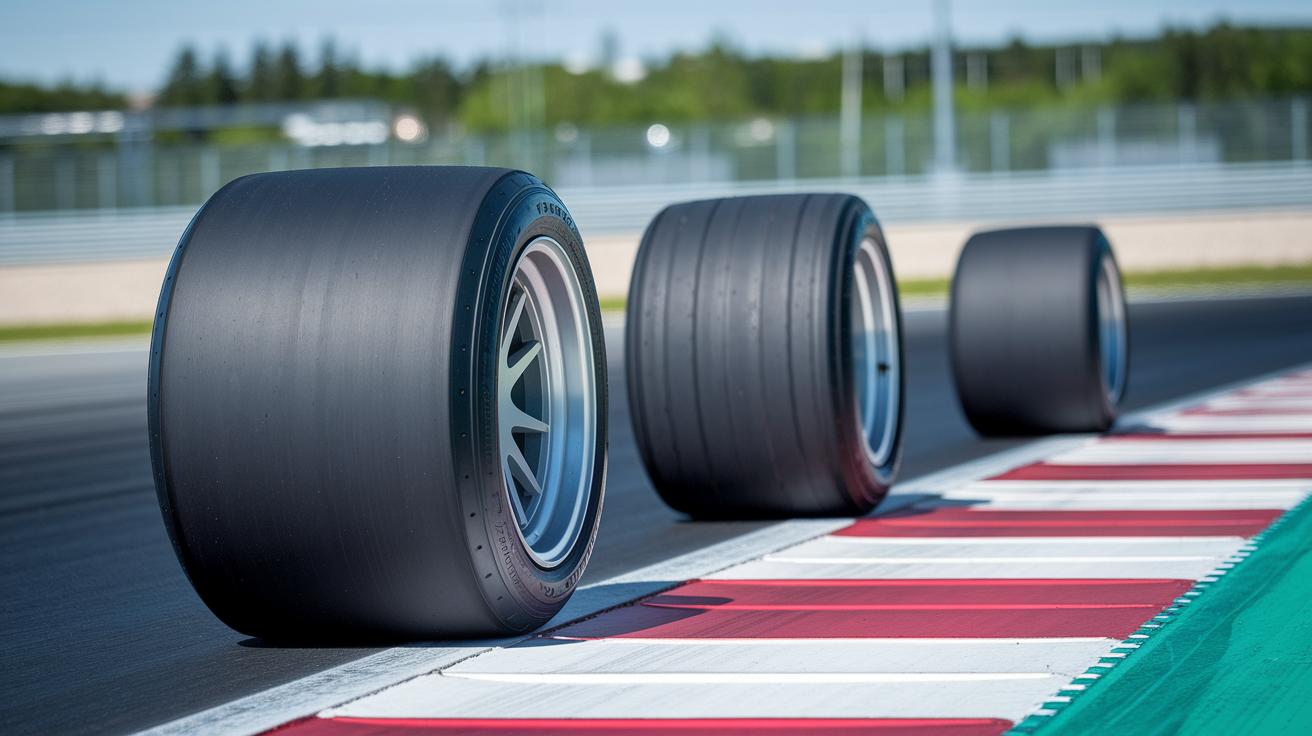
Racing tires use a softer rubber that heats up in seconds, giving you fast grip when you push hard. They warm up quickly and offer great traction for high-speed moves, but they tend to wear out sooner. Meanwhile, street tires use a harder rubber that lasts longer and keeps your ride steady for everyday driving.
Semi-slick tires bring the best of both worlds. They blend track-level rubber with road-friendly tread patterns, so you get quick grip along with the safety marks required for public roads, like an “E” mark, for example.
Racing tires can hit their ideal temperature in about 60 seconds, boosting traction right away. In contrast, street tires are built for a constant, reliable feel over thousands of miles. Semi-slick tires keep that rapid grip while meeting safety standards for street use.
Here's what makes each type unique:
| Type | Features |
|---|---|
| Track Tires | Smooth surface for extra dry grip and low-profile design for stability in sharp turns |
| Street Tires | Deep grooves to channel water and taller sidewalls that absorb bumps for a smoother ride |
| Semi-slick Tires | Minimal tread for high grip paired with approved safety marks |
A homologation mark shows that a tire meets legal safety standards for street use, blending top performance with the regulations you need for safe driving.
Grip, Handling, and Cornering Dynamics in Street vs Track Tires
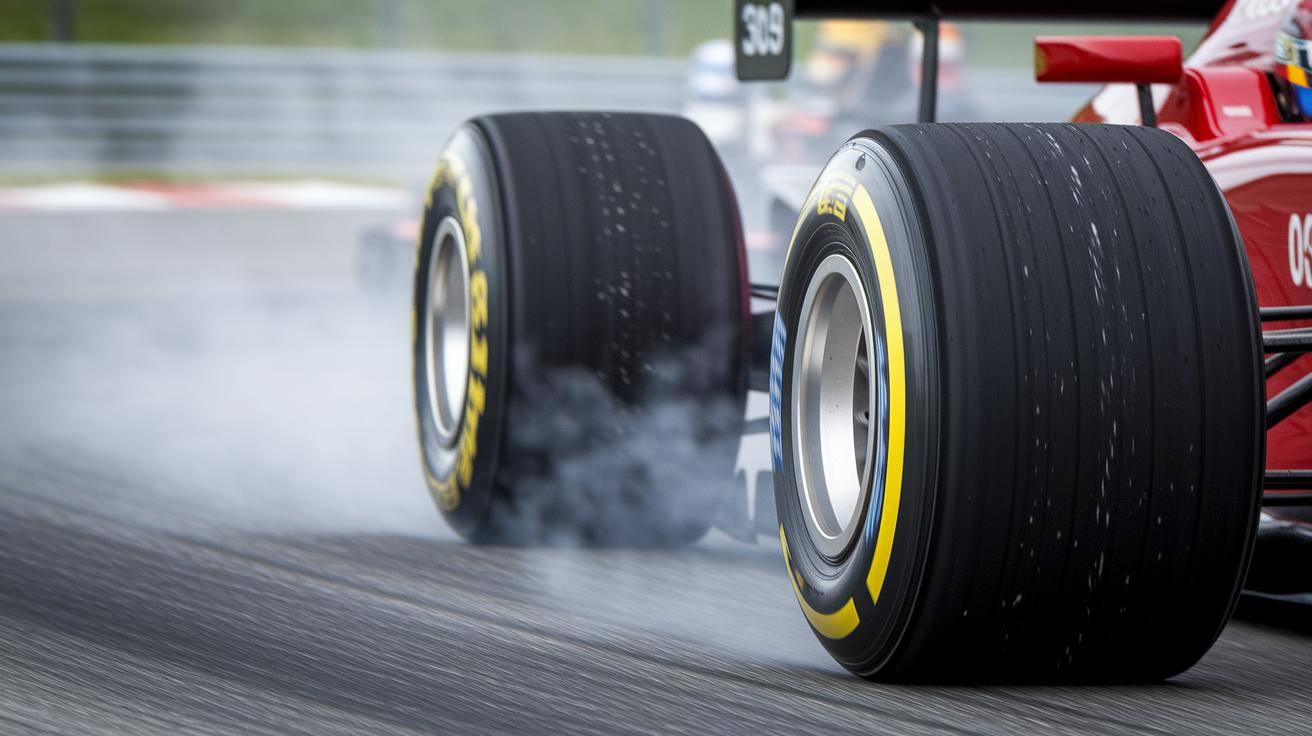
Track tires are built to hug the road tightly. They give extra grip (think of it like the tire sticking well) on fast turns so you can feel in control. When you push a fast corner, these tires can save you a couple of seconds per lap by giving you a very precise steering feel.
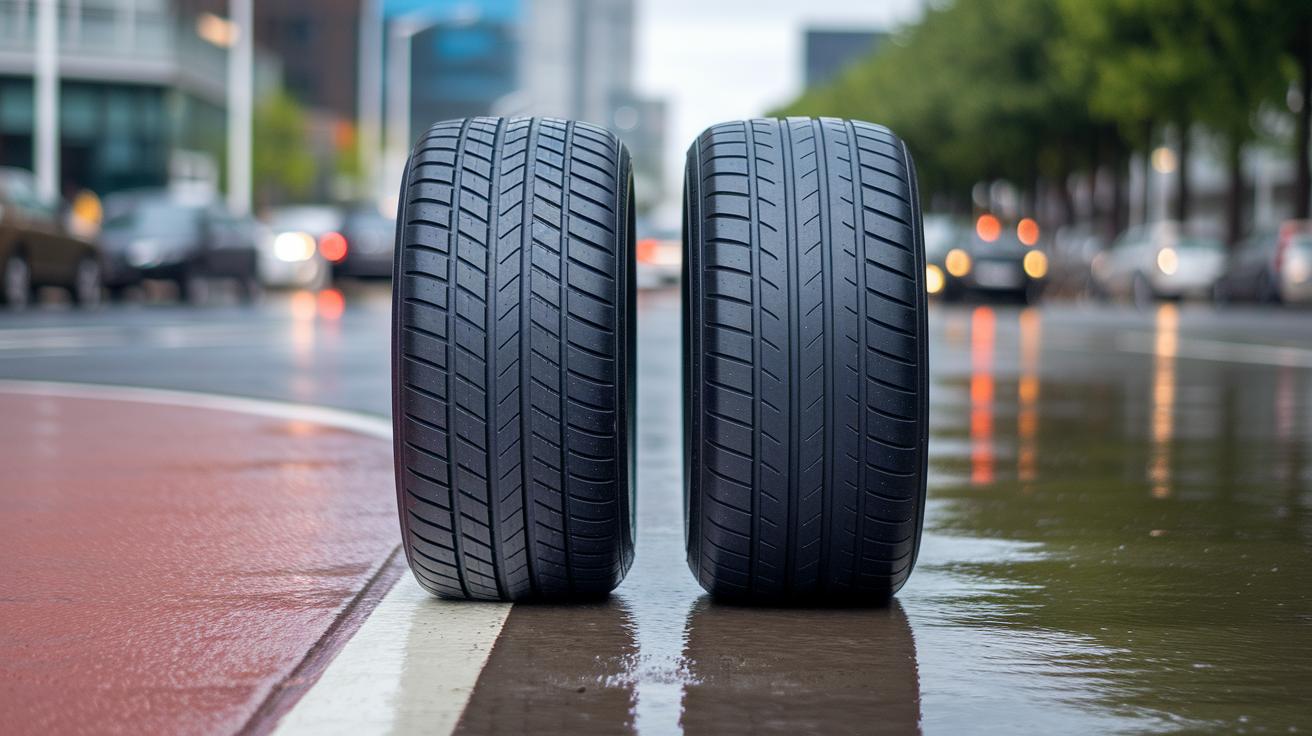
Street tires, on the other hand, are more balanced. They work well across many temperatures and make braking and control feel predictable in everyday driving. For example, when you’re turning on a wet city street, street tires help you stay steady, while track tires with their stiffer sidewalls give a sharper response – though that might come with a firmer, less comfy ride on regular roads.
| Tire Type | Lateral Grip Coefficient | Optimal Temp Range | Ride Comfort Impact |
|---|---|---|---|
| Street | Moderate (e.g., 0.8) | Broad Range (50°F – 90°F) | Softer ride for daily driving |
| Track | High (e.g., 1.2) | Narrow Range (80°F – 120°F) | Stiffer and more responsive but less comfy |
The firmer sidewalls on track tires give you extra steering precision and a real sense of the car’s feedback. That means on tight, quick curves you feel more connected to how the car moves, letting you make tiny adjustments for the best performance. Meanwhile, street tires are set up to focus on comfort and steady handling in all kinds of road conditions. This mix makes them a reliable choice for everyday driving. Check out more details on modern tire technology if you’re curious.
Durability, Wear Rate, and Heat Management
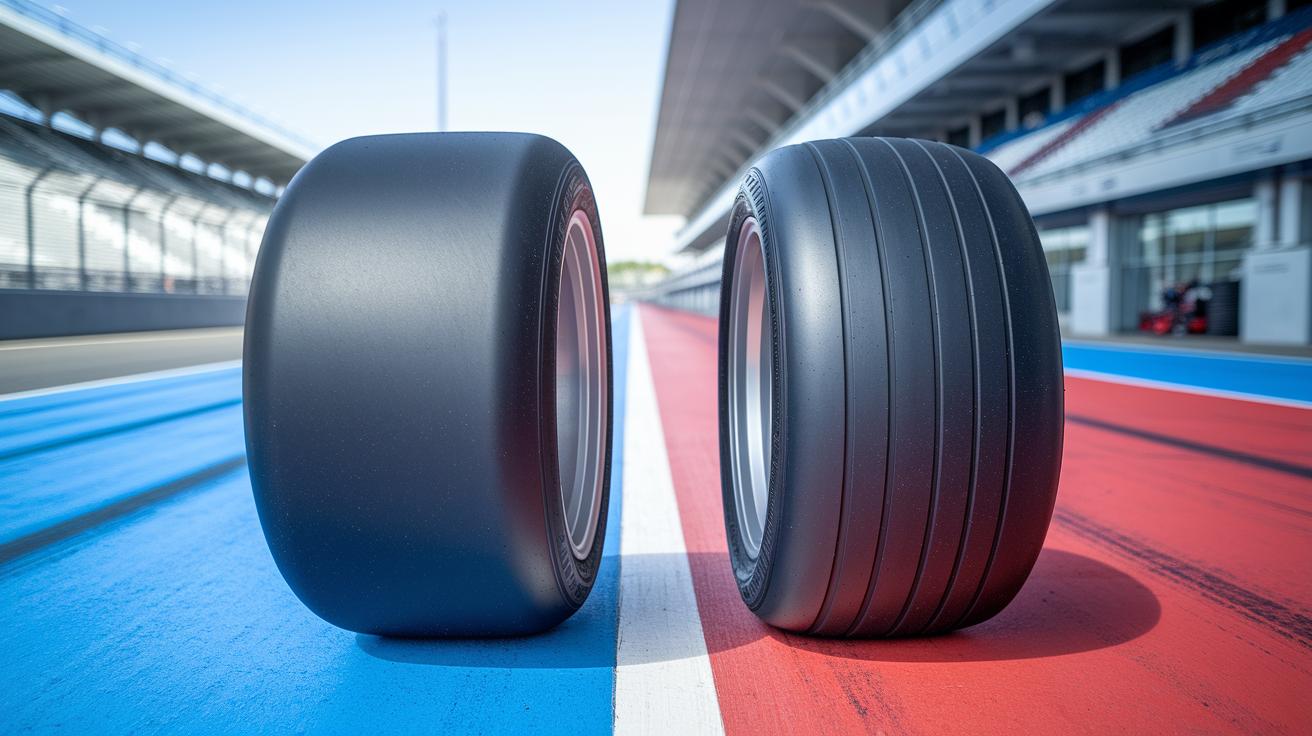
Track tires are made for high-speed action. They use soft, racing rubber that heats up fast so you get extra grip in every tight turn. But that same feature means they wear out quickly and sometimes need replacing after just a few laps. The extra friction and heat boost grip but also make the tires tired faster, which can lead to higher costs if used on the track a lot.
Street tires, on the other hand, are built to go the distance. They can cover over 40,000 km because they use a balanced mix of rubber and have extra-strong sidewalls. Their deeper, carefully designed grooves help spread out heat using heat-resistant compounds, keeping them steady and reliable for everyday driving no matter the conditions.
- Check tire temperatures during tough drives to catch any extra heat.
- Keep the air pressure at the recommended level to get the best grip and cut down on friction.
- Rotate your tires regularly so they wear evenly.
- Use special compounds for track sessions to help reduce heat buildup.
- Let your tires cool down between high-speed drives to keep them from getting too tired.
- Look at the tread depth often to spot early signs of wear and help manage heat.
Safety, Regulatory Standards, and On-Road Efficiency

Street tires have to pass some tough tests to meet US DOT or European ECE rules. They’re checked for how fast the rubber wears out (tread wear) and go through wet and braking tests to prove they work well in different conditions. Racing slicks, which don’t have grooves to push water away, fail these tests and are unsafe and illegal for public roads. So even though racing tires grip amazingly on dry tracks, they just don’t work when it rains or the road is wet.
On everyday drives, it’s crucial that your tires handle wet conditions smoothly and help with fuel economy too. Street tires come with deep grooves that quickly push water off the surface, reducing the chance of hydroplaning. Also, their special rubber mix and tread design cut down on rolling resistance (meaning less energy wasted), making your ride more fuel efficient. These features are key for keeping a good balance between performance and safety.
- Tread-wear indicators alert you when it’s time for a replacement.
- They meet strict DOT and ECE rules for reliable braking.
- Their grooved design channels water away to lower hydroplaning risks.
- They reduce rolling resistance to boost fuel efficiency and on-road performance.
Selecting the Right Sport Tire for Your Driving Profile
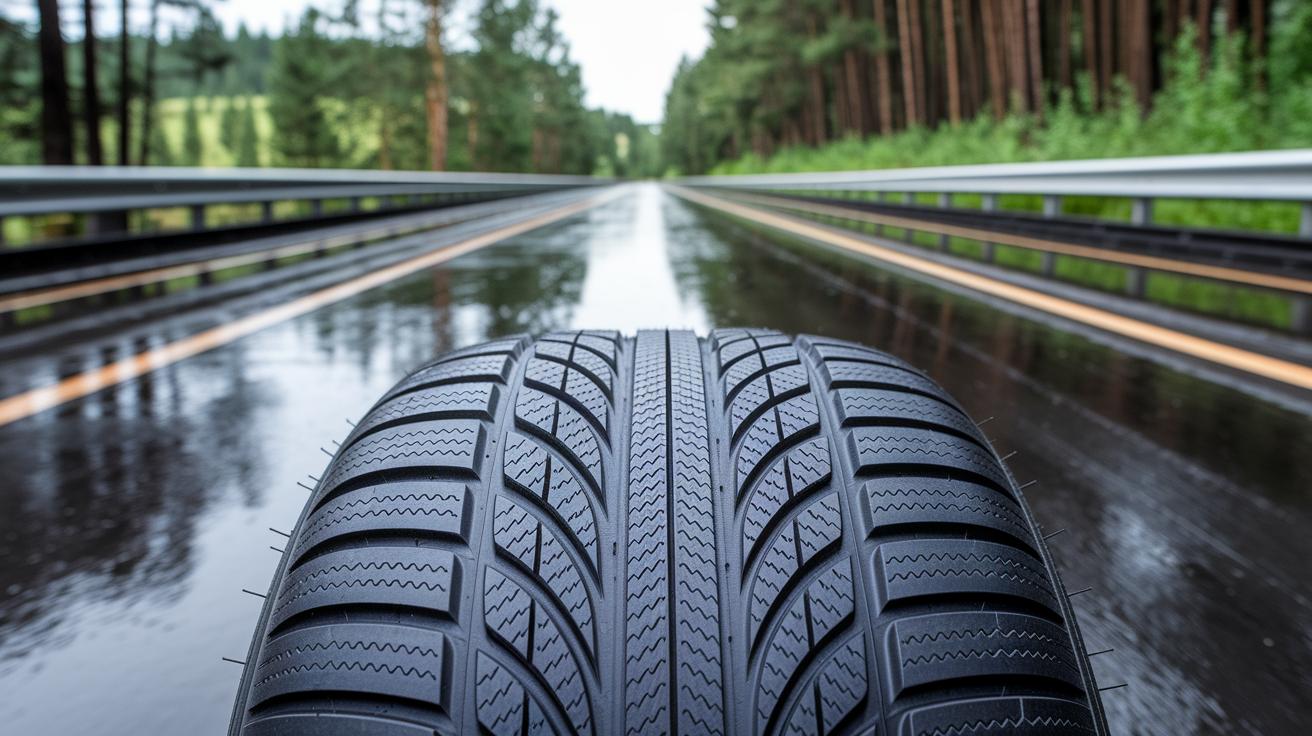
When picking a sport tire, start by thinking about how you usually drive. If you hit the track a lot, you might opt for tires that deliver high performance even though they wear out sooner. But if you mostly drive on public roads with the occasional fun, twisty turn, tires that last longer and stand up to rainy, bumpy roads can be a better pick. Take a moment to consider your usual routes, weather patterns, and how hard you really push your car. For instance, a racer might choose a tire that warms up fast and gives superb grip for quick bursts, while someone who drives daily will likely appreciate the comfort and long-lasting wear of street tires.
Pros and Cons of Dedicated Track Tires
• They provide amazing grip and respond quickly on smooth, dry roads.
• Their softer rubber warms up quickly, offering top-notch traction for high-speed corners.
• They need replacing more often and can cost more to run if used frequently.
• They work best in dry, controlled settings and may not perform well when it’s wet.
Benefits of Performance Street Tires
• They balance good performance with durability for everyday driving on different types of roads.
• Their longer-lasting compounds keep a steady grip even when the weather changes.
• They are designed with deeper grooves that help push water away, cutting down on the chance of hydroplaning (when water causes your tires to lose contact with the road).
• They offer better cost-effectiveness and comfort, making them a smart choice for daily commutes and the occasional spirited drive.
Final Words
In the action, this article broke down key points about tire grip, design, and durability for both track and urban use. We looked at tire compounds, tread patterns, and safety guidelines alongside side-by-side performance numbers. This clear look at comparing sport tires: street versus track performance helps you understand how each type fits different driving needs. With this guidance, you can make choices that boost your confidence and safety on the road. Keep moving forward with a smile and drive smart.
FAQ
DOT race tires motorcycle
DOT race tires for motorcycles mean tires built for speed and performance on the track while meeting DOT safety standards for street use. They offer improved grip and handling compared to regular street tires.
What are track tires?
Track tires provide exceptional grip and stability in high-speed conditions. They heat up quickly to deliver maximum adhesion, making them ideal for closed-circuit racing and precision cornering.
What is the difference between street, road, and track tires?
The main differences lie in their design and performance. Track tires focus on superior grip and rapid temperature buildup, while street or road tires balance durability, wet/dry performance, and longer wear.
Are track tires suitable for daily driving, and can they be used on the street?
Track tires are built for performance on the circuit and aren’t the best choice for daily driving. They wear quickly, may lack proper wet traction, and often don’t meet regular road safety standards.

