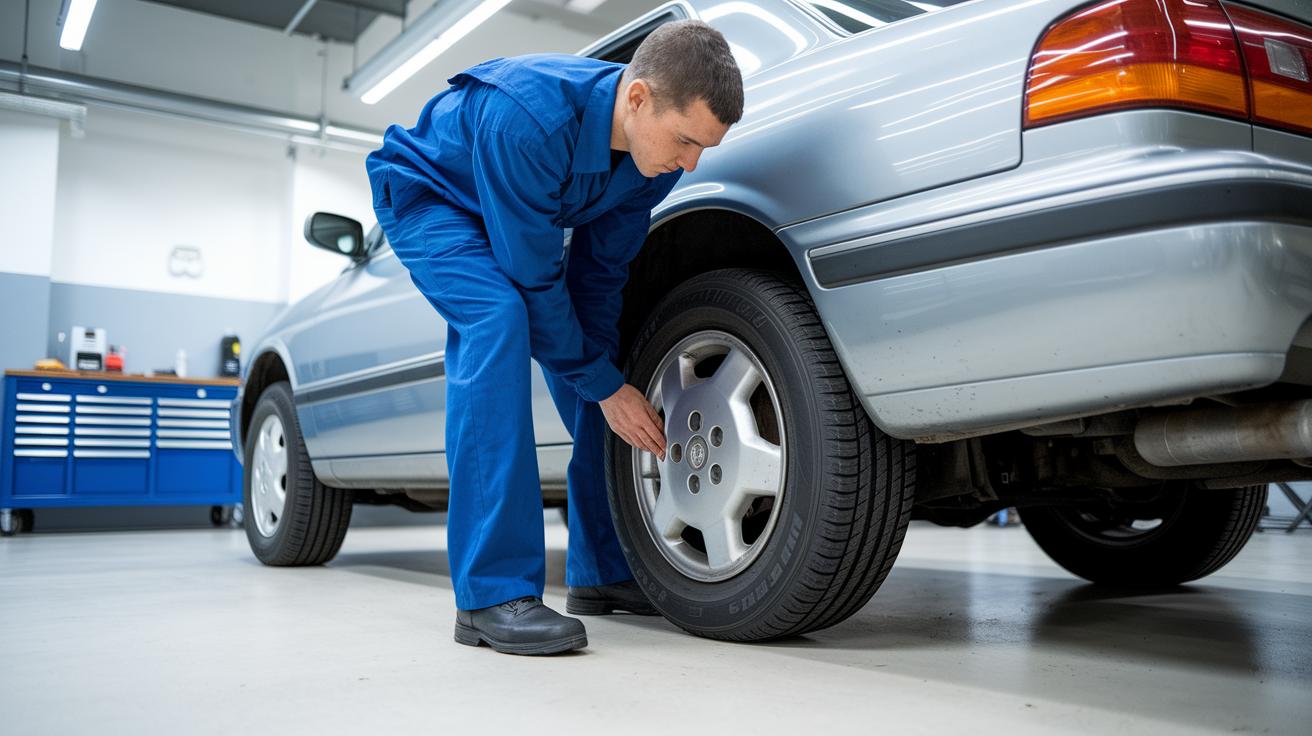


Ever notice that a smooth ride might start with a simple tire rotation? Many drivers with cars that have seen a lot of miles swear by a smart rotation plan. Think of your car like a team, each tire gets its turn to face the road. By switching them around (moving them from one spot to another to even out wear), you can avoid some tires wearing out too fast and even save money over time.
This guide shares a few easy tips to help your tires stick around longer. It’s like giving your car a little tune-up that makes every drive smoother and safer. Isn't it cool how a simple trick can boost your car's performance?
Expert Tire Rotation Techniques for High-Mileage Vehicles
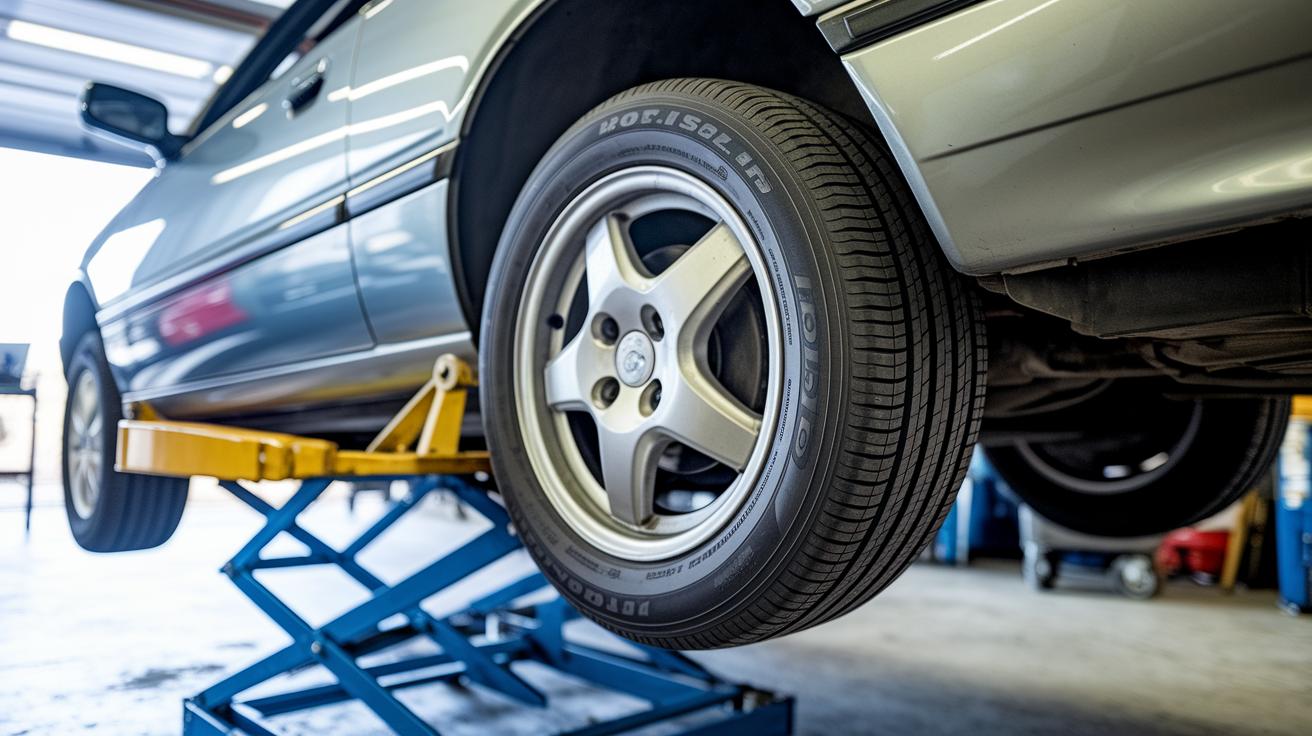
Tire rotation is simply the process of switching your tires' positions so they wear out more evenly and last longer. It’s like giving each tire a fair chance to shine, much like teammates sharing the load on a long drive. When you rotate your tires, you even out the wear patterns that come from logging lots of miles. It’s a bit like taking a quick pit stop that keeps your car’s grip steady and its handling smooth.
For cars that have seen a lot of road time, keeping tires in top shape is super important. Regular tire rotations help improve traction and overall stability, making your ride feel more confident on the road. Most vehicles do best when you rotate their tires every 6,000 to 8,000 miles. Staying on schedule means you’re less likely to face problems like uneven tread wear, and honestly, it can save you money by avoiding premature tire replacement.
Next, we’re going to look at how different tire rotation patterns work best for various drivetrains. Whether your car drives with front-wheel, rear-wheel, or all-wheel power, there’s a pattern out there that fits your vehicle perfectly.
Customized Tire Rotation Patterns for Aging Vehicles by Drivetrain

If your car has racked up lots of miles, rotating your tires the right way can really help extend their life. When you start to notice uneven wear (when one part of your tire wears down faster than the other), swapping your tires following the right pattern can make a big difference, keeping you safe and smooth on the road.
For cars with front-wheel drive, a common approach is the forward cross pattern. This means you move the front tires to the back, while the rear tires shift diagonally to the front. For those with rear-wheel drive, the rearward cross pattern is best, where the back tires slide straight to the front and the front tires go diagonally back. If your vehicle has an all-wheel drive system, try a side-to-side rotation, which simply means trading tires on the same axle to balance out wear.
You can check out more details about these rotation methods at the provided link.
| Vehicle Type | Rotation Pattern | Interval (miles) |
|---|---|---|
| Front-Wheel Drive | Forward Cross Pattern | 6,000–8,000 |
| Rear-Wheel Drive | Rearward Cross Pattern | 6,000–8,000 |
| All-Wheel Drive | Side-to-Side Rotation | 5,000–7,000 |
It’s a smart move to peek at your car’s owner manual for any model-specific tips. Every car is a little different, and following your manufacturer’s advice helps you avoid surprises. By taking care of your tire rotation in a way that suits your ride, you’ll keep your vehicle running with steady grip and handling, mile after mile.
Interval Planning and Scheduling for Tire Rotation on High-Mileage Vehicles
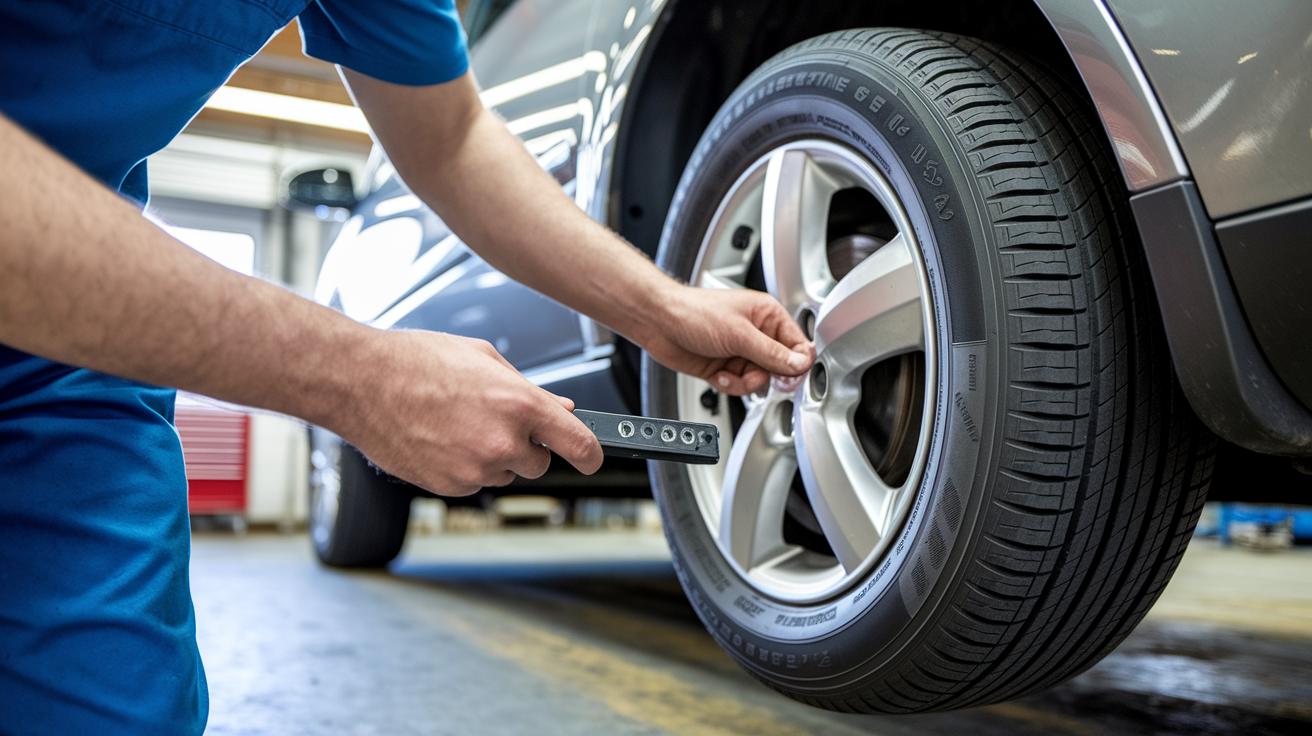
It’s really important to set up a tire rotation schedule so all your tires wear evenly. Most owner’s manuals say to swap them every 6,000 to 8,000 miles. But if you have all-wheel drive, you might need to rotate them a bit sooner, around 5,000 to 7,000 miles. This fits nicely into your regular car care routine, like when you get an oil change or a brake check, kind of like following a handy car maintenance checklist.
Also, take a moment to check your tire date codes to know how old your tires are. Tires older than six years may not grip the road as well because the rubber can start to break down as it ages. I once heard about a driver who found out his tires were eight years old. A closer look revealed signs of dry rot, and he had to replace them right away. Keeping an eye on these details helps you plan your tire rotations along with other routine car services, ensuring your ride stays safe and smooth.
Step-by-Step DIY Tire Rotation on High-Mileage Cars
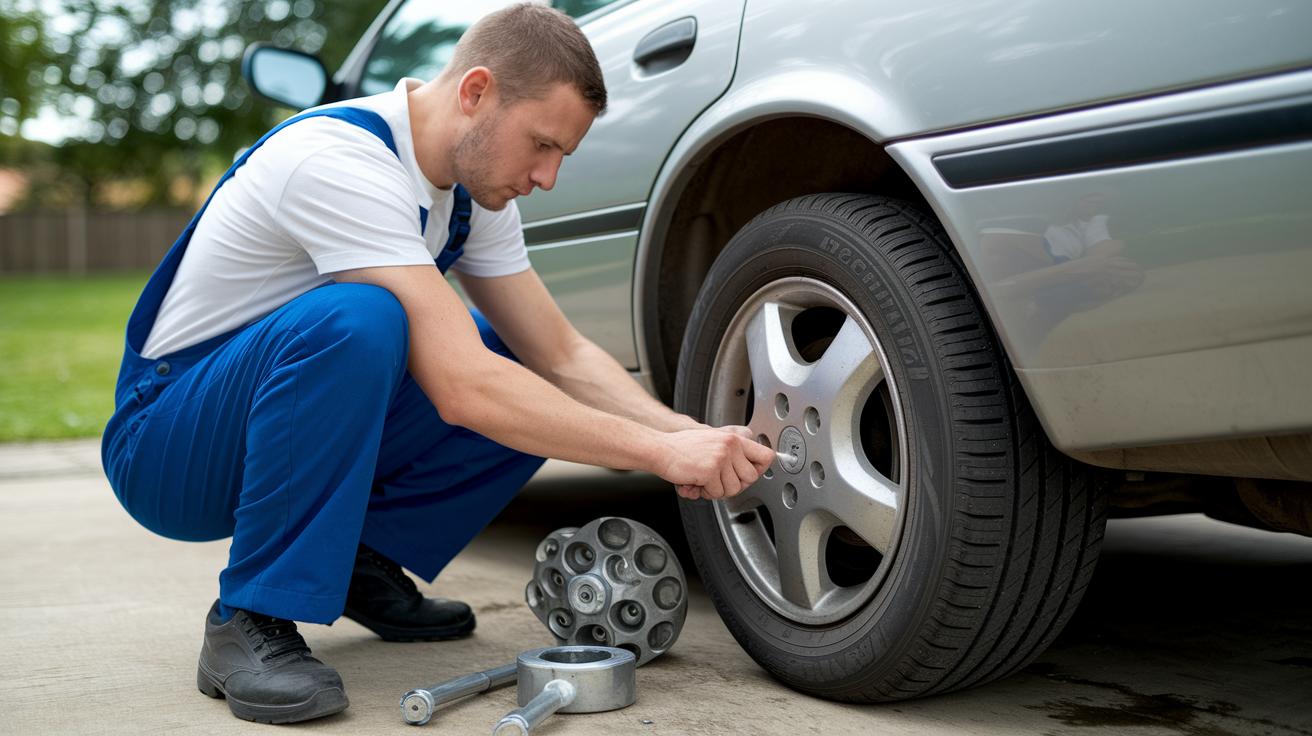
Before you get started, make sure your work area is safe and ready. Park on a flat, level surface, engage the parking brake, and gather all your tools, a jack, jack stands (for extra safety when working underneath your car), a lug wrench, and a torque wrench. It’s always better to set up right, saving you time and worry later.
Now, let’s take it step by step:
- First, park your vehicle on even ground, set the parking brake, and, if you have them, place wheel chocks to keep everything secure.
- Next, slightly loosen the lug nuts on every tire with your lug wrench. Doing this while the tires are still touching the ground makes the job easier later.
- Carefully position the jack under the proper jacking point and lift the car until the tire lifts off the ground. Then, add the jack stands underneath to keep the car safe before you remove the tire completely.
- Once everything is secure, remove the tire. Pay attention to its position, especially if you're following a rotation pattern designed to balance out uneven wear on high-mileage vehicles.
- After repositioning the tires according to your chosen pattern, hand-tighten the lug nuts just enough to hold the tire in place while the car is still raised.
- Finally, lower the vehicle back down and use the torque wrench to tighten the lug nuts in a star pattern. This method ensures the bolts are evenly tightened to the proper specifications, giving you steady and reliable pressure on each wheel.
After you're done, give your tire pressure a quick check. Keeping it balanced is key to a smooth, safe ride on roads that have seen many miles.
Advanced Tire Rotation Care: Balancing, Alignment, and Wear Analysis
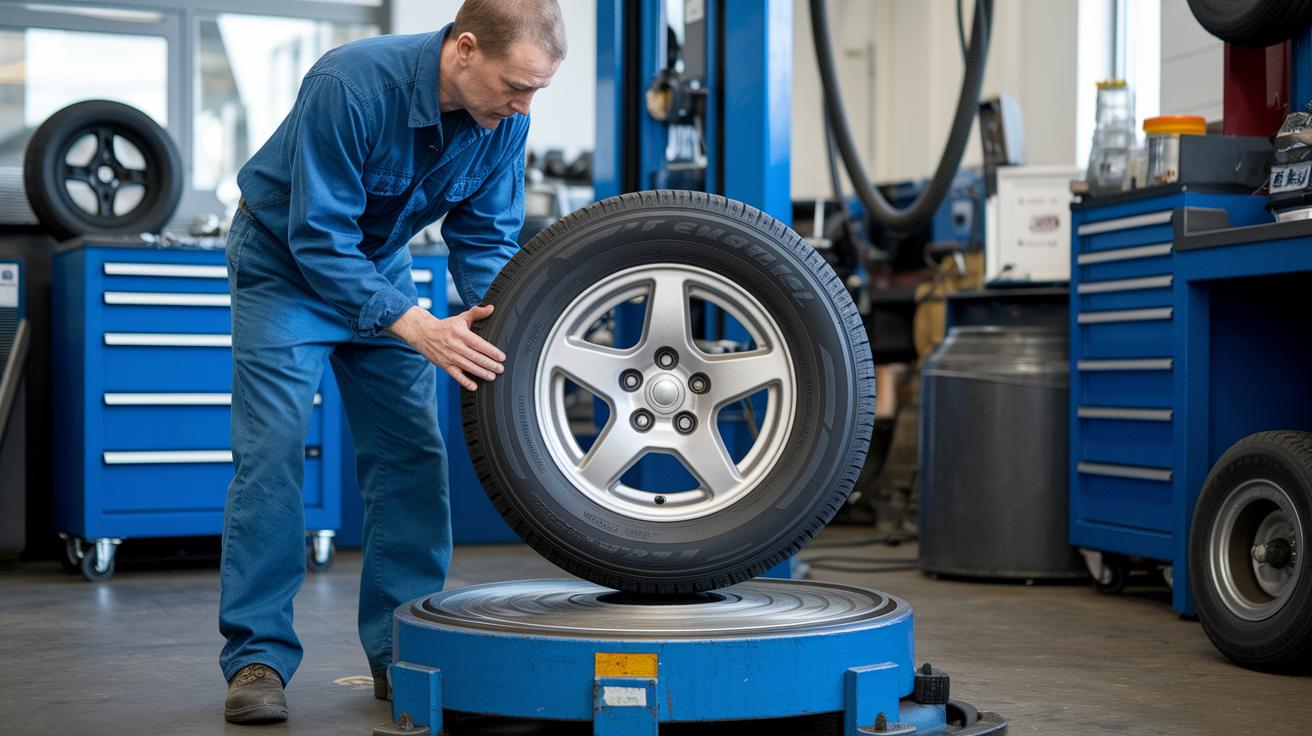
Once you rotate your tires, it’s a smart move to check that your wheels are balanced. Balancing your wheels helps keep vibrations and uneven tire wear (how fast the tire's surface wears down) at bay. Think of it like tuning a guitar – even a tiny imbalance can throw off the smooth feel of your ride. A technician will use a special machine to spot any wobbling and add little weights where needed. This extra care not only prevents the tires from wearing unevenly but also protects your suspension and brakes, making your car safer mile after mile. Ever notice a little shake in the steering wheel that just goes away after a proper balance? That’s a clear win.
Next, proper alignment adjustments help your tires wear evenly over time. When you check for alignment, the focus is on camber (the tilt of the tire) and toe (the angle showing if your tires point in or out). Adjusting these settings stops one side of the tire from wearing out faster than the other. It’s a good idea to get your alignment checked at least once a year or whenever you see signs of uneven wear. Think of your tires like runners on a track – if they start off at different angles, the whole system gets thrown off. Keeping both your alignment and balance in check means a smoother ride and tires that last longer.
Troubleshooting Common Wear Issues in High-Mileage Tire Rotation

High-mileage tires often show signs of uneven wear such as inner shoulder wear, outer shoulder wear, cupping, and feathering. These patterns mean one part of the tire is wearing faster than another. For example, you might notice cupping, small dips forming along the tire's surface, hinting at inconsistent contact with the road. Such issues can affect traction and overall safety on the road.
Misalignment, worn suspension parts, and underinflation are common root causes behind these irregular wear patterns. In some cases, switching up your rotation method, like a front-to-back pattern for directional tires, can help even out the wear over time. Matching these corrective actions with timely inspections not only preserves tire performance but also reduces stress on your vehicle’s braking systems. For broad advice on vehicle upkeep, consider checking out the tips on high mileage car maintenance.
Keep in mind that if your tires show a tread depth under 2/32" or if you spot any damage on the sidewalls, it’s a clear indicator that replacement is needed right away.
Final Words
In the action, we reviewed how tire rotation helps extend tire life and improves vehicle safety. We talked through the basics of repositioning tires, the right intervals to check wear, and step-by-step DIY tips for every drivetrain. We even touched on balancing and alignment after the swap, so you can head out with steady, reliable tires. Keep practicing these tire rotation techniques for high-mileage vehicles, and you’ll keep enjoying smooth, safe rides.
FAQ
What are the best tire rotation techniques for high mileage vehicles?
The best tire rotation techniques for high mileage vehicles include using proper patterns based on your drive type. These methods help even out wear and extend your tire lifespan when done at the right intervals.
What are the recommended tire rotation patterns for different drivetrains?
The tire rotation pattern varies by drive type. Front-wheel drive vehicles often use a forward cross, rear-wheel drive uses a rearward cross, AWD models benefit from side-to-side rotation, and 4×4 systems usually follow a standard pattern.
How much does tire rotation typically cost?
Tire rotation cost generally ranges from about $20 to $50 at most service centers. Price can vary based on location and vehicle type but is a small price to pay for longer tire life.
Is tire rotation necessary for maintaining tire health?
Tire rotation is necessary because it evens out wear, improves handling, and extends tire life. Regular rotations help prevent premature tire replacement and keep your ride smooth and safe.
Is it okay to rotate tires every 10,000 miles or is 5,000 miles too soon?
Rotating tires every 10,000 miles might be too long for many vehicles, and 5,000 miles can be acceptable for some AWD models. It is best to consult your owner’s manual for proper intervals.
Do you rotate tires front to back or diagonally?
Tire rotation patterns vary. For many front-wheel drives, tires are switched front to back using a crossed pattern, while some directional tires may be rotated in a straight swap based on manufacturer recommendations.

