


Have you noticed your tires getting really warm when you drive hard? Quick starts and sharp turns can heat them up faster than you might think. When they get hot, the way your tire holds the road changes, which can affect how your car handles and even put you at risk. In this post, we break down why tire heat builds up during aggressive driving and share some tips to help you avoid potential issues on your next drive.
Aggressive Driving’s Impact on Tire Heat Buildup
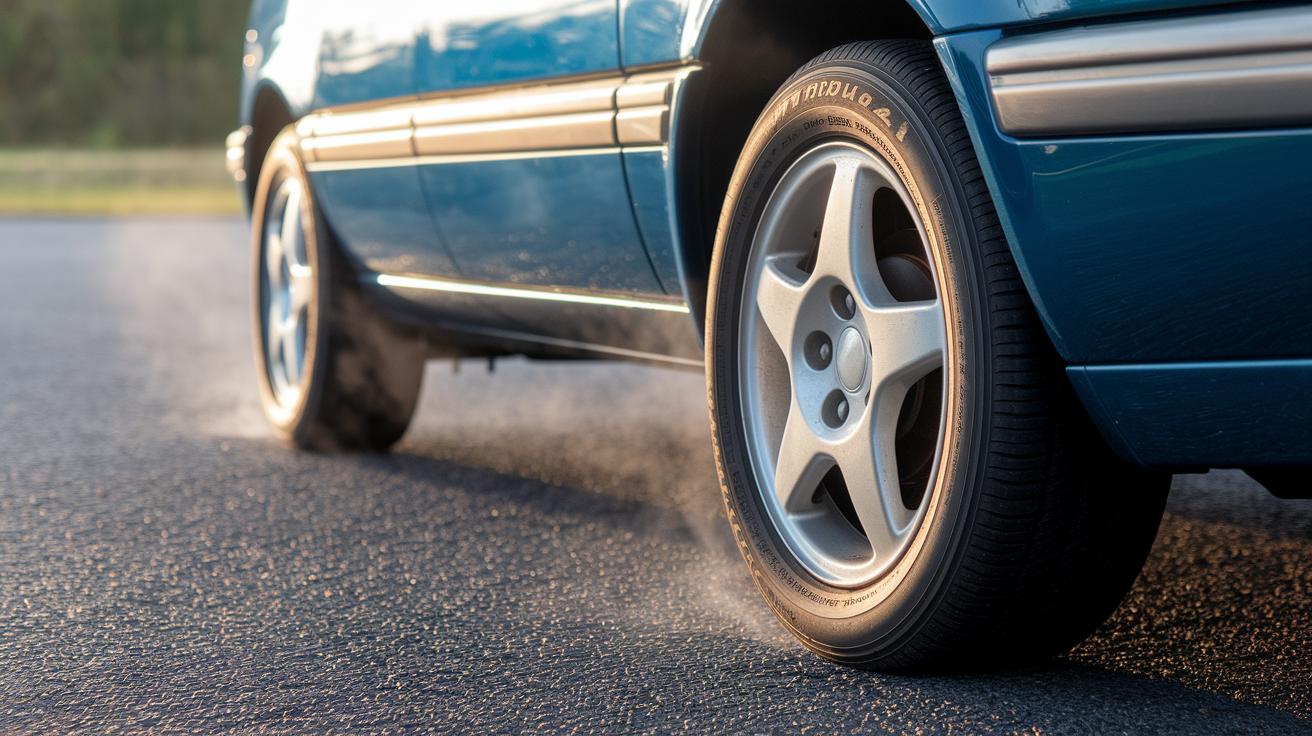
When you drive hard with sudden starts, strong brakes, and quick turns, your tires heat up really fast. All that sudden action makes the tire rub more against the road, turning its energy into heat. For example, think about slamming on the brakes, it creates so much friction that the inside of the tire warms up, much like when low tire pressure affects how your car performs.
During these rapid moves, the part of the tire touching the road (often called the contact patch, which is basically where the tire meets the road) squishes under pressure. This squishing speeds up the way heat builds up because the tire keeps rubbing against the surface. The faster you go and the harder you brake, the more you see hot spots forming on your tire. Picture a car taking a tight, fast turn, the tire pushes hard on the road, and some spots get hotter than others, changing how the tire grips the surface.
A little heat can actually be a good thing since it softens the tire just enough to boost grip. But when you drive aggressively, the heat can become too much, causing the tire's rubber to break down faster, kind of like an overinflated balloon that’s close to popping. That’s why it’s super important to watch both your tire’s pressure and temperature. Regular checks can steer you clear of dangers and keep you safe on every drive.
Friction Mechanics and Contact Patch Physics in Tire Heat Generation
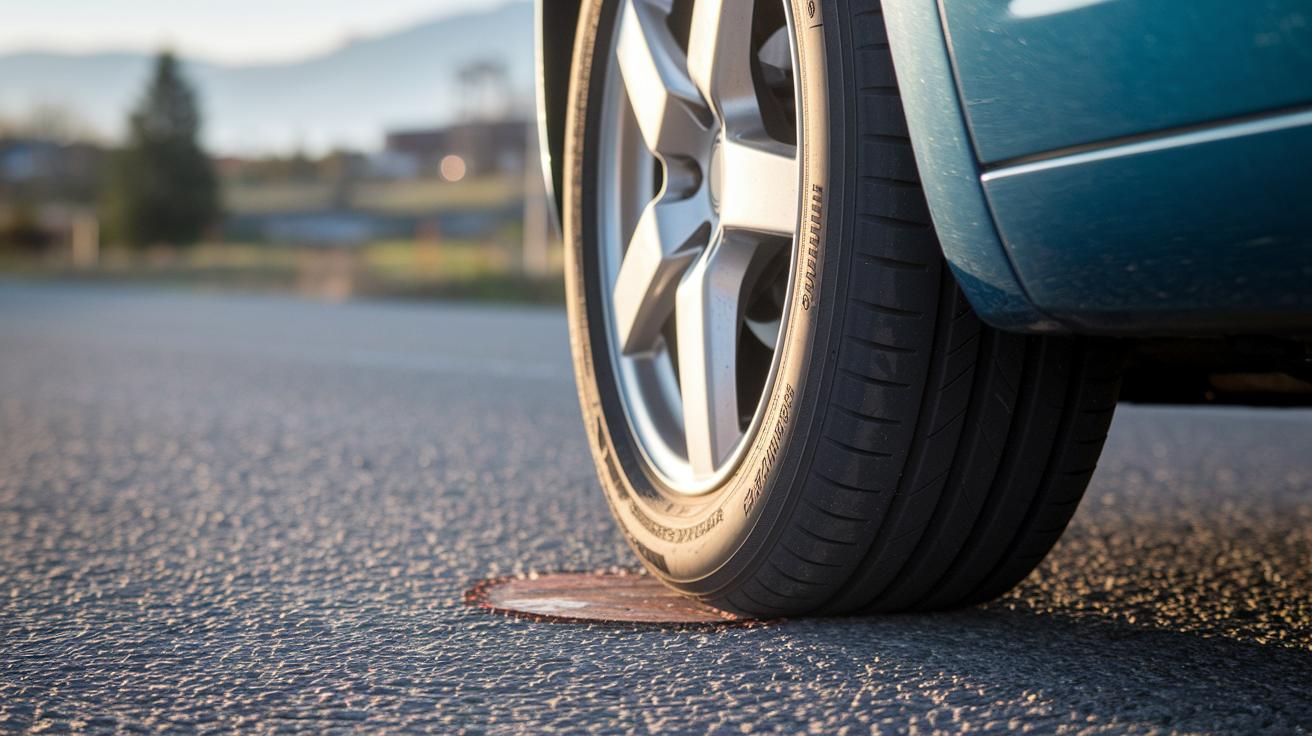
When you press the accelerator or slam on the brakes, your tires and the road start to interact in a very real way. As the tire rolls, the small spot where it touches the pavement deforms a bit. This means that parts of the tire slip slightly. That little slip, or slip angle, the tiny gap between where the tire is pointing and where it actually goes, turns some of the tire's motion into heat. It’s interesting how a small change in this contact area can heat up the tire almost as much as a sudden shift in tire pressure.
Dynamic load transfer also plays a big role when you make a tight turn or brake heavily. When your car's weight shifts, extra pressure lands on some parts of your tire. Imagine a seesaw: when one side drops, it gets more pressure and heats up more. These spots work harder and build up extra heat with each shift in weight.
The process is pretty straightforward. The contact patch of your tire deforms as it spins, and every bit of friction converts some of the tire's energy into heat. That heat softens the rubber just enough to give you a good grip, but if too much heat builds up, it can wear the tire down faster. You might even notice that after intense driving, your tire tread feels a little softer, proof that the heat is doing its job.
Understanding these basics shows why keeping an eye on tire heat, especially during aggressive driving, is so important. It all comes down to how these forces work together every time you hit the road.
Thermal Conductivity and Heat Transfer within Tire Structures
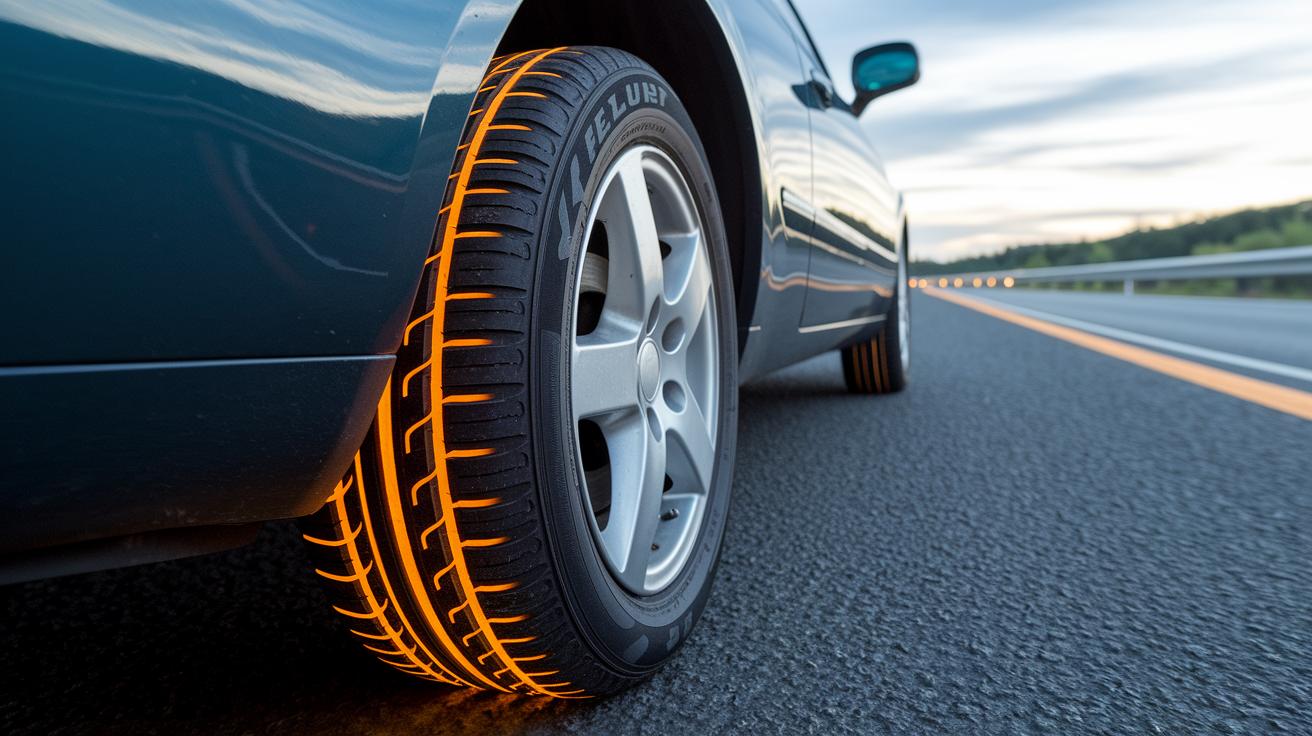
When you're pushing your car to the limit, your tires warm up pretty fast. The heat starts at the tread and moves inward through a process called conduction (that means the heat transfers through the rubber itself). The rubber heats up when it touches the road, and then the warm energy moves deeper into the tire. A tire made with a compound that spreads heat evenly can help avoid hot spots, which is key when you're speeding down the highway.
At the same time, the sidewalls are getting a cool down from the air flowing past, almost like a natural fan blowing away excess heat. This flow of air helps lower the overall temperature of the tire, making sure it doesn't overheat. As a result, a temperature difference, or thermal gradient, forms across the tire: the outer parts might be warmer than the inner parts. This slight delay in evening out the temperature is sometimes called a caloric lag (a short pause before every part of the tire warms up evenly).
Also, tiny gaps in the tire material can change the way heat spreads, acting like little shortcuts for energy to move. All these factors show that tire design is really about balancing heat buildup with efficient cooling, helping maintain a firm grip on the road even when you’re driving aggressively.
Rubber Compound Behavior and Material Degradation under High Temperatures
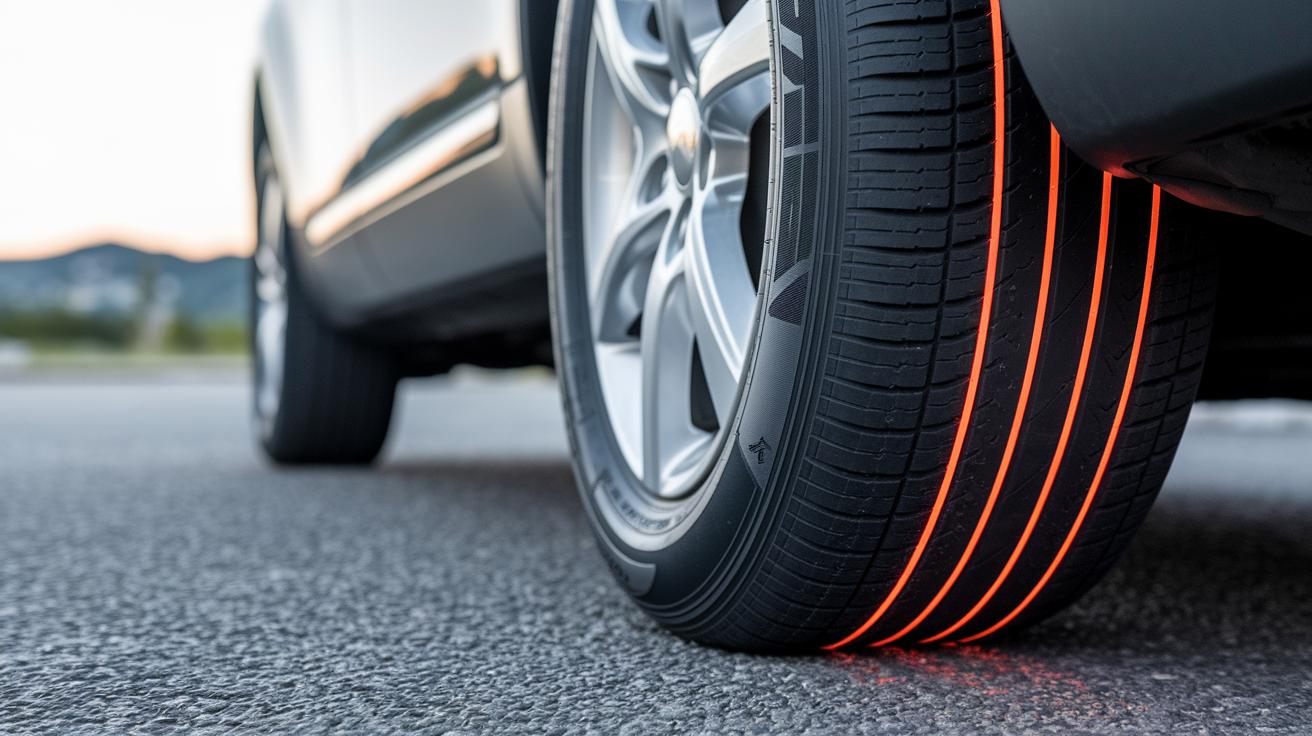
When you drive hard, your tires heat up and the rubber inside starts to change. At normal high temperatures, the rubber softens just enough so the tire has better grip on the road during sharp turns. It’s like a little boost that helps the tire cling to the pavement.
But when things get too hot, that same rubber begins to break down. The tire’s inner structure loses its strength, which can cause the tread (the tire’s surface pattern) to wear unevenly. This may lead to the tire working harder as it rolls, and in some cases, the tread might even start to separate.
Today’s tire makers blend materials carefully to handle heat without giving up strength. They add special heat-resistant ingredients that help keep the tire performing well even when temperatures climb. I’ve seen tests where the right mix lets the tire stay safe and last longer, even under tough driving conditions.
Engineers try out these compounds by simulating everything from a warm day drive to really extreme heat situations. This research is what gives each tire the durability and safety you need whether you're cruising on the highway or pushing your car on a spirited drive.
Effects of Elevated Tire Heat Buildup on Performance and Safety
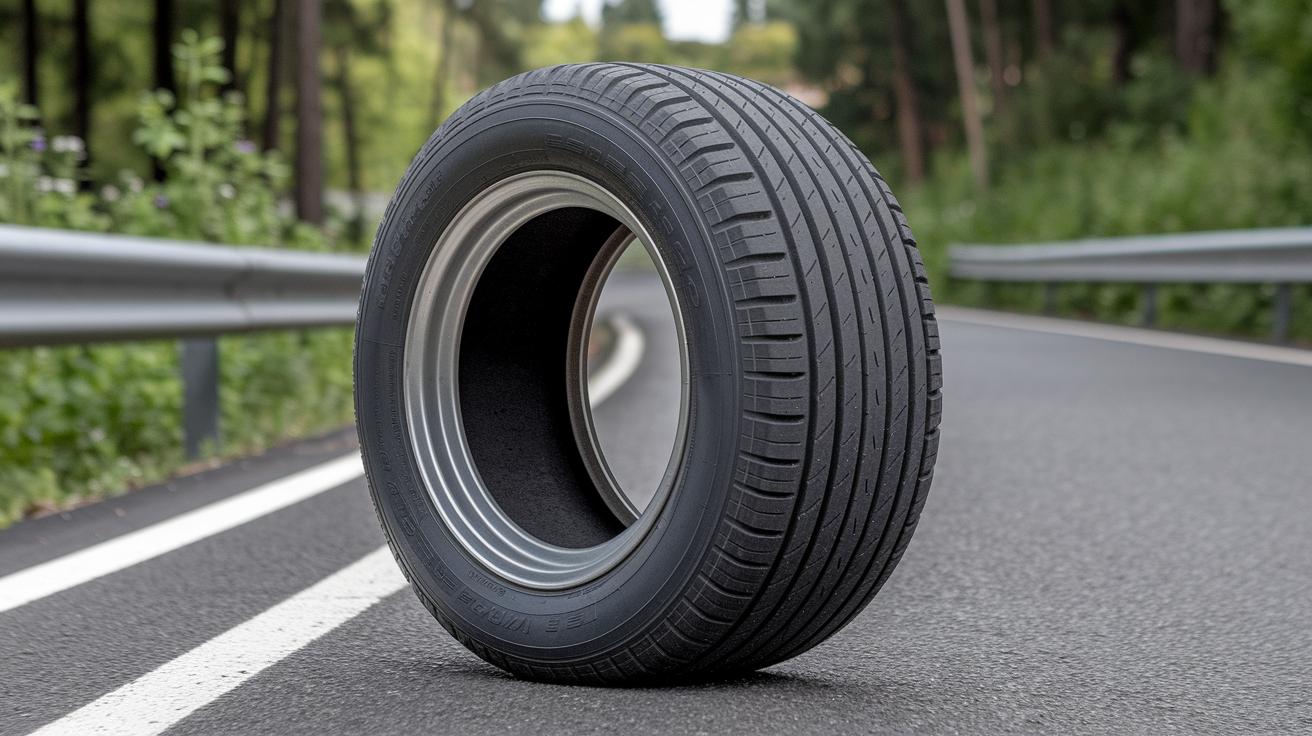
When a tire gets too hot, its firmness drops and it can lose the perfect shape that meets the road (that area is known as the contact patch). This means that in tight turns or sudden stops, the tire might not hold on as firmly as you’d hope. Imagine taking a fast, sharp corner and feeling your steering go a little loose, that’s what can happen when the tire deforms from extra heat.
A hot tire also loses its quick response. You might notice your car feels like it’s sliding instead of gripping well when you turn quickly. It’s kind of like the difference between a smooth cruise and a bumpy ride, the extra heat makes the tire less stable, which shows up during fast, sharp maneuvers.
When driving aggressively, the warm tire can mean longer stopping distances. Think of it this way: your brakes might take a beat longer to bring you to a stop because the tire isn’t biting the road as well as it should. This change not only messes with your control but also raises the risk of unusual turns like understeer or oversteer, and it might even make a blowout more likely.
- Tire stiffness reduction
- Changes in the road-contact area
- Weaker side grip that can affect handling
Monitoring, Management, and Cooling Strategies for Tire Heat in Aggressive Driving

Keeping an eye on your tires when you're driving hard is really important. Real-time data can help you spot potential issues before they get out of hand. With tools like infrared cameras (which show heat) and tire pressure sensors, you can catch hot spots early. These sensors send info right to your dashboard so you can take quick action if something seems off.
One simple trick is to always keep your tires properly inflated. Just like you’d check a bike tire before a long ride, good pressure cuts down on extra friction. Rotating your tires on a regular schedule also helps spread wear and heat evenly over time. And for extra control, consider adding cooling ducts. They guide fresh air onto your tires, cooling them down and keeping them in tip-top shape.
- Maintain correct inflation
- Rotate tires frequently
- Install cooling ducts if available
- Use real-time sensors and infrared imaging for monitoring
Also, choosing tires built to handle high temperatures is a must. If you're shopping for new ones, check guides on high-performance tires that manage heat well. With precise sensor feedback, even tiny changes in tire behavior won't slip by unnoticed, keeping your ride safe during those aggressive maneuvers.
Final Words
In the action, our deep dive showed how sudden braking, hard turns, and rapid acceleration boost tire temperatures by increasing friction. We broke down the contact patch physics and explained how heat flows inside the tire, from the tread to the underlying layers. We also looked at how rubber compounds change under stress and what that means for safety and grip. By understanding the science of tire heat buildup in aggressive driving, we can keep our tires performing at their best while driving with confidence.
FAQ
Do tires heat up when driving, including in winter?
Driving, even in winter, makes tires heat up because friction from the road increases the temperature inside the tire. Cooler air slows it down but doesn’t stop the warming process.
What causes a tire to explode while parked?
A tire might explode while parked if internal pressure builds up from heat or material degradation. This buildup can come from stored energy or damage, ultimately causing a sudden blowout.
What is the grooved surface of a tire called?
The grooved surface is known as the tread. It grips the roadway by channeling water away and boosting traction on dry and wet surfaces.
Can a tire blowout kill you?
A tire blowout can be dangerous. It may lead to loss of control or a serious crash, increasing the risk of fatal injuries if you aren’t prepared or driving safely.
Why might my tire be hot and flat?
A tire may become hot and flat when it has a slow leak that leads to abnormal flexing. This extra friction produces heat while the loss of air pressure makes it appear flat.
What happens to vehicle tires in extreme heat and CDL conditions?
In extreme heat, tires tend to soften, wear faster, and face increased internal pressure. For large trucks, these conditions can accelerate rubber degradation and affect safe handling.
Why does pressure build up on tires on a hot day?
Pressure builds up on tires on hot days because the air inside expands when heated. This expansion creates added pressure, a normal reaction that should be monitored for safety.
What causes a tire to explode while driving?
A tire can explode during driving when excessive heat and friction, often from aggressive maneuvers or material wear, cause high internal pressure and weaken the tire’s structure.

