


Ever wonder if one little mistake when putting on your tires could change your entire drive? Getting them mounted the right way helps keep your ride smooth and safe. It cuts down on risks like losing grip or wearing unevenly (that's when parts of your tire wear out faster than others).
In this guide, we'll take you through each step. First, you'll lift your car and set up your workspace. Then we'll cover how to check the tire pressure (the air level in your tires) so you know everything's just right before you hit the road.
It might seem simple, but a bit of care can really make a difference in keeping you and your car safe on every trip.
Key Steps for Safe Tire Installation

Installing your tires the right way can truly change your driving experience. Tires are the only part of your car that touches the road, so getting them installed correctly is really important. When professionals follow a clear, step-by-step guide, it cuts down on risks like poor handling, air leaks, or even damage to your car’s suspension. Think about it like this: before a tire ever hits the road, its safety starts with a careful, trusted installation process.
It all kicks off by lifting your car safely and taking off the old tire without hurting the wheel. Next, a well-trained technician applies a special lubricant (a smooth, slimy substance) on the new tire to help it sit snugly on the rim – much like making sure your favorite shoes fit just right. Then, the tire gets inflated to the recommended PSI (the pressure level your tire needs, like tuning a musical instrument) to ensure harmony in performance. Finally, balancing is done by adding small weights to fix any tiny imperfections from the factory, which stops annoying vibrations when you’re cruising on the highway. Each step in this process builds a rock-solid foundation for your car’s safety.
Proper tire installation isn’t just a one-time win. Regular checks and maintenance keep everything running smoothly over time. When professionals mount and balance your tires correctly, your car handles steady and true, giving you peace of mind every time you hit the road. In short, taking the time for expert installation means a safer, smoother ride today and tomorrow.
Securing Your Workstation for Tire Installation Safety

When you’re gearing up for a tire installation, start by picking a spot that’s safe and proper. Find a flat, sturdy area where your car stays put while you work. A neat space without clutter helps keep everything steady and prevents any unwanted slips or shifts. It’s like setting up your own mini-workshop where every tool is in its right place, making your setup the foundation for a smooth, safe job.
Then, take a look around to check things like the lighting, temperature, and even the moisture in the air. A bright, dry area makes it easier to apply the right amount of force (torque, which is just the force used to tighten bolts) and catch any problems early. By clearing out extra items and marking off your work area, you not only protect yourself but also others around you. These small steps help ensure you’re working in a space where safety is always the main priority.
Selecting and Inspecting Equipment for Safe Tire Installation

Before you start putting on new tires, it pays to make sure your tools are in great shape. Use a reliable hydraulic jack (one that is officially rated for more than your car weighs) and a torque wrench that has been checked recently so you can get the lug nuts just right. This simple checklist helps you get everything ready, from cleaning supplies to bead lubricants (a gel that helps the tire seat correctly), making sure nothing comes as a surprise later.
- Check that the jack is in good shape and can handle the load.
- Make sure the torque wrench has been recalibrated.
- Look over your wheel chocks to confirm they fit well.
- Inspect your lug-wrench to see it matches and works right.
- Test the bead lubricant for a smooth tire placement.
- Gather cleaning supplies and solvents, just like you’d prepare any other installation tool.
It really helps to have someone else look over your work. A friend or a fellow mechanic can catch small issues you might miss. Working together gives you that extra peace of mind, ensuring every tool is ready to help you install tires safely and confidently.
Key Steps for Safe Tire Installation

Start by making sure the tire's edge sits evenly on the rim. Apply plenty of mounting lubricant and fill the tire with air to the proper seating pressure (seating PSI). Then, take a good look to spot any gaps around the bead. If things aren’t even, it might be a sign you need to adjust before you move forward.
Next, get the wheel balanced so your ride feels smooth. Give the tire a spin and watch for any wobbles or uneven spots. Sometimes, adding just a little counterweight (tiny weights that fix small imbalances) can make a big difference. A quick spin test helps you see if everything is balanced just right.
Finally, do one more spin to check that all adjustments worked. This last spin is important to catch any lingering issues and to keep vibrations and extra stress off your suspension.
| Task | Procedure | Safety Tip |
|---|---|---|
| Bead Seating | Apply lubricant, fill to seating PSI, and check that the tire’s edge is even | Make sure the tire fits uniformly around the rim |
| Balancing | Spin the wheel, add counterweights, and complete a final spin | Ensure the tire is balanced to avoid vibrations |
Setting Approved Pressure and Vigilant Wheel Alignment

Keeping an eye on your tire pressure is a smart way to stay safe on the road. Car makers recommend checking it every month, and doing so with a good gauge (a tool that measures pressure) makes sure you get the right PSI for your vehicle. When your tires have the proper pressure, they wear evenly and work better on wet and dry roads, you could even say it’s like keeping your car tuned and fuel-efficient.
It’s also key to have your wheels aligned correctly. If your wheels are off-kilter, your tires might wear unevenly, which can mess with your car’s grip during turns and bumpy rides. When a pro checks your wheel alignment and makes sure everything fits as the maker intended, you get a smoother, safer drive. So, while you stick to your routine car care, be sure your tires and wheels are in tune to keep that comfortable ride you love.
Avoiding Common Hazards in Tire Installation Procedures
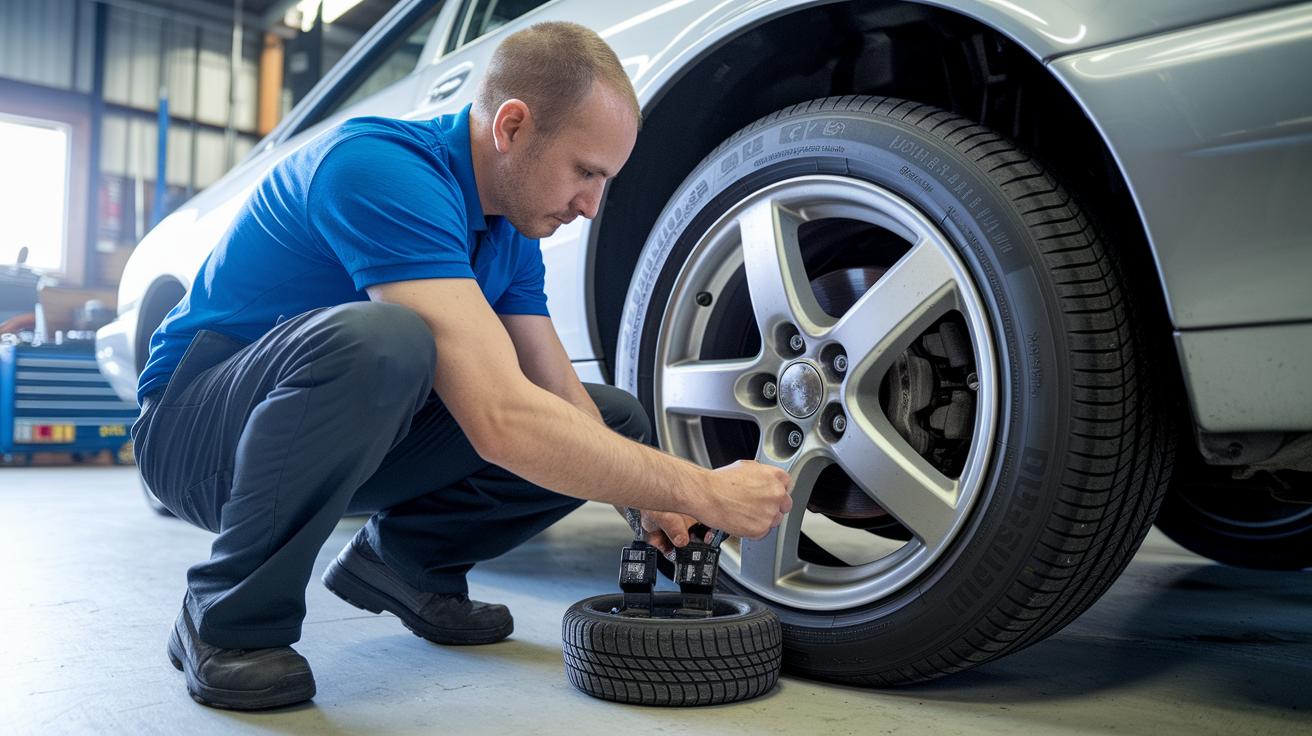
When you put new tires on, a lot can go wrong if you don’t plan ahead. Even one small miss can turn into a big road hazard. Using a clear checklist and writing down each step can help catch mistakes early. It’s like following a trusted routine where every move counts for safety.
Improperly tightened lug nuts (those bolts that secure your tire) can really mess things up. If they’re tightened too much or not enough, they might strip the threads or come loose on the road. For instance, sometimes a technician might over-tighten them and end up with a misaligned fit that risks your wheel's stability and your safety.
Also, not using enough bead lubricant (a slick substance that helps the tire seat smoothly on the rim) or missing out on proper tire balancing can create hidden dangers. Without enough lubrication, a new tire may not sit evenly, which can lead to constant air leaks. And if your tire isn’t balanced well, you might feel annoying vibrations, put extra strain on your suspension, and make your ride less secure. Taking the time for proper lubrication and weight distribution is key to keeping those risks at bay.
Post-Installation Inspection and Maintenance for Longevity

Don't forget to rotate your tires every 5,000 to 10,000 miles and give them a quick look-over. Check the tread (the part that meets the road), look for cuts, and make sure the pressure is spot on. This simple routine is like taking a snapshot of your tire's health, helping you catch problems early and keep your ride smooth and safe.
It also helps to schedule a professional check every now and then. A visit from an ASE-certified technician means someone is taking a close look at things like how the tires are mounted and how balanced they are (which keeps your drive steady). Knowing that pros are giving your tires extra care gives you confidence that your car is ready for the road for years to come.
Final Words
In the action, we explored the steps to install tires safely, from setting up a secure and well-lit workspace, inspecting each tool carefully, to mounting and balancing the tire with precise care. We talked about keeping the proper air pressure and aligning your wheels to make your ride smooth and dependable. Each section offered practical safety tips for tire installation to help you avoid common mistakes. Taking these steps means extra confidence on the road and a smoother, safer drive ahead.
FAQ
What safety tips are provided in tire installation PDFs?
The tire installation PDF outlines safety tips by showing how to prepare your workspace, use proper lubricants, and secure your equipment for a smooth and secure tire mounting process.
What should a tire safety checklist include?
The tire safety checklist includes checking for proper mounting, balancing, correct lug-nut torque, and verifying tire pressure and tread depth, all to keep your installation safe and reliable.
What are some key tire safety tips?
The tire safety tips highlight steps like maintaining a clean workstation, using a certified hydraulic jack, applying mounting lubricant properly, and balancing the tire to prevent vibrations and ensure effective control.
What details are included in the Discount Tire employee handbook PDF?
The Discount Tire employee handbook PDF provides guidelines on company procedures, safety standards, and correct techniques for tire installation and inspection to help employees perform safely and accurately.
What information does a tire condition chart provide?
The tire condition chart offers information on tread wear, age, and overall tire health, making it easier to decide if a tire is safe for use or needs replacement for continued performance.
How much does a Discount Tire inspection cost?
The Discount Tire inspection cost varies by location and service, so checking directly with Discount Tire will give you the most accurate pricing details for your tire inspection needs.
What is the minimum age required to work at Discount Tire?
The minimum age to work at Discount Tire is specified in their employee handbook, outlining the job requirements and eligibility criteria to ensure that all employees meet the necessary standards.
How is tire depth safety checked?
Tire depth safety is checked by measuring tread depth with a gauge against manufacturer guidelines, which helps ensure that your tire maintains reliable grip and remains safe for driving.
What does the 3% rule for tires mean?
The 3% rule for tires means that if tire tread wears down by about 3% per month, it signals the need for regular maintenance or timely replacement to keep your vehicle’s performance optimal.
What is a good practice when installing new tires?
A good practice when installing new tires is to seat the tire bead evenly with lubricants, inflate it to the recommended PSI, and balance it properly to prevent air leaks and ensure smooth operation.
What guidelines should be followed for tire safety?
The tire safety guidelines call for using certified procedures, checking equipment readiness, and adhering to manufacturer recommendations for torque, pressure, and balancing to safeguard your vehicle.
What hazards might occur during tire replacement?
Hazards during tire replacement include over- or under-tightening lug nuts, skipping bead lubrication, and improper balancing, which can lead to air leaks, reduced performance, and even suspension damage.

