


Ever thought about how your tires could help save our planet? Imagine tires made from natural, plant-based rubbers such as guayule and dandelion. These green materials are mixed with modern methods to use less energy and produce less waste.
It’s like swapping out a heavy, outdated recipe for a lighter, cleaner one that makes your car run smoother and stick to the road better. This article shows how these eco-friendly changes give your tires a smarter, more efficient edge while lowering fuel costs and saving you money.
Stick around to learn how a small tweak under your car could bring big benefits to our world.
Eco-Friendly Tire Material Technologies Overview
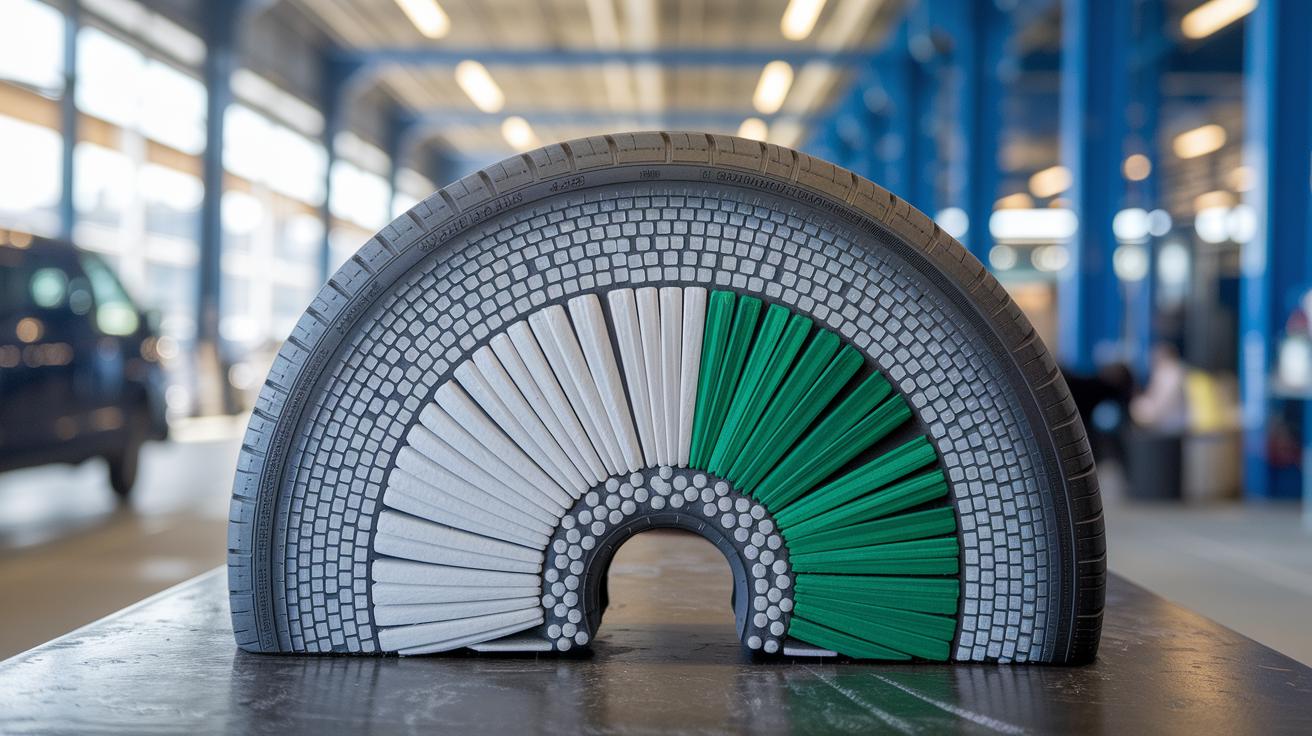
Eco-friendly tire materials aim to cut our environmental footprint by using renewable and recycled ingredients. They blend plant-based rubbers (elastomers) with modern production methods to help lower energy use when you drive. It's like mixing fresh, natural ingredients to create a greener tire that doesn't rely on old oil-based products.
These tires are made from different materials such as guayule and dandelion rubber, bio-based polymers, recycled rubber, and even silica from rice husk ash. Using these alternatives supports eco-friendly practices while still meeting high quality standards. For example, tires designed to roll easier (lower rolling resistance means less energy is needed to keep the tire moving) can boost fuel economy by 3 to 7%. For a car that gets 25 miles per gallon, that improvement can save between 18 and 42 gallons of fuel. Think of it as switching in ingredients for a recipe that is both healthier and more efficient.
And it doesn't stop there. These tires also offer better grip, quieter rides, and longer wear. This means you'll replace them less often, reducing waste. Plus, tire recycling has risen from 11% in 1990 to 79% in 2023. That's a big win for the environment and a clear sign that green technology is taking off.
Bio-Based Polymer Developments in Eco-Friendly Tire Materials

Recent progress in using natural polymers is changing the way we make tires. Manufacturers are turning to materials like guayule rubber (a natural rubber from a shrub) and Russian dandelion rubber instead of relying on oil-based synthetics. It’s a cleaner, greener approach that still delivers the toughness drivers count on.
This shift isn’t just good for the planet; it also boosts tire performance. New tire designs now include over 55% bio-based and recycled materials while keeping their strength and durability. In everyday use, these eco-friendly tires perform just as well as traditional ones, making them a smart choice for anyone looking to go green.
I’ve listed some of these natural materials below:
| Material |
|---|
| Guayule rubber |
| Russian dandelion rubber |
| Soybean oil-derived elastomers |
| Lignin-based polymers |
These plant-based compounds also help lower rolling resistance (that’s the extra effort needed to keep a tire moving), which can improve fuel economy. You might even notice a smoother ride and steady traction on wet roads. All in all, using bio-based materials not only makes a positive impact on the environment but also ensures your tires keep performing at their best.
Recycled Resource Integration in Eco-Friendly Tire Materials

Today, new polymer recycling methods break down old tire compounds back into their basic building blocks. Manufacturers now use chemical processes and special ways to carefully separate materials so they can reclaim high-quality polymers. One plant even managed to cut waste by 20% thanks to an innovative polymer reconversion process.
Other recycling methods use smart sorting and careful processing, making sure the recovered parts still work great. Studies from top producers show that these improvements not only boost recycled material use but also help make tire production more affordable and eco-friendly.
| Year | Recycling Rate (%) | Primary Recycled Input |
|---|---|---|
| 1990 | 11 | End-of-life tire rubber |
| 2000 | 40 | End-of-life tire rubber |
| 2010 | 60 | Rice husk ash silica |
| 2023 | 79 | Advanced recycled compounds |
In short, using these advanced recycling methods in tire production gives our circular economy a big boost. By reusing trusted materials, the industry cuts down on waste, improves performance, and even lowers production costs.
Low-Emission Manufacturing for Eco-Friendly Tire Materials

Manufacturers are working hard to lower harmful emissions in tire production. They now use new methods that cut down on volatile organic compounds (gases that can harm the air) by as much as 40%. With precision molding and renewable-energy curing systems, they reduce the extra chemicals released during the curing process. Imagine a process that not only builds strong tires but also works to keep our air cleaner.
Safety and quality matter a lot in this approach. Factories follow standards like ISO 9001 and RoHS while working in spotless, certified cleanroom environments. This careful routine helps cut defects and waste, making sure every tire meets strict quality checks. It’s like having the trusted service at your favorite local garage.
Modern equipment upgrades and energy-efficient curing systems are also changing tire manufacturing. New machinery and production technology use renewable energy to handle the heavy work, reducing waste and keeping the whole process green. All these improvements show a real shift toward a more sustainable and energy-smart way of making tires that benefit our roads and our world.
Performance Metrics of Eco-Friendly Tire Materials

When we look at eco-friendly tire materials, it’s not just about helping the planet. We also care about how well they grip wet roads, roll smoothly, help with quick stops, reduce road noise, and last a long time. These tests show if using silica-rich compounds (a way to make tires tougher) and smart tread designs really mean longer tire life and fewer changes. We even check how they handle everyday driving, especially during sudden stops and rainy weather.
Test data shows clear benefits. For example, Continental’s EcoContact 7 Silent Pattern gives better grip on wet roads, which helps you stop quicker and enjoy a quieter ride with less noise. Hankook Kinergy Eco cuts rolling resistance by 12%, meaning a smoother, more fuel-saving drive and about an 8% improvement in wet braking. Plus, Michelin Energy Saver tires can save up to $400 on fuel over their lifetime, showing a big boost in fuel economy.
Real driver stories back this up. Many say the quiet and steady ride of the EcoContact 7 makes them feel safe in bad weather, while others notice the energy savings with Hankook Kinergy Eco’s lower rolling resistance. And when Michelin Energy Saver tires lower fuel costs, it really shows in your gas bill. In truth, eco-friendly tire materials not only support green driving but also bring better performance and lasting value for every mile you drive.
Future Directions for Eco-Friendly Tire Material Technologies
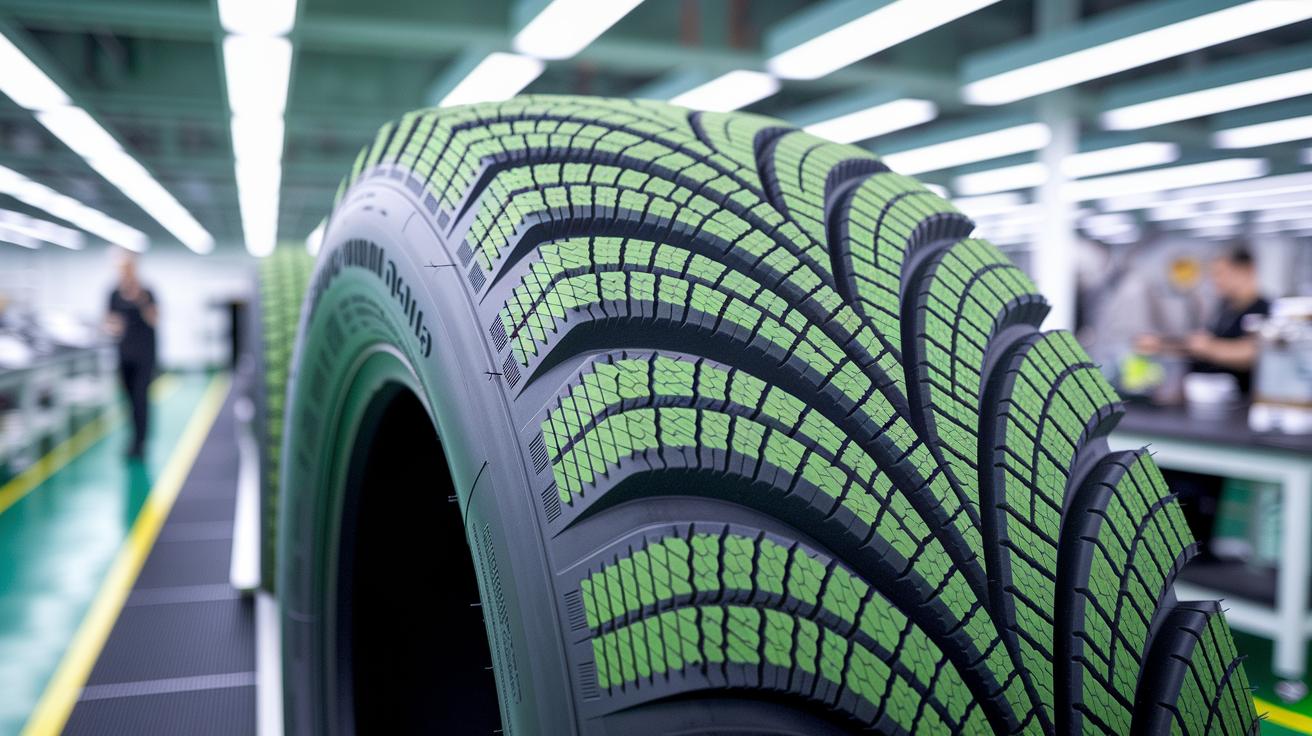
Research is being done to create tires that can break down naturally and be fully recycled. Scientists and engineers are trying new methods using renewable processes and plant-based materials (instead of traditional petroleum-based rubbers). Their goal is to develop tires that naturally decompose at the end of their life, which helps reduce waste and lessen harm to our environment.
New rules are pushing the tire industry to use carbon-neutral materials and smarter lifecycle methods. These guidelines nudge manufacturers to adopt green practices during production, disposal, and recycling. Not only do these policies protect our planet, they also encourage companies to be more responsible in how they make their products.
Imagine tires that can talk to you; smart-tire systems now come with sensors that check pressure, temperature, and tread wear (how quickly the tire’s surface is used up) in real time. This means drivers get the most out of every mile. On top of that, lifecycle analysis tools track a tire’s entire journey from creation to recycling, letting us see and improve its green impact. All of these advances, combined with eco-friendly rules, are steering the tire industry toward a future that is both smarter and greener.
Final Words
In the action, this article broke down eco-friendly tire material technologies in simple terms. We covered plant-based rubbers, recycled resources, and low-emission manufacturing, showing how each improves fuel savings and overall tire life. It also touched on smart sensors and emerging green compounds that boost performance. By exploring eco-friendly tire material technologies, we hope the insights spark new ideas for safer and more reliable drives. Keep your wheels turning with knowledge and confidence.
FAQ
What are eco-friendly tire materials and how do they work?
Eco-friendly tire materials are made using plant-based rubbers, recycled components, and sustainable substances that reduce waste and fuel consumption while lowering the overall environmental impact.
What eco-friendly technologies are used in green tires?
Green tire technologies combine plant-based elastomers, recycled rubber, and low rolling resistance designs; these methods help improve fuel economy and cut down harmful emissions.
What new tire technologies help the environment?
New tire technologies use advanced bio-based polymers, higher recycled content, and energy-efficient production; they work to enhance durability while shrinking the tires’ ecological footprint.
How have eco-friendly tire material technologies evolved in 2022?
In 2022, tire technologies made significant strides with improved sustainable compounds, higher recycling rates, and refined low-emission manufacturing processes that contribute to a cleaner environment.

