


Have you ever thought a small upgrade could completely change your car’s ride? Sport tires aren’t just for making your car roll. When paired with the right add-ons, they let your car drive smoother and handle better.
Imagine switching to lightweight lug nuts or high-flow valve stems (parts that let air move easily). These simple tweaks can make your car more responsive and safe on both rainy roads and the track.
This guide breaks down some easy rear-view upgrades that boost grip and performance. It’s like giving your ride a little extra magic for everyday trips and those special adventures.
Sometimes, small changes make all the difference. Enjoy the journey!
Essential Aftermarket Accessories for Sport Tires

When you're out driving sport tires, the right extras can really make a difference. Each tire grade (from AAA to D) has its own needs, and the right accessories help them show their best side. They match the tire's grip and how fast the surface wears down (fancy term for that is tread wear) so whether you're racing with Super 200s for autocross or taking Endurance 200s out for a long season, every little upgrade counts.
These add-ons not only improve track performance but also boost how your ride responds on city streets. They work right with your tire's design to help your car handle better and feel more responsive every time you get behind the wheel. For example, a well-chosen accessory can change how a tire reacts when you take a corner at high speed.
- High-flow valve stems
- TPMS sensor upgrades
- Lightweight lug nuts
- Wheel spacers (5 mm–20 mm)
- Digital tire pressure gauge
- Rim protector strips
- Quick-release center caps
Choosing the right extra gear for your tire grade can seriously maximize your car's performance. Matching accessories to each tire type keeps a perfect balance between speed and durability. Whether you have a high-grip AAA tire for quick laps or a more balanced C-grade tire for everyday driving, fine-tuning your accessories can sharpen your lap times and improve street handling, giving you a ride that feels both exciting and safe.
Compatibility Checks for Sport Tire Accessories
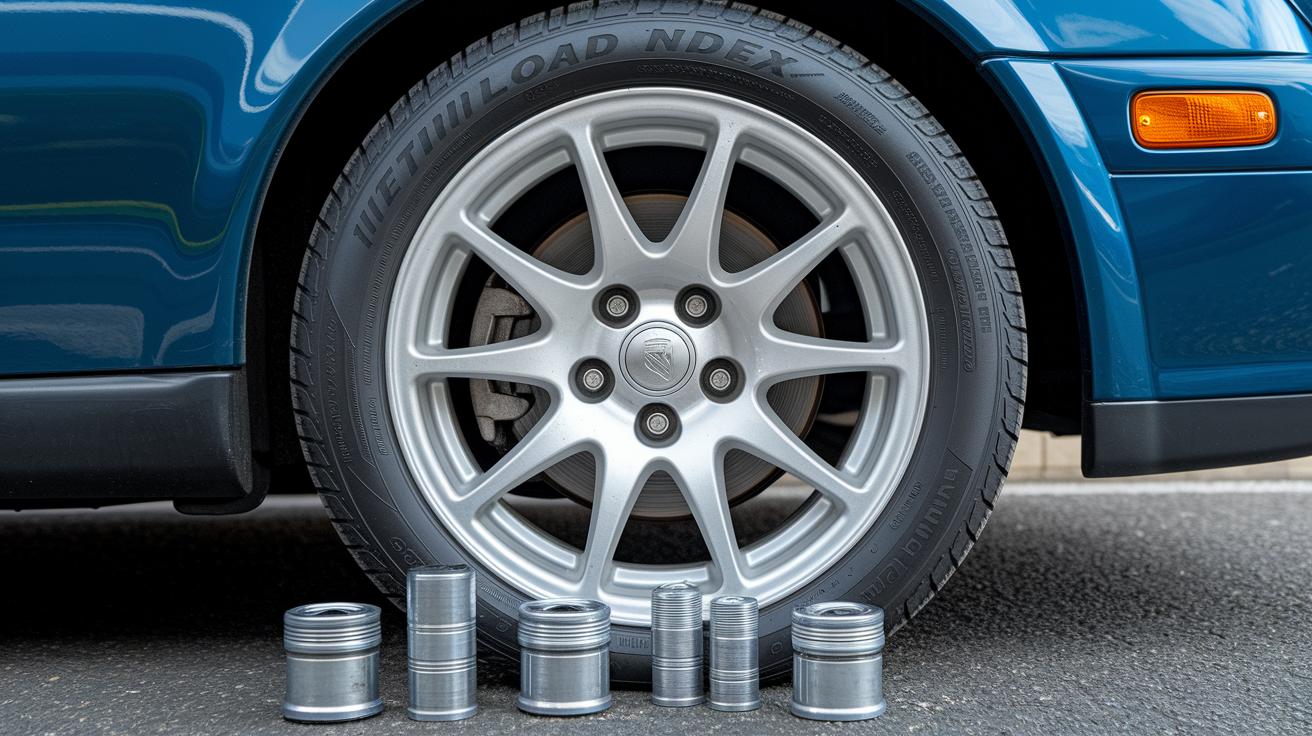
When you're picking out accessories for your sport tires, the first thing to check is your tire’s load index and speed rating (this tells you how tough the tire is and how fast it can go). That means items like valve stems, spacers, and lug nuts need to match these numbers. If you're curious about how speed and load ratings affect the accessory fit, you can learn more at tityres.com.
Wheel width and backspacing are just as important. Wider wheels might need hub-centric spacers to keep everything in place and stop the parts from rubbing against the brakes or the inner fender. And, picking the right valve stem length is key so you don’t run into alignment issues. A little care with backspacing goes a long way in keeping your ride steady.
Here’s a couple of easy tips: First, check the manufacturer charts to ensure your accessories match your tire’s ratings. Second, do a quick test-fit on jack stands to see how the pieces line up on your wheels and to make sure nothing interferes with the brakes. This simple check-up helps you pick the best accessories for a smooth, safe sport tire setup.
Installation Process and Professional Techniques for Aftermarket Tire Accessories

When you add aftermarket tire accessories, using the right tools and following the proper torque (tightening force) guidelines is key. Good tools and exact torque help make sure parts like spacers or valve stems fit right, keeping your ride smooth without any annoying vibrations or uneven tire wear. Getting everything aligned properly means your car handles better and stops safely. Skipping a step or rushing can make your car feel unstable, whether you're on the track or just driving down the street. It’s a bit like following a trusted recipe, every step and measure counts.
| Step | Description | Estimate Time |
|---|---|---|
| 1. Jack & Remove Wheel | Lift the car, loosen the lug nuts, and take off the wheel | 5 min |
| 2. Mount Accessory | Install parts like valve stems, spacers, or TPMS (tire pressure monitoring system) sensors | 15 min |
| 3. Torque Lug Nuts | Use a torque wrench set between 80 and 120 ft-lb | 10 min |
| 4. Alignment Check | Inspect the camber and caster (angles of the wheel) with a gauge | 10 min |
When it comes to alignment, having a pro can make a big difference, though you can try it on your own if you have a good gauge and feel confident. Professionals bring special tools and experience to get every angle just right, kind of like fine-tuning your car’s balance. If you decide to do it yourself, just take your time and double-check your measurements. Using expert techniques can save you time and help avoid little mistakes that might cause vibrations or uneven wear. Whether you let a specialist handle it or set everything on jack stands yourself, paying close attention to alignment and torque will make sure your upgraded accessories boost both performance and safety.
Performance Enhancement Tips through Advanced Modification Methods for Sport Tires

When you match your tire accessories to your tire type, you can truly upgrade how your car performs on both the race track and the everyday road. Picking parts that are just right for your tire grade not only helps you shave off a few valuable seconds on a lap but also keeps your daily drive enjoyable and smooth.
For example, titanium lug nuts are a smart choice because they weigh less than the usual ones. This lighter weight means your tires can react faster during sharp turns or sudden bursts of speed. It’s like giving your car a little extra pep when it needs it most.
Next, consider using composite wheel spacers. They help improve your scrub radius (how the tire meets the road), giving you a more responsive feel every time you make a turn. It makes the ride feel steadier and more controlled, which is always a plus.
High-flow metal valve stems are another neat upgrade. They let you adjust tire pressure really quickly (using these stems lets the air in and out faster) so that your tires are always at their best. A quick pressure change can be the difference between that winning lap and a slower one.
Then there are low-friction bead lubricants. These make putting tires on the rims quicker and smoother by helping the tire seat evenly. This means less hassle and more safety when you’re changing tires during practice or a race.
Lightweight center caps also add up. They reduce the weight at the center of your wheels, lowering the rotational inertia (how fast or slow your wheel spins) and boosting the car’s responsiveness when you accelerate or brake.
If you think about it, these tweaks really show their strength when matched with the right tire. For example, top-grade tires benefit from lightweight parts like titanium lug nuts and composite spacers to boost performance, while even lower grade tires can enjoy steadier cornering and better stability. By pairing the right accessory with your tire, you can fine-tune both lap times and everyday drivability.
Customization Strategies and Styling Advice for Sport Tires
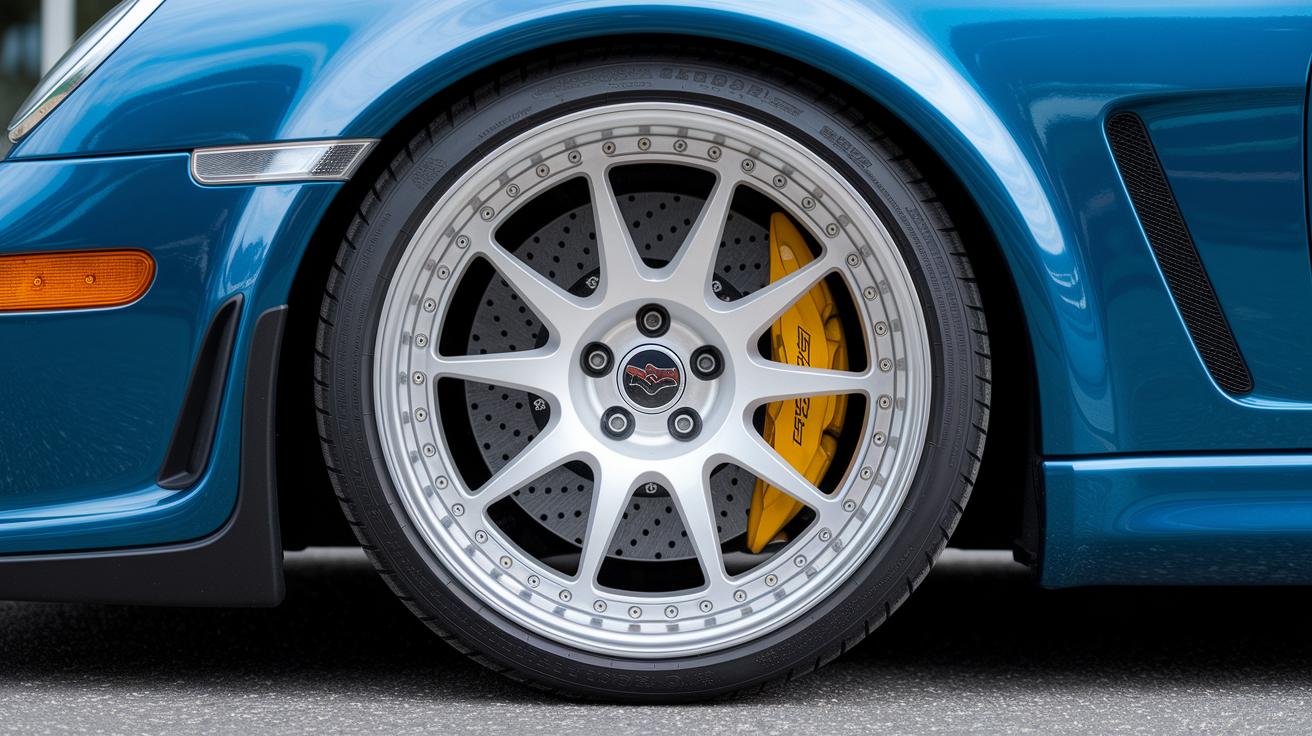
When it comes to custom looks, show cars and race cars have different ideas. Show cars often sport sleek designs and well-matched details that grab your attention. Race cars, on the other hand, lean towards performance upgrades but can still benefit from a bit of style. A well-coordinated look not only boosts performance but also gives your car a unique personality. Ever seen a car with matching trim and accessories that instantly catches your eye?
- Use color-matched spacers and valves
- Add decal wraps that mirror the tire’s grade (think of a fun AAA stripe style)
- Pick contrast lug-nut anodizing for that extra visual pop
Blending style with performance is all about finding the right accessories that complement both your tires and your car’s overall design. Matching colors for spacers and valves can merge beautifully with your vehicle’s body, and decal wraps designed to reflect the tire grade add a sporty flair without messing with grip or wear. Even the finish on lug nuts, whether it’s matte or gloss, brings in an extra touch of personality while keeping things functional. This balanced approach works well for both show stunners and serious racers alike.
Maintenance and Durability Troubleshooting for Aftermarket Sport Tire Accessories
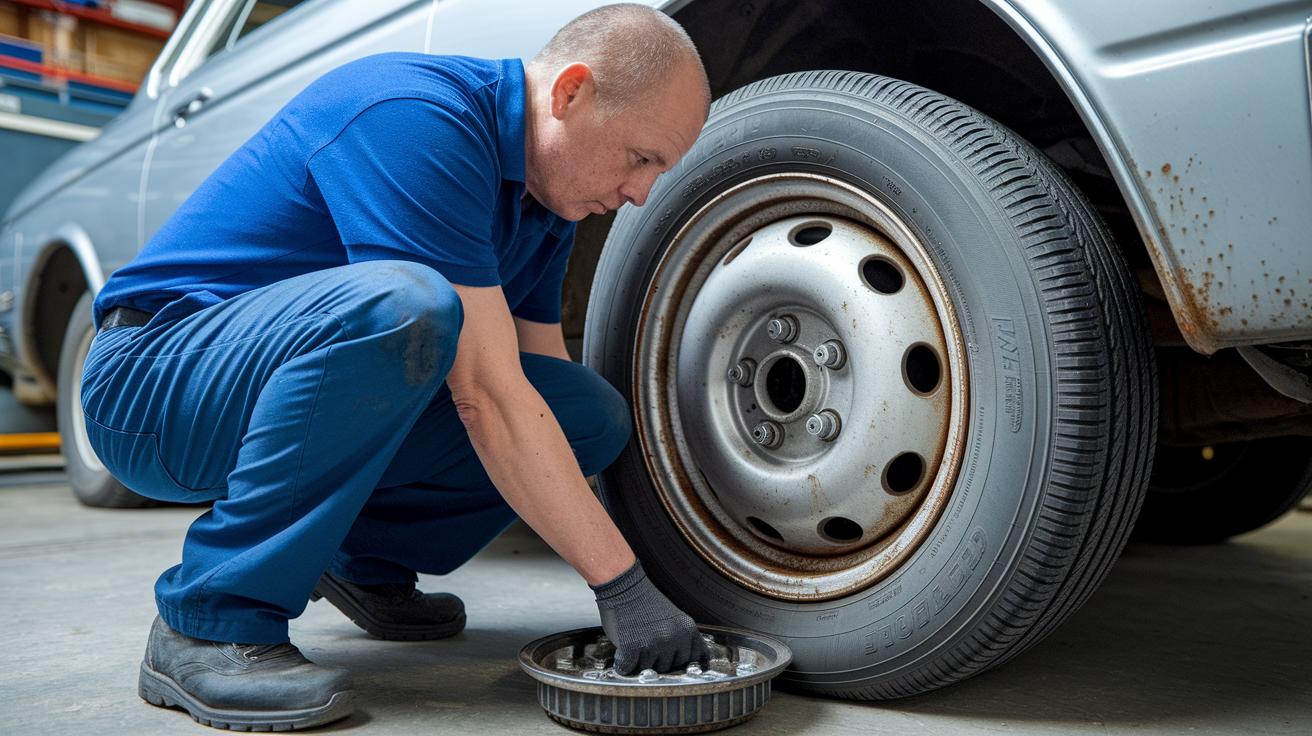
Every 1,000 miles, it’s a smart idea to do a four-point check on your accessories. Start by making sure every fastener, like lug nuts and spacer bolts, is tightened properly. Then, give a quick look for any rust or corrosion that might weaken the fit. After that, check the sensor batteries (like those in your TPMS sensors, which help keep an eye on tire pressure) to see if they’re still holding a charge. Lastly, inspect the tire bead seal (the edge where the tire meets the rim) for any wear or damage. This routine helps you catch little issues before they turn into bigger problems.
When it comes to durability, think of it as weighing two important things: how hard the material is and how much load it can hold. Harder materials tend to stand up to normal wear and tear better, but sometimes they might not bend enough for really heavy loads. On the other hand, parts made for high loads can manage more stress. Striking the right balance means you’ll know which accessories can handle the rough track days as well as your everyday drives.
If you notice your track tires wearing unevenly, it could be a sign that something isn’t quite right, maybe loose spacers or a worn valve stem. Look out for things like unexpected chafing or if things seem out of line around where everything connects. If your tires start showing these signs, it might be time to swap out the accessories. And for regular check-ups, consider booking a tire rotation service (https://unionno.com?p=913) to keep all your parts running smoothly.
Final Words
In the action, we explored the top tips and tools to boost tire performance and reliability. We looked at how matching accessory choices to tire grades can raise confidence on the road.
This guide highlighted key aftermarket accessories for sport tires. It showed simple steps to check fit, install hardware properly, and keep everything in top shape.
Great selections and proper upkeep mean safer, smoother rides ahead. Enjoy upgrading your ride with smart, proven tips.
FAQ
Frequently Asked Questions
Q: What is the best guide to aftermarket accessories for sport tires?
A: The best guide to aftermarket accessories for sport tires outlines key add-ons that boost performance and style. It compares options based on tire grades for better grip and handling.
Q: What does a wheel spacer guide explain?
A: The wheel spacer guide explains how different spacer sizes adjust the wheel fit. It helps you choose the right spacer width to improve load distribution and stability.
Q: What are hub centric rings, and why are they used?
A: The hub centric rings work by centering the wheel on the hub, reducing vibration and ensuring a smoother ride. They promote accurate alignment and overall driving comfort.
Q: What are Fitment Industries and their role in sport tires?
A: The term Fitment Industries refers to companies specializing in matching tires and wheels. They focus on finding the correct accessory fit to optimize your tire’s safety and performance.
Q: How do aftermarket center caps and custom wheel caps differ?
A: Aftermarket center caps add a fresh look and cover wheel hub details, while custom wheel caps offer personalized design touches. Both aim to enhance your vehicle’s appearance.
Q: Is it okay to use aftermarket lug nuts?
A: Aftermarket lug nuts are safe when they meet proper load specifications and torque requirements. They serve as an affordable way to upgrade your wheel’s look without sacrificing security.
Q: What makes a tire a sport tire?
A: A tire is considered a sport tire when it is built with high-grip compounds and rated with performance grades (AAA to D). Its design focuses on quick response and improved handling.
Q: How do I match mount tires for a quality fit?
A: Matching mount tires involves selecting accessories that align with your tire’s load index and speed rating. This proper fitment helps maintain tire pressure balance and secure attachment.
Q: How can I find the tire size for aftermarket rims?
A: Finding the correct tire size means measuring the rim’s diameter and width accurately. This ensures the tire fits well, supporting both performance and safety.

