

Ever wonder if rotating your tires could help you save money at the pump? When you swap the front and back tires, they wear out more evenly, which means there’s less friction (that rubbing which makes your car work harder) and lowers the strain on your engine.
Imagine the smooth purr of your car on a long drive, all because you kept up with tire rotations every 6,000 to 8,000 miles. Today, we’re chatting about how a good tire rotation routine can keep your ride running efficiently and help you squeeze the most out of every gallon.
How Tire Rotation Influences Fuel Efficiency
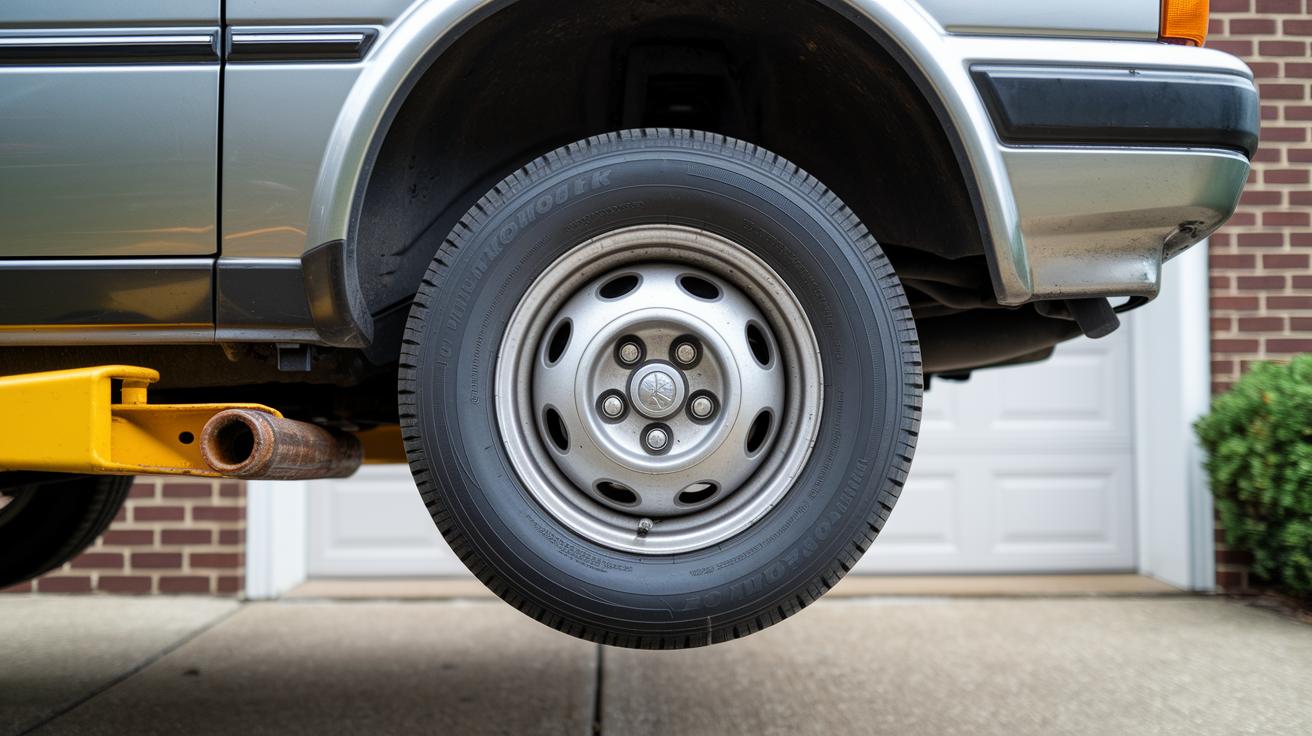
Rotating your tires helps lower rolling resistance, which is the friction your tires face as they roll along the road. With reduced friction, your car doesn't have to work so hard. This means smoother acceleration and steady traction on dry or wet roads. Picture cruising down the highway and feeling that reliable grip from evenly worn tires.
Regular tire rotation is key, usually every 6,000 to 8,000 miles. For instance, front-wheel drive vehicles tend to wear out their front tires faster, while rear-wheel drive cars see more wear at the back. This imbalance forces your car to overwork and use extra fuel. Check out your ideal rotation schedule on tityres.com. By rotating your tires as it’s recommended, each tire shares the load evenly, easing the strain on your engine.
| Benefit | How It Helps |
|---|---|
| Lower Rolling Resistance | Reduces the energy needed to keep your car moving |
| Longer Tread Life | Tires stay in good shape longer, keeping efficiency high |
| Balanced Grip | Better road contact means less extra work for the engine |
| Lower Engine Load | Prevents the engine from overworking and saves fuel |
| Improved Stability | Supports smoother driving in rainy or snowy conditions |
In time, keeping your tires evenly worn boosts fuel economy and overall vehicle performance. With regular rotations, your tires maintain the best possible shape and grip regardless of the weather or road conditions. This not only saves fuel but also gives you that confident, smooth ride every time you hit the road.
Recommended Tire Rotation Intervals for Fuel Economy Enhancements

Rotating your tires every 6,000 to 8,000 miles, or when you change your oil, helps keep them wearing evenly. Even wear means less friction and can save you some gas. For front-wheel drive cars, switching tires from the front to the back helps the ones doing most of the work. Rear-wheel drive cars get the best results when the back tires move to the front. If your car has all-wheel drive, a cross-rotation works best. And for heavy-load vehicles, it's smart to follow what the manufacturer recommends.
Imagine checking your tire rotation like you check your oil level, a little regular maintenance keeps everything balanced.
| Vehicle Type | Rotation Interval (mi) | Recommended Pattern |
|---|---|---|
| Front-Wheel Drive (FWD) | 6,000-8,000 | Front to Rear |
| Rear-Wheel Drive (RWD) | 6,000-8,000 | Rear to Front |
| All-Wheel Drive (AWD) | 6,000-8,000 | Cross Rotate All |
| Heavy-Load Vehicles | 6,000-8,000 | Follow Manufacturer Guidelines |
Keeping your tire rotation in line with routine checks, like oil changes or alignments, also helps keep tire pressure steady and temperatures low. This makes your ride smoother and your fuel use more efficient.
Assessing Uneven Tire Wear Patterns for Fuel Savings
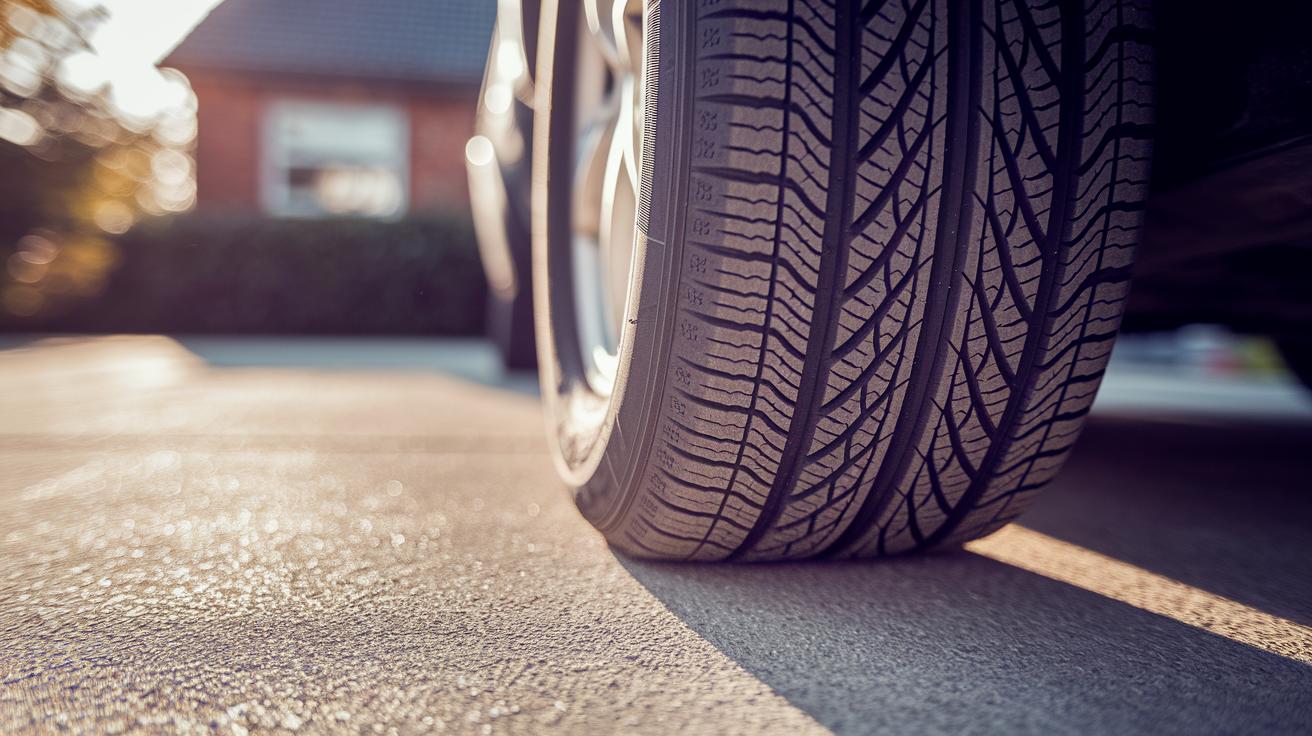
Take a good look at your tires every month. Check for clues like scalloping (those shallow dips in the tread), cupping (a few small dips or raised spots), feathering (a saw-tooth pattern along the edges), or even bald spots. When you notice these signs, it means your tires aren’t wearing evenly, and it might be a good time to rotate them.
Uneven wear makes your tires work harder by causing extra friction (rolling resistance). Think about riding a bike on a bumpy road compared to a smooth one, it takes more effort. This uneven wear not only reduces your tire life but also makes your car burn more fuel, especially when the weather is tricky like in the rain or snow.
Next, use a simple gauge to measure the depth of your tread at different points on each tire. If one tire is losing its tread faster than the others, that’s your signal to swap them around. Rotating your tires can help even out the wear, keeping your ride smooth and fuel-efficient.
Technical Mechanics of Tire Rotation in Reducing Engine Load
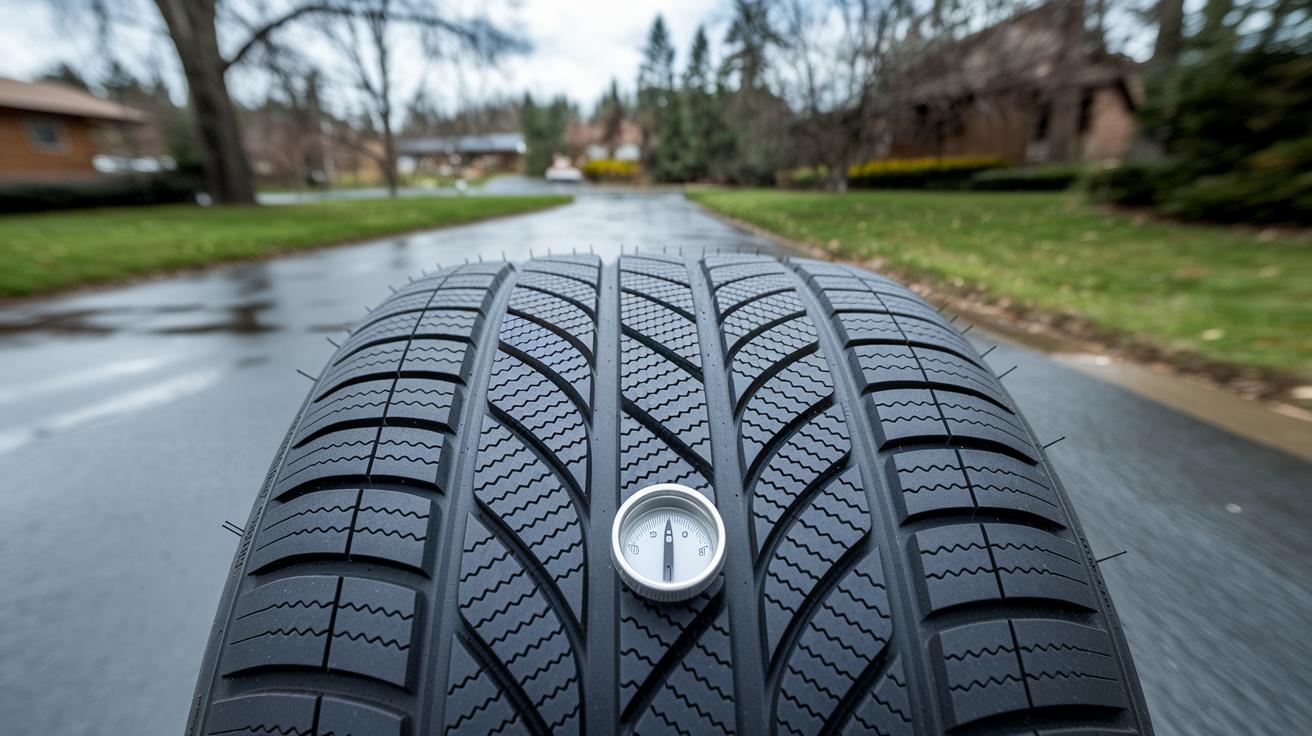
When your tires wear evenly, they roll more smoothly and the engine doesn’t have to fight extra drag. Even a tiny difference in wear can make the engine work harder, which wastes fuel. Keeping tires balanced means less energy is lost from uneven friction, so your engine gets a much easier ride.
When every tire has the same pressure and grip the road the same, the engine’s power flows right to the wheels without any extra slipping. This steady traction helps the engine work better, lowers fuel use, and makes your drive feel more controlled.
Cost-Benefit Analysis of Tire Rotation for Fuel Savings
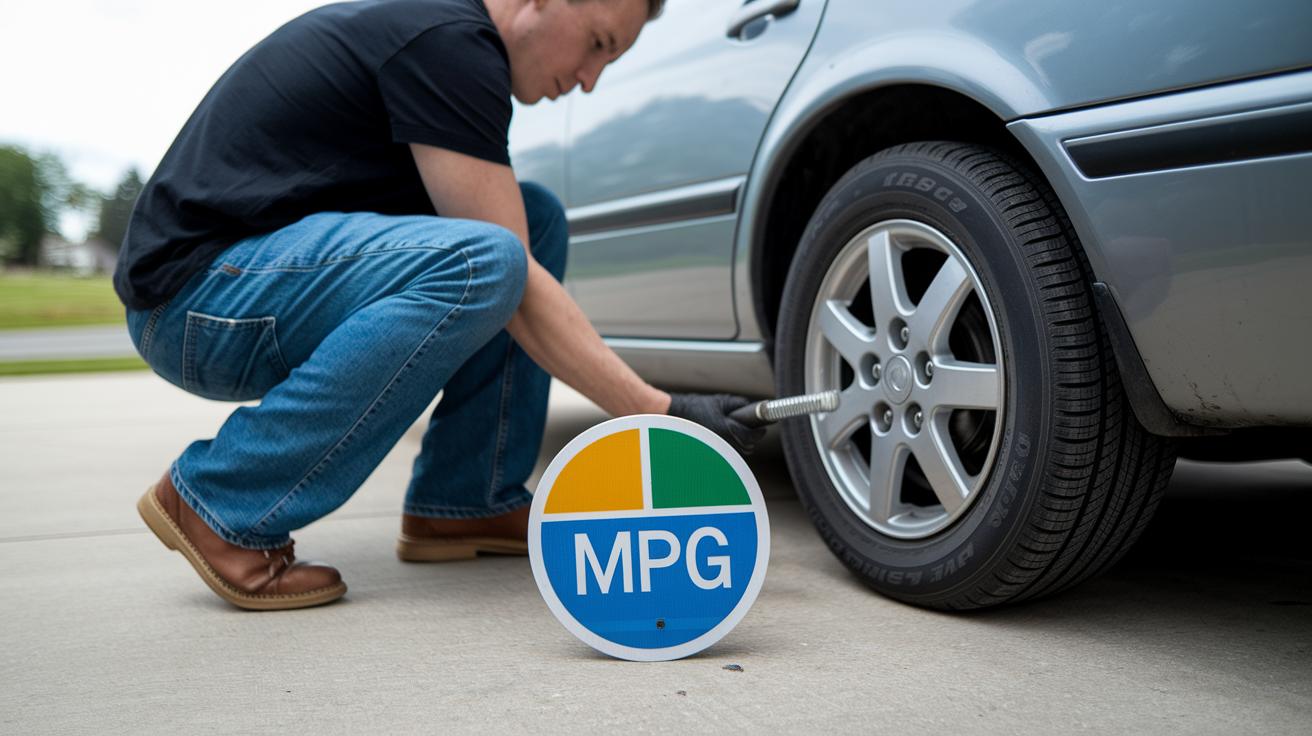
A tire rotation usually costs about $40 to $60, but that little expense can really help your fuel bill. Regularly rotating your tires improves fuel economy by about 2%, which is roughly a 0.3 mpg gain if your car normally gets 30 mpg. At about $3 per gallon, that could mean saving around $50 to $70 each year. Ever notice how a small fix can keep your car humming like new? Spending a bit now can lift the load on your engine later.
Looking at the numbers over a few years, the savings add up nicely. The fuel you save each year can cover the cost of the rotation, and over the life of your tires, these savings really multiply. Think of it this way: every rotation is like a little reward that turns a small fee into big fuel and cost savings. It’s a smart way to take care of your car without breaking the bank.
Not only does a regular tire rotation save you money, but it also helps cut down on vehicle emissions. When you even out your tire wear, your engine works more smoothly, which means fewer harmful gases are released. Plus, keeping your tires balanced can make them last longer and delay the cost of replacing them. So, next time you’re checking your car’s maintenance tips, remember that a few routine checks can lead to amazing savings and a smoother ride overall.
impact of tire rotation on fuel efficiency shines
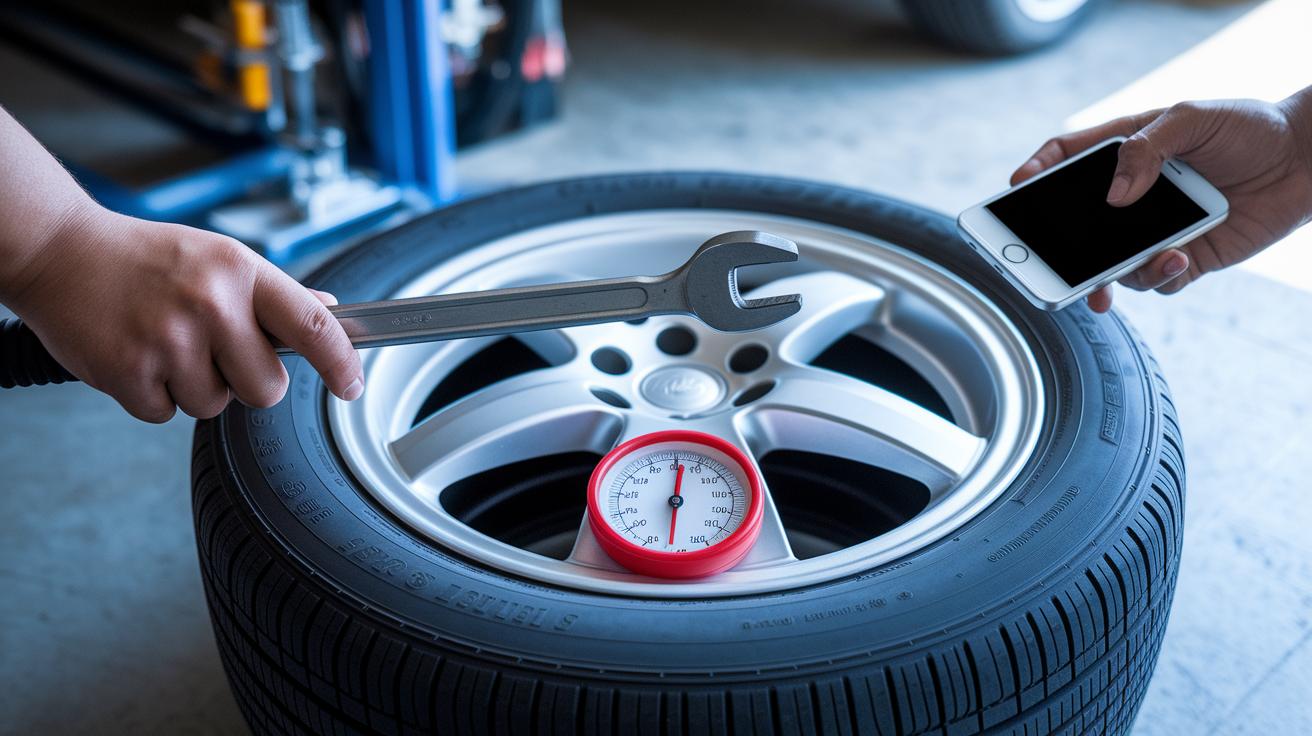
Before you get rolling, grab the right tools. You’ll need a torque wrench (this is a tool that tightens bolts just right), a tire pressure gauge, and a simple log to note down the dates and miles. Using these tools means you fasten every tire properly, which helps your car wear them evenly and even saves fuel. Think of it like setting your GPS before a trip, a small step that makes a big difference.
Next, stick to your car’s own tire rotation plan and check the tire pressure right after you switch them. Keeping an eye on tire pressure stops them from being too full or too low. With the right air, your tires keep a better grip on the road, sort of like having a smooth ride when the engine purrs just right. It’s a quick check that works much like glancing at your oil level.
Then, make it a habit to schedule tire rotations with oil changes and alignment checks. This way, you save time and give your tires a regular tune-up, which helps them last longer and keeps your car running smoothly. Keeping a simple record of each rotation makes it easier to know when to check again, helping you get the most out of every mile.
Final Words
In the action, tire rotation shows its worth by reducing rolling resistance and balancing wear. This keeps your tires gripping steadily, making engine work easier and saving fuel along the way.
A careful rotation schedule keeps mismatches at bay and supports smooth tire performance. The impact of tire rotation on fuel efficiency is clear, it lowers engine strain and boosts overall driving stability.
Keep up with these simple practices, and you’ll enjoy safer rides and better fuel economy.
FAQ
Does tire rotation affect gas mileage?
The effect of tire rotation on gas mileage is that regularly rotating your tires maintains even tread wear, which lowers rolling resistance and helps your car use fuel more efficiently.
Does a car drive better after a tire rotation?
A car drives better after a tire rotation because balanced wear improves traction and stability, resulting in a smoother, more controlled ride on the road.
Does rotating your tires actually help?
Rotating your tires actually helps by reducing uneven wear and lowering friction. This care supports improved fuel efficiency and extends the lifespan of your tires while keeping your ride smooth.
How often should I rotate my tires for mileage?
You should rotate your tires every 6,000 to 8,000 miles. Following this interval keeps the tread even, promotes better fuel use, and maintains overall vehicle performance.

