


Have you ever noticed that the way you drive might be causing uneven tire wear? Hard stops and quick bursts of speed can put extra pressure on certain tires, making them wear out faster. You might even need to rotate your tires more often than you thought.
In this post, we'll chat about how your everyday driving stretches some tires more than others. Rotating them regularly (that means moving them from one position to another to spread the wear evenly) can help a lot. Stick with us, and you'll see how a small tweak in maintenance can make your ride smoother and safer.
How Driving Habits Shape Tire Rotation Intervals

Tire rotation means switching your tires from one part of your car to another so they wear out evenly. It’s a bit like changing lanes when traffic is heavy so that every tire gets a fair share of the action. Before setting off on that long drive, think of rotating your tires as a way to smooth out your ride, much like alternating gears in a car makes everything run better.
Your driving style really affects how quickly your tires wear down. Hard pumping on the gas, speeding, and lots of stop-and-go can make some tires work harder than others. When one tire gets more pressure, you might see less grip on wet roads or notice uneven tread (the pattern on the tire that touches the road). This simple maintenance step keeps your car safe and steady, even if you like a little extra pep in your drive.
Most folks aim to rotate their tires every 5,000 to 8,000 miles. If you drive hard or often find yourself stuck in heavy traffic, you might need to swap them out even sooner. Regular checks and using a tire rotation service can spot hidden problems before they become big issues. In truth, taking care of your tires this way helps your car handle better and can add more life to your tires, so you stay safe every time you hit the road.
Aggressive Driving Impact on Tire Wear and Rotation Frequency
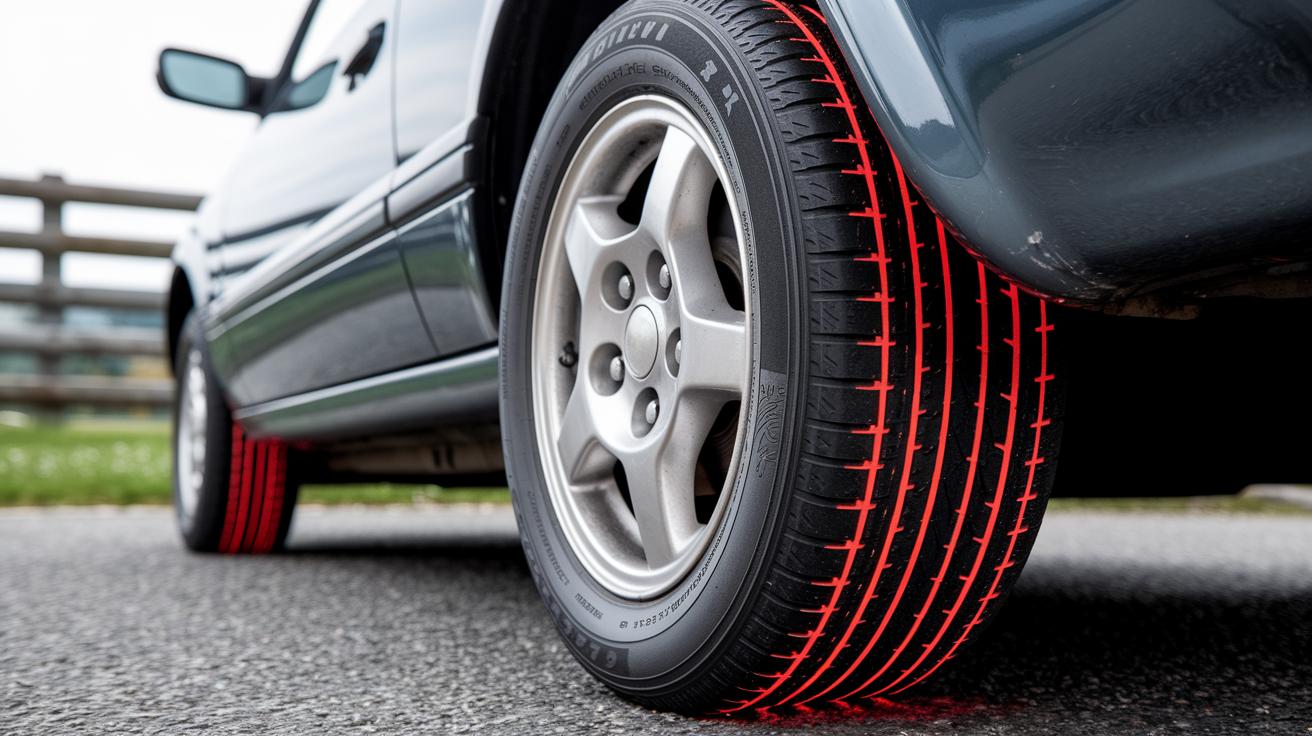
When you hit the brakes hard or floor the gas, your tires warm up a lot. Hard stops and quick bursts of speed create extra friction (rubbing that causes heat) on your tires, which can wear them unevenly. This extra wear might shorten your tire life by almost 25%, kind of like wearing out your favorite sneakers too quickly. In other words, you might need to switch your tire rotation schedule sooner than expected.
Rough driving also makes your tires lose grip faster. The extra friction stresses certain parts of each tire, which can lead to poor traction and handling. So if you often power through traffic with sudden stops or speedy starts, you might face issues with balance on the road. Keeping a closer eye on your tire rotation can help even out the wear and keep your ride safe.
Highway Speed Driving and Tire Rotation Requirements

When you're cruising down the highway, your tires get warm and start to heat up, especially if you're keeping above 65 mph for a long stretch. This extra heat can make the middle of your tire's surface wear down a bit faster (that’s the center tread wear). And while driving fast over time can wear things more evenly, the extra warmth can weaken the tire rubber. So, it's a good idea to adjust how often you rotate your tires based on your regular speed.
Keeping an eye on your tire balance when you're driving at higher speeds helps your tires last longer and keep a good grip on the road. By checking your average speed, you can set the right mileage interval for rotating your tires. This way, you’re more likely to avoid early wear and keep your tires performing well when you most need them.
| Speed Range | Impact on Wear | Recommended Rotation Interval |
|---|---|---|
| Under 65 mph | Even wear with moderate heat buildup | Every 5,000-8,000 miles |
| 65–80 mph | Increased center tread wear due to extra heat | Every 4,500-7,000 miles |
| Over 80 mph | Accelerated degradation from high tire heat | Every 4,000-6,000 miles |
Next, think about it this way: each rotation is like giving your tires a little reset so they all share the load evenly. And that means a safer, smoother ride on those long highway trips. Happy driving!
Stop-and-Go Urban Driving: Wear Patterns and Rotation Needs
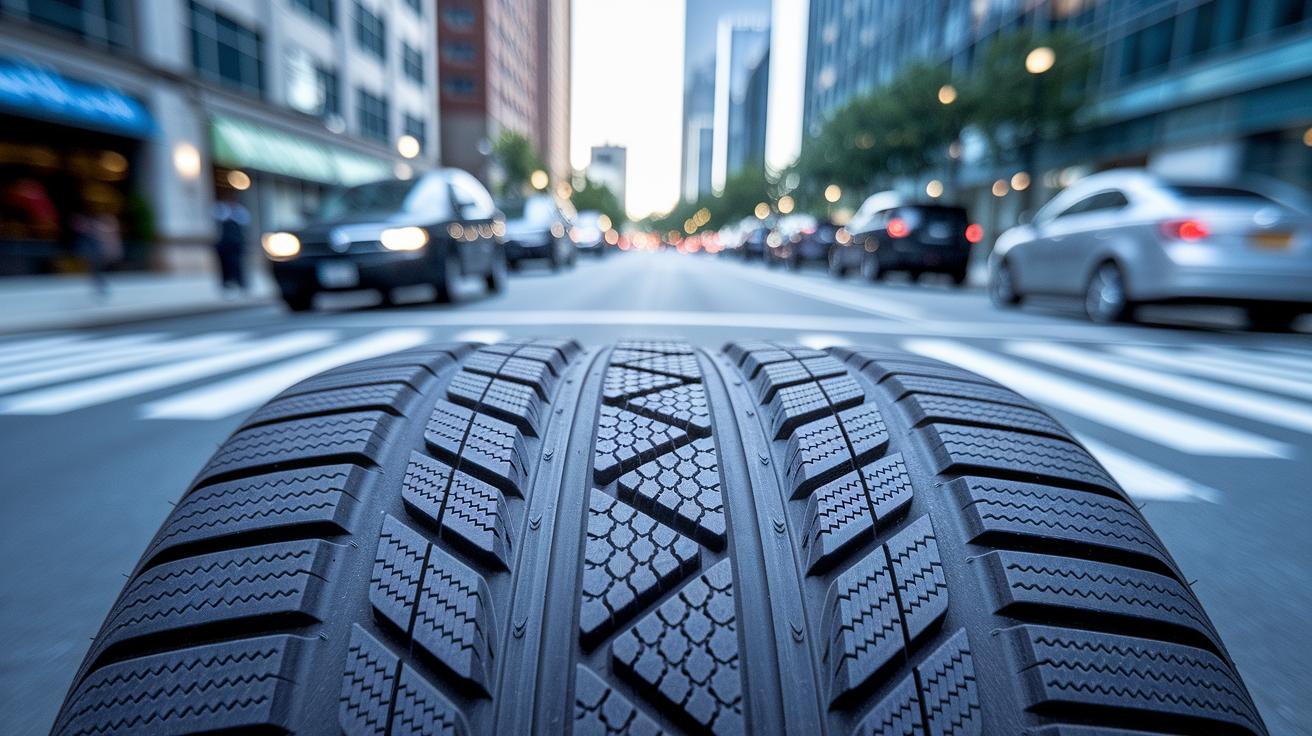
City driving puts your tires through a lot. With all the stops and starts, your tires get worn in ways you wouldn’t see on a straight, speedy road. Hard braking and quick starts can leave small cracks in the rubber and make the edges wear unevenly. Picture your tire like a sponge that grips the road one moment and then gets squeezed when you hit the brakes hard. Keeping an eye on these little signs can help you catch wear before it turns into a real problem.
For anyone stuck in heavy city traffic, rotating your tires every 5,000 miles might be the way to go. This shorter rotation schedule helps even out the unique wear from urban driving and can save you money by avoiding premature tire replacement. It’s like giving your tires a quick checkup more often, so they’re always ready to keep your ride smooth and safe.
Cornering and Braking Behaviors Affecting Rotation Schedules

When you make a quick, tight turn at high speed, the force pushes the tire’s outer edge (the part that touches the road) hard against the pavement. This extra push wears that part down unevenly. Heavy braking, when you really rely on your brakes, adds more strain, which can cause flat spots and wear on the tire’s shoulder (the side part of the tire).
And if you’re really aggressive with your turns and brakes, your tires can end up with uneven wear pretty fast. Just imagine a bunch of sharp turns followed by sudden stops. You might see the sides of your tires wearing out quicker than the rest. It all boils down to how the tire meets the road unevenly because of the forces from turning and heavy braking.
Regularly swapping your tires (rotating them) helps mix up these wear patterns. This keeps your car aligned and makes your ride smooth. So, pay attention to your tire wear and adjust your rotation schedule to keep your tires balanced, safe, and responsive every time you hit the road.
Customizing Tire Rotation Schedules Based on Driving Style

Your driving habits play a big role in deciding how often you should spin your tires. If you often drive in busy city streets or like to put a little extra pep into your acceleration and turns, your tires might wear out faster. In these cases, that usual 5,000-8,000 mile plan might need to be shortened so the wear stays even and you stay safe. Keeping your tires at the right pressure and checking the tread depth (that’s the groove in your tire, ideally more than about 2/32 inch) can really help them last longer. Some drivers even rotate their tires more frequently when they’re navigating tight, busy spots where lots of braking and quick turns happen.
Thinking about how your car is built can also guide you in tweaking your rotation schedule. For those driving vehicles with tires all the same size, a simple front-to-rear swap works well. But if your car’s setup is a bit different, you might need another strategy to keep things balanced. And if you enjoy doing things yourself, using some quality DIY gear like tire rotation tools can make the task a lot easier. Regular checkups ensure that each tire shares the load evenly, which can boost the overall life and performance of your ride.
Rotation Patterns for Different Drivetrains
For cars with rear-wheel drive or all-wheel drive, switching tires from the front to the back can help balance out wear. Front-wheel-drive cars, where the front tires take most of the action, usually do better with a rearward cross rotation. And in some cases, an X-pattern rotation is just the trick to keep every tire doing its best work.
Final Words
In the action, we explored how tire rotation keeps your ride balanced by matching rotation patterns to real driving styles. The article broke down tire movements from urban stop-and-go scenes to long highway trips and showed how aggressive driving speeds up tire wear.
We also touched on customizing schedules to suit different drivetrains. Remember, knowing the impact of driving habits on tire rotation needs helps you choose the right care and stay safe on the road. Enjoy the ride and keep rolling with confidence.
FAQ
How do driving habits affect tire wear?
How driving habits affect tire wear is evident when aggressive braking and rapid acceleration create uneven tire tread. These behaviors can cause parts of your tires to wear down faster, calling for more regular rotations.
How often should I rotate tires if I don’t drive much?
How often you rotate tires, even with low mileage, is influenced by natural wear. Even infrequent driving usually calls for a check and rotation about every 5,000 to 8,000 miles to keep tires balanced.
Which factors can affect how often you should rotate your tires?
Which factors affect tire rotation frequency include your driving habits, road conditions, and vehicle type. Fast acceleration, stop-and-go traffic, or high speeds all lead tires to wear unevenly over time.
How to recalibrate tires after rotation?
How to recalibrate tires after rotation involves adjusting tire pressures, checking wheel alignment, and resetting any tire pressure monitoring systems. Visiting a professional service can help fine-tune these settings for balanced wear.

