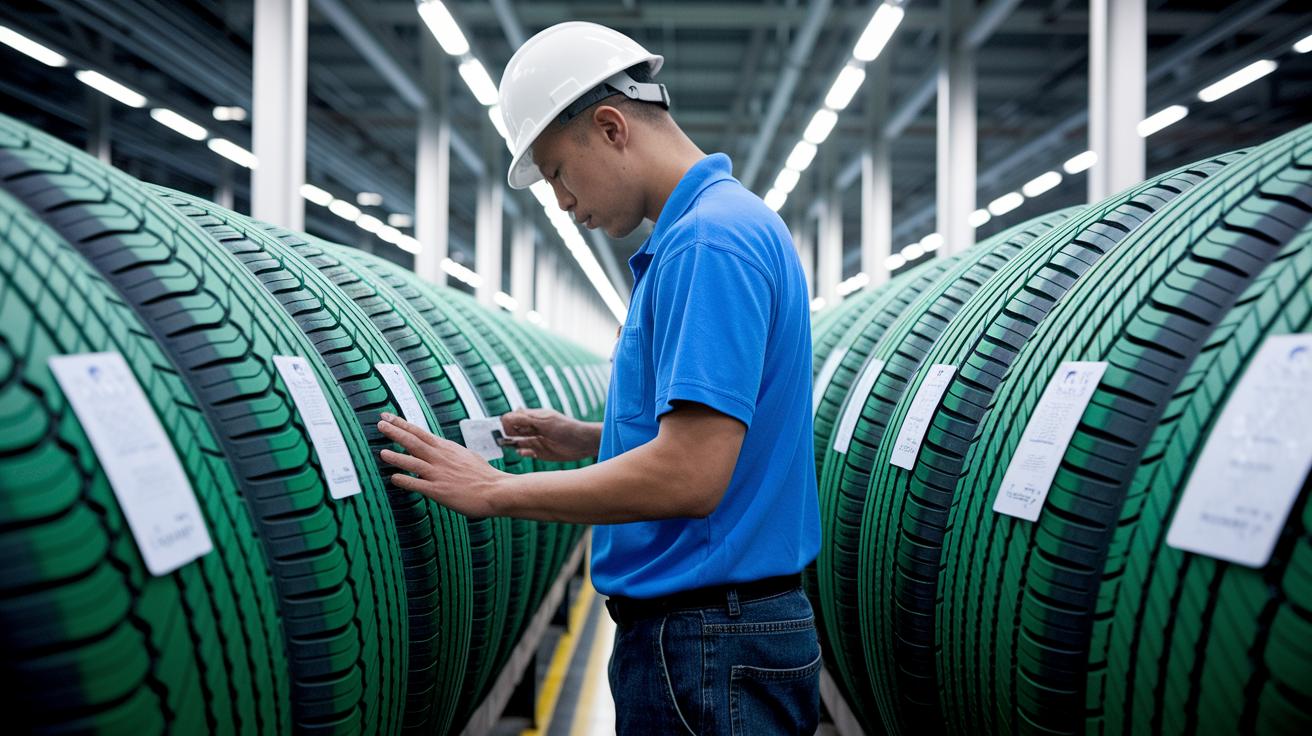


Ever wonder if sport tires can be green? More drivers and manufacturers are noticing clever green ideas that help tires roll smoothly and save on fuel. These green tires use natural materials like dandelion rubber (rubber made from dandelions) and soybean resin (a natural glue) to make them last longer. Factories are now using clean energy and smart methods to cut energy use, which helps the tires perform better and our planet stay cleaner. In short, making sport tires is turning into a smarter, greener move that helps everyone hit the road with more confidence.
sustainability trends in sport tire production: greener gains
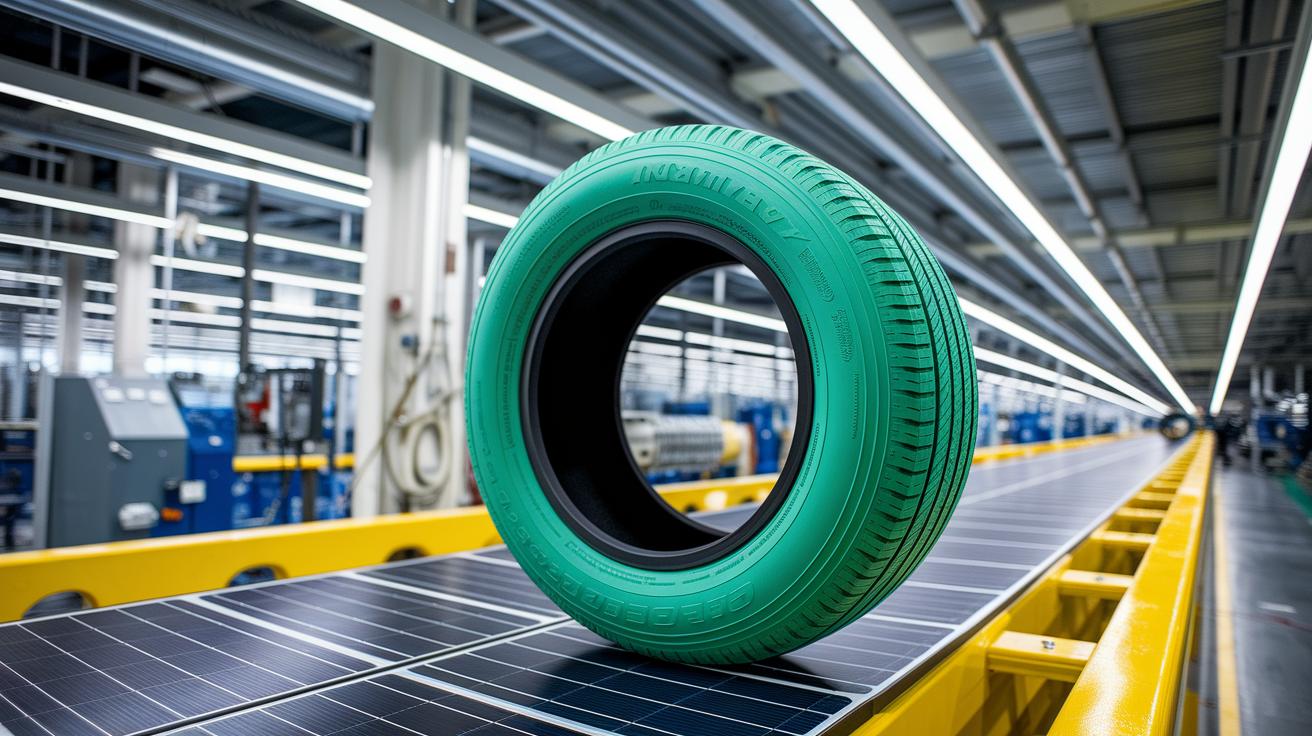
Green tires are taking off. The market for them is growing fast, moving from $88.2 billion in 2024 to $152.7 billion by 2029 with an 11.6% growth rate. Today’s sport tires feature designs that reduce rolling resistance (helping tires roll easier), which in turn boosts fuel efficiency and cuts energy use. More and more, manufacturers are turning to eco-friendly methods that use renewable energy to boost performance. This shift is driven by more electric vehicles on the road and tougher energy-efficiency rules everywhere.
Some key trends in modern sport tire production are:
- Bio-based compounds – These use natural ingredients, like rubber from dandelions or resins from soybean oil, to lessen our reliance on fossil fuels.
- Energy-efficient processes – New methods, such as using microwave or infrared curing, help lower energy use during production.
- Advanced recycling – Companies are now able to repurpose old rubber into new treads, which means less waste.
- Life cycle analysis – This means tracking a tire’s environmental impact from start to finish, making it easier to cut its carbon footprint.
- Renewable energy integration – Factories are starting to run on solar, wind, and other clean energy sources to reduce harmful emissions.
All these changes work together to create sport tires that not only perform well but also look out for our planet.
Sustainable Materials Innovation in Sport Tire Production
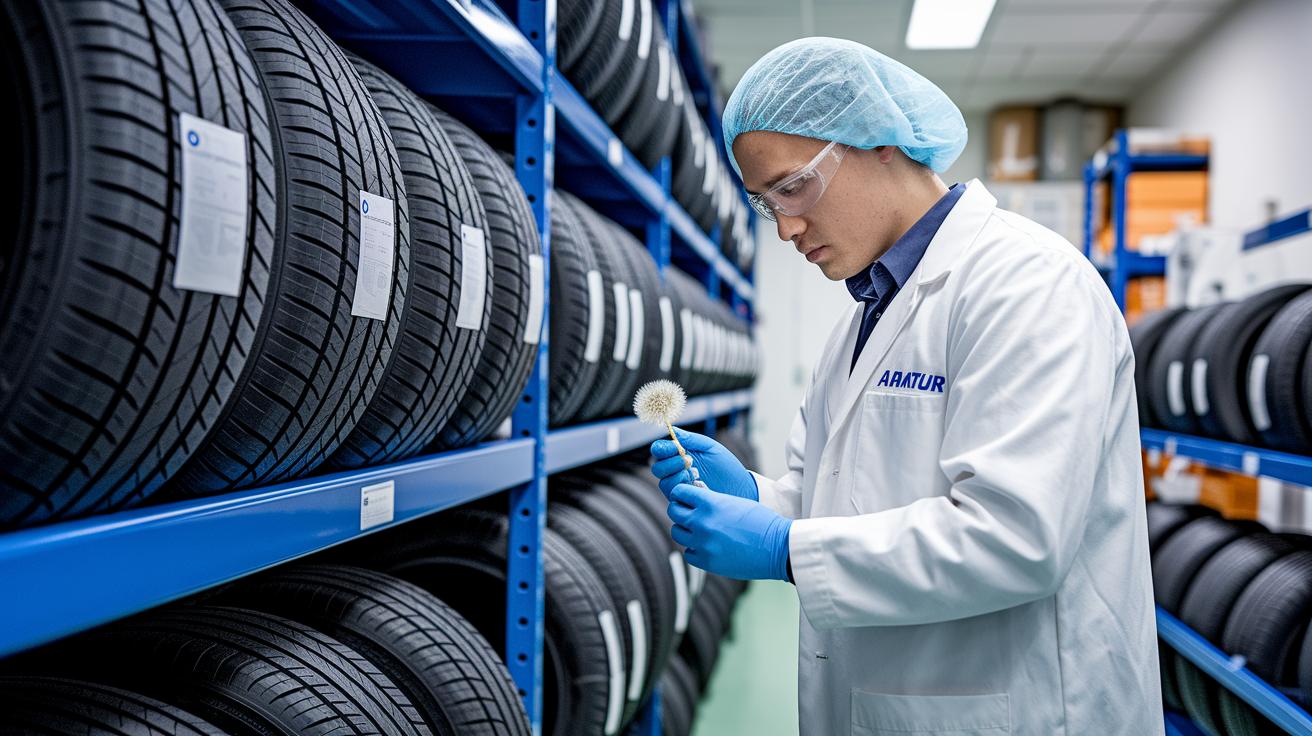
Sport tire makers are now turning to nature to make tires that are both powerful and kind to the environment. Instead of using oil-based materials, they’re switching to natural ingredients like rubber from dandelions (yes, the same plants in your yard), soybean oil resins, and rice-husk silica fillers.
For instance, some companies are replacing traditional fossil-based materials with dandelion-derived rubber. It works just like the usual rubber but comes from a source that can be grown again and again.
New material blends now include bio-based additives that can match or even outperform the older compounds. With a little help from nanotechnology (tiny tech that makes materials lighter and stronger), these tires last longer on the racetrack and also handle everyday roads with ease.
A lot of this cool innovation comes from green chemistry research. Scientists and engineers are busy testing and fine-tuning these natural compounds to make sure every ingredient meets eco-friendly standards. This careful work means you get high-performing tires without relying on old, fossil-based materials.
Manufacturers are slowly moving away from traditional rubber towards renewable alternatives. It’s clear that being eco-friendly and delivering a top-notch ride can go hand in hand. Sport tire makers are showing that you can protect our planet and still enjoy the quality and performance that drivers demand.
Energy-Efficient Processes and Low-Carbon Sport Tire Production Techniques
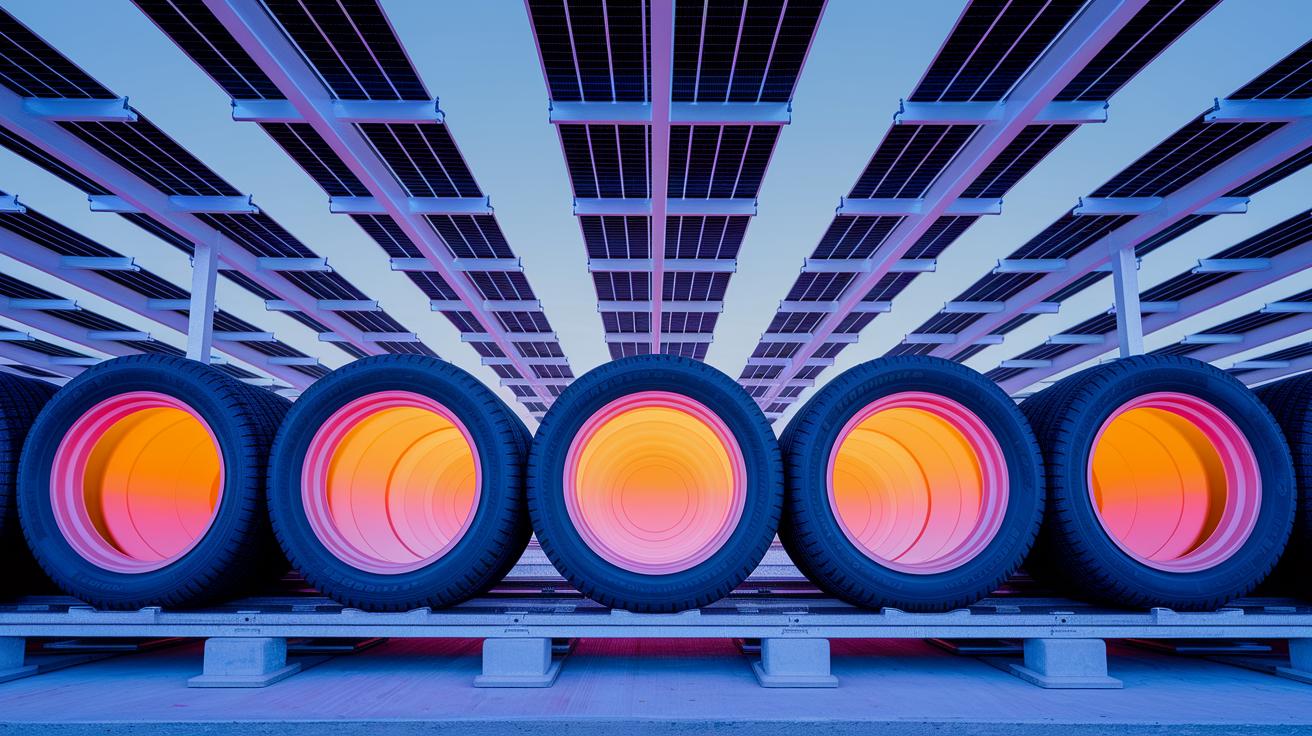
Imagine tire plants using new microwave and infrared curing methods to save up to 15% of their energy. These smart curing techniques heat tires quickly and evenly (they make sure the heat is just right), which not only cuts power use but also supports a low-carbon production plan. It all adds up to a process that's both efficient and kind to the environment.
Many modern plants now get more than 30% of their power from on-site solar panels or wind turbines. By tapping into renewable energy, these facilities are less tied to traditional power. This shift makes tire production greener while also shrinking the carbon footprint of every tire that rolls out.
Some factories are even turning to AI-driven platforms to fine-tune their vulcanization cycles (that’s the process of curing rubber to make it strong) and manage how materials flow. These systems tweak the process in real time, cutting down waste and keeping carbon emissions low. Overall, digital enhancements in curing and mixing ramp up efficiency and help hit low-carbon production goals.
In embracing these energy-saving and green automation practices, the tire industry shows that you don't have to sacrifice performance for sustainability. It’s a win-win: high-performance tires and clean, renewable practices traveling hand in hand.
Circular Economy and Advanced Recycling in Sport Tire Production
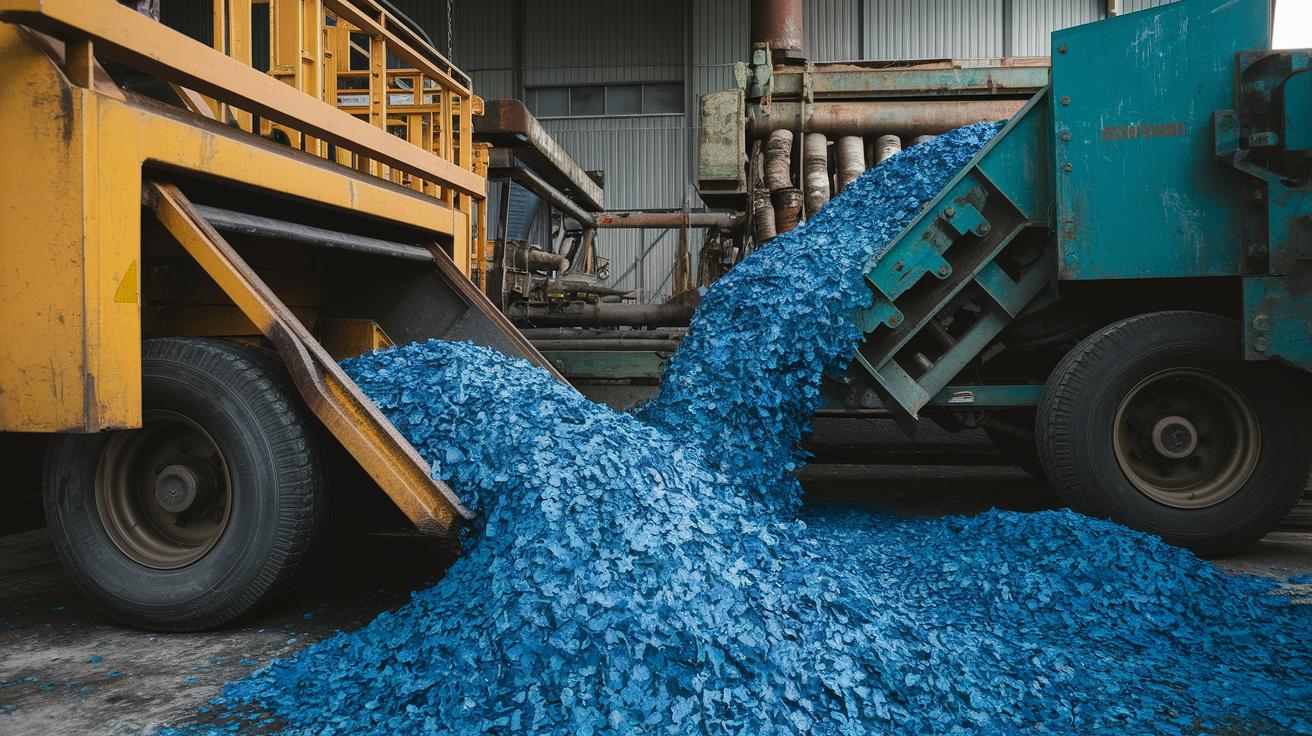
Sport tire makers are finding clever ways to cut down on waste by turning old tires into valuable resources. They follow a circular economy strategy where almost every part of a used tire gets a second chance. One process, called closed-loop devulcanization (where rubber is broken down so it can be reused), can recover up to 70% of the rubber. It’s like taking a tired notebook and reusing most of its pages.
Another smart method is pyrolysis. This process heats old tires until they break down into high-grade oil and carbon black (a type of carbon material). These ingredients can be used to create new tire compounds or other products. It’s a bit like transforming something discarded into quality building blocks for the future.
Mechanical grinding also plays a big role in this eco-friendly cycle. It grinds the rubber from worn tires so it can mix into new tread compounds. These techniques work together to reduce waste and cut the need for fresh, raw materials.
You can see real-life examples in action. Michelin’s pilot devulcanization line shows great promise for making zero waste, and Bridgestone’s TREAD retreading program gives used tires a new lease on life. Together, these recycling methods prove the industry’s strong commitment to making sure nothing goes to waste.
Regulatory Drivers and Sustainability Benchmarks in Sport Tire Manufacturing
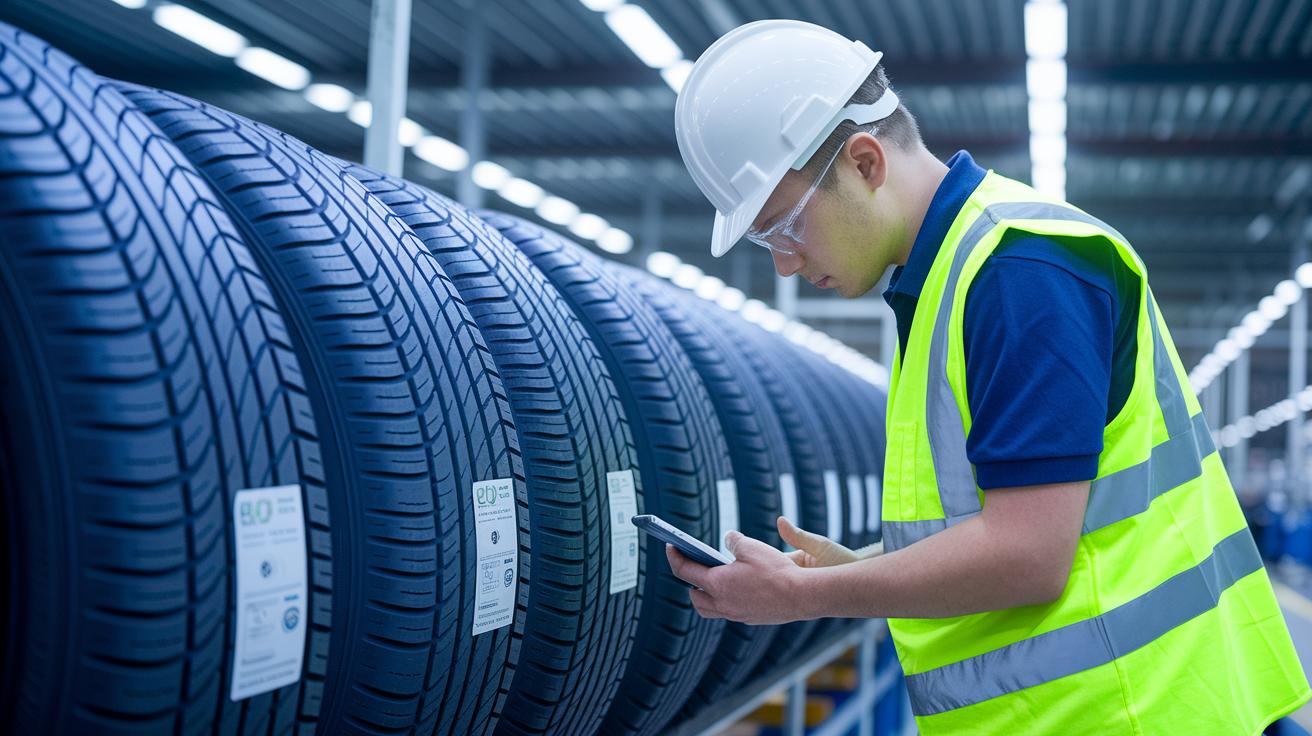
Regulators and industry rules are changing the way sport tires are made today. For example, the EU Ecolabel now makes sure tires pass energy-efficiency tests (which check how well tires use energy) before they reach the shelves. And over in the U.S., the EPA SMARTWAY program gives rewards for low-rolling-resistance tires, which means manufacturers are working hard to lower emissions on our roads.
It’s not just about passing tests, either. Standards like the ISO 14001 certification ask factories to keep a close eye on their environmental impact and share that information. This step makes it clear when and where improvements are needed. Manufacturers are expected to be more open about how their whole supply chain affects the environment. Soon, new rules about carbon borders will push companies to aim for even lower carbon footprints when making tires.
These rules aren’t just a checklist to follow. They also fire up new ideas and improvements. When tire makers match up their work with green industry standards, they are encouraged to improve their production methods, manage energy better, and try out new materials. In truth, this new way of doing things not only makes sport tires perform better but also helps the whole manufacturing process be kinder to our planet.
Future Outlook: Next-Gen Sustainable Technologies for Sport Tire Production
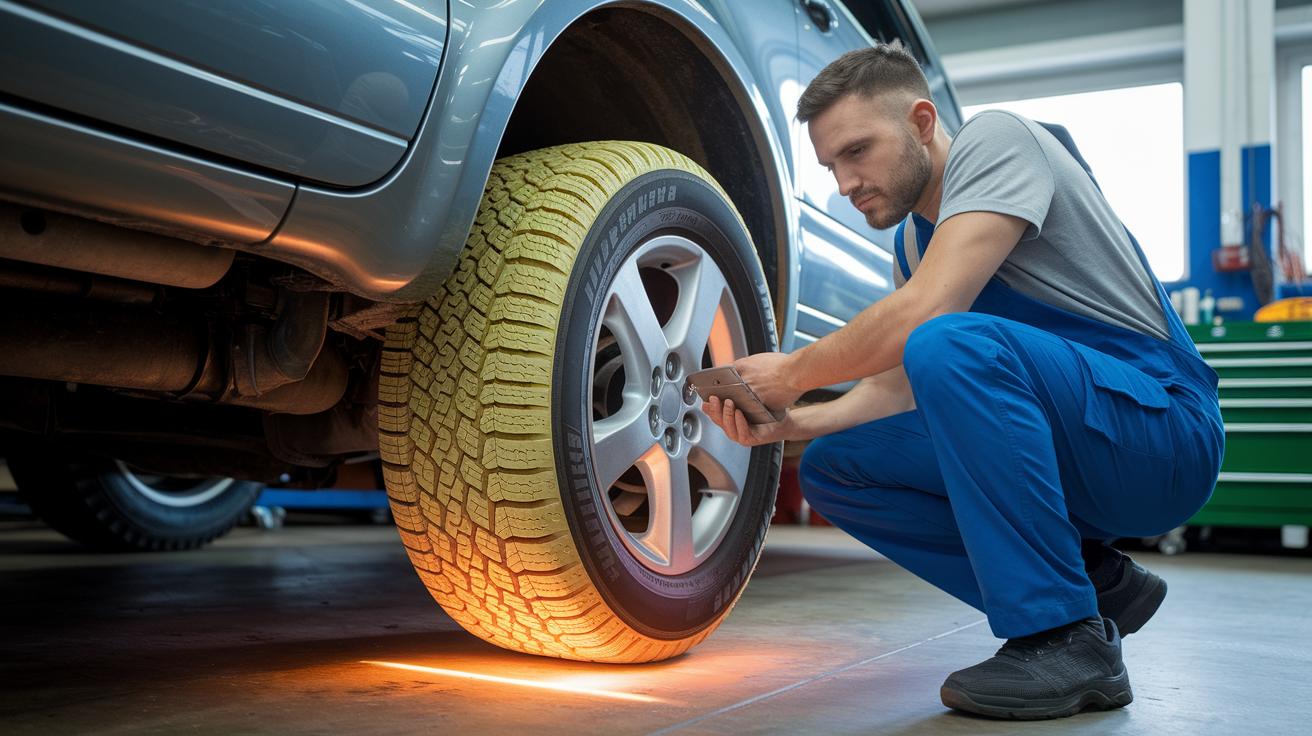
Sport tire tech is moving into a greener, high-performance future. Researchers are busy crafting 3D-printed bio-resin treads (bio-resin is a natural, plant-based material) that not only reduce weight but also trim energy use during production. Imagine your tires letting you know when they need a check, thanks to tiny biosensors that send real-time alerts, like a friendly nudge from your car.
Nano-reinforced elastomers (a mix of natural and advanced rubber compounds) are also getting a boost. They promise stronger yet flexible tires perfect for today's electric vehicles. These materials improve grip and durability without demanding too much energy. New formulas are being worked on specifically for electric cars, keeping high performance while lowering energy needs.
With more drivers asking for green solutions and tighter carbon rules, major companies are aiming for fully recyclable, low-energy tires by 2030. The ongoing sustainable research in tires clearly shows that the next generation will offer both the performance we love and the eco-friendly benefits our planet needs. Soon, we'll see smarter, safer tires that help keep our world cleaner.
Final Words
In the action, we saw how sport tire production is shifting with new eco ideas. The post covered topics like low-rolling-resistance designs, renewable feedstocks, energy-saving cures, and recycling ideas. We also touched upon regulations and upcoming tech that keep all steps in check. All these points highlight sustainability trends in sport tire production and show that smart choices in manufacturing make a real difference. It’s a bright time for car care, and there’s so much promise ahead.
FAQ
What is covered in the Sustainability trends in sport tire production pdf?
The PDF explains how sport tire makers are using eco-friendly designs like low-rolling-resistance tires, energy-efficient curing, and recycling practices to cut emissions and boost performance while reducing environmental impact.
What are the Sustainability trends in sport tire production 2021?
The trends in 2021 highlight a shift toward using renewable materials, energy-saving processes, and advanced recycling methods to make sport tire production cleaner and more efficient.
What is the Tire Industry Project?
The Tire Industry Project focuses on boosting green manufacturing by aligning tire production with strict eco-friendly standards and developing smarter recycling methods to create more sustainable sport tires.
What is discussed at the Tire Emissions Research Conference?
The conference brings experts together to look at lowering tire emissions by sharing insights on energy-saving production techniques and cleaner tire manufacturing, aiming to reduce the industry’s overall carbon footprint.

