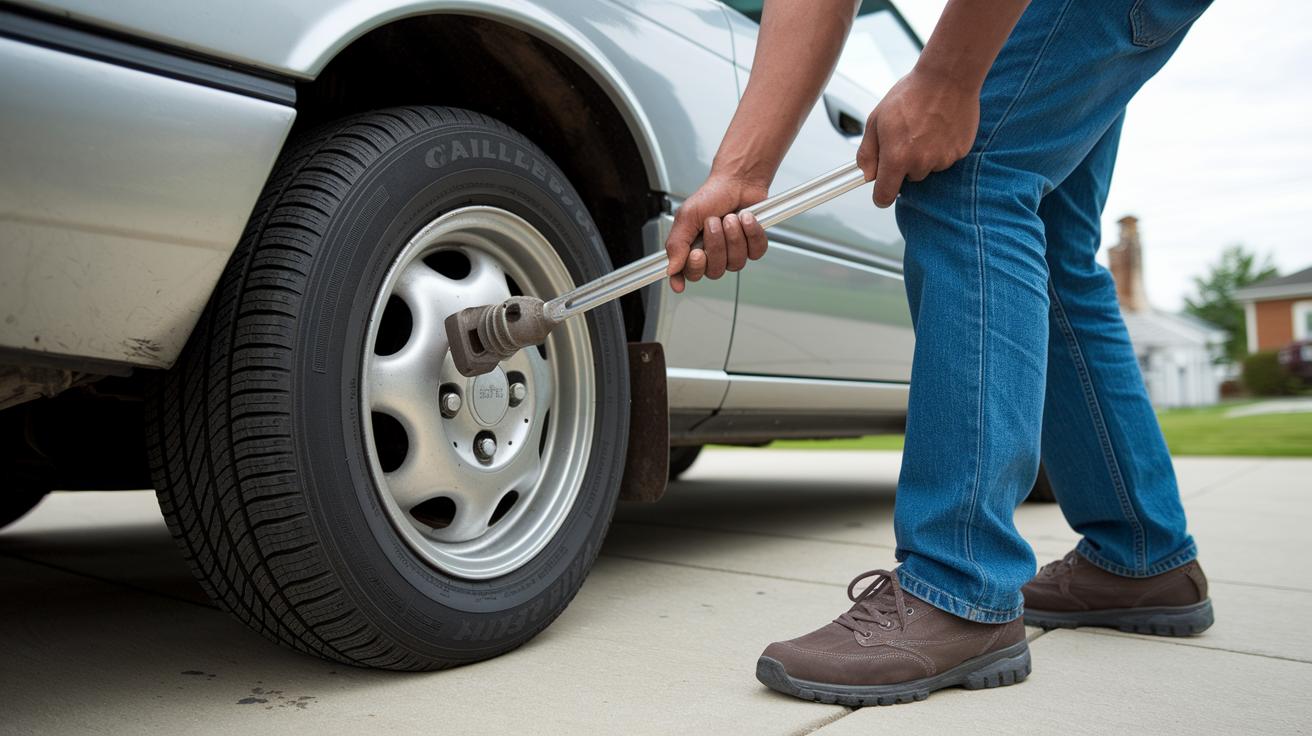


Ever thought that a quick tire rotation might be the key to a smoother, safer drive? Many drivers tend to skip this simple check, and then their tires end up wearing unevenly (that means one side wears out faster than the other) and losing grip on wet roads. A quick rotation every few thousand miles can help your car feel more reliable and make your tires last longer.
In this post, I'll walk you through some easy steps, kind of like a handy checklist, to make sure you're getting the most out of your tires. It’s a small change that can really pay off over time.
Essential Tire Rotation Best Practices for Daily Drivers

Regular tire rotations help your car run smoother and keep your tires lasting longer. Experts suggest rotating your tires every 5,000 to 8,000 miles (about 8,000 to 13,000 kilometers) so none of them wear out too soon. It’s a bit like checking your tire pressure before a long road trip, a small step that can save you big trouble later.
Even tire wear not only makes your ride smoother but also boosts safety. When all your tires grip the road evenly, you’re less likely to face problems like hydroplaning (when tires lose grip in wet conditions) or uneven braking. Picture driving on a rainy day with every tire holding the road nicely, keeping your ride steady.
Regular tire rotations are a smart way to extend the life of your tires. Just like getting an oil change, a little routine care goes a long way. Even if your schedule is packed, a quick tire rotation can make sure uneven wear doesn’t get in the way of enjoying your drive.
It’s also a good idea to check your tires every now and then for signs of uneven wear, like different scratches or shallower tread depth (the grooves on your tire). Taking a few minutes to do this on a regular basis makes a big difference in keeping your car safe and reliable for every journey.
Recommended Rotation Intervals for Daily Commuters
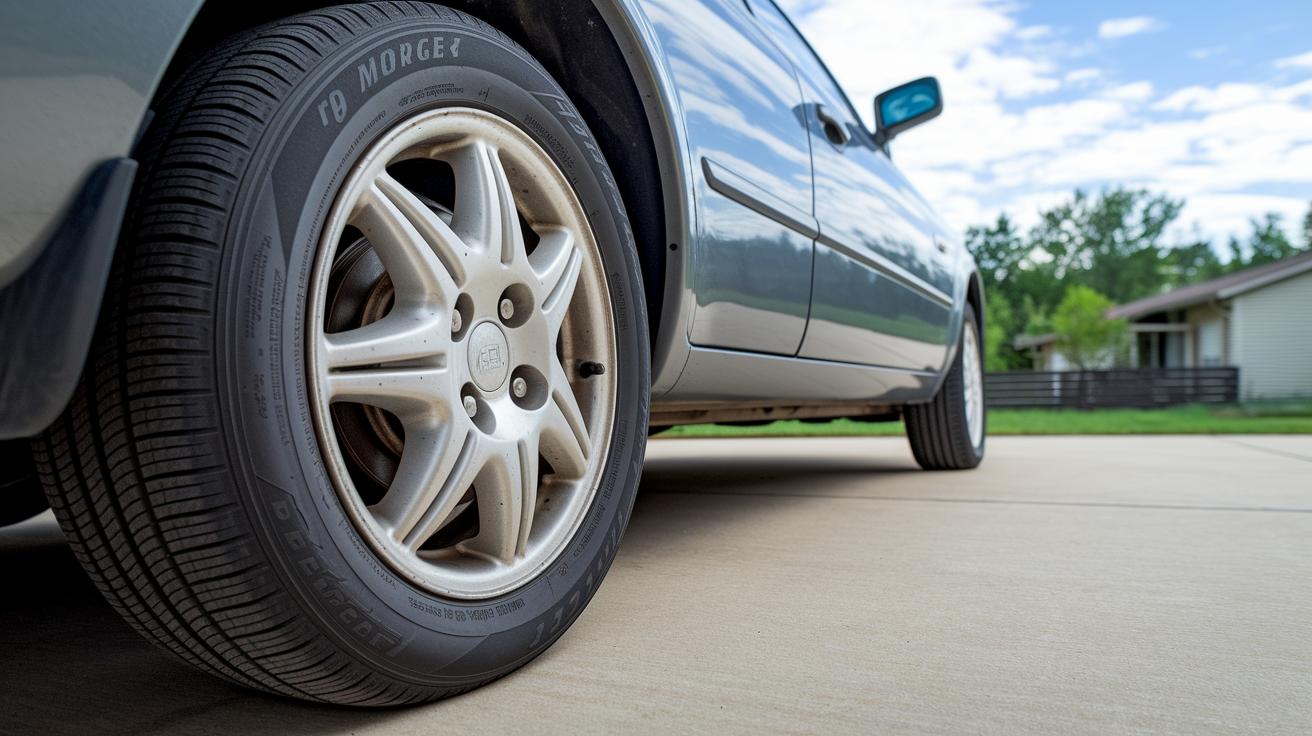
Your owner’s manual usually suggests rotating your tires during an oil change, which is about every 5,000 to 7,500 miles. But it’s a good idea to look at your tires for any uneven wear too. If one tire’s inner edge is wearing down quicker than the outer edge, it could mean you need an alignment check (making sure your wheels point in the right direction).
When roads are wet, salty, or cold, tires can wear out faster. In winter, for example, extra salt on the roads might speed up tire wear. So, it might be smart to schedule rotations a bit earlier during these harsh conditions.
Factors like extra weight in the car or bumpier roads can also affect tire wear. At each oil change, take a moment to check the tread and notice if the car pulls slightly to one side. This easy check can help you decide when to rotate your tires and keep them in good shape.
| Wear Pattern | Possible Issue |
|---|---|
| Faster wear on inner edge | Alignment check needed |
| Faster wear on outer edge | Check tire pressure (inflation) |
| Earlier wear in harsh conditions | Consider rotating sooner |
Tire Rotation Patterns Tailored to Daily Driver Configurations

Every day, your car's tires work hard, and rotating them can really help spread out the wear. Think of it like giving each tire a little break from the job, making sure none of them gets overworked. Different drive systems and tire types might need their own swap style, so it's worth checking out what fits best.
For front-wheel drive cars, try an X-pattern or a straight front-to-back switch if your tires aren’t built to a set direction. With the X-pattern, you move each tire diagonally, for example, the front left goes to the back right. This simple change helps balance the load from heavy steering and weight shifts. Still, it might be that just swapping front and back works for your car, so take a peek at the owner’s manual for tips.
Rear-wheel and all-wheel drive cars have their own needs. Even though the rear tires usually don’t steer, they can still wear unevenly from weight shifts and speed changes. In these cases, rotating them in a rear-to-front swap or a diagonal style works well to even out the stress each tire experiences.
Some tires have a built-in direction because of the way the tread is shaped. With these, you must keep the sidewalls facing the right way, and a simple cross swap won't be a good idea. Also, asymmetrical tires have unique inner and outer sides that need to be mounted as the maker suggests. Following these tips helps keep your tires doing their best and extends the life of your ride.
Step-by-Step Tire Rotation Procedure for Daily Use Vehicles
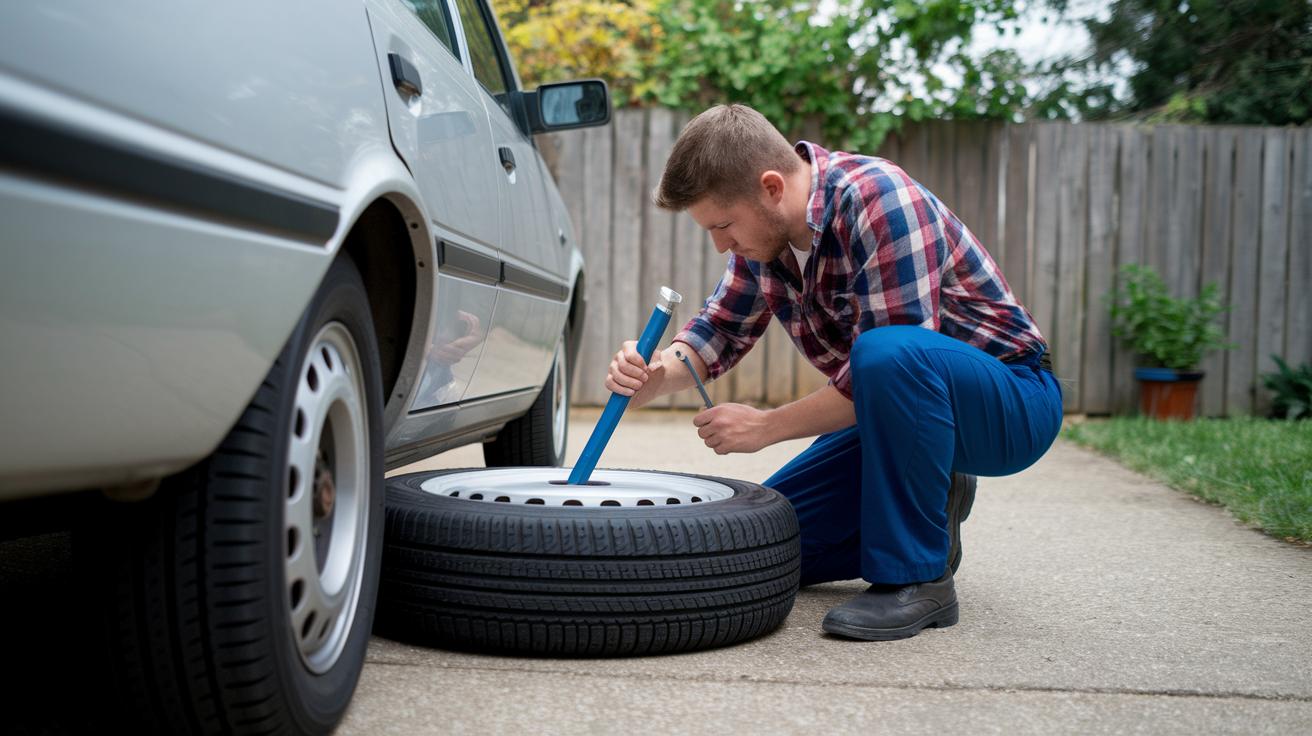
Getting your tires rotated is a simple way to help them wear evenly. It usually takes about 30 to 45 minutes to complete if you take your time with each step. Think of it as a quick check-up for your car, much like checking your oil before a long drive. You will need a jack, jack stands, a lug wrench, and a torque wrench to make sure everything is safe and secure.
Start by setting up your workspace. Park your car on a flat surface so it won’t roll unexpectedly. It’s best to pick a dry day when you can clearly see your car. Once you’re ready, follow these steps:
- Loosen the lug nuts. Before you lift your car, take a moment to slightly loosen all the lug nuts on your wheels. This makes it much easier to remove the wheels later.
- Lift the vehicle with care. Use your jack to raise one side of the car and support it with jack stands. If needed, switch to the other side so the car stays steady.
- Remove the wheels. Now that the lug nuts are off, carefully take each wheel off the car.
- Swap the wheel positions. Follow the tire rotation pattern found in your car’s owner’s manual. If you need more help, you can look up a guide on how to do a tire rotation.
- Hand-tighten the lug nuts. After you reposition the wheels, use your hands to tighten the lug nuts so they stay in place.
- Lower the car and finish tightening. Gently bring the car back down and then use your torque wrench to tighten the lug nuts to about 80 to 100 ft-lbs.
By taking these steps, you help your tires wear evenly and keep your ride smooth and safe. Enjoy the peace of mind that comes from a little routine care.
Inspection and Maintenance Checks During Tire Rotation
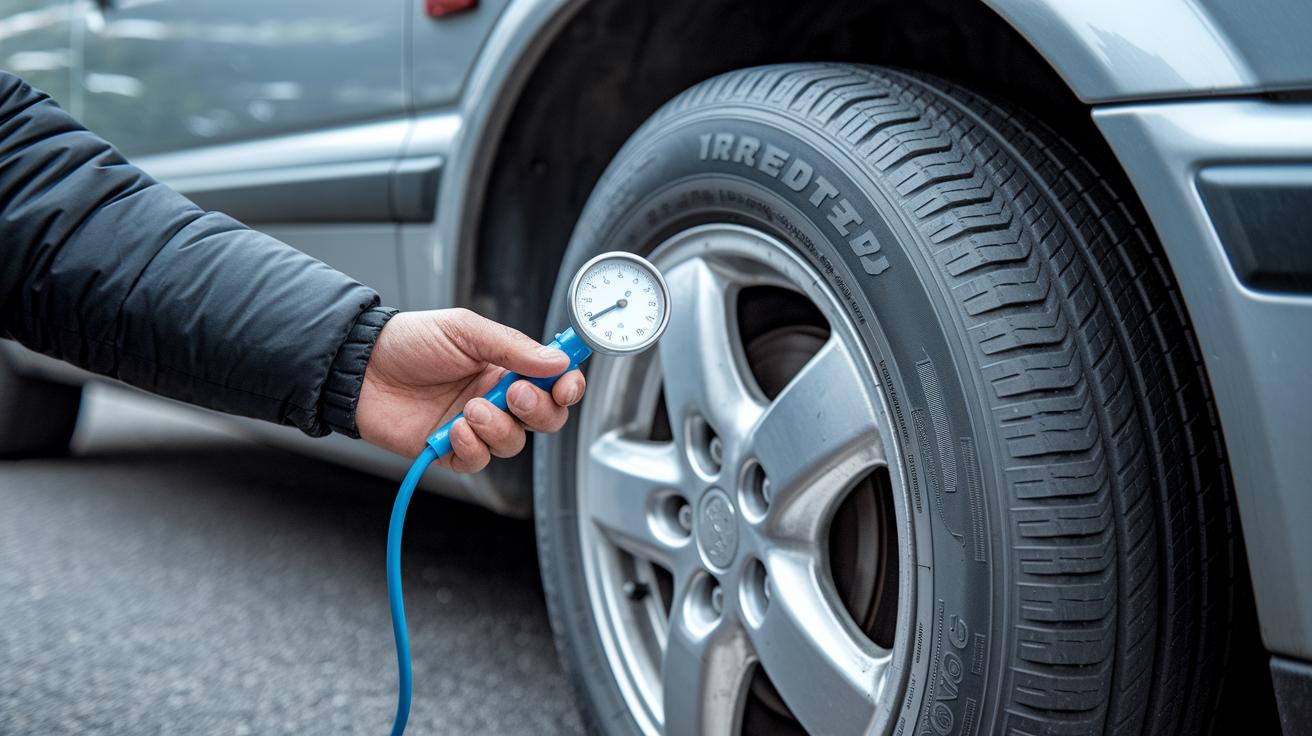
Taking a moment to check your tires during each rotation feels just like giving your car a simple health check. You want to look over the tire tread (the grooves on your tire), check its pressure, and inspect the sidewalls for any damage. It’s a lot like testing your car's lights before hitting the highway, a quick step that helps keep everything running safely.
Every month and during every tire rotation, give your tire pressure a look. Low pressure can cause uneven wear and make your ride less efficient. Think of it like making sure your fuel gauge isn’t on empty, a small overlook can lead to bigger issues. Keep your tires inflated to the right level for a smoother trip.
Don’t forget to check the sidewalls too. Look for cracks, bulges, or any punctures that might be signs of damage. A quick look can catch problems early, saving you from unexpected road troubles. And while you’re checking, pay attention to how your car handles. If you feel any drifting or vibration, it might be time to have your wheel alignment (making sure your wheels are set correctly) checked.
Remember this handy tip: Checking your tires is as routine as checking your mirrors, it takes just a minute but really boosts your safety.
| Check Item | Frequency | Action |
|---|---|---|
| Tread depth (min 2/32″) | At each rotation | Measure with a gauge |
| Tire pressure | Monthly/each rotation | Inflate to spec |
| Sidewall condition | Each rotation | Visual inspection |
| Alignment indicators | Each rotation | Check wheel geometry |
Cost-Benefit Analysis of Regular Tire Rotations for Daily Drivers
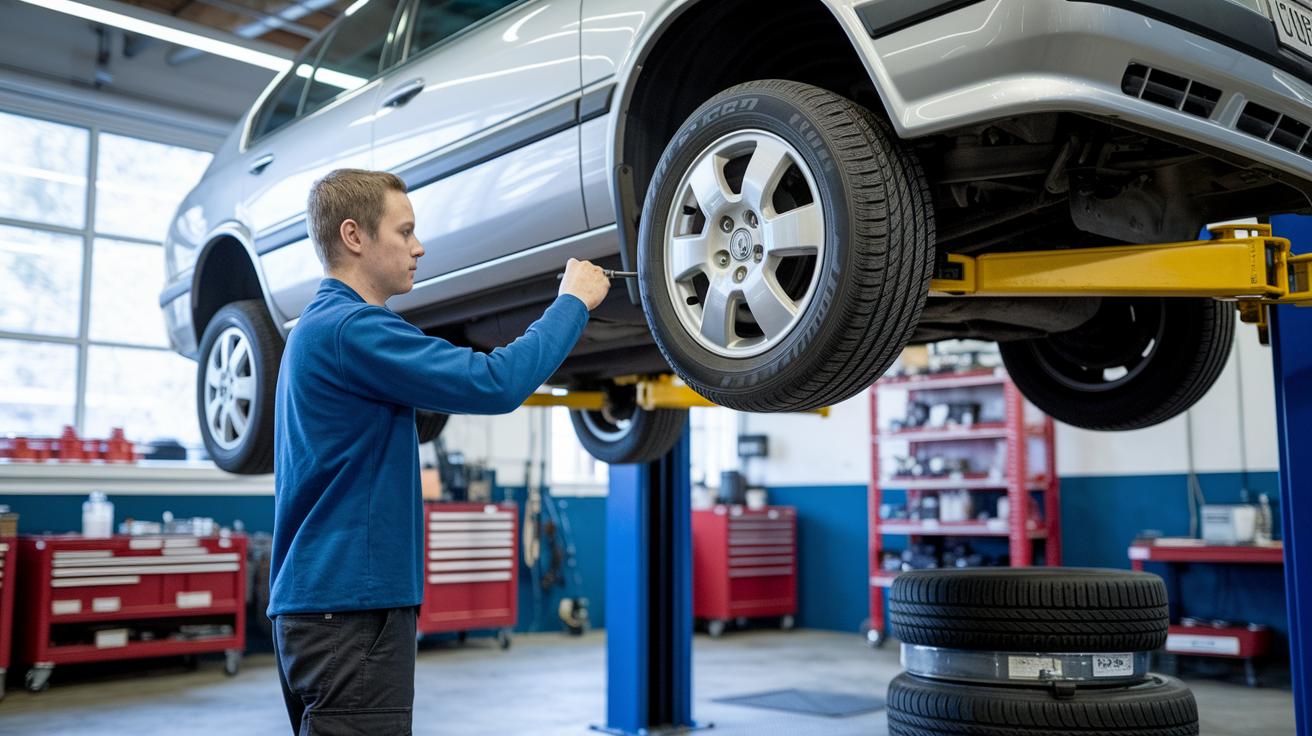
Getting your tires rotated regularly is a smart move that saves you money and keeps your car running better. When you spend around $20 to $50 on a rotation, you can avoid paying $150 to $200 for a new tire. It’s a little investment that can push off a big expense by 10,000 to 15,000 miles. Did you know that a simple rotation can even boost your fuel efficiency by up to 3%, giving you a few extra miles on a full tank?
Every time you rotate your tires, they wear out evenly. This helps your car run smoother and keeps it more efficient. Even wear means your tires hold the road better in all kinds of conditions, cutting down the chances of sliding on wet roads or uneven braking. It’s a win for safety and for lowering extra maintenance bills.
When your tire wear is balanced, each tire lasts longer, which means long-term savings for you. Instead of having to replace a set of tires too quickly, regular rotations keep your car performing steadily. And let’s be honest, a car that handles well makes every drive feel more secure.
Professional vs. DIY Tire Rotations: Best Practices for Commuter Vehicles
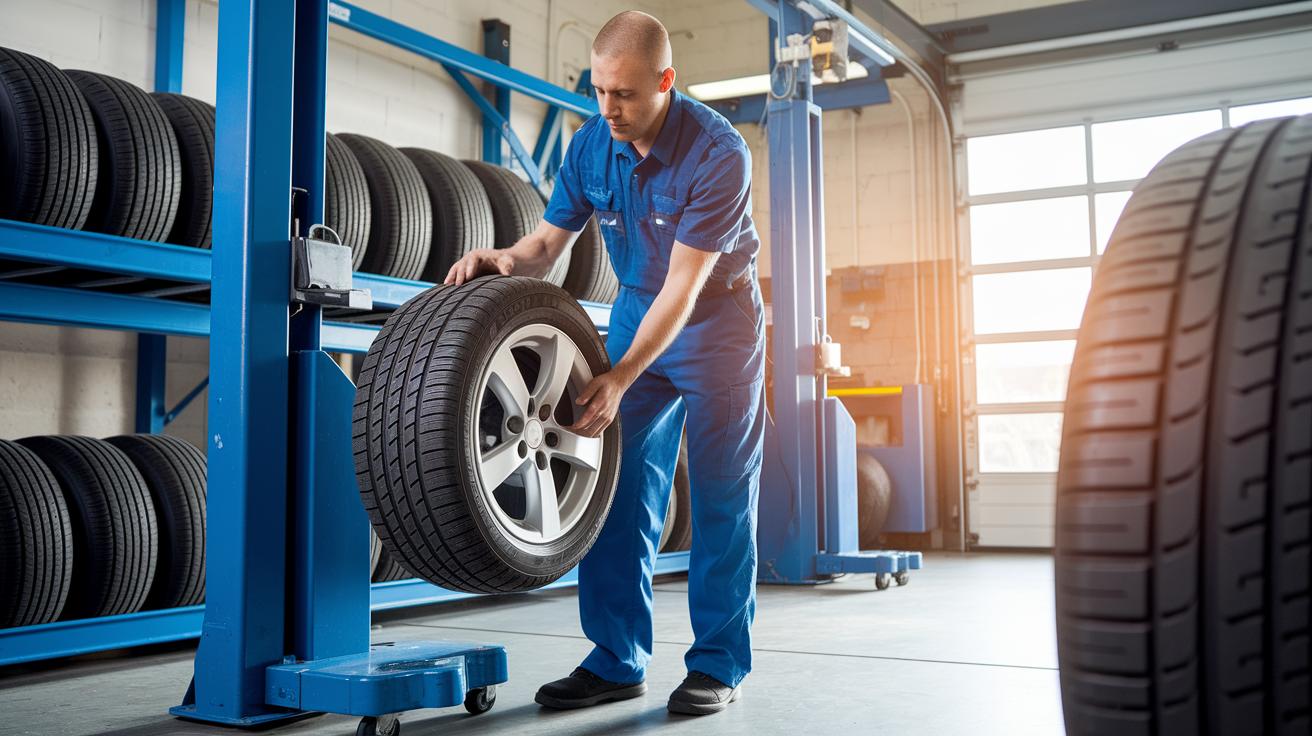
When you choose a professional shop, they often offer free lifetime tire rotations when you buy new tires. It’s like having a caring pit crew that not only rotates your tires but also checks your wheel balance and alignment (alignment means making sure your wheels are set correctly for a smooth ride). This extra care helps keep your tires in good shape, cuts down on shaking while driving, and makes your car handle better. Pros use the right, well-calibrated tools and know exactly how to work on each type of vehicle. Plus, many service centers toss in warranty perks that give you a little extra peace of mind. Trusting an expert means you won’t worry about under-tightened bolts or safety risks. And if you ever notice your car pulling to one side or feeling off on the road, it might be a sign that a professional alignment check (usually about $60–$100) is in order.
If you’re the DIY type, taking care of your tire rotation at home can save you some cash. Just remember to use a jack that’s strong enough for your car and secure jack stands to keep everything safe. Follow your owner’s manual closely and stick to the torque specs (that’s the recommended tightness for bolts). A reliable torque wrench will help prevent you from overtightening, keeping your wheels secure while you’re out on the road. Don’t forget your safety gear like gloves and goggles to protect yourself. And give your tools a quick once-over to be sure they’re in good shape before you start. A bit of extra care now can help extend the life of your tires and keep your everyday drive smooth and safe.
Long-Term Tire Health Strategies for Daily Drivers
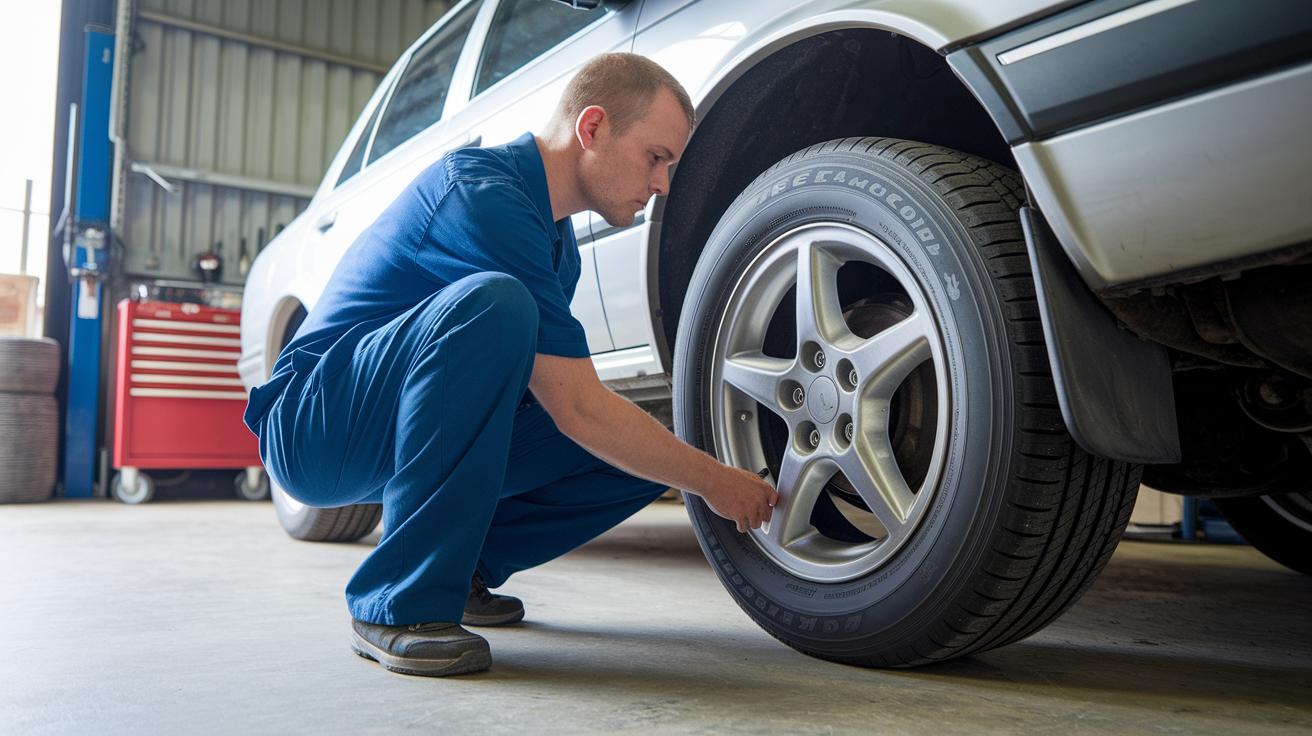
When it comes to taking care of your tires over the long haul, it’s more than just the regular rotations and pressure checks. Try doing a deep inspection once a year to catch hidden problems like internal belt separation (that’s when the tire’s inner layers start falling apart without showing clear signs). A close look at your tire’s sidewalls for cracks or bulges can make all the difference by preventing a sudden failure down the road.
If you live in an area where the weather changes a lot, it helps to switch up your routine. Heavy rain or snow can wear your tires out faster, so checking the tread depth more often during extreme weather is smart. In colder regions, a simple squeeze test, just give the tire a gentle squeeze to see if the rubber feels hard, can quickly let you know if your tire is losing its flexibility.
Also, planning ahead with a tire replacement budget can save you from unexpected expenses. Setting aside a bit of money every few months means that when your tires are ready for a change, you’re already prepared. Think of it like adding little savings reminders to your calendar, small amounts add up, keeping you ready for the road ahead.
Final Words
In the action, this post shared how regular tire rotations help keep your ride smooth and safe. We talked about ideal swap timing, patterns for different drive types, and easy steps for DIY checks. Breaking down inspections and cost benefits showed how these habits save money and boost overall performance. Remember, following tire rotation best practices for daily drivers keeps your tires in top shape and your drive worry-free. Stay positive and keep your wheels rolling strong.
FAQ
What are the best practices for tire rotation for daily drivers in 2021?
Tire rotation best practices for daily drivers mean swapping tires every 5,000–8,000 miles. Using the proper rotation pattern keeps tread wear even, extending tire life and ensuring safer road performance.
What are the proper tire rotation patterns for 4×4, front-wheel drive, and rear-wheel drive vehicles, including the X-pattern?
Tire rotation patterns depend on your drive type and tire design. An X-pattern works well for non-directional tires on front-wheel drive, while 4×4 and rear-wheel drive vehicles typically use a front-to-back swap. Always check your vehicle’s manual for guidance.
What does tire rotation cost?
Tire rotation cost averages between $20 and $50 per service. Regular rotations extend the life of your tires, saving you money on replacements down the road.
Is tire rotation necessary?
Tire rotation is necessary to achieve even tread wear. Regular rotations help maintain balanced performance, improve fuel economy, and boost overall road safety.
How often should I rotate my tires if I don’t drive much, and is rotating every 10,000 miles acceptable?
The recommended schedule is 5,000–8,000 miles, even with light use. Rotating every 10,000 miles may lead to uneven wear, so following manufacturer guidelines helps maintain proper tire performance.

