


Have you ever been hit with the shock of a costly tire replacement? Rotating your tires, that is, moving them from front to back and side to side, can help them wear evenly. This little process stops one tire from wearing out faster than the others, which could force you into a pricey fix later on. It might seem like a small step, but spending a few dollars every couple thousand miles can keep those steep bills at bay. Plus, this simple routine can give your car a smoother ride and keep more cash in your pocket.
How Proper Tire Rotation Cuts Long-Term Maintenance Costs

Regular tire rotation helps you keep more money in your pocket. By moving your tires from front to back and side to side every 5,000 to 7,500 miles, you avoid uneven wear (that’s when parts of the tire wear out before others) which can force you into unexpected replacements. It typically costs between $20 and $50, a small price compared to spending $400 to $1,000 on a whole new set. Think of it like giving your car a little tune-up for better grip today so you can save tomorrow. Want to learn more about these benefits? Check out the benefits of tire rotation page.
Even tire wear is key for keeping your vehicle running smoothly. When your tires wear evenly, they offer better traction, making your drive safer and more comfortable. This balanced wear isn’t just good for safety; it also helps you catch small issues early before they turn into expensive repairs. Regular rotations help spot any uneven tread depth (that’s when the tire’s surface wears out at different rates) so technicians can fix them before they become big problems. On top of that, you save money on repairs and might even improve your fuel efficiency.
| Benefit |
|---|
| Fewer tire replacements because your tires last longer |
| Lower repair bills by catching issues early |
| Better vehicle performance that reduces overall maintenance costs |
Scheduling Tire Rotations for Maximum Cost Efficiency
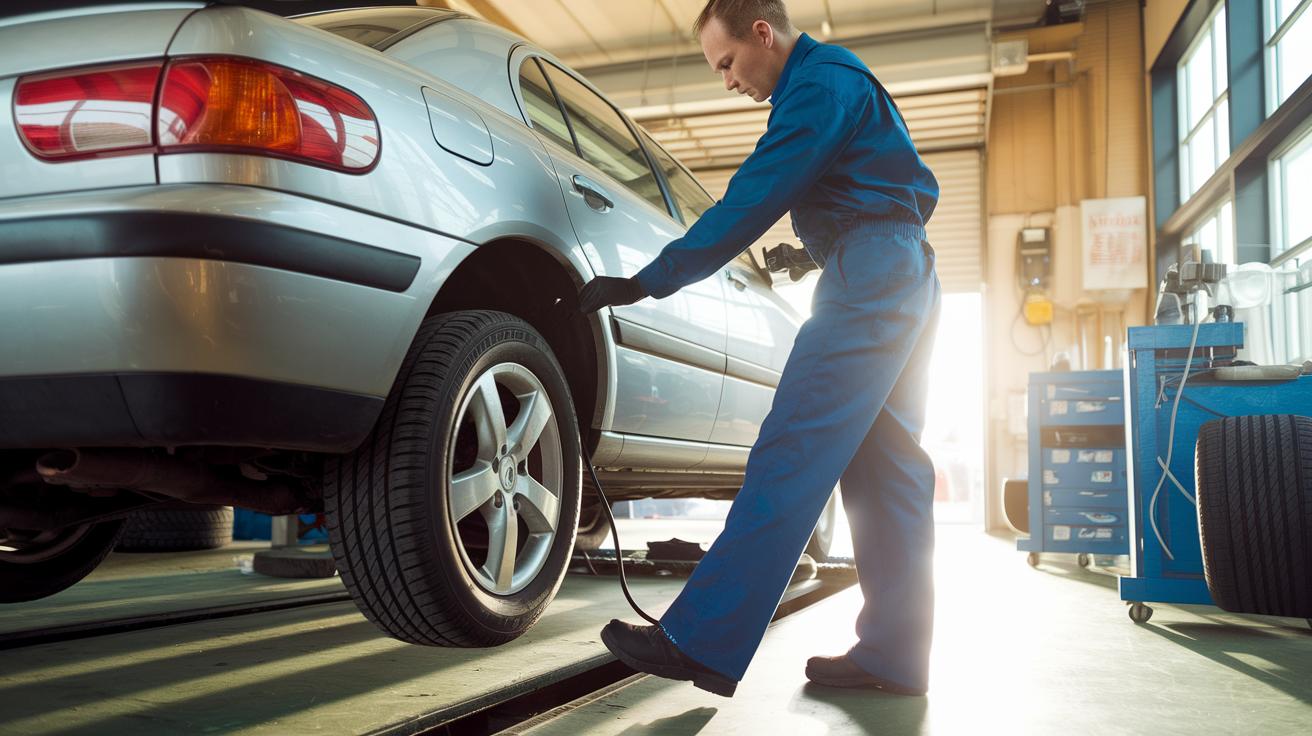
Keeping your tires rotated when you get your oil changed is a clever way to save both time and money. Many experts recommend swapping your tires every 5,000 to 8,000 miles, with some, like Tesla, suggesting about 6,250 miles. When you line up tire rotations with oil changes and other routine services, you cut down on extra trips to the shop and extra labor fees. This approach not only spreads out wear evenly on all your tires but also helps the mechanic spot any differences in tire tread early on. Catching small issues early can mean scheduling an alignment check before any suspension parts are harmed, which keeps your ride smoother for longer.
Here’s a simple guide for when to rotate your tires:
- Rotate every 5,000 miles if your oil changes happen alongside other maintenance checks.
- Follow Tesla’s advice and rotate around 6,250 miles.
- If your vehicle wears its tires less aggressively, consider rotating every 8,000 miles.
Fuel Efficiency Boost and Balanced Wear Advantages from Rotation

When your tires wear evenly, they naturally lower drag on the road, which means your engine doesn't have to work as hard. This smooth wear helps your car sip gas a bit less, almost like easing off the accelerator on a gentle hill. It all adds up to a more fuel-friendly ride.
- Even tire wear can decrease road friction by about 4%, helping your car use less gas.
- Regular tire rotation can bump your MPG up by roughly 1–3%, which could save you around $50 on gas each year.
- When wear is balanced, your tires keep a steady grip on the road. This means better braking and safer driving.
- Using fuel more smartly and less friction means you spend less money running your vehicle over time.
Balanced tire wear isn’t just about saving a few bucks at the pump, it also makes your drive much smoother. With even tires, your car handles like a dream, easing the load on both the engine and other important parts. In truth, keeping your tires rotated helps prevent unexpected repairs and cuts down on maintenance costs, ensuring your car runs at its best every time you hit the road.
Preventing Costly Repairs with Early Wear Detection

Regular tire rotations do more than just help your tires last longer. They also give you a chance to catch little problems before they turn into big, expensive repairs. Recent data shows that drivers can cut repair costs by up to 20% when early signs of wear are spotted. For example, one fleet manager mentioned that noticing a small misalignment during a routine check saved the company from heavy suspension repairs down the road.
Alignment and Suspension Insights
During tire rotations, technicians use smart tools to spot tiny differences in wear. In one local fleet, nearly one out of every five misalignment issues was caught early, stopping further suspension damage. I remember a technician sharing how a slight imbalance on one tire was fixed quickly with an alignment check, keeping the car safe and steady. Over 75% of the alignment issues detected during these checks needed only minor tweaks, which kept major repairs at bay.
Rim and Component Preservation
Tire rotations also help detect early signs of wear on rims and wheel assemblies. Cars that got regular rim care saw a 15% drop in repair costs over time, according to a recent study. Even small scratches or dents can be fixed early on before they turn into costly damage. For instance, one customer’s quick fix on a barely noticeable rim dent stopped a bigger, more expensive repair later on, much like using a repair cost estimator to save on unexpected problems.
Routine inspections when you rotate your tires do more than just check tire health. They help maintain overall vehicle safety by addressing issues early, keeping your ride smoother and more budget-friendly.
Real-World Case Studies: Savings Through Routine Rotation

Taking care of your tires by rotating them regularly isn’t just about safety, it saves you money too. It’s like giving your tires a little extra life, so you avoid big repair bills later on. We’ve seen some real examples where steady rotations lead to clear savings.
| Vehicle Type | Rotation Interval | Money Saved |
|---|---|---|
| 2018 Sedan | Biannually | $150 over two years |
| Fleet Vehicles | Every 6,000 miles | $500 per vehicle annually |
| Crossover | With Oil Changes | 10% increase in resale value |
Regular tire rotation keeps your tires in good shape for longer, so you don’t have to replace them as often. For instance, that 2018 sedan saw a 15% boost in how long its tires lasted, which means fewer visits to the tire shop and more cash in your pocket. And when fleet vehicles get their tires rotated every 6,000 miles, their replacement costs drop by up to $500 a year per car. With crossovers, swapping tires during oil changes even bumps up the car’s resale value by 10%, making it easier to get a good price if you decide to sell.
These real examples show that a simple routine, like rotating your tires, can really add up in savings. It’s a small step that makes a big difference in avoiding extra costs and keeping your ride smooth and safe.
DIY vs. Professional Tire Rotation: Comparing Cost Outcomes

When you weigh the choices, getting a professional rotation typically runs about $20 to $50. Plus, you get a thorough checkup that helps catch problems early. It’s a quick, stress-free service that lowers the chance of incorrect torque (the tightness of bolts) and uneven tire wear.
On the flip side, doing it yourself means you only need a jack, a torque wrench (that tool you use to tighten bolts just right), and a bit of know-how. It usually takes around an hour. But keep in mind, if you slip up, you might end up with hidden costs from tire damage.
If you’re thinking about trying the DIY route, you can check out this guide: how to do a tire rotation. At the end of the day, balancing upfront expenses with potential long-term costs will help you pick the best method for your ride.
| DIY | Professional |
|---|---|
|
– Cheaper upfront if done right – Needs basic tools and know-how – May lead to extra costs if mistakes happen |
– Costs around $20–$50 – Includes a full inspection – Reduces risks of improper torque and uneven wear |
Final Words
In the action of regular tire rotation, you see firsthand the cost-saving benefits of proper tire rotation. Routine checks smooth out wear and keep repair bills low, saving you money compared to costly replacements. Aligning rotations with oil changes or service visits makes these savings even more apparent.
Balanced wear, improved handling, and fuel efficiency all add up. Consider these three core savings drivers:
• Lower repair costs
• Extended tread longevity
• Fuel efficiency boost
FAQ
Does tire rotation save money and help your vehicle?
The tire rotation process saves money by evening out wear, lessening the need for early tire replacements, and reducing repair costs. It also keeps your ride smoother and responsive by maintaining balanced tire health.
How much does a tire rotation typically cost?
The tire rotation cost is usually around $20 to $50. This small investment helps spot wear early while extending tire life and cutting down on larger repair bills.
How often should tires really be rotated?
Tire rotation is often recommended every 5,000 to 8,000 miles. Following this routine helps distribute wear evenly, which promotes longer tire life and better vehicle performance.

