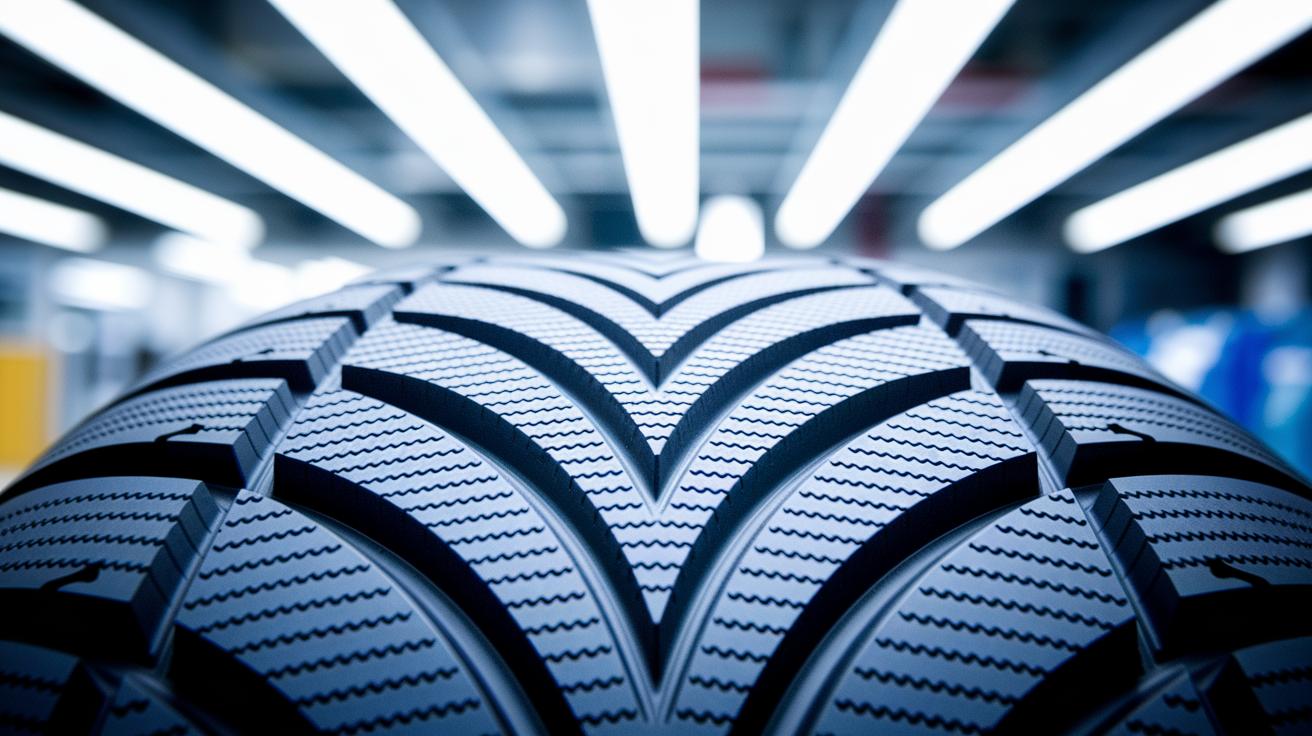


Have you ever stopped to wonder why your tires hold the road so well, even when it’s pouring? Engineers mix basic math, rubber know-how, and real road tests to craft the grooves on your tires (that is, the tread patterns) so you can stop fast and take turns safely.
It’s a bit like watching a well-tuned engine at work. The firm grip, gentle roll, and smooth braking all come together like parts in a good team. Every tiny groove is carefully set up to work in any weather, giving you a ride that feels both safe and smooth.
Engineering Principles of Innovative Tire Tread Designs
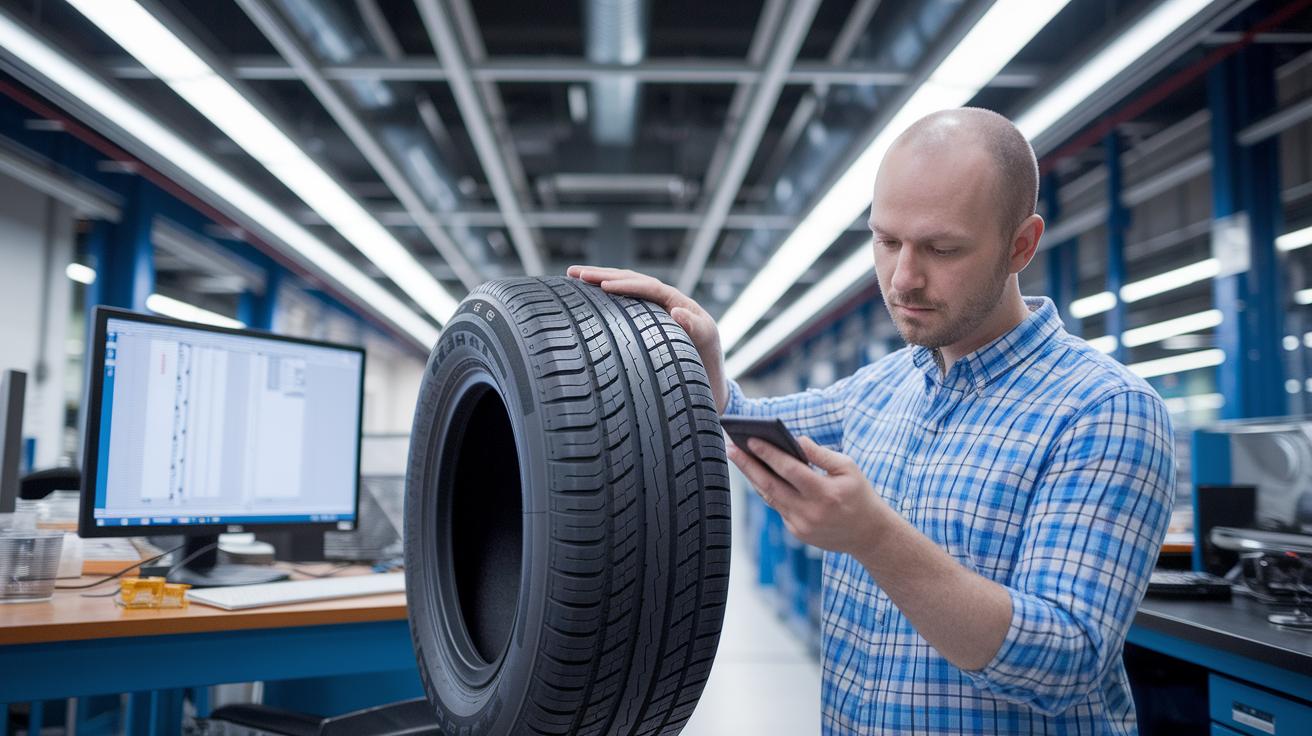
Engineers mix ideas from many fields like building strong structures, clever rubber science, and checking performance details. They pull together what they know about materials, how things are built, and how tires work on roads to come up with tread patterns that fit different needs. For example, they spend lots of time making sure tires can stop well on dry roads and wet ones, handle turns safely, and stay quiet while also thinking about uneven wear and grip on snow. They use computer models and real-world road tests to make sure every bit of the design fits nicely with the rest.
Improving tire performance means tweaking the design so it works in all kinds of weather and road conditions. New tread patterns have grooves that run around and across the tire, which push water out fast and make slippery roads less dangerous. Designers also adjust how deep the grooves are and how they line up to keep enough tire in contact with the road, whether it's rainy or snowy. They balance many factors to meet the challenges of quick stops on dry roads and the extra grip needed on icy patches, making sure the tire stays safe and high quality.
How the tread pattern works with the rubber mix is really important for a good tire. The way the grooves, the rubber compound (a mix that gives the tire its grip), the tire’s shape, and its overall build work together creates better traction and safety. The right rubber mix works with the tread design to help with smooth starts, reliable stops, and safe turns. When engineers match the material's features with the design, they create tires that behave predictably on any road surface. This smart blend of pattern and material not only boosts performance but also gives drivers extra confidence on every ride.
Advanced Elastomer Compounds in Tire Tread Designs

Big breakthroughs in rubber science have changed the way tires stick to the road. Over time, old-style rubbers have been mixed with new, innovative blends to create elastomers (rubbers that bounce back quickly). These blends use ingredients like silica (a material that adds flexibility) and carbon black (which gives extra strength), making tires great for fast stops, quick starts, and smooth turns.
The properties of these materials really shape how a tire feels when you drive. Silica helps the tire flex, while carbon black makes it strong. Engineers work hard to mix these just right so that heat spreads evenly, keeping the tire cool during long drives even when the road gets rough.
Scientists test these new compounds in labs by simulating everyday driving conditions. They let the tire rub against surfaces and build up heat to see how well it stands up to wear and tear. This careful testing helps them fine-tune the recipe, so each tire delivers a solid grip and lasts longer on the road.
Geometry of Tread Patterns and Contact Optimization
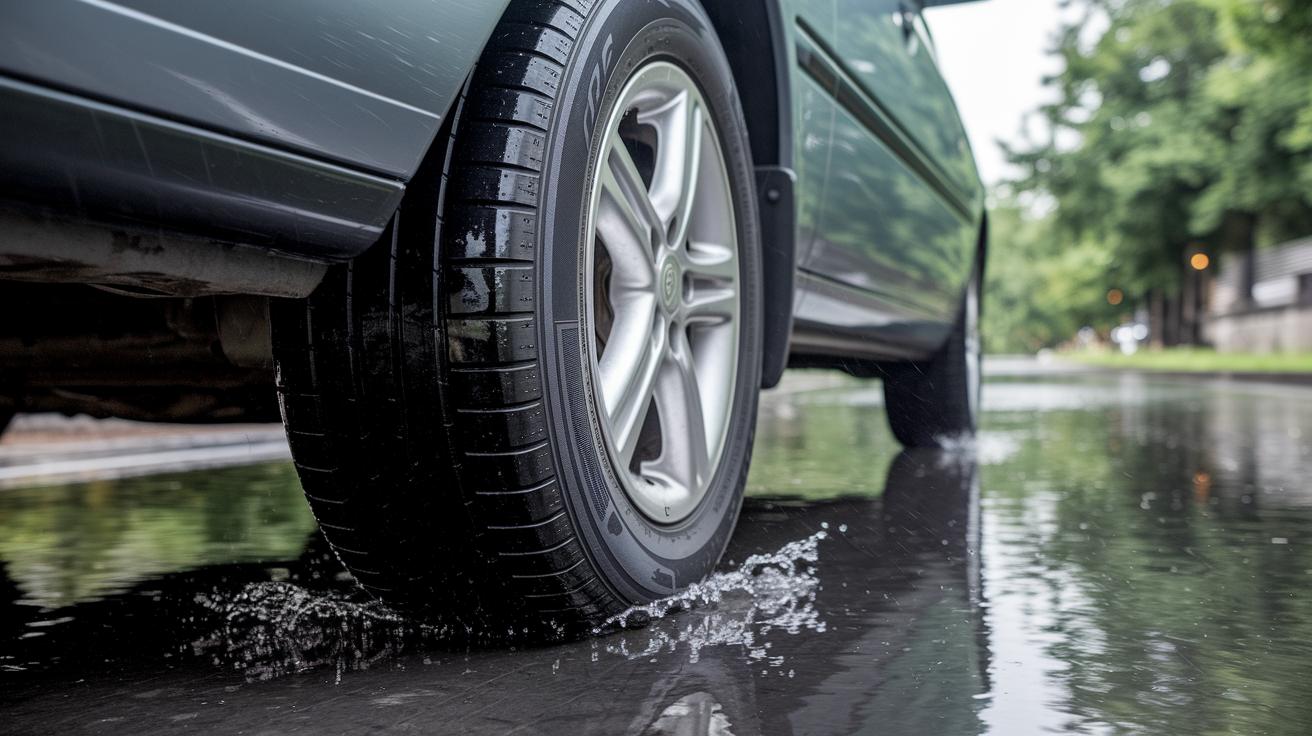
The part where your tire meets the road, called the contact patch, is super important for a safe, controlled ride. Designers work hard to shape the tread so you get a firm grip while water is pushed away. Sure, grooves help clear away water, but they also cut down on the area that touches the pavement, which can change how well you stop on dry roads. Engineers mix solid science with everyday driving needs to create a tire that works great in every situation.
Some features in the tread design help keep everything balanced. Let’s take a quick look at four key elements and how they work:
| Feature | What It Does |
|---|---|
| Circumferential grooves | Push water away |
| Lateral grooves | Help with cornering stability |
| Sipes | Create extra biting edges for snow & ice (small slits that add grip) |
| Block angles | Keep a steady straight-line hold |
Each of these choices really affects tire performance. Adjusting where the grooves go and how they are spaced helps balance engine noise and wear while keeping a strong road grip. Block angles are set up to give just the right side force so the tire stays steady on slopes. In short, every little tweak in the tread design helps improve braking on dry roads, performance when it's wet, and overall handling, making sure your tire works reliably no matter what the road throws your way.
Hydroplaning Mitigation Through Strategic Groove Design
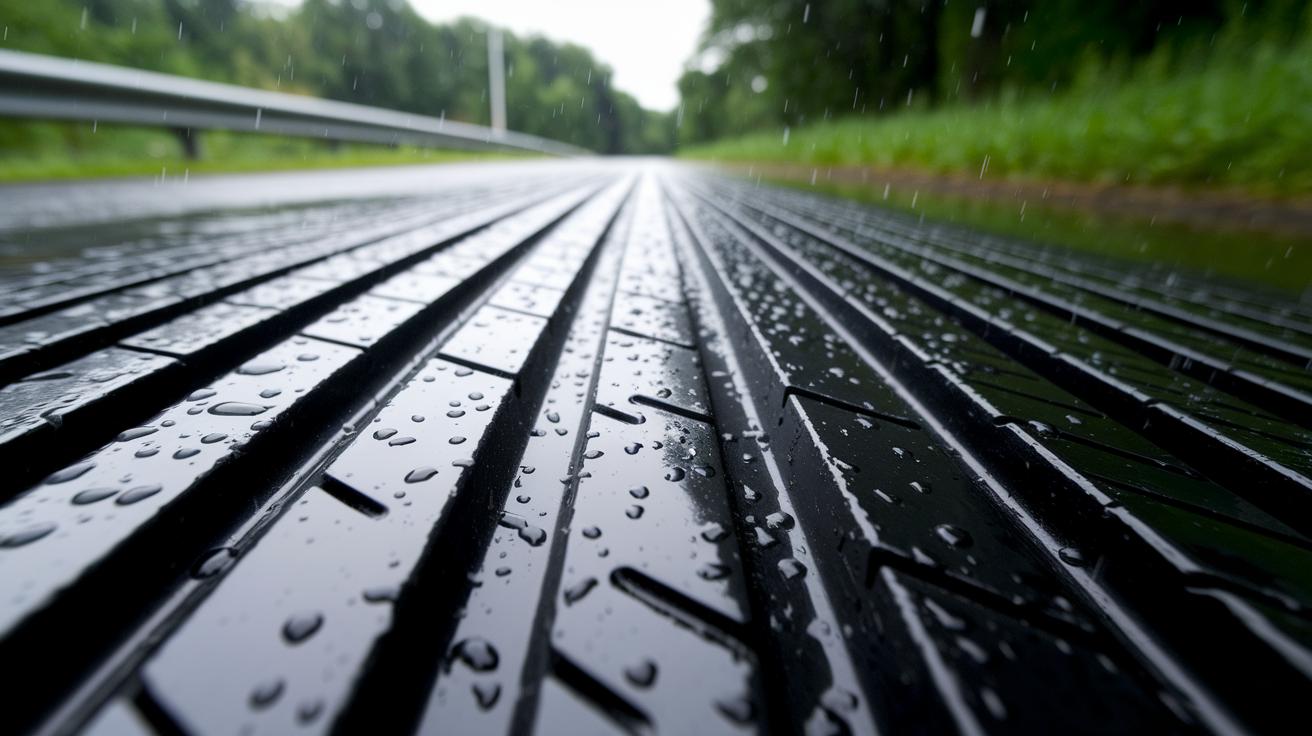
When you’re driving in the rain, hydroplaning can be a real worry. It happens when water builds up faster than your tire can push it out, so you lose a bit of grip and control. To help with this, engineers add grooves along the tire that guide water away.
They use smart computer tests to get the depth and shape of these grooves just right. This way, your tire stays in good contact with the road even when it's wet, yet still holds on well when it's dry.
| Feature | Groove Shape | Performance Effect |
|---|---|---|
| Longitudinal grooves | Deep and narrow channels | Efficient water evacuation |
| Wide channels | Shallow, broad design | Improved water dispersion on high loads |
| Modified cross-grooves | Slightly curved profile | Balances water flow with dry contact |
Getting the design just right is important. Deep grooves help move water away quickly, but they also mean there’s less tire rubber touching the road, which can change how well you brake on dry pavement. That’s why designers run simulations to test different groove shapes. They work to strike the perfect balance so your tire performs well in both the rain and sunshine.
Acoustic Optimization in Tire Tread for Noise Reduction

Ever notice how your car sometimes makes a bit of extra noise on the road? That sound often comes from the way the blocks in your tire’s tread are set up. When these blocks line up evenly, the bumps from the road and the tire’s movement can create unwanted sound waves that travel into your cabin.
Engineers have found a cool trick to keep things quieter. By changing the spacing and slightly shifting the blocks, they adjust the tire’s vibrations. This small tweak helps lower the loud peaks of sound, so your tire ends up humming softly instead of roaring. Picture it like tuning a musical instrument to create a gentle, steady note.
In the lab, experts test tires under different conditions to see how quiet they really are. They set up mini road tests to mimic real driving, making sure the tires are as quiet as they can be. This careful tuning lets them get a smooth ride, all while keeping the tire’s grip strong and safe.
Digital Simulation and Prototyping in Tread Development

Engineers now use powerful computer models to design tire treads before any real tire is built. They use tools like digital tire performance analytics (a way to check how a tire might work) to see how a tire behaves under stress. This approach cuts down on wait times since they run simulations that mimic everyday driving conditions instead of waiting months for a physical tire prototype.
These digital tests cover everyday scenarios such as handling on dry roads, braking on wet surfaces, and checking how quickly the tread wears away (tread wear). The simulation creates stress maps that show where the tire may need improvements. Engineers then run simple comparison tests to fine-tune these designs, making sure small changes boost traction and grip.
Each simulation round gives feedback that helps refine the tread design bit by bit. With every adjustment, the tire gets closer to the best performance. This friendly team approach, guided by advanced simulation techniques, makes sure that tires work safely and reliably for both daily commutes and high-speed drives.
Balancing Performance Trade-offs in Tire Tread Patterns

This summary ties together the trade-offs that go into tire design. We look at how dry braking, snow traction, water evacuation, noise control, and tread durability all influence each other.
Dry Braking vs Snow Traction
Tire makers tweak the empty spaces in the tread and add small cuts (siping, which means tiny incisions) to boost grip on icy roads. But when they add more siping for better snow traction, it can mean a slight drop in dry braking power.
Water Evacuation vs Contact Patch Reduction
Designers adjust the size of the grooves to help water escape, which cuts down on hydroplaning. The flip side is that more space for water means there’s a bit less tire touching the road, affecting dry braking.
Noise Profile vs Traction Force
By arranging the tire blocks and their sequencing, engineers aim to keep noise levels down while still preserving good grip. It's like tuning an engine so that it runs smoothly without adding extra clatter.
Wear Longevity vs Grip Intensity
Choosing the right tire compound means balancing how long the tire lasts with how strongly it grips the road. A compound that sticks around longer might sacrifice a little grip in challenging conditions.
| Trade-off | Main Benefit | Main Drawback |
|---|---|---|
| Dry Braking vs Snow Traction | Better grip on icy roads | Less power for dry braking |
| Water Evacuation vs Contact Patch Reduction | Improved water clearance | Reduced tire contact on the road |
| Noise Profile vs Traction Force | Quieter ride | Possible drop in grip strength |
| Wear Longevity vs Grip Intensity | Longer tread life | Mildly lower grip on tough surfaces |
Emerging Directions in Innovative Tire Tread Research

New research is opening the door to tire treads that work great while being easier on the environment. Scientists are digging into sustainable compounds (eco-friendly materials that still offer strong grip and long-lasting durability) that use fewer resources and make less waste. In tests, some of these new blends spread heat just as well as the regular ones, but with a smaller carbon footprint.
Engineers are also coming up with clever tread features that are still under review for patents. They’ve created designs with stone ejectors and scalloped shoulder lugs to help flick away small rocks and debris. This means your tires can keep a strong hold on the road even in tricky, off-road conditions, reducing wear over time. Imagine a tire that shakes off stubborn debris, keeping your drive smooth and steady.
Advanced computer methods now play a big part in predicting how long tires will last and how they will perform. Designers use viscoelastic simulation (a computer test that checks how materials react under pressure) to see how different materials and designs hold up over time. This digital testing lets them make quick improvements, ensuring every tire meets the safety and performance needs of tomorrow.
Final Words
In the action, we've touched on how engineers blend design and material science to create tires that perform in dry conditions, wet roads, and even snow. We discussed smart grooves, advanced compounds, and digital simulation that work together to boost safety and comfort.
Every detail, from geometry to noise reduction, plays a role in the overall performance. Embracing the science behind innovative tire tread designs can really boost your drive's confidence and safety. Stay informed, and enjoy the ride ahead.

