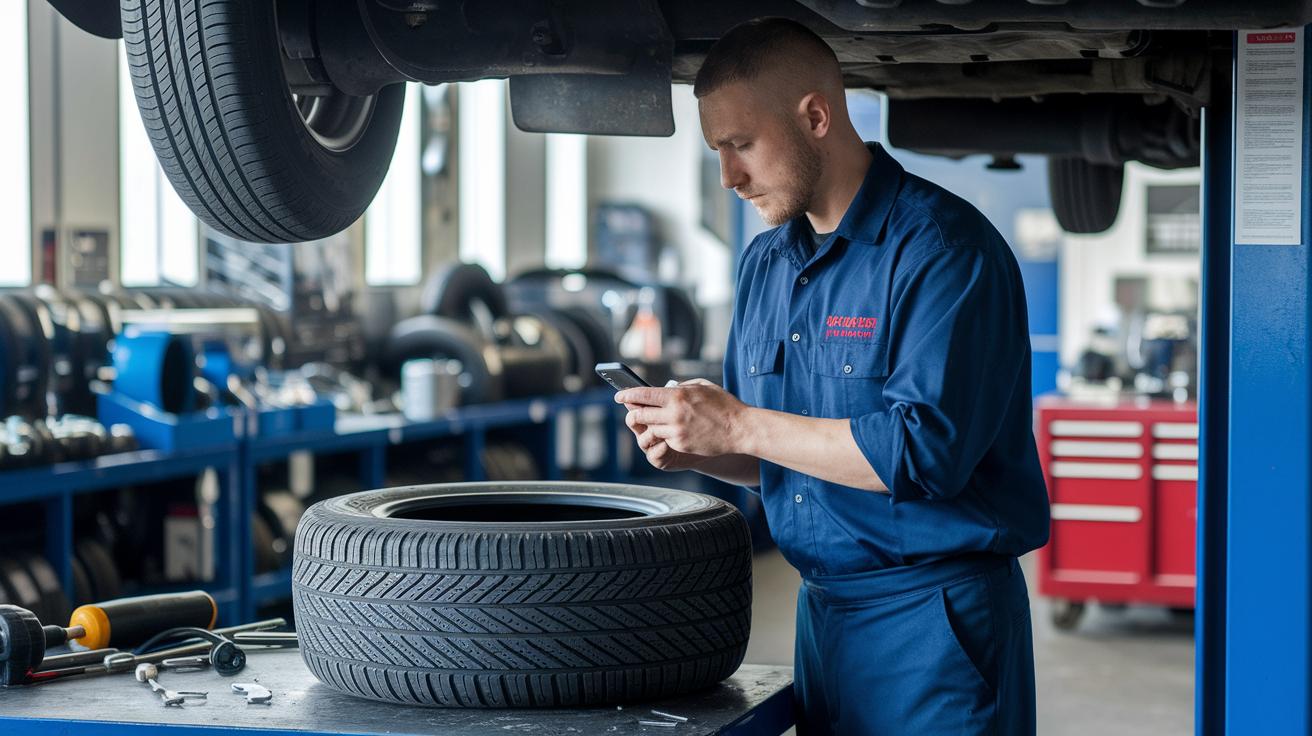


Ever notice how a little care now can save you from big fixes later? Taking care of your tire changer or wheel balancer is kind of like keeping your engine purring smoothly. A quick clean and a bit of grease, like wiping your windshield on a rainy day, can make a big difference.
In this chat, we'll share a few easy tips to keep your tire gear in shape, whether you're busy in a shop or tinkering away in your garage. Trust me, a little effort now leads to fewer repairs and a smoother ride.
Maintenance Protocols for Tire Installation Equipment

Keeping your 2 HP swing arm tire changer and wheel balancer combo in tip-top shape is easier than you might think. Every day, a quick clean of surfaces and a swipe of good multi-purpose grease (think of it like oiling a squeaky hinge) help sweep away dirt, rubber bits, and metal shavings that sneak up over time. It's a bit like wiping off a spill on your car's dashboard – a little effort goes a long way.
Doing daily checks can save you from unexpected downtime whether you're at a busy tire shop or tinkering in your garage. Just spend a few minutes each day checking that bolts and fasteners are nice and snug. It reminds you of adjusting your side mirrors before a long drive to make sure everything is just right.
When you're mounting high-performance or ultra-high-performance tires, every detail counts. Even a tiny scratch might lead to pricey fixes. Regular cleaning and the right lubrication (that is, giving a little oil to parts like bead-breaking arms or roller bearings) help keep everything running smooth. It’s a good idea to inspect the swing arm’s alignment and ensure all pivot points are properly greased, giving the equipment an extra push for efficiency each time you use it.
Once a year, having a professional service technician check things over can catch minor issues before they become big problems. This annual check-up is part of a bigger maintenance plan that tells you when it might be cheaper to repair a piece instead of replacing the whole machine. Following this routine not only helps your equipment last longer but also keeps your tire mounting sessions running without a hitch.
Inspection and Diagnostics for Tire Installation Equipment

Before you get started, take a moment to check your tire installation equipment and make sure everything's in shape. A quick look for dirt, bits of rubber, and any stray metal shavings can help keep things running smoothly. It’s easy to overlook that vibrations during mounting and balancing might loosen bolts and fasteners over time, which can throw off your alignment or even damage important parts like bead-breaking arms (the tools that help break the tire’s seal), clamps, and spindle shafts. And hey, modern machines often give you a little heads-up with fault codes for issues like sensor calibration or motor troubles, so it pays off to keep an eye on those signals.
Here are six must-check steps every technician should follow:
- Make sure all bolts and fasteners are tight by following the torque regulation standard.
- Check the lubrication on swing arm pivots and roller bearings.
- Inspect the surfaces of bead-breaking arms for any gouges or heavy wear.
- Run diagnostic software to see if any fault codes pop up.
- Examine the wheel balancer’s sensors and calibration weights for accuracy.
- Look over metal parts for any signs of corrosion or leftover moisture.
Taking a few minutes each day to give your equipment a quick health check can save you from unexpected stops or costly repairs later. Regular inspections like these keep your machine running smoothly and reliably every time you mount a tire.
Lubrication and Corrosion Prevention for Tire Installation Equipment

If you need a quick tip on stopping rust, check out the Maintenance Protocols section first. Before using any approved lubricants or sealants, wipe off all the rubber bits and any debris. It's just like cleaning your grill before oiling it – a clean, dry surface means the oil works better and helps keep parts like swing arm pivots and hydraulic fittings rust-free.
Also, remember to dry every area thoroughly after cleaning. Leftover moisture can lead to rust, much like dampness on a grill can cause flare-ups. Taking a little extra time now can save you from bigger problems later.
Calibration and Alignment Methods for Tire Installation Equipment

Keeping your tire installation equipment in top shape starts with wheel balancer calibration. You should recalibrate it every 1–3 months to get spot-on balance readings and avoid high-speed vibrations. It’s a bit like checking your car’s tire pressure, small work that prevents bigger problems later.
After any part replacement, especially the swing arm, always check the alignment using the manufacturer’s torque charts (torque here means the tightness of the parts). Following the torque standard keeps everything balanced and stops misalignment, which can put extra stress on your equipment. Also, running a precision gap analysis (a check to measure the gap between parts) between the roller and bead breaker helps reduce tire mounting stress. This step makes sure even the smallest gaps are just right for smooth performance.
When you move your equipment or do a major service, it’s time for a complete recalibration. This full check confirms every part lines up correctly and works as it should. For instance, if the equipment has been relocated, technicians might recheck both the swing arm alignment and the wheel balancer sensors to ensure everything meets the required standards. Regularly using these calibration methods gives you peace of mind that your equipment will stay reliable even under tough tire mounting conditions.
Troubleshooting and Component Replacement for Tire Installation Equipment
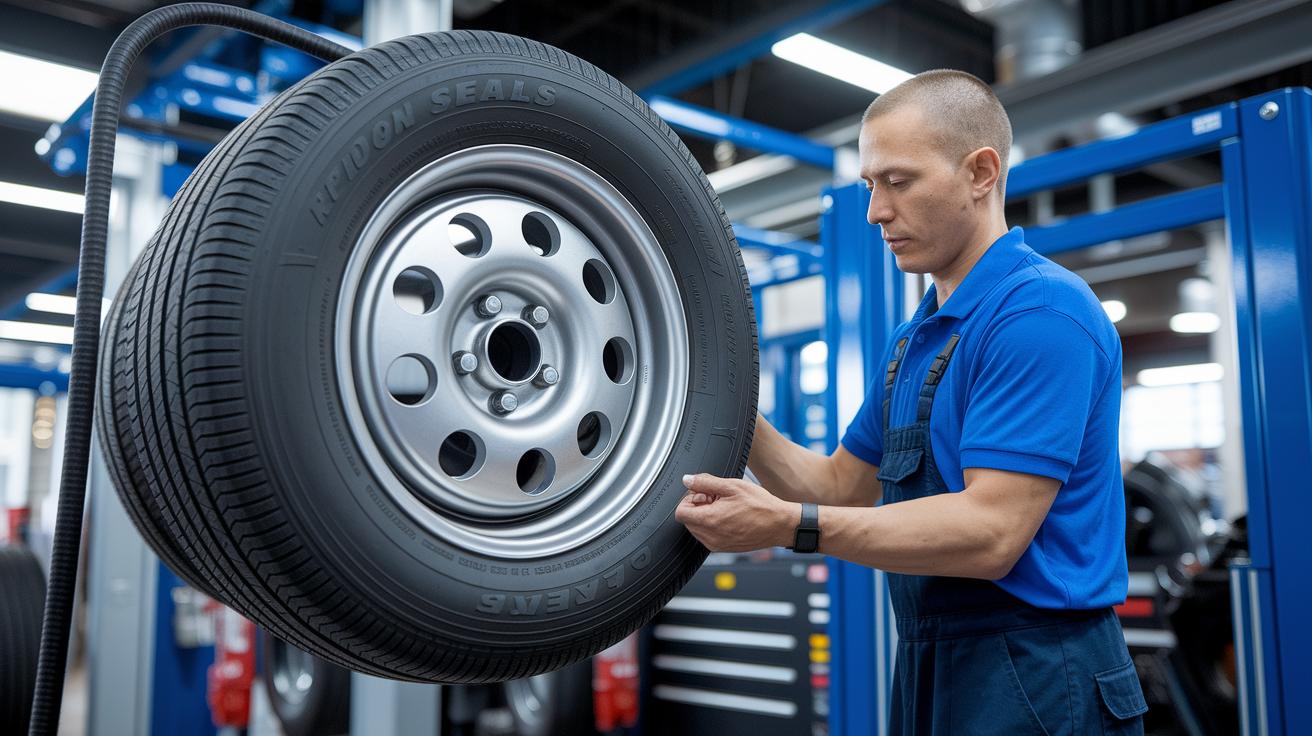
Keeping your tire installation equipment running smoothly starts with catching problems early. When you check your machine regularly, you can spot small issues before they turn into big headaches. Sometimes, fixing parts like worn seals (the rubber components that keep things tight), damaged rollers, or stripped bolts gets too pricey, especially when they affect that solid grip during tire mounting. It’s important to tighten bolts correctly because the vibrations from mounting tires can quickly loosen them.
Next, it helps to check for sticky or worn-out parts. Following a regular schedule for replacing hydraulic and pneumatic seals (those parts that control fluid pressure) stops leaks and keeps everything stable. You should also look over the bead-breaking arms and clamps to be sure they aren’t worn out or misaligned. Instead of waiting for a breakdown when your shop is busy or in your garage, a quick hands-on check can save you time and stress later.
Below is a troubleshooting matrix that shows common issues, what causes them, and how to fix them:
| Issue | Cause | Corrective Action |
|---|---|---|
| Worn Seals | Normal wear from frequent use | Replace seals as per scheduled guidelines |
| Damaged Rollers | Impact damage or prolonged wear | Inspect regularly and replace if needed |
| Stripped Bolts | Excessive vibration during operation | Tighten bolts to specified torque |
| Adhesive Component Degradation | Exposure to operational stress | Follow replacement schedules for hydraulic and pneumatic seals |
| Excessive Component Wear | Continuous heavy-duty usage | Review part stability and replace deteriorated components |
Regular troubleshooting like this keeps repairs manageable and helps you figure out when it’s best to replace a part rather than just patch it up. It’s all about keeping your equipment ready for the road ahead.
Safety Protocols and Training for Tire Installation Equipment Maintenance

Keeping tire installation work safe starts with solid training. When your team learns how to handle the equipment correctly, it cuts down on mistakes and helps prevent tire damage. In operator training, technicians find out key details, like managing tricky spots on bead breakers (tools that help separate the tire from the rim) and wheel clamps (devices that hold the wheel in place). It’s a lot like learning which parts of a hot stove to avoid.
Regular safety meetings in the workshop are essential. During these chats, the team reviews the guidelines from manufacturer manuals, including lockout-tagout procedures (steps that ensure electrical and hydraulic systems are safely shut down). Think of it as a quick reminder that every tool has its own safe way of being used.
Following safety rules is also critical. Training covers OSHA rules and local safety requirements so that your workshop meets every standard, from proper equipment guarding to clear, documented procedures. This keeps the work area safe and organized.
For example, one technician said, "After today's briefing, I feel confident I know exactly which areas can pinch and where to steer clear." Regular safety talks and recorded sessions like these help everyone stay informed and prepared for anything on the job.
Scheduling and Documentation for Tire Installation Equipment Maintenance

Think of your maintenance schedule as a friendly roadmap for keeping your tire installation equipment in tip-top shape. Set up a calendar that breaks tasks into daily, weekly, and yearly check-ups. This way, every cleaning, bolt tightening, and lubrication session is tracked like a pit stop on a long journey. Jot down each service event, the results of each inspection, and any parts you replace, kind of like keeping track of your fuel stops on a road trip.
Regular reviews of these logs help you tweak your service schedule depending on how much the equipment is used and how quickly it starts to show wear (tread wear). Keeping all your repair records, whether on paper or digitally, lets you see past work clearly and plan ahead for future fixes. It’s a smart strategy to adjust the maintenance rhythm that works best over time. And, by having a reserve inventory of key parts, you can cut down on any downtime when repairs are needed.
| Maintenance Tip |
|---|
| Plan daily, weekly, and yearly tasks with a calendar |
| Record every service event and replaced part |
| Review logs to adjust service intervals |
| Keep extra critical parts on hand to reduce downtime |
Final Words
In the action, we covered how regular checks and care keep your tire equipment running smooth. We looked at cleaning, inspection, calibration, lubrication, and even troubleshooting so that every bolt and sensor performs as expected. These routines help reduce downtime while boosting the reliability of your machine. Remember these maintenance tips for tire installation equipment to keep your ride safe and confident.
FAQ
Q: What maintenance tips should I follow for tire installation equipment?
The maintenance tips for tire installation equipment include daily cleaning, proper lubrication using manufacturer‐approved grease, regular calibration, bolt tightening, and scheduled professional servicing to keep the machine running smoothly and avoid downtime.
Q: How do you maintain equipment properly for tire installation?
Proper maintenance for tire equipment means checking for wear, cleaning debris, lubricating moving parts, and following a set schedule. These steps help maintain smooth operation, reduce breakdowns, and extend the equipment’s lifespan.
Q: What precautions and recommendations should I follow when maintaining tire installation equipment?
The recommended precautions include keeping the work area clean, using the correct lubricants, and checking fasteners. These careful measures prevent damage, like scratches on delicate parts, and help avoid costly repairs.

