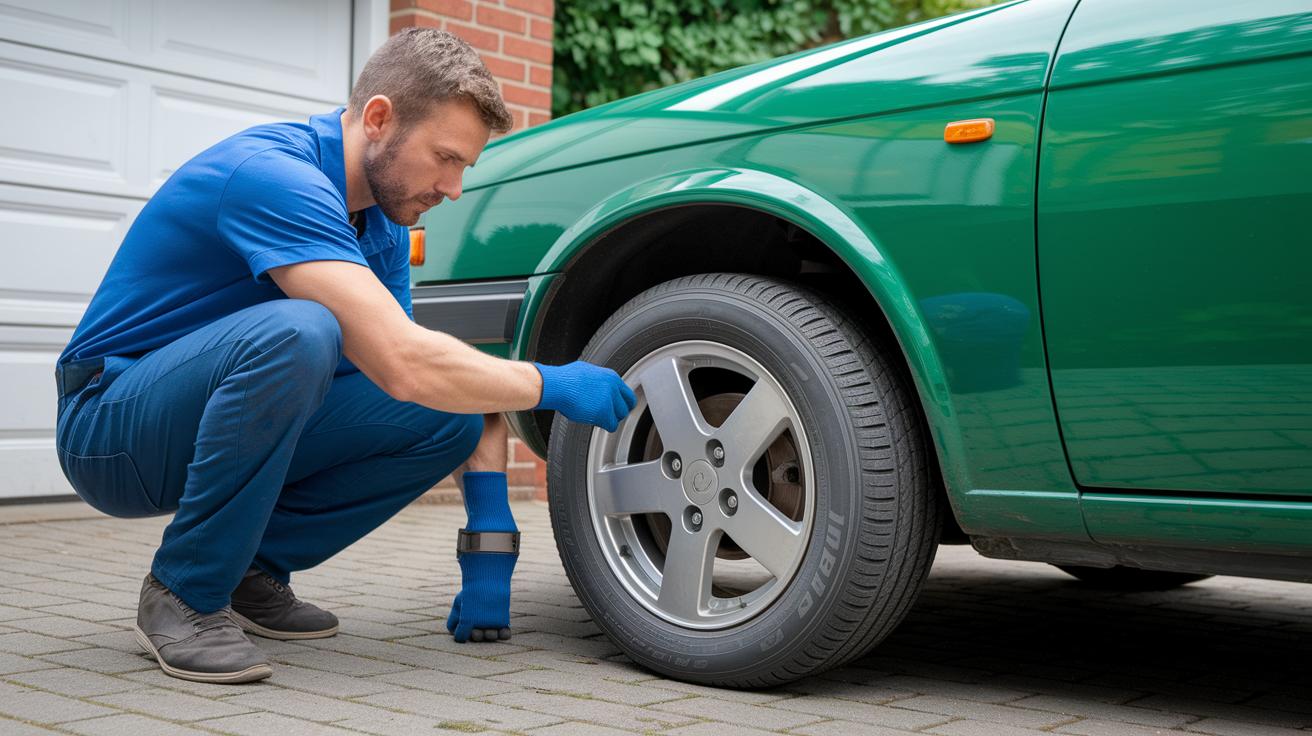


Have you ever thought a simple tire rotation might help the planet? When you swap your tires from front to back, it cuts down on friction (that’s the rubbing that wears tires faster) and helps your car run on less fuel. Imagine cruising along, knowing every tire is working equally hard. Even little steps like this add up to less waste and cleaner air, which is great for both your wallet and our world. Regular tire rotations aren’t just smart upkeep, they can steer us toward a greener, healthier future.
How Regular Tire Rotation Minimizes Emissions and Boosts Fuel Efficiency

Rotating your tires is a simple, smart way to take care of your car. When you switch your tires from front to back, the wear gets spread out evenly. That helps your front tires (which do most of the steering and braking) last longer. Did you know even a 4% boost in fuel economy can save you a lot over time? It’s like finding spare change in your glove box.
Keeping your tires wearing evenly (tread wear is how the tire surface erodes) lowers the friction between the tire and the road. With less friction, rolling resistance drops, which means your car uses fuel more wisely. This lighter workload for your engine not only improves your gas mileage but also cuts down on CO₂ emissions, giving you a smoother, greener ride.
By including tire rotation in your regular maintenance routine, you ensure every tire carries its fair share of the work. This helps avoid overloading one tire, which can lead to unexpected replacements and extra resource use that isn’t great for the environment.
| Benefit | Description |
|---|---|
| Uniform Wear | Rotating tires keeps wear even across all four, so no single tire works too hard. |
| Better Gas Mileage | Lower rolling resistance means your car uses less fuel. |
| Lower Emissions | Even tire wear helps cut down on engine emissions. |
In short, spreading out tire wear leads to a greener drive. It optimizes fuel use and reduces extra waste from making and discarding tires. This simple, routine check benefits both your wallet and the planet.
Extending Tire Lifespan to Reduce Waste and Rubber Consumption
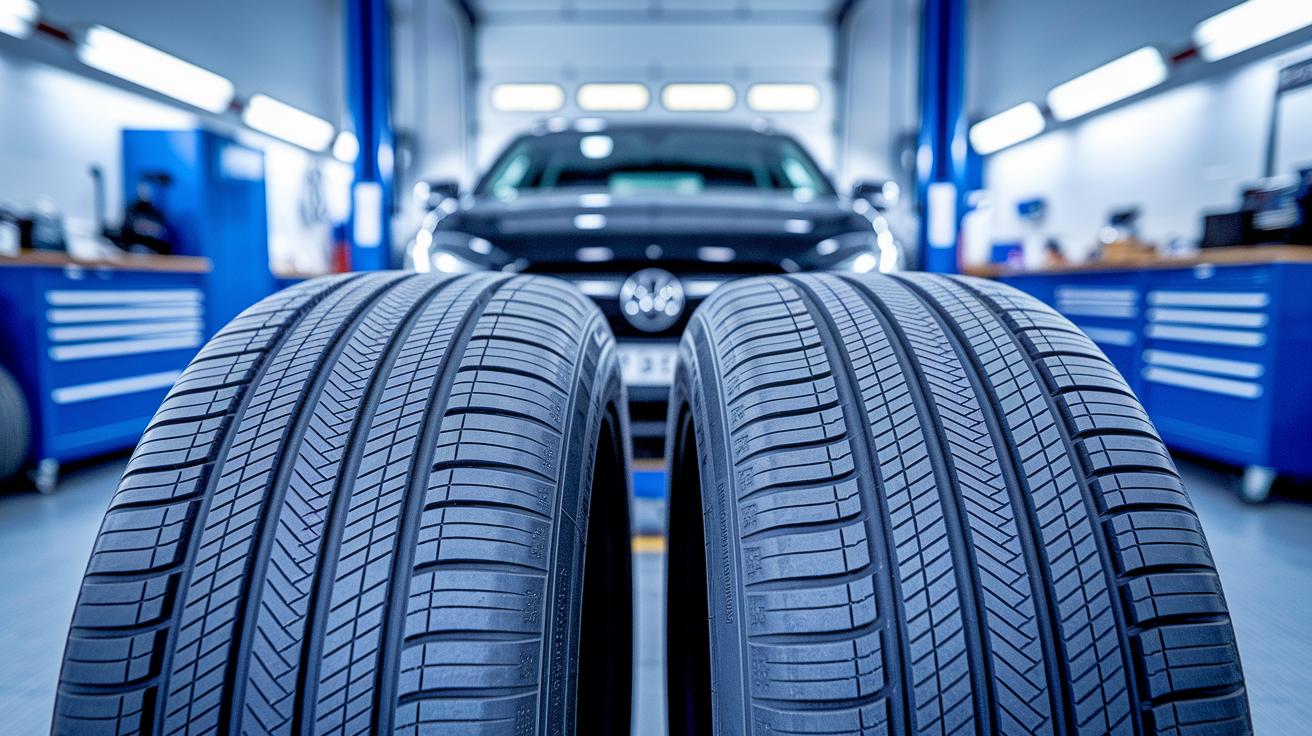
Regular tire rotation is like giving your car a little spa day. When you swap your tires, you help them wear out evenly, which means you can avoid replacing them too soon, up to 20% fewer early changes, in fact. And here's a neat bonus: each rotation saves about 0.02 tons of rubber waste from ending up in a landfill. It’s like every tire gets a fair day at work.
Skipping this step can lead to tires wearing unevenly and needing replacement six to twelve months earlier than expected. That not only takes more money out of your pocket but also creates extra waste and uses more raw rubber. I guess it's like if you only let one tire do all the heavy lifting while the others take it easy, it just doesn't work out well.
Think of regular rotations as a tune-up for your tires. They swap places between the front and back, getting a break and staying grippy on those wet roads a bit longer. This simple habit not only keeps your vehicle running smoothly but also helps save our planet a little by reducing waste and lowering overall rubber consumption.
Balanced Tread Wear for Enhanced Handling and Eco Performance
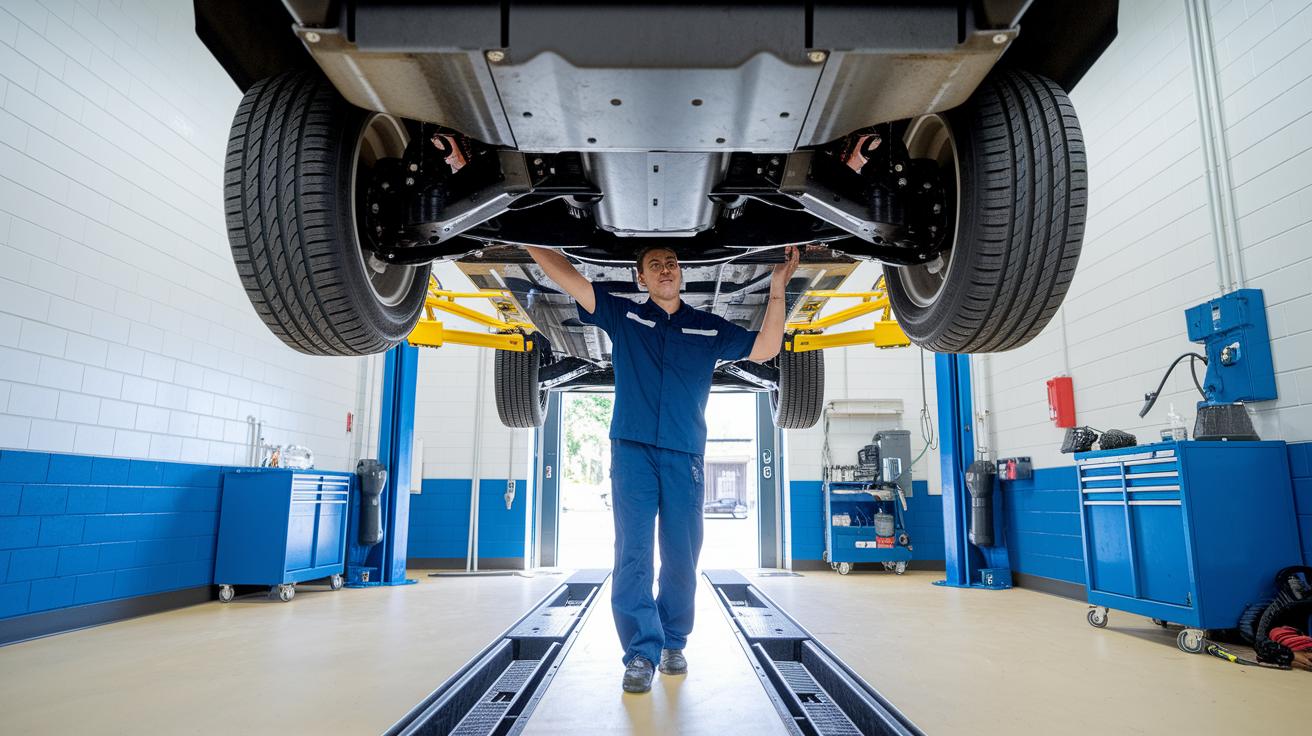
Recent findings from car service centers show that keeping a regular tire rotation schedule can actually extend your tire life by about 6%. This simple step helps your tires wear more evenly, which means less sudden stress during hard braking or quick turns. One technician even said that after sticking to a rotation plan, drivers noticed the car handled sudden stops more gently, it really made a difference in the smoothness of the ride.
When tires wear out evenly, they keep steady contact with the road on all kinds of surfaces. This reliable grip helps make the power transfer from the engine to the road smoother and spreads out the pressure more evenly. In tests, cars with evenly worn tires also showed fewer sudden spikes in fuel use and kept engine stress lower during everyday driving.
- Steady tire contact cuts down on wasted fuel.
- Even wear helps avoid sudden engine strain.
- A longer tire life means less frequent, premature replacements.
Early Issue Detection Through Routine Rotation and Preventive Maintenance
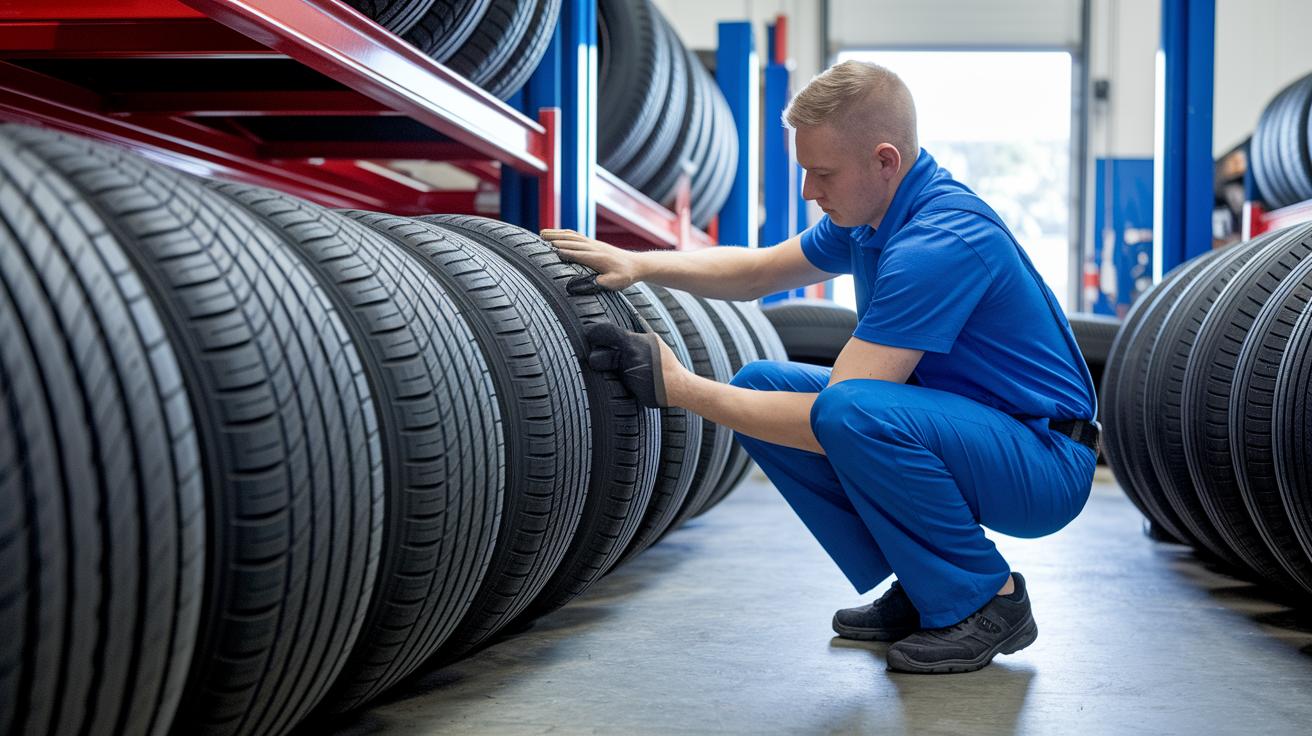
Routine tire rotation is a bit like taking your car for its regular checkup at your favorite service shop. When you switch your tires around every 5,000 to 8,000 miles, you not only give them a fair mix but also catch little issues early. You might notice a puncture, a tiny sidewall crack (a small break in the tire’s side) or even alignment troubles before they turn into expensive fixes. One technician even said, "Catching a tiny sidewall crack early saved me a trip to the workshop later." That really shows how important this step is.
Rotating your tires on schedule, along with a quick inspection, gives you a clear look at how your tires are holding up. This way, any small problems get sorted out during that routine checkup instead of turning into a big headache. It keeps your car running smoothly and avoids repairs that waste both time and money.
Also, when you're swapping tires, it's a good time to check the tire pressure (the right balance of air that helps keep your tire’s shape). This simple check stops your tires from wearing out too fast or overheating.
The benefits are clear:
| What You Gain | Why It Matters |
|---|---|
| Spotting early damage | Catches minor issues before they worsen |
| Lower risk of major failures | Keeps you safe on the road |
| Reduced unexpected repairs | Saves time, money, and resources |
Using these upkeep strategies makes sure your vehicle stays in top shape while also being kind to the environment by reducing extra repairs and keeping emissions low.
Green Rotation Techniques and Scheduling for Sustainable Auto Care

Regular tire rotation is more than just keeping your wheels in good shape. It’s a simple way to help the environment by making sure your tires wear evenly. When your tires wear out slowly, you won't have to replace them as often, which means less waste and fewer tires dumped in landfills. In fact, some tests showed that vehicles rotated on schedule keep about 95% of tire materials in use. Plus, this eco-friendly care saves you money while being kind to our planet.
Different drivetrains need different rotation plans. For front-wheel drive cars, a cross-pattern rotation every 5,000 miles works great. Rear-wheel drive cars do best with a rearward-cross rotation at around 7,500 miles. Think of it like switching lanes during a busy drive so every tire gets a fair turn at the load. Regular checks also give you a chance to monitor tire pressure and the depth of the tread (the part of the tire that touches the road), which helps keep your ride smooth and safe.
Retreading is another green option worth considering. This process, which involves stages like cleaning, buffing, and curing, can reuse up to 80% of a tire’s material. Retreaded tires often end up as products like rubber mulch or asphalt additives, keeping nearly all of the tire material in use. These recycling methods cut down on new rubber consumption and reduce landfill waste. In short, adopting these smart techniques makes your auto care routine both wallet-friendly and eco-friendly.
Final Words
In the action, our discussion showed that regular tire rotation extends tire life, improves handling, and boosts fuel performance while lowering emissions. We broke down how even wear saves rubber waste and promotes safe, efficient auto care. Routine checks paired with proper rotation patterns keep surprises at bay and help maintain smooth driving. Small steps truly add up, delivering the environmental benefits of regular tire rotation and giving you even more confidence on every mile.
FAQ
FAQ
Q: Why is it important to rotate tires regularly?
A: The importance of rotating tires regularly is that it spreads wear evenly across all tires, helps improve fuel efficiency by lowering rolling resistance, and aids in spotting issues early to boost safety and minimize emissions.
Q: What is the 3% rule for tires?
A: The 3% rule for tires indicates that if you see about a 3% difference in tread wear between tires, it’s time for a rotation. This practice keeps wear balanced, ensuring optimal tire performance and longevity.
Q: How does checking your tires help the environment?
A: The benefit of checking your tires is that maintaining proper tire pressure and rotation optimizes fuel use and prevents excessive emissions. It also reduces premature tire replacement, lowering the burden on landfills.
Q: What happens if you don’t rotate your tires regularly?
A: The consequence of skipping regular tire rotations is uneven wear that diminishes fuel economy and performance. This not only raises safety risks but also leads to the early replacement of tires, increasing waste.

