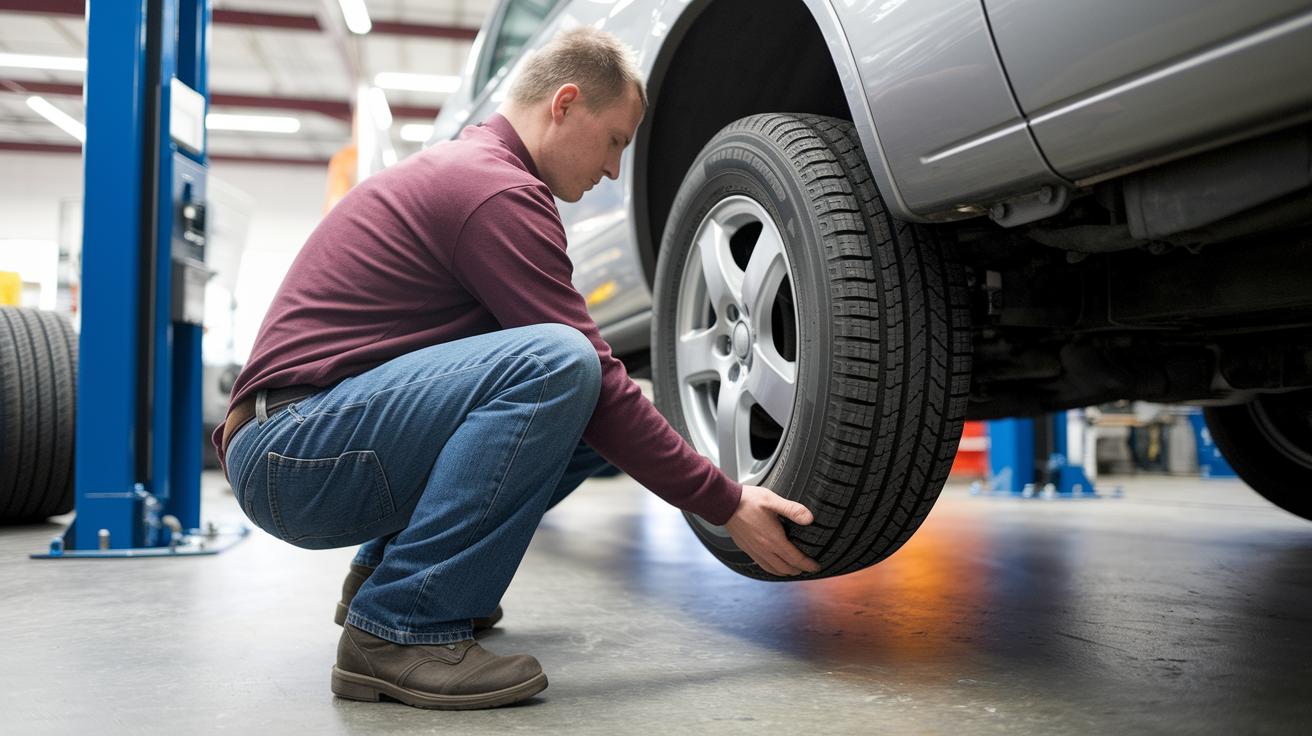


Have you ever noticed how tire installers often end their day with sore muscles? Skipping proper body care can really take its toll. Using simple tools like wheel dollies and comfortable seats can help take the strain off your back and shoulders. Imagine a seat that feels custom-made, keeping your body in the right position even when you're working hard. In this post, we'll show you easy setups and smart techniques that not only protect your health but also make tire installation safer and more comfortable.
Ergonomic Foundations for Injury-Free Tire Installation

When you're working with heavy tire setups and strong tools, taking care of your body is a must. Using tools like wheel dollies (which can cut up to 70% of the heavy lifting) helps ease the load on your back and shoulders. Plus, a good ergonomic seat that keeps your spine in a natural position makes a huge difference. It’s like sitting in a chair that feels custom-made for you, so long hours don’t wear you out.
Combining the right tools with a well-planned workspace really boosts safety. For example, pneumatic nutrunners like the Chicago Pneumatic BlueTork CP7600 series deliver smooth, low-vibration torque (a tightness setting that avoids too much force) so that lug nuts are tightened just right. It’s almost like using a fine-tuned instrument that plays perfectly every time.
Another smart move is arranging your work area so everything is at a comfortable height. Keeping tools and controls within reach helps you avoid too much bending or stretching, making your workspace both safe and efficient. For more detailed steps on tire installation, check out the step-by-step tire installation guide. In short, using the proper tools and setup can keep you safe while you work.
Proper Lifting and Load Management in Tire Installation

When you mount tires, you work with heavy wheels that can put a lot of strain on your back and muscles if you’re not careful. Using tools like a wheel dolly (a small cart that helps move heavy wheels) can take some of the weight off your shoulders. That said, using the right lifting techniques is key to avoiding back pain and muscle injuries. When you pick up or move a wheel, try to use your leg muscles, keep your back straight, and avoid twisting your body. This easy approach keeps your work safe and steady.
- Keep the wheel assembly close to your body
- Bend at your hips and knees, not at your waist
- Hold the wheel firmly with both hands
- Lift in a smooth, steady motion by straightening your legs
- Turn with your feet instead of twisting your body
Even small changes in how you lift can help stop injuries over time. When you follow these safe lifting tips and smart load handling tricks, you not only protect yourself but also make sure every tire installation is done with care and precision.
Ergonomics in Tire Installation: Avoiding Injury with Ease

When you set up your work area right, it can really change the game during tire installations. Arrange your tools at waist or hip height so you don’t have to bend over too much. This simple shift helps keep your back safe and makes your work feel less like a chore. In a pro shop, tire changers, wheel balancers, bead sealers (a tool that seals the tire’s edge), alignment machines, and air compressors are all placed where you can easily reach them. It’s like having your favorite playlist on a road trip, everything is just within reach.
A smart workspace means you won’t get worn out quickly, and it helps cut down on muscle strains and joint stress. Think of it like finding the perfect pit stop on a long drive where you can stretch your legs and feel refreshed. Here are five tips to set up your station so you can work comfortably and maintain a good posture:
| Tip | Description |
|---|---|
| Adjust machine height | Set machines at a level that lets you avoid too much bending. |
| Position controls within reach | Keep buttons and levers easy to access, so you’re not stretching awkwardly. |
| Install anti-fatigue floor mats | Mats that feel like a comfy cushion during long hours standing. |
| Use seats with back support | For tasks like removing tires, a good chair helps keep your back aligned. |
| Select handles with vibration-dampening grips | These handles lessen the impact on your hands and arms. |
Anti-fatigue mats are like a cozy car seat for your feet after a long day on your feet. A seat with proper back support holds your spine straight, which helps avoid that nagging back pain. And with controls and tool handles right where you need them, you won’t get bogged down by repetitive movements. All these little adjustments work together to create a safer and more comfortable workspace, just like a well-planned route makes a road trip that much more enjoyable.
Reducing Strain with Pneumatic Nutrunners in Tire Installation

If you're curious about making tire work easier with pneumatic nutrunners (tools that use air to tighten bolts), you'll be glad to know we've teamed up all those details in one spot. We’ve merged everything into our Ergonomic Foundations for Injury-Free Tire Installation section so you can find all the tips and tricks in a single, friendly guide.
Posture and Movement Guidelines for Ergonomics in Tire Installation

Keeping a healthy back and neck is super important when you're working on tire installations. When you sit or stand straight with your head lined up with your spine (a neutral spine), you're avoiding extra pressure on your lower back. This simple move also helps keep your shoulders and neck comfy when you're dealing with heavy wheels.
It also helps to let your shoulders drop naturally instead of tensing up while you lift or handle tire tools. This little change can really ease joint stress and stop your muscles from getting sore over time.
Taking a few quick breaks and switching up your tasks makes a big difference too. Microbreaks, like stretching for a few seconds or taking a couple of deep breaths, give your muscles time to recover. For example, alternating between tightening lug nuts and checking tire pressure helps prevent repetitive strain. Changing up your tasks means you're not doing the same motion all day, which lowers your risk for back pain or other issues.
Regularly rotating your tasks and taking short pauses keeps your body moving safely throughout each tire installation.
Ergonomic Training and Maintenance Protocols for Tire Installation

Technicians get special training that shows them the proper way to install tires safely while taking care of their bodies. They learn how to use tools like tire changers, wheel balancers, and pneumatic torque tools (these are power tools that help tighten bolts evenly). When they know the right way to work with these tools, they put less strain on themselves and cut down the chance of injuries from doing the same motions too much.
Taking care of the equipment is just as important as the training itself. Regular checks and calibration (adjusting the tools so they work right) help stop too much force or uneven pressure that can damage parts or tire the operator. Checking the equipment every year lets us catch early signs of wear and tear, which means fewer surprises when it's time to get the job done. By keeping up with these preventive maintenance steps, our tools stay reliable and help maintain a safer work spot.
- Professional training makes sure technicians know how to handle heavy tire assemblies safely.
- Calibrating tools such as tire changers and balancers stops the risk of over-tightening.
- Annual inspections catch issues early and help lower the risk for operators.
Following solid training and regular maintenance can really help the team stay safe and keep the work environment in great shape.
Final Words
In the action of mastering tire installation, this article covered everything from proper lifting and load management to setting up a safe, supportive workstation. It broke down how using pneumatic nutrunners helps reduce strain and keeps you on track with injury-free techniques.
By focusing on correct posture, dynamic movement, and ongoing equipment checks, you can boost ergonomics in tire installation: avoiding injury. These tips aim to make your work safer and smoother, leaving you confident behind every tire you mount.
FAQ
What is the 30/30 rule in ergonomics?
The 30/30 rule in ergonomics means that taking a 30-second break every 30 minutes can help ease muscle tension and reduce strain during continuous work.
What is the 3% rule for tires?
The 3% rule for tires indicates that if tire tread or pressure variations move more than 3% from standard, it’s a sign to inspect and adjust for safer performance.
What are some ways to avoid ergonomic injury when working or driving?
The best approach to preventing ergonomic injury involves using proper lifting techniques, maintaining a neutral spine with adjusted seats and controls, and taking short, regular breaks to relieve muscle tension.

