


Have you ever thought about saving money on gas just by picking the right tires? Imagine hitting the open road and knowing your tires help your car sip fuel instead of gulping it down. Thanks to new eco-friendly materials and smart design tweaks, these tires reduce roll resistance (that’s the friction your tires face while rolling), so your car uses less fuel.
Experts say that green tire sales could grow from $88.2 billion in 2024 to $152.7 billion by 2029. This shows that these innovations aren’t just a passing fad, they’re changing the game.
In this post, we dive into how modern tire designs save energy and make every drive smoother. Ever notice how a smooth ride makes all the difference? This could be one of the best upgrades for your car.
Cutting-Edge Innovations in Tire Energy Efficiency

Tire makers are coming up with new ways to save energy that are turning heads. Green tires are more than just a trend; they use eco-friendly materials that help tires roll easier (meaning your car uses less fuel) and give you a smoother ride. Experts say global sales of these green tires will grow from $88.2 billion in 2024 to $152.7 billion by 2029, with an annual boost of about 11.6%.
Scientists and engineers are hard at work to bring these energy-saving ideas to life. For instance, on bright sunny highways, a new tire design was shown to cut rolling resistance by almost 10%. That change means you spend less on fuel without losing any strength in your tires. Now, imagine that kind of progress spreading around the world, with extra help from government deals and the rise in electric and fuel-efficient cars driving manufacturers to rethink their designs.
Big names like Michelin and Bridgestone have been busy in the lab, creating prototypes that not only last longer but also trim down energy waste. These smart improvements aren’t just about giving you a quick boost in performance; they are setting the stage for long-term energy savings.
Engineers are also mixing in earth-friendly materials into tire compounds and adding special ingredients that boost both performance and green credentials. Thanks to these changes, tire makers are building a future where lower energy use goes hand in hand with dependable tires on every road.
This wave of fresh ideas is changing the way vehicles work, saving energy and even helping to keep more money in your pocket.
Advanced Compound Engineering for Tire Energy Efficiency
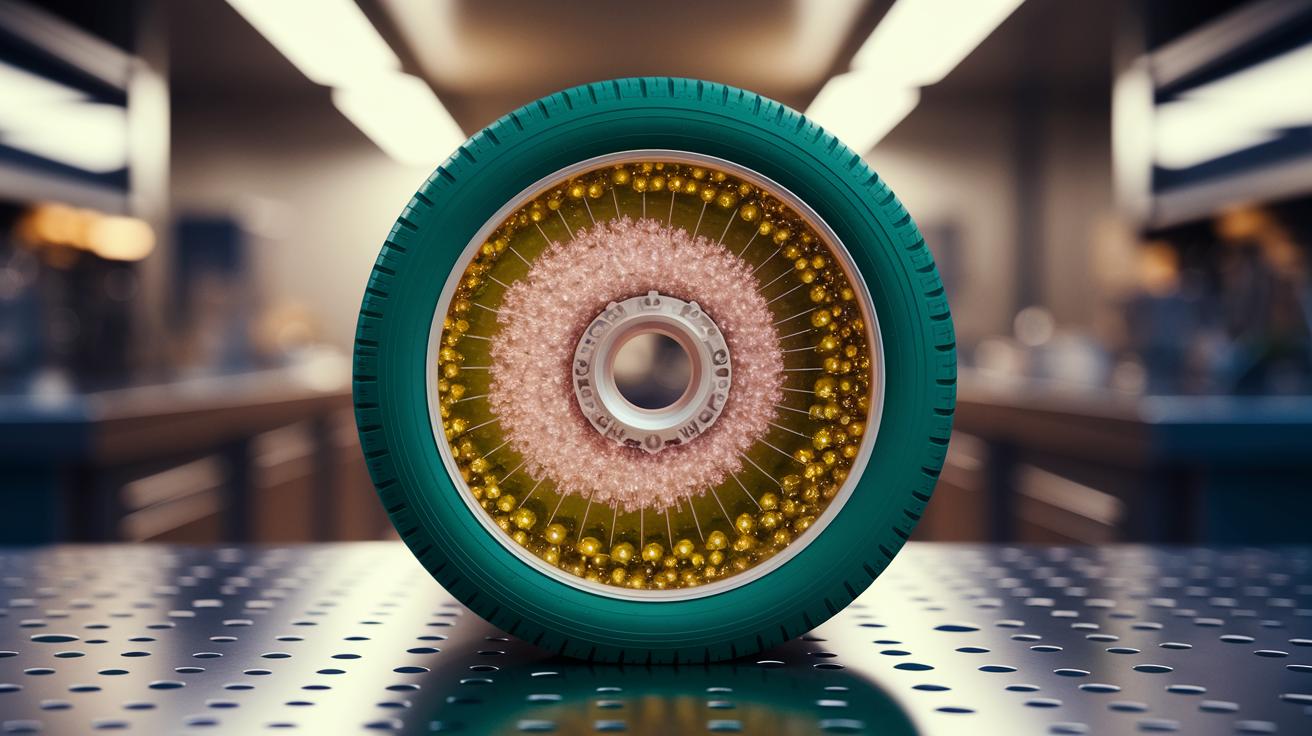
Engineers are rethinking tire materials to boost performance in a big way. Modern green tires now use new elastomer blends (that’s the rubbery material in tires) mixed with silica, bio-based oils, and silane coupling agents. These ingredients work together to lower hysteresis (how quickly a tire’s surface flexes and loses energy), reducing energy loss by 5–10 percent. It’s like tweaking your favorite recipe – a few extra ingredients can really change everything.
Another neat breakthrough is the use of functionalized polymer additives. They help the tires resist wear while keeping that smooth, low rolling resistance feel. Think of it as having tires that last longer without sacrificing ride quality. This means you get better fuel savings, kind of like giving your car a protective layer that keeps it running strong.
High performance elastomers also play an important role. These advanced rubbers improve traction and help with fuel economy by keeping a firm grip on the road, even when conditions get tough. Picture a tire that feels like a trusted friend, steady on both wet and dry roads, boosting your confidence wherever you go.
New eco-friendly tread compounds are leading the charge toward more sustainable driving. By cutting energy losses and extending tread life, these formulations make tires better for both your journey and the environment. Imagine a tire that keeps on giving – delivering a smooth ride while lowering your vehicle’s energy use, all thanks to smart, innovative chemistry.
How Low Rolling Resistance Design Enhances Tire Energy Efficiency

Have you ever wondered how a tire can help you save on fuel? It all comes down to the clever patterns on its tread. These designs make it easier for your tire to roll by reducing friction (that annoying rubbing between the tire and the road) and lowering energy use. When engineers focus on low rolling resistance, they tweak the tire to roll smoother and stay cooler by cutting down on wasted energy. Research even shows that using smart design features like variable-pitch blocks (which change where the tire touches the road), optimized sipes (fine slits that help grip different surfaces), and a balanced pattern of spaces in the tread can lessen friction by up to 20%. And those detailed computer models tell us that improving the shape of the contact patch (the part of the tire that meets the road) helps keep the tire cool and can save fuel by another 3–7% when cruising on the highway.
- Variable-pitch blocks that shift the tire’s contact points for a more efficient roll.
- Optimized sipes designed to handle a variety of road conditions.
- Tailored void distribution that boosts airflow within the tread.
- Micro-grooves crafted to further cut down on friction.
- Adaptive circumferential ribs that keep the balance between grip and efficiency.
- Refined contact patch geometry that helps reduce heat buildup.
These innovative tread designs are a win-win. They give you the grip you need while also trimming fuel costs and lowering environmental impact. Each small tweak in the tread layout adds up to fuel savings and a smoother ride. It's proof that even little improvements can harmonize performance with energy efficiency, making them a key focus in today’s tire design advancements.
Innovative Testing Methods and Digital Simulation in Tire Energy Efficiency
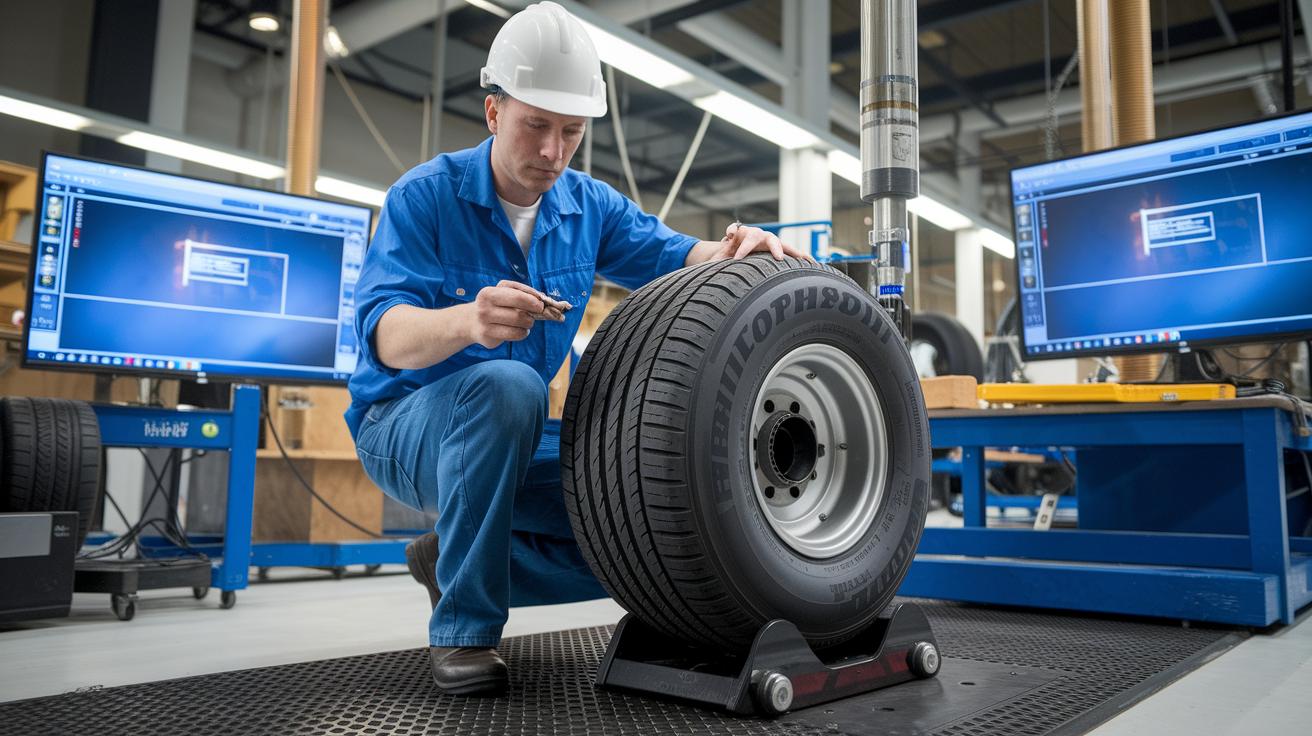
These days, research labs are using clever setups and computer tools to check tire performance even before the tires hit the road. They run tests that speed up wear and tear by mimicking different loads and temperatures, imagine putting a tire through a hot summer day and a cool night in just a few hours.
Engineers also use a method called finite element analysis (FEA) (which is a way to see how each part of a tire handles stress) to catch problems early on. One lab even shared that these digital tests cut prototype cycles by 30 percent, so new ideas get into real-world use faster.
Then there are rolling dynamics simulations that show how tires might behave in everyday driving. These computer models look at hysteresis (basically how a tire’s surface changes when it flexes) to predict fuel loss and energy performance. It’s kind of like fine-tuning a car engine to make sure every little change helps the tire run smoother.
Finally, virtual design optimization pulls all these digital tools together. It gives engineers a clear picture of energy benchmarks even before doing real-life tests. With these digital checks, tire experts can boost safety and fuel savings, paving the way for tires that live up to their energy-efficient promise.
Green Manufacturing Processes for Energy-Efficient Tire Production
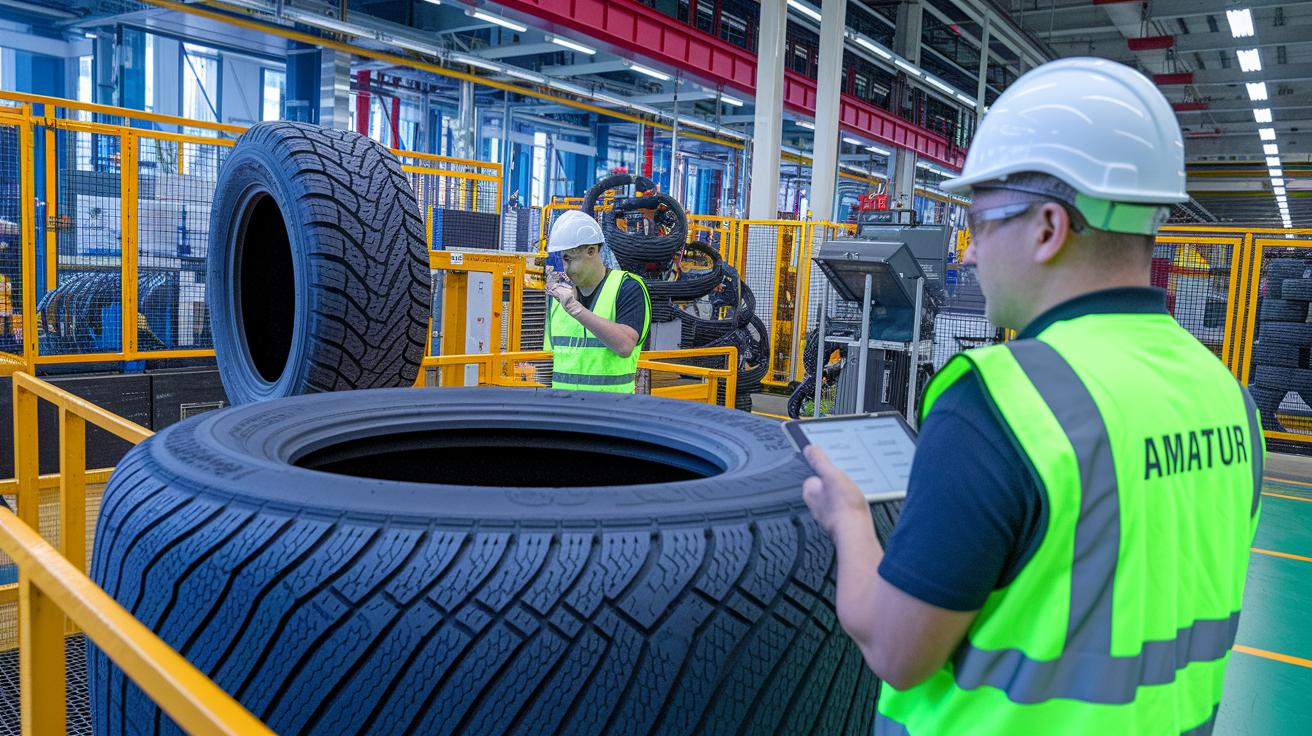
Green manufacturing is changing the way tires are made. By cutting down on energy use, tire production stays efficient and eco-friendly. Nowadays, tire factories use smart machines, like automated rubber mixing and extrusion systems (which help shape the tire), to lower energy use by about 15 to 25 percent. These clever systems work with precise technology to make sure every tire comes out just right while saving lots of power.
In addition, new eco-friendly curing methods, such as infrared and low-temperature ovens, help reduce heat energy use by up to 12 percent. Plus, improvements in recycling, think of closed-loop water circulation and special recycling lines that turn waste into something useful, cut waste by around 20 percent. All these changes not only meet strict green guidelines but also help lower operating costs.
| Process | Energy Reduction (%) | Environmental Benefits |
|---|---|---|
| Rubber Extrusion | 20% | Lower CO₂ emissions |
| Infrared Curing | 12% | Reduced heat input |
| Material Recycling | 20% | Waste diversion |
Mixing these eco-friendly steps into tire production brings clear benefits. Smart production methods and modern automation work hand in hand to reduce energy use and lower the overall environmental impact. When factories use eco-friendly curing techniques, they keep tire quality consistent while cutting down on energy needs. Recycling systems turn what would be waste into new, useful materials, so companies can follow environmental rules and still keep up with production.
All these green upgrades show that tire production can be both efficient and sustainable. They pave the way for a cleaner future and prove that being eco-friendly can go hand in hand with smart business practices.
Smart Sensor Integration and Monitoring Systems for Tire Energy Efficiency
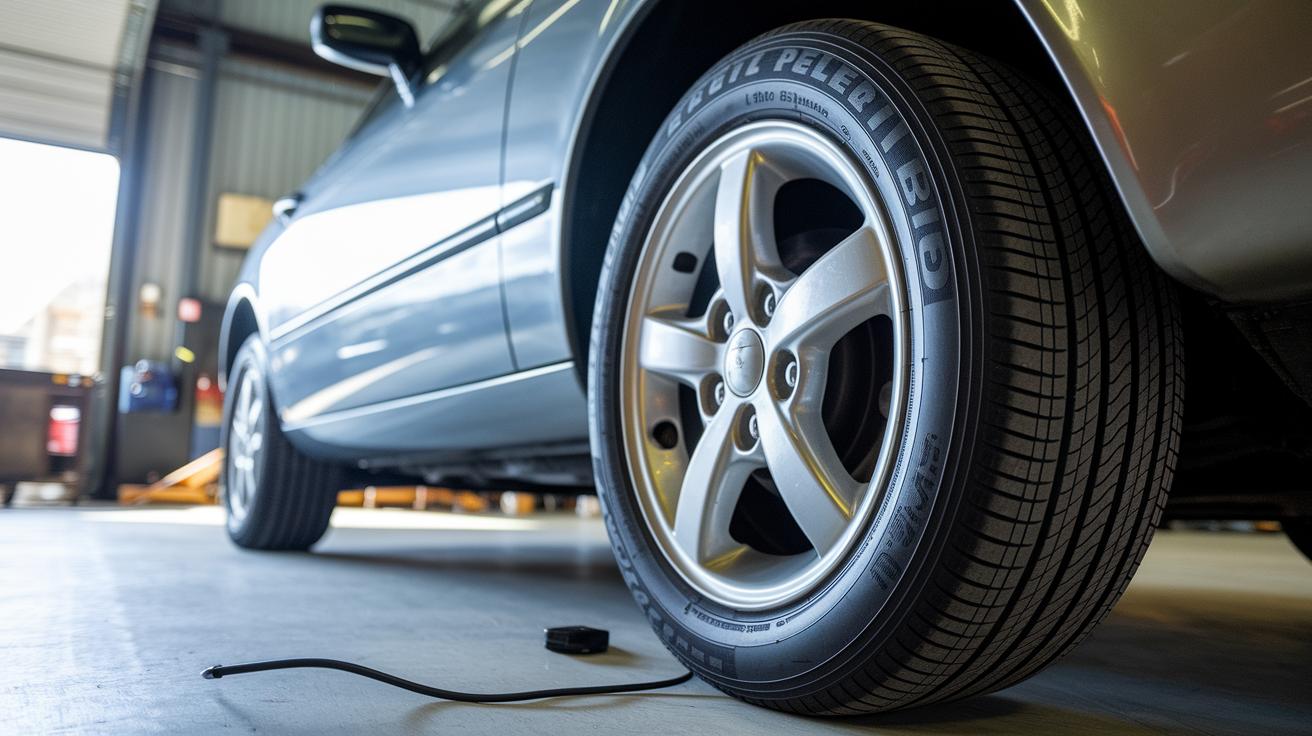
Imagine your tires are talking to you. Tiny pressure and temperature sensors (mini devices that measure how your tire’s doing) are tucked inside each tire, giving you real-time updates about how they're performing. It’s like checking your tire pressure before you go on a long drive, if the sensor notices a drop, you get an alert right away. This smart info even helps predict issues early, cutting unexpected downtime by about 25 percent.
The connected tire platform collects data from every tire rotation, so you can easily adjust your energy use as you drive. By keeping a close eye on tire conditions, it also figures out when a tire might need a little fix before a big failure happens. This proactive care not only boosts tire efficiency but also keeps your grip and stability on the road top-notch.
With real-time data, both drivers and maintenance crews can fine-tune tire performance for better fuel economy and a longer tire life. It’s like having a personal tire expert with you every time you hit the road, making sure your tires are always at their best.
Next-Generation Prototypes and Future Trends in Tire Energy Efficiency Technologies
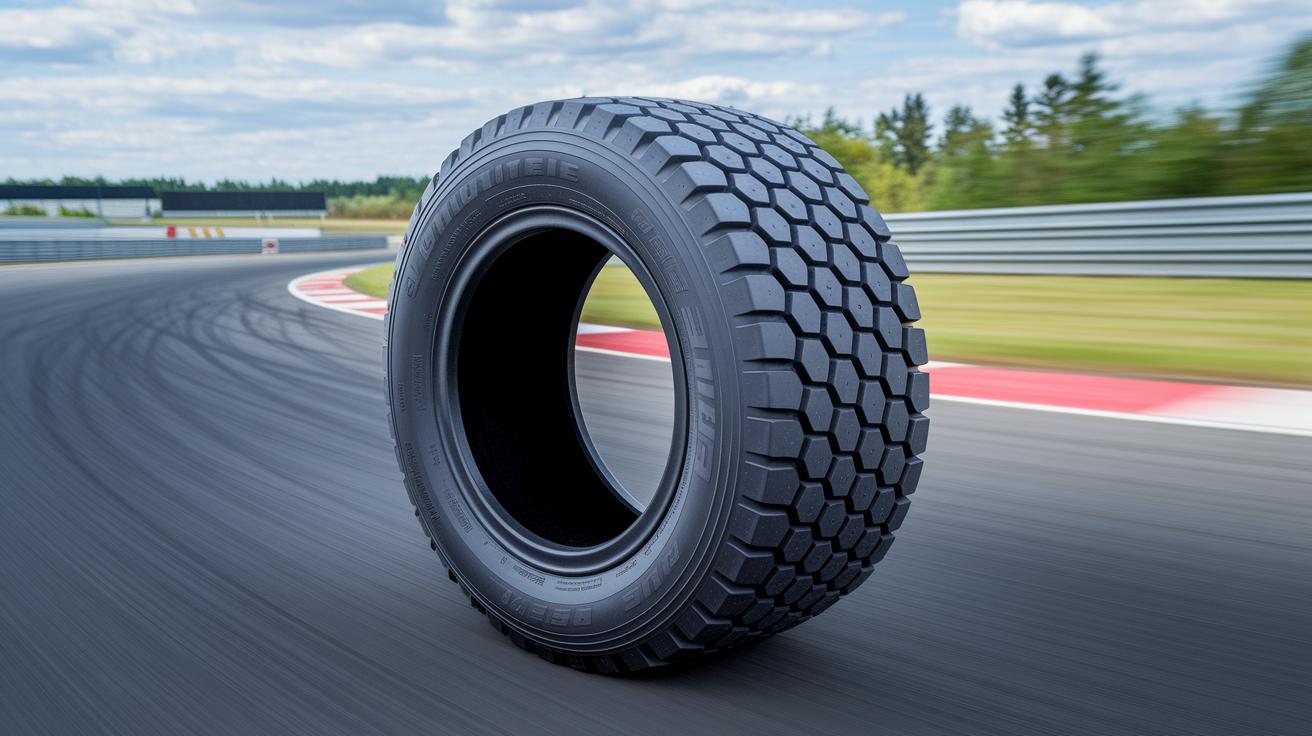
New tire models are being tested that could really change how we save energy on the road. They use smart computer help (AI) to design better tread patterns and even use 3D-printed rubber structures (which means layers of rubber are built up like a puzzle) for extra strength. These prototypes focus on strong performance while making it easier for the tire to roll smoothly. In fact, teaming up with industries like airplane design and sports gear is sparking fresh ideas in tire making. With clever, lightweight designs, experts expect these tires to lose 2–4 percent less energy, which is a big step in cutting down on wasted power.
Engineers are also leaning on new digital tools that speed up testing and production. This fast-paced tech helps them mix in eco-friendly materials and fine-tune designs to meet tough rules for how tires should work. Some believe that blending AI-driven ideas with insights from other fields will push tire performance even further, possibly slashing carbon footprints by 15 percent by 2030. In truth, these exciting advances point to a future where tires not only deliver a smooth ride but also help keep our planet greener.
Final Words
In the action from advanced compound engineering and low rolling resistance designs to innovative testing and green production methods, we’ve covered fresh ways to boost tire performance. We touched on smart sensor integration and next-generation prototypes that help cut energy loss and keep rides smooth and safe. Advances in tire energy efficiency technologies are making everyday drives more reliable and affordable. This new take on tire science brings more confidence to every mile behind the wheel.
FAQ
Frequently Asked Questions
How do green tires use eco-friendly materials to boost energy efficiency?
Green tires use eco-friendly materials to lower rolling resistance. This design, combined with sustainable rubber compounds, reduces friction, helping improve fuel economy and deliver long-term cost savings.
How do advanced compound engineering innovations enhance tire energy efficiency?
Advanced compound engineering uses eco-friendly rubbers and new additives that minimize energy loss and reduce wear. This innovation improves tire performance while promoting fuel savings during every drive.
How does low rolling resistance design improve tire fuel economy?
Low rolling resistance design tweaks tread patterns and optimized contact patches to lower friction. This reduction in rolling friction cuts energy loss and boosts fuel efficiency, giving drivers more savings on gas.
How do innovative testing methods and digital simulations validate tire energy efficiency?
Innovative testing methods, like virtual simulation and accelerated wear rigs, replicate real driving conditions. This allows engineers to measure energy performance accurately and refine tire designs for better fuel savings.
How do green manufacturing processes help produce energy-efficient tires?
Green manufacturing adopts smart automation and eco-friendly curing techniques to cut energy use and reduce waste. This modern approach to production supports both sustainable practices and improved tire quality.
How do smart sensors and monitoring systems improve tire efficiency in real time?
Smart sensors monitor tire pressure and temperature continuously. Their real-time data supports predictive maintenance and helps keep tires operating at peak energy efficiency, lowering unexpected downtime and fuel usage.
What future trends are expected to further improve tire energy efficiency?
Future trends include AI-optimized tread designs and 3D-printed components. These innovative prototypes promise to reduce rolling losses further while meeting upcoming fuel efficiency standards and sustainability goals.

