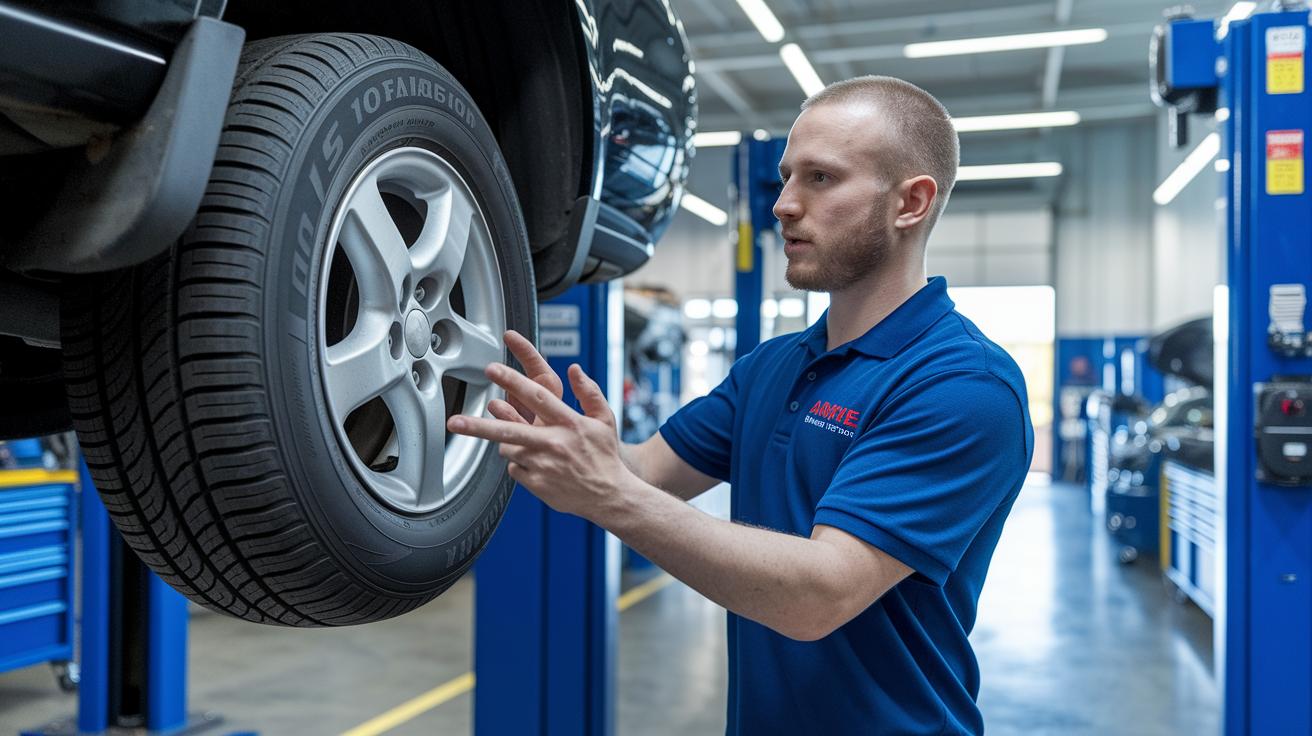


Ever wonder if switching your tires really makes a difference? A lot of drivers think it’s just a money-saving trick, but there’s real science behind it.
Every tire deals with different pressures and bumps on the road. Changing their spots helps them wear out more evenly. It’s like giving your car a little tune-up for better balance and longer-lasting tires.
So, next time you’re thinking about it, remember this simple step could lead to a smoother and safer ride.
The Fundamentals of Tire Wear and Rotation Science
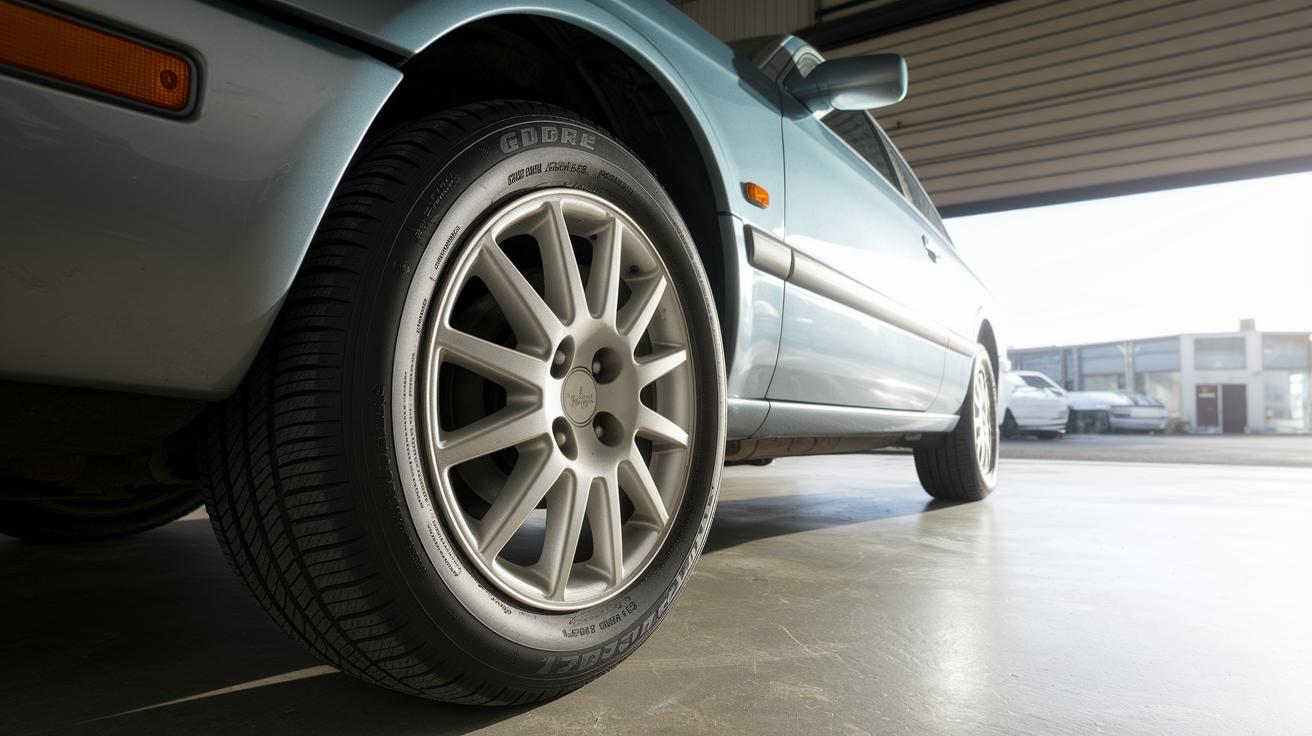
Tire wear happens because of basic forces like friction, heat, and how weight spreads across them. When you drive, your tires rub against the road, which creates heat and causes some areas to wear down faster. For example, in a front-wheel-drive car, the front tires do more work with steering and braking, so they wear out quicker. In rear-wheel-drive cars, the rear tires get more wear because they handle most of the power. Even in all-wheel-drive setups, differences in grip and weight shifts mean that some tires may wear more than others. It's kind of like your shoes – if one foot does more work, that shoe might wear out sooner.
Most experts recommend rotating your tires every 6,000 to 8,000 miles. By simply swapping their positions, you can help your tires wear evenly. This keeps the tread level the same on all tires, which boosts their grip on wet or snowy roads. Regular maintenance not only makes your car handle better but also helps you get more life out of your tires. For instance, following basic tips like those shared on tityres.com?p=1455 can lead to a safer, smoother ride.
Regular tire rotations also mean your car will feel more balanced on the road. Evenly worn tires give you a steady grip, better turns, and more reliable braking. Plus, when you rotate your tires, you might catch small problems before they become big issues. All in all, taking care of your tires helps keep your car safe and running smoothly on every drive.
Rotation Pattern Analysis: Choosing the Right Tire Rotation Layout

Rotation patterns really matter. They help even out tire wear by switching tires around so each one faces different forces from turning, stopping, and speeding up. When you move your tires to different spots, the forces change, and each tire wears a bit more evenly. This helps prevent early wear and keeps your car's grip and handling steady.
Different setups need different patterns. Knowing a few common rotation methods can help you pick the one that fits your car and driving style best. For instance, front-wheel drive cars (where most of the weight is on the front tires) do well when the front tires are moved to spots with lighter loads. Rear-wheel drive and all-wheel drive cars have their own ways of handling forces, so using the right method cuts down on issues (like hydroplaning, which is when water makes tires lose grip) and spreads traction evenly.
Here are some popular rotation methods in a quick table:
| Rotation Pattern | Description |
|---|---|
| Forward Cross | Great for front-wheel drive cars. It moves the heavier front tires to the back, where there’s less stress. |
| Rearward Cross | Works well for rear-wheel and all-wheel drive vehicles by shifting the tires to even out wear. |
| X-Pattern | Swaps tires diagonally for a balanced approach that fits various tire designs. |
| Side-to-Side | Used for directional tires (tires meant to roll in one direction), keeping the tread facing the same way while balancing wear. |
Choosing the right rotation method really comes down to your car’s drive type. Front-wheel drive cars are best off with the Forward Cross, while rear-wheel and all-wheel drive vehicles tend to do better with Rearward Cross or the X-Pattern. This smart move can boost performance and safety on the road.
Optimal Rotation Intervals Backed by Studies

Scientific studies tell us that changing your tire positions every 5,000 to 6,000 miles (about 8,000 to 10,000 km) is a good idea if you drive under normal conditions. Think of it like swapping out your sneakers on long runs, you let each pair rest so they all last longer. When tires hit different parts of the road and face various pressures, routine rotations help even out the wear, including aspects like tread wear (how fast the tire's outer layer gets used up).
It also makes life easier if you schedule this tire rotation with your regular oil changes or similar routine maintenance every six months. It’s a way to keep everything running smoothly without too much fuss.
If you drive more aggressively, haul heavy loads, or deal with harsh weather, try rotating your tires every 4,000 to 5,000 miles instead. The extra stress in these situations can wear out your tires faster, so switching them around more often keeps them gripping the road and performing well. This simple habit goes a long way in balancing tire wear and keeping your ride safe and reliable.
Effects of Tire Rotation on Vehicle Safety and Performance

When your tires wear evenly, they all keep about the same tread depth. This steady wear helps your car stop more reliably and take corners with confidence. You might even notice your car feeling safer on wet roads, as even tires beat hydroplaning and lessen the chance of a spin-out.
Even tire wear means your car's brakes work as expected. Think of it like each tire giving you a steady, familiar grip during sudden stops or sharp turns. Studies even show that matching tread depths lead to more predictable braking distances, which is a big help when you’re out on the road.
With tires wearing at the same pace, your car also runs more efficiently. When your tires are balanced, they don’t push as hard against the road, so your engine doesn’t have to work as much. In fact, proper rotation can boost fuel efficiency by about 3%, saving you money while keeping your ride smooth and dependable.
Getting your tires rotated often comes with a quick checkup too. A mechanic will measure tire pressure, check tread depth (the layer that touches the road), and ensure everything is tight and secure. It’s these little inspections that catch issues early, so you can keep driving safe and confident.
Implementing Effective Tire Rotation Practices

Before you get started, make sure you have all your tools ready and keep safety first. Shops with professional gear use special tools like a torque wrench (that tool helps you tighten bolts just right) and lifts to safely hold the car up. If you're doing it yourself, use a strong jack and jack stands, and take a peek at your owner’s manual so you don’t run into trouble.
Follow a simple, clear process to move your tires around. First, while your car is on a flat surface, loosen the lug nuts. Then, gently lift the car. After that, switch your tires according to the pattern your manual suggests, like trading the front and rear tires when needed.
Once your tires are in new spots, do a few quick checks. Look at the tire pressure and tread depth (that’s how fast the outer part of your tire wears out) because even small differences can change your car's grip on the road. Make sure all bolts are tightened to the right amount and check for any signs of wear or damage.
Finally, jot down every time you rotate your tires, along with the car’s mileage. Keeping this log helps you keep track of your tires' life and plan for maintenance down the road.
Final Words
In the action, this article walked through the basics of how friction, load, heat, and specific drive types shape tire wear. It highlighted why tire rotation matters and broke down the science of choosing the right rotation pattern and interval. We also examined practical steps you can take to maintain even tread wear and boost safety on the road.
All this helps deepen your understanding the science behind tire rotation effectiveness, leaving you feeling confident and ready for safe driving.
FAQ
Frequently Asked Questions
Does rotating your tires actually help?
Rotating your tires truly helps by evening out tire wear. This practice balances friction, heat, and weight load, leading to improved grip, safer handling, and a longer tire life.
What is the 3% rule for tires?
The 3% rule for tires means that when your tires are rotated properly, they wear evenly. This balance helps lower rolling resistance, which may boost fuel efficiency by about 3%.
Is it okay to rotate tires every 10,000 miles?
Rotating tires every 10,000 miles isn’t ideal as uneven wear might start to show. Most experts recommend rotations every 6,000 to 8,000 miles for best traction and longevity.
How do tire rotations work?
Tire rotations work by switching tire positions following a set pattern. This method evens out wear caused by different loads and friction, keeping tires balanced and safe for your drive.

