

Ever notice your car feeling a bit off on wet roads? A lot of drivers think all tires wear out the same, but a little tire rotation can really make a difference. I once switched up my tires and ended up with a smoother ride. It even helped me avoid uneven wear and extra fuel costs.
Today, I'll share some easy tips on rotating your tires. Think of it like giving your car a mini tune-up that makes it handle better and stick to the road more securely. Ready to see how a small change can boost your ride?
Core Tire Rotation Strategies for Optimizing Tread Life
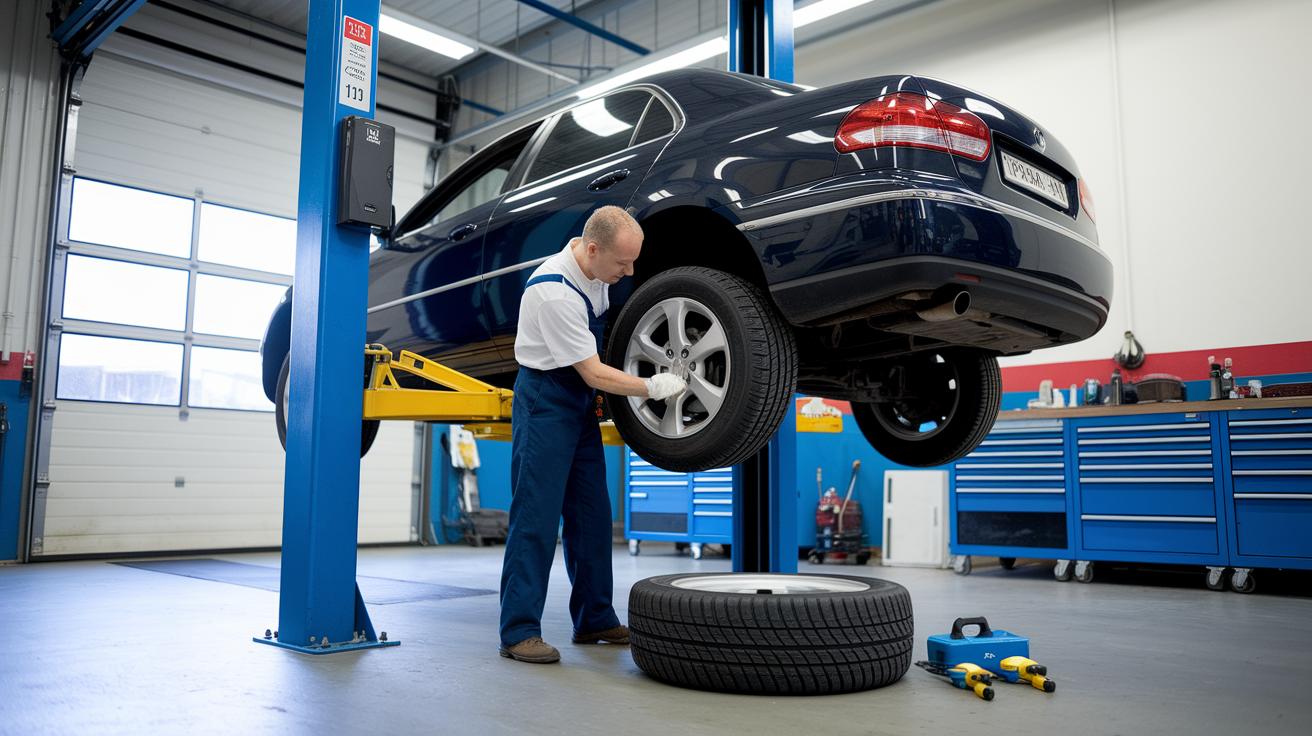
Keeping your tires in top shape means rotating them often. This simple shift moves each tire to a different spot on your car so that they all share the wear and tear. It stops one tire from wearing out too fast, especially the front ones that work harder with steering, braking, and carrying engine weight. I remember after my last rotation my ride felt noticeably smoother on rainy days.
Regular tire rotation does more than extend tire life; it also makes your car handle better and even saves you some gas. When every tire wears evenly, your car responds nicely whether you're driving straight or taking a turn. It’s just like balancing a table so that every leg gets an equal share of the weight.
Timing is key, too. Experts suggest you rotate your tires every 6,000 to 8,000 miles. This schedule gives the tires a fair chance to even out their wear over time. Even a little bit of uneven wear can change how your brakes feel or affect the stability of your car.
- Forward Cross – Often used in front-wheel drive cars, the front tires go straight to the back while the rear ones move diagonally to the front.
- Rearward Cross – Best for rear-wheel drive cars, where the rear tires move straight to the front and the front tires go diagonally to the back.
- Side-to-Side – Perfect for all-wheel drive vehicles, this method swaps the tires on the same axle to balance the wear evenly.
Assessing Tire Wear Patterns to Guide Rotation Optimization
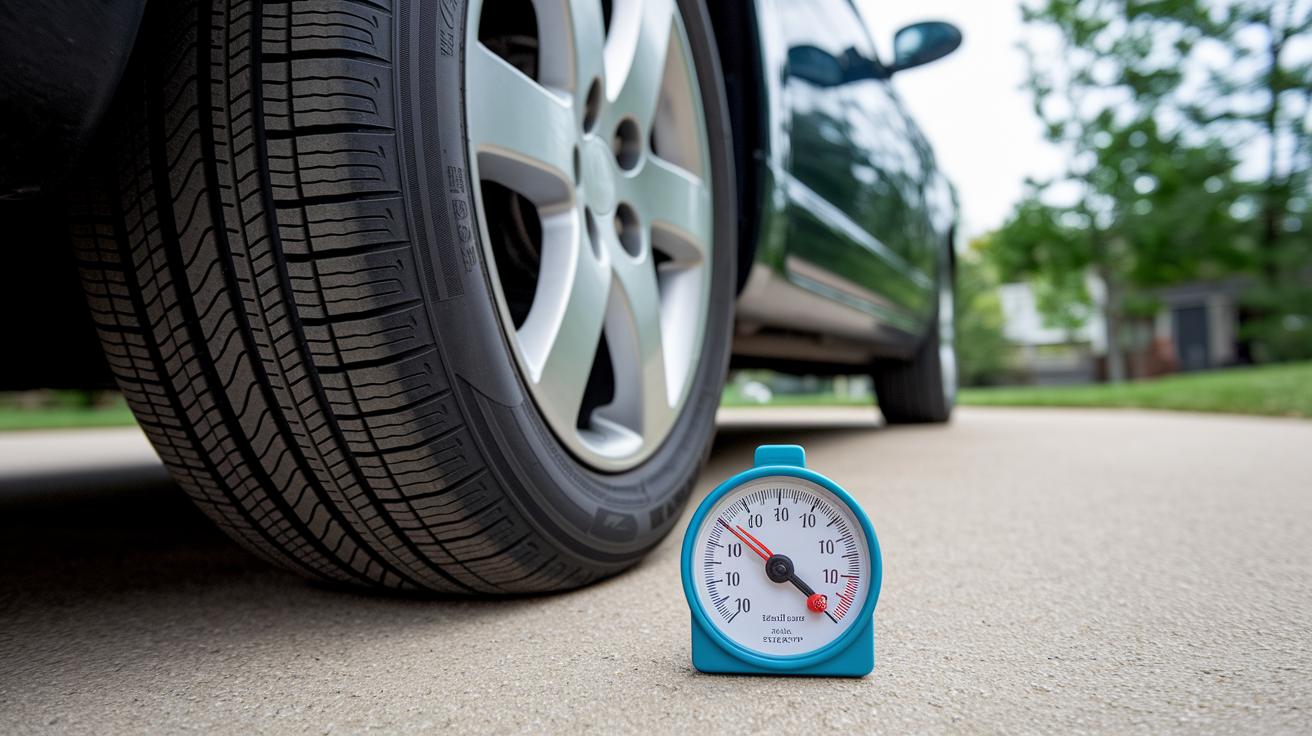
Keeping an eye on your tire wear can help you avoid bigger problems later. If you drive a front-wheel car, you might see more wear on the outer edges of the front tires (called the shoulders). On rear-wheel drive cars, the back tires may wear more in the middle. Spotting these signs early helps you plan tire rotations that keep every tire in balance and your ride smooth.
It’s a good idea to give your tires a quick look over every few thousand miles using simple gauges or even tread depth sensors. These checks can reveal uneven wear or odd patterns, which tells you it might be time to rotate the tires.
Here are some common signs to watch for:
- Shoulder wear on front-wheel drive tires
- Cupping from many small bumps
- Feathering that makes the tire edges uneven
- Center wear, often seen on rear tires of rear-wheel drive cars
- Scalloping along the tread
By noticing these signs early, you can adjust your tire rotation schedule to improve performance. Data from wear scanning tools can guide you on the best times to switch your tires around. This kind of proactive care not only helps keep your tires in top shape but also improves handling and fuel use, all while saving you money in the long run.
Selecting the Right Rotation Pattern for Different Drivetrains

When you drive, your tires wear in different ways based on the type of drivetrain your car uses. Rotating them makes sure all tires share the load evenly and keeps your ride feeling smooth.
Front-Wheel Drive Rotation
Try using the Forward Cross pattern:
- The front tires go straight to the back.
- The back tires move diagonally forward.
- This shift helps balance the extra wear from steering, braking, and the engine’s weight on the front.
- Aim to rotate every 6,000 to 8,000 miles.
Think of it like swapping positions so every tire gets a fair turn at handling the road.
Rear-Wheel Drive Rotation
For rear-wheel drive, use the Rearward Cross pattern:
- Rear tires move directly to the front.
- Front tires shift diagonally back.
- This setup gives each tire a chance to handle the force from the engine.
- Rotate them every 6,000 to 8,000 miles.
It’s like letting every tire take a turn at carrying the load, which keeps your drive balanced.
All-Wheel Drive Rotation
For all-wheel drive, pick either a Side-to-Side or a Front-to-Back method depending on your tire type:
- These patterns help even out the wear because the torque (turning force) is spread differently.
- Rotate every 5,000 to 7,000 miles.
- Remember, if you have directional or staggered tires, you’ll want to follow your vehicle’s specific guidelines.
This method is like shifting positions from one side to the other to even out the pressure and get the most out of your tires.
Scheduling Tire Rotation Intervals for Maximum Tread Longevity

Keeping a regular tire rotation plan helps your tires last longer by making sure no single tire gets worn out more than the others. Most experts say to rotate your tires every 5,000 to 8,000 miles or when you get an oil change. If you often tow, do hard braking, or drive through heavy traffic, you might want to rotate them closer to the 5,000-mile mark. This way, each tire spends its fair share of time on the road.
It’s as simple as checking your oil during a visit to the service center. Many drivers follow these three popular routines:
| Routine | Recommendation |
|---|---|
| Mileage-based | Every 7,500 miles |
| Time-based | Every 6 months |
| Combined | With scheduled maintenance visits |
Adding tire rotation into your regular upkeep not only helps your car handle better and use fuel more efficiently, but it also makes it easier to see how evenly your tires are wearing. With a steady routine, you can feel much more secure every time you hit the road. Pretty neat, right?
Using Monitoring Tools and Predictive Analytics to Refine Rotation

Today’s smart tools help you keep an eye on your tire wear and alert you when it's time to swap them around. These systems take the guesswork out of tire rotation by using live data and digital tracking.
- Digital reminder apps that let you know when your tires need a check
- Onboard sensors that give you alerts based on how much you’ve driven and the driving conditions
- Tread-depth sensors (which measure how much tire surface is left) paired with telematics for real-time wear tracking
- Predictive tools that look at your driving data to suggest the best time to rotate your tires
Predictive analytics makes tire care smarter. By looking at the data gathered from sensors and apps, these tools can tell you when your tires start to wear unevenly. This early feedback means you can plan a rotation before any problems grow, giving every tire a fair turn on the road. Imagine an app that considers how you drive, the road conditions near you, and even the type of tires you have. It then offers a rotation plan that helps keep your tires balanced for as long as possible. With this modern toolkit on board, you can drive with more confidence, knowing your tire wear is managed to help extend the life of your tread.
Adapting Rotation Strategies for Seasonal and Environmental Conditions
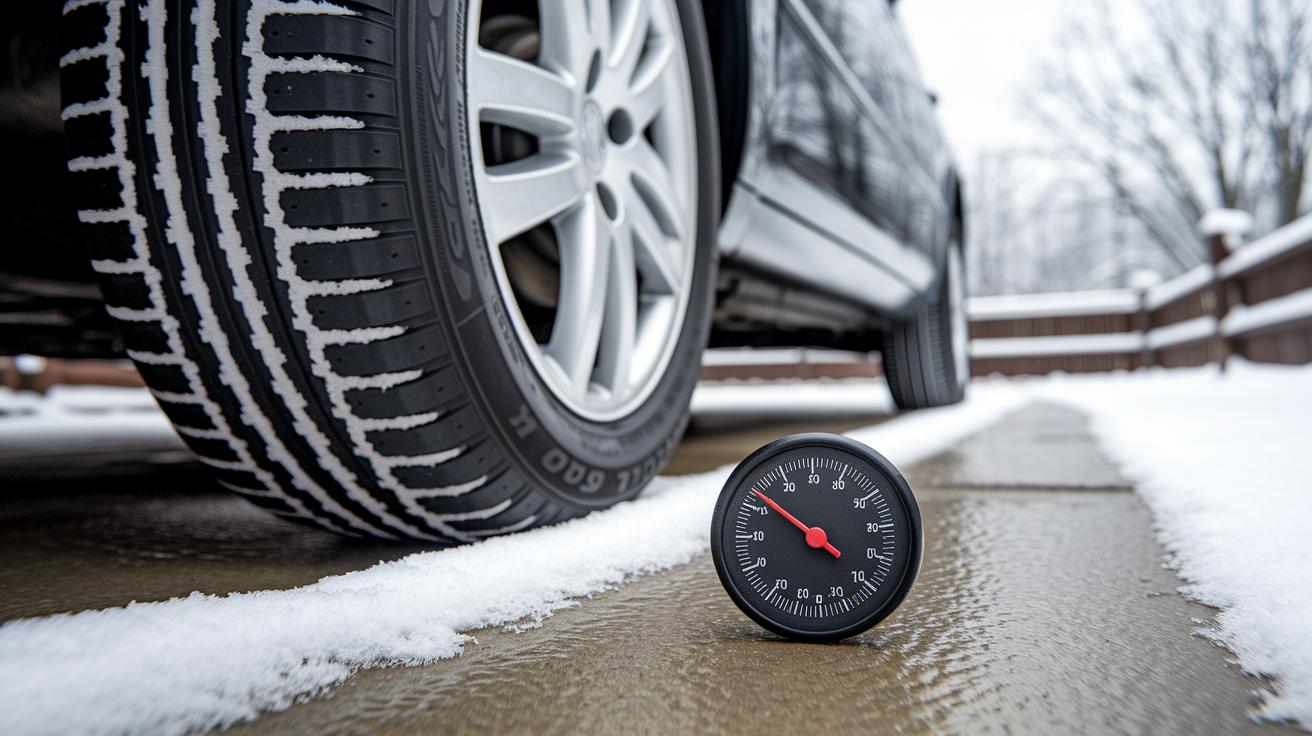
When the seasons change, your tires can wear out in different ways. In winter, salt and slushy roads might cause your tires to wear faster than usual. That’s why many drivers rotate their tires every 5,000 miles when it’s colder. And when summer heat softens the tire's rubber (the tough material that holds your tread), it's a smart idea to check your tread depth more often.
If you find yourself driving on gravel or off-road, your tires can lose their grip quicker. A quick look after rough use can help catch any damage early.
Here are a few easy tips to keep your tires in top shape:
- In winter, rotate your tires a bit more often because salt and slush speed up wear.
- In summer, check your tire tread regularly since heat can make the rubber more prone to wear.
- When driving on rough roads like gravel, inspect your tires after tough use and rotate them as needed.
Changing your tire rotation schedule with the seasons keeps your tires balanced and helps extend their life. Manufacturers often suggest switching patterns when you change between winter and summer tires. When you adapt your tire care routine to fit the climate and road conditions, you get a smoother, safer ride all year round.
Professional Guidelines and Common Pitfalls in Rotation Strategy

DIY rotations can sometimes lead you down the wrong road. When you skip scheduled rotations or use the wrong pattern, it puts extra strain on certain tires and makes them wear unevenly. Even little things, like forgetting to check the tire pressure (that’s how full your tires are), might go unnoticed until a bigger problem pops up.
When you let the experts take over, they use special torque wrenches and alignment tools. This means every tire gets an even share of the work, keeping them all balanced. Trusting a pro not only follows your car’s manual but also helps you dodge common mistakes.
- Skipping scheduled rotations
- Using an incorrect rotation pattern
- Neglecting to check tire pressure
- Ignoring vehicle-specific guidelines
Industry standards say all tires should stay within a 2/32-inch tread depth difference. This rule makes sure each tire grips the road in a similar way so your handling stays consistent. By sticking with the manufacturer’s advice and letting experts handle things, you protect your tires, boost your vehicle’s safety, and enjoy a smoother ride.
Final Words
In the action, we broke down the basics of rotating tires for even wear and boosted vehicle performance.
We looked at how each section explains rotation patterns, wear analysis, scheduled intervals, predictive tools, and seasonal tweaks.
Each tip reinforces the need for careful tire care, from the road to the shop.
Keep using optimizing tire rotation strategies for extended tread life, and enjoy a smoother, more confident ride every time you hit the road.
FAQ
Q: What is the 7 7 rule for tires?
A: The 7 7 rule for tires means you should consider replacing or servicing tires if the tread depth falls to roughly 7/32 of an inch, ensuring safe traction and performance on the road.
Q: What is the 3% rule for tires?
A: The 3% rule for tires means if a tire’s tread wears unevenly by more than 3% compared to others, it’s time to realign or rotate your tires to promote even wear and safe performance.
Q: Will rotating your tires regularly help to extend tire life?
A: Rotating your tires regularly definitely extends tire life by ensuring even wear, boosting traction and handling, and reducing overall wear on each tire.
Q: How to make tire tread last longer?
A: Making tire tread last longer involves regular tire rotation, maintaining proper tire pressure, and monitoring tread wear, which helps improve grip, safety, and overall tire performance.

