


Ever thought your tire gear might be slowing you down? A solid tire changer can turn a 30-minute job into just a few minutes.
When you have the right tools, your work feels smoother and safer, like riding on a quiet road. This guide shows you how choosing the proper equipment speeds things up and keeps your shop running stress-free.
Sometimes, it really pays off to invest in a tire machine that makes sure every wheel gets top-notch care. Isn't it nice when a little upgrade makes such a big difference?
Essential Guide to Choosing the Right Tire Installation Equipment
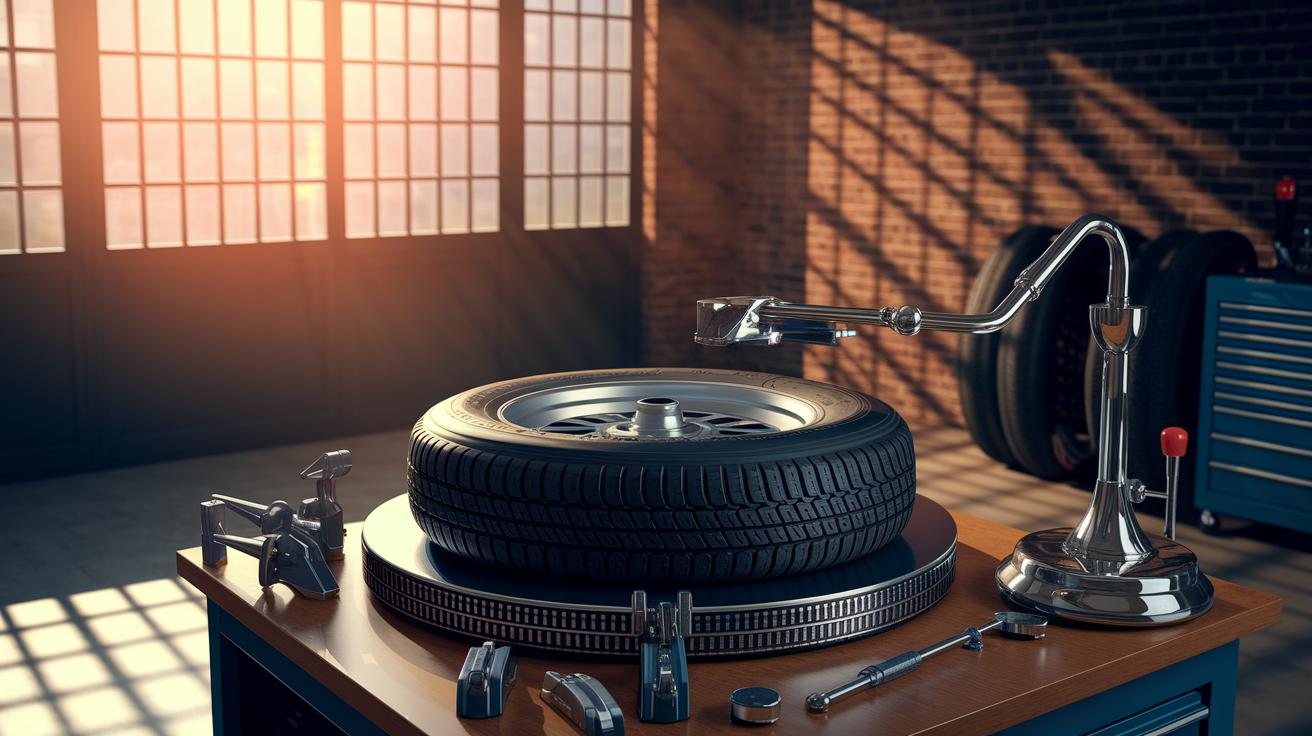
When you use the right tire machine, your work becomes a lot faster and easier. A good tire changer can cut a job that once took 30 minutes down to about five minutes. That means less busy work, less strain, and a much safer way to handle tires and rims. In a busy shop, the right setup makes every tire change smooth and safe.
These tire machines come with a few important parts that make the process efficient. They include a turntable with firm clamps to keep the wheel steady, a bead breaker (a tool that helps loosen the tire’s grip) to get things started, a mount/demount arm with a duckhead for gentle handling, foot pedals with easy controls, and an air inflation system to set the tire at just the right pressure. Every one of these parts works together to protect both the tire and the rim.
Prices for tire installation equipment cover a wide range. You can choose a simple manual stand for around $50 to $300 or a heavy-duty truck setup that might cost between $5,000 and $15,000. Most entry-level powered machines and mid-range commercial ones fall in the $1,000 to $3,000 bracket, while high-end professional models are usually priced from $3,000 to $7,000. In fact, the market for tire changers is expected to grow from $610.2 million in 2024 to $928.2 million by 2032 – a sign of how much value these tools bring.
In the end, the best tire installation equipment strikes a balance between safety, performance, and cost. When you see the benefits of quick tire changes along with solid parts like a high-torque turntable and built-in air systems, it’s clear that investing in the right machine really pays off. This careful choice helps shops stay productive, reduce downtime, and keep every wheel in top shape.
Comparing Tire Installation Equipment Types: Mounting Apparatus Overview

Finding the right tire changer for your shop can really smooth out the process and keep things safe. Every type brings its own mix of costs, ease-of-use, and performance, much like choosing the perfect tool from your garage. Ever notice how one simple tool can make your work feel a lot lighter?
Manual Tire Changers
Manual tire changers keep it simple with a basic steel frame, so you handle lifting the tire off the rim by hand. They usually cost less than $300, making them a great choice for home garages or tiny shops with light tire-changing needs. With fewer moving parts, you rely on your own strength and effort. There’s something satisfying about using a simple, proven method that you control every step of the way.
Semi-Automatic Tire Changers
Semi-automatic tire changers step it up with a powered turntable that helps spin the wheel for faster mounting and demounting. These machines typically range from $1,000 to $3,000. While you still break the tire bead manually (that’s when the tire meets the rim), the powered rotation cuts down on the heavy lifting. It’s like having a helpful buddy around, making them perfect for small to medium shops that need a bit of extra ease.
Fully Automatic Tire Changers
Fully automatic machines cover almost everything for you. They take care of bead breaking, use a duckhead (a tool for gentle tire mounting) to ease on the tire, and even manage inflation. Costing between $3,000 and $7,000, they fit busy shops that demand speed and consistency. These changers shrink cycle times and take the physical strain off your hands, so you can focus on getting the job done quickly.
Swing-Arm Tire Changers
Swing-arm models use a moving arm design that’s just right for low-profile rims. With strong clamps and better mount heads, these machines handle both the tire and the wheel with care. Their price might match or even exceed that of semi-automatic changers. They’re best in situations where accuracy and protecting your rim are the top priorities.
Durability is key when choosing a wheel changer. Think about pneumatic mounting machines, known for their tough build and steady performance even in a busy shop. Investing in quality equipment really pays off with less downtime and more reliable operation every day.
Safety Standards and Performance Metrics in Tire Installation Equipment
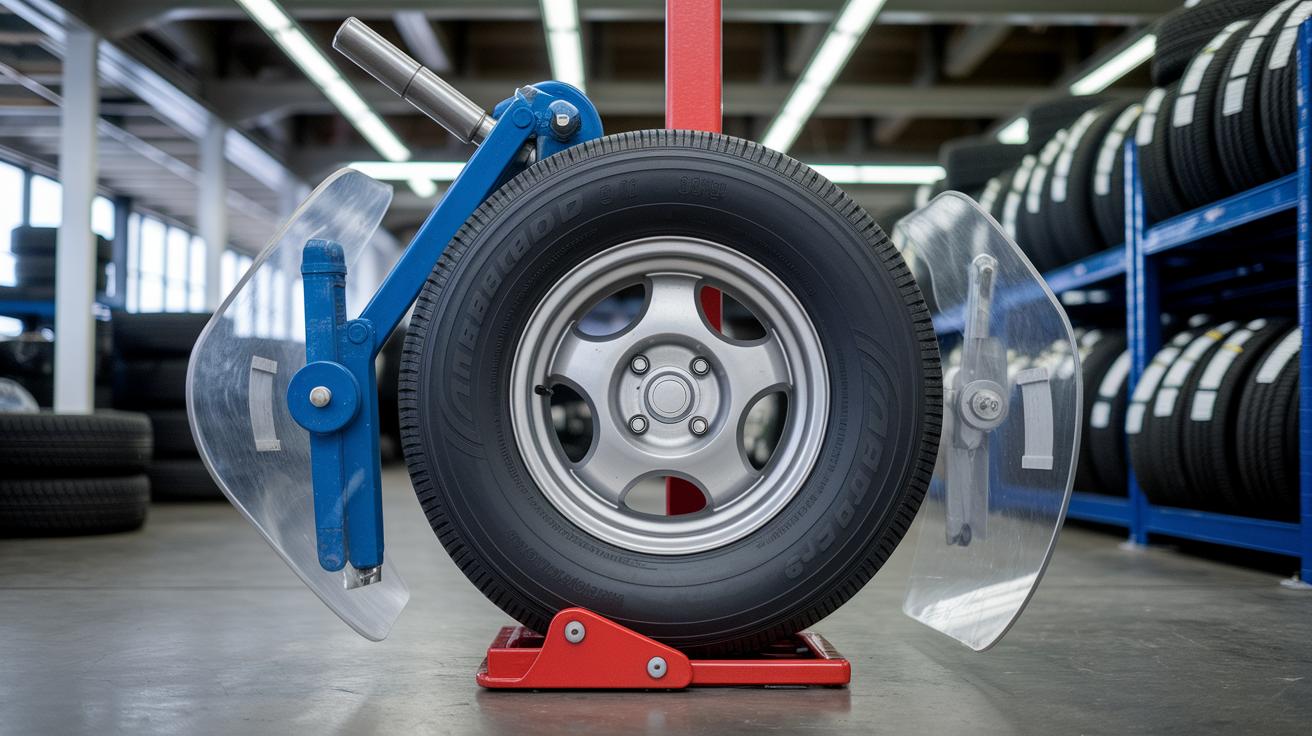
When you're setting up for a tire change, safety always comes first. Most machines come with a sturdy bead breaker that helps loosen the tire bead (the part that holds the tire to the rim), a handy bead blaster for controlled bursts of air, and solid guard shields to protect both the operator and the rim. These features work together to keep everyone and everything safe during each change.
Performance numbers are just as important. You might see figures like the turntable torque rating, which tells you how firmly the tire is held; the clamp force; and the cycle time per wheel, all of which show how reliable and speedy the machine is. A gearbox that needs little to no maintenance means fewer unexpected stops, and extra features like foot-pedal covers and emergency stop switches give you that added peace of mind.
| Feature | Benefit |
|---|---|
| Rigid bead breaker | Helps detach the tire bead safely |
| Hand-held bead blaster | Delivers controlled air where it’s needed |
| Guard shields | Keeps users protected from accidental contact |
| High turntable torque rating | Ensures a steady hold on the tire |
| Emergency stop switches | Quickly cuts power if something goes wrong |
Certification and regular upkeep are key to keeping things running smoothly. Choosing machines that have been tested by trusted organizations for safety and performance helps build confidence in every tire change. Combined with consistent operator training and routine audits, these practices ensure that your equipment stays safe, efficient, and reliable every time you hit the road.
Cost Analysis and Maintenance Guidelines for Tire Installation Equipment
If you're setting up a tire installation station, extra charges like shipping and installation might catch you off guard. For example, shipping a heavy machine that weighs between 500 and 900 pounds can add anywhere from $200 to $500 to your bill. It's smart to weigh the upfront cost against the equipment's lifespan so you get the best deal without breaking your budget.
| Equipment Type | Cost Range | Maintenance Interval |
|---|---|---|
| Manual | $50–$300 | Clean after each use |
| Entry-Level Powered | $1,000–$1,500 | Lubricate monthly |
| Mid-Range | $1,500–$3,000 | Inspect safety features monthly |
| High-End | $3,000–$7,000+ | Scheduled comprehensive checkups |
Regular upkeep is the secret to keeping your equipment safe and running smoothly. It helps to clean your tools after each job, lubricate moving parts once a month, and check safety features on a regular basis. This routine care prevents problems like issues with bead seating (where the tire meets the rim) or clamp problems that can lead to costly repairs.
Also, think about warranty options and after-sales support when you're weighing your choices. A strong warranty and dependable seller support can give you peace of mind and help avoid surprise expenses down the road. By choosing the right equipment and keeping up with its maintenance, you'll stay productive and enjoy a setup that performs at its best every time.
Key Features and Ergonomic Design in Tire Installation Equipment

When you’re working with tire installation machines, feeling comfortable makes all the difference. A well-thought-out design helps cut down on effort and keeps you safe while you work. For instance, a clever design without a lever helps protect the rim (that’s the outer edge of your wheel) and avoids awkward hand positions. It’s a friendly setup for both you and the vehicle.
- Sensor integration that automatically seats the tire bead (the edge of the tire) during work.
- Remote diagnostics that help cut down on downtime.
- Hands-free inflation guns that ease the pressure work and reduce fatigue.
- Leverless duckhead design that protects the rims and keeps the operation safe.
- Automated calibration working with shop management systems to boost precision.
These smart features do more than just keep you safe; they make your work run more smoothly. By simplifying the usual, repetitive tasks, you can finish tire installations faster and with less physical strain. The smart use of sensors, remote diagnostics, and auto-calibration turns a tough job into an efficient process. With less waiting around and better accuracy, repair shops can handle more vehicles without losing quality. It’s like turning a tough uphill drive into a smooth ride from start to finish.
Operator Training & Installation Instructions for Tire Installation Equipment
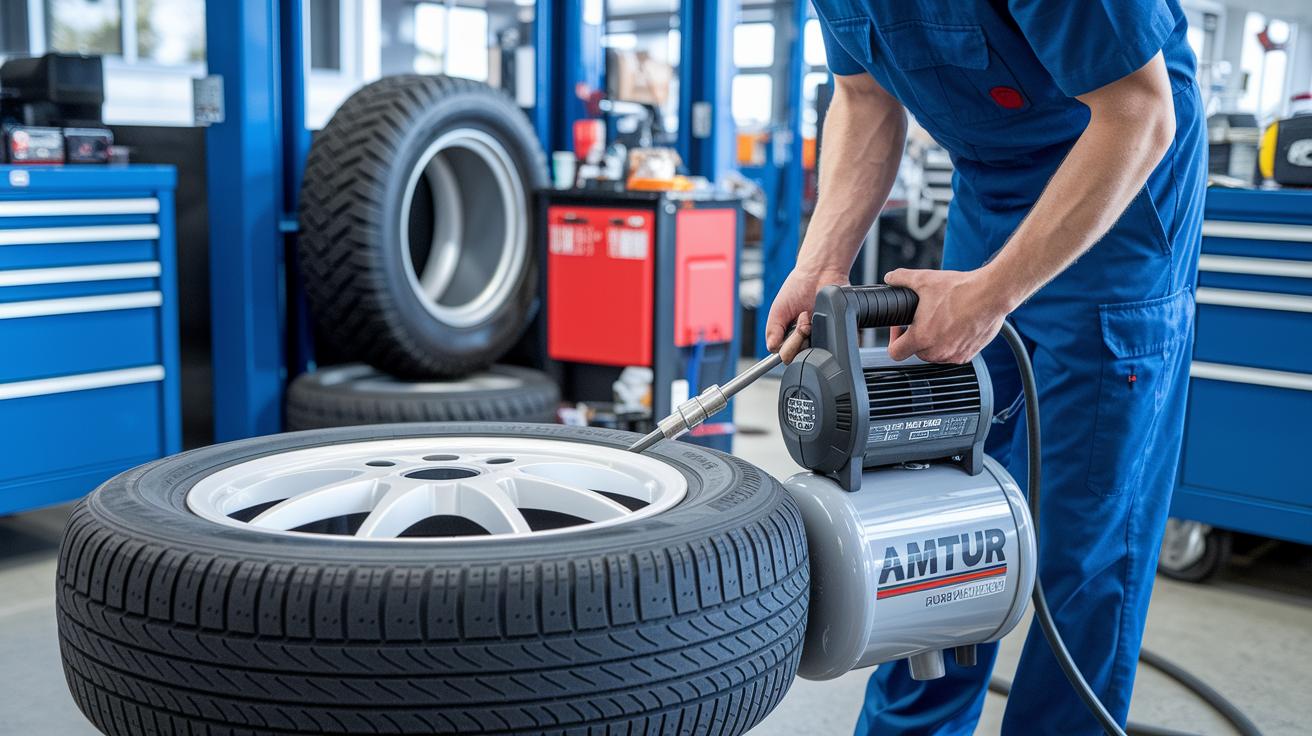
First, check that your machine is powered up and that the air compressor is connected. This simple step helps you avoid any surprises later, setting you up for a smooth ride.
Next, gather all your tools. Attach the bead breaker and duckhead, and make sure you have everything you might need like tire mounting lube, a valve-core tool (which helps remove the valve core), and plastic jaw covers. Think of this like picking up all your supplies before starting a project.
When you're ready to break the tire bead, take it slowly and steadily. This lets the tire loosen its hold on the rim so it can be removed without any trouble. Clamp the rim with just a bit of pressure, especially if you're working with alloy wheels that need a gentler touch.
After taking the old tire off and applying the lube, put the new tire on. Finally, seat the bead at the recommended PSI (pounds per square inch) to finish the job right.
Top Picks & Expert Tips for Choosing Tire Installation Equipment

- PSE-TC900 – Great for 10"–20" wheels on cars and light trucks; a reliable pick for everyday work.
- PSE-TC960 – Comes with a wider clamping range and special alloy-safe jaws (designed to protect unique wheel finishes), making it perfect for shops handling different styles.
- PSE-TC980 – Made for busy shops, it uses smart bead-breaking tech (a method to help loosen the tire from the rim faster) so you can work more quickly.
- PSE-TC983 – Features a leverless head for a truly safe ride, especially great for low-profile and exotic rims.
- Katool KT-T800 – A trusted choice for your home garage, priced around $1,200 for efficiency without a big expense.
- Triumph NTC-950 Series – A flexible option for smaller commercial setups, blending ease of use with steady performance.
When choosing tire changing equipment, it helps to match the machine to your shop’s workload and the tire sizes you work with. If your shop mostly handles everyday cars and light trucks, the PSE-TC900 might be the right fit. But if you often work on specialty wheels, models like the PSE-TC983 or PSE-TC960 can offer the care you need. It’s like picking the perfect tire for a long drive, the right tool makes your journey smoother.
Good support after your purchase is a must. Compare seller support and be ready for extra shipping costs of about $200 to $500. A reliable warranty and timely customer service mean that if any hiccups come up, you’re covered. This kind of thinking can really save you time and money while keeping your shop running smoothly.
Final Words
In the action of this guide, we explored tire installation equipment types, safety tips, cost analysis, and key features that boost performance. We covered everything from basic manual setups to advanced automated options.
Choosing the right tire installation equipment means thinking about safety, efficiency, and how it fits your needs.
With solid advice and clear cost comparisons, you now have the tools to make smart choices and keep your vehicle running smoothly. Here's to a safe ride and confident selections ahead.
FAQ
How do tire installation equipment reviews and cost help me choose the right machine?
The reviews and cost details guide you by sharing real user experiences and pricing ranges. They help match your equipment needs with your budget, ensuring safety and efficiency during tire changes.
What is the best tire changer for a home garage?
The best home tire changer offers ease of use, compact design, and affordability. It speeds up tire changes while safely handling a variety of small to medium-sized wheels, making DIY maintenance simpler.
How does a quality tire machine and balancer improve performance?
A good tire machine and balancer reduce change time and boost efficiency. They provide secure mounting and precise balancing, which means smoother rides and less frequent equipment downtime.
What are the key differences among Coats tire changer models?
Coats models vary in features and capacity. For instance, the Maxx 50 suits lighter vehicles, the APS 3000 offers a leverless tilt-back design, and the CHD-6330 is built for truck tires, each designed for specific service needs.

