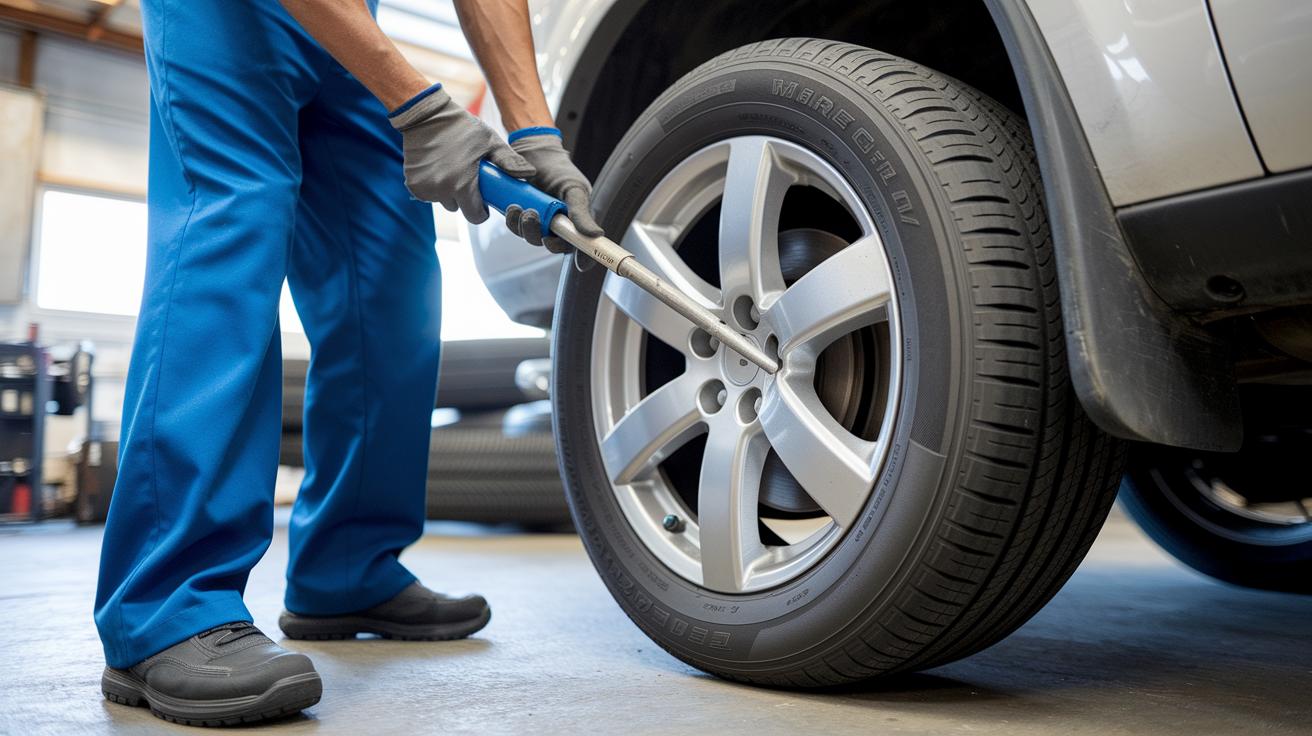


Ever wondered if skipping a tire rotation could end up costing you more than just a bumpy ride? When you stick to your car maker's mileage tips, your tires stay balanced and your warranty stays in good shape. Think of your car as a team where every tire gets its turn to work hard. If you miss these check-ups, you might end up with tires that wear unevenly and even face a warranty rejection. Curious to learn some simple tips that protect both your ride and your pocket? Let's dive in together.
Tire Rotation Requirements to Preserve Your Warranty

Hey there, let's chat about keeping your tire warranty in check by sticking to the manufacturer's advice. Most warranties ask for tire rotations every 5,000 to 7,500 miles, and if you skip one, you might end up losing your coverage. For example, new tires should be rotated around the 5,000-mile mark so they wear evenly and keep that smooth ride you love.
It's really about following the mileage markers and rotation patterns in your owner’s manual. When you stick to these guidelines, you're showing that you’re taking good care of your vehicle. Plus, keeping a record of your service, like saving those receipts or jotting down your rotation dates, can really back you up if there's ever a question about your warranty.
Here’s a quick look at the key points:
| Tip | Details |
|---|---|
| Rotation Frequency | Every 5,000 to 7,500 miles |
| New Tires | Rotate around 5,000 miles |
| Follow Manufacturer’s Pattern | As recommended in your owner’s manual |
Keeping up with these simple steps not only promotes even tire wear and boosts overall vehicle performance but also defends your investment in road safety. It’s a small effort that goes a long way in protecting your ride.
Optimal Tire Rotation Intervals and Patterns for Even Wear
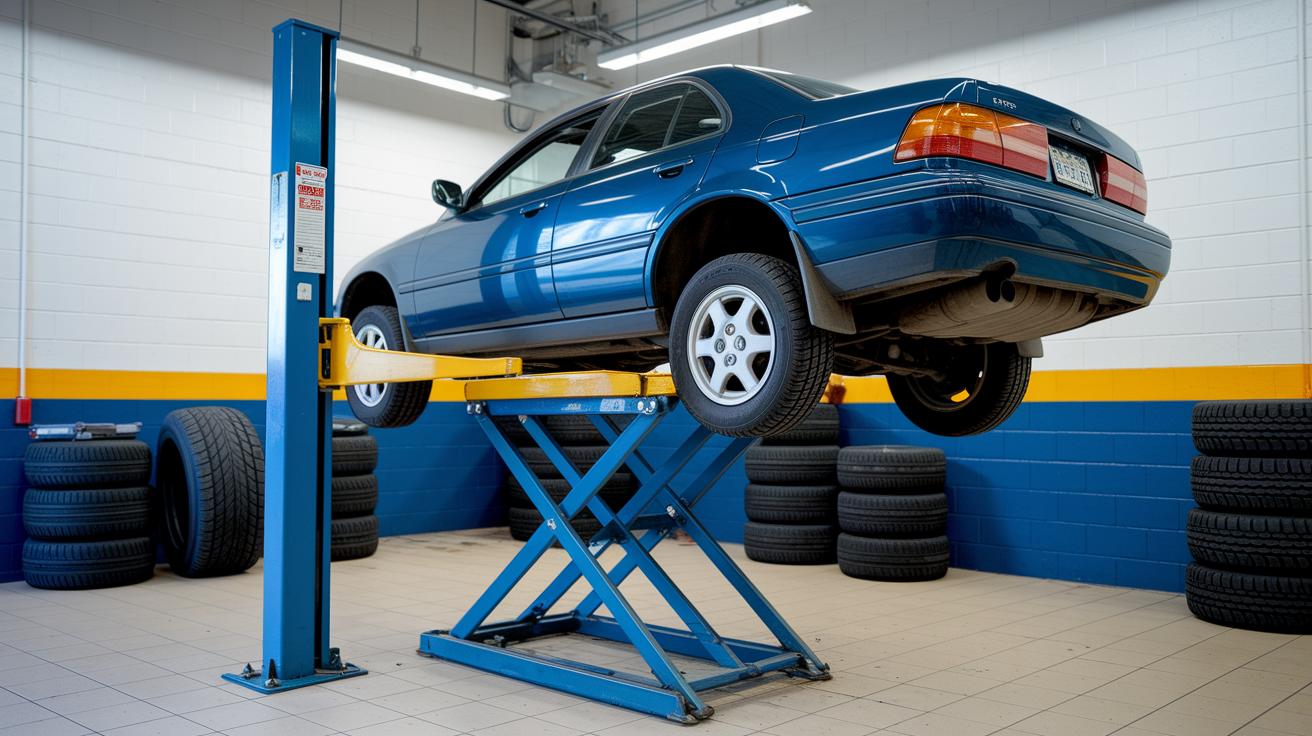
Keeping your tires in good shape is easier when you stick to the right rotation schedule. Most car makers say to swap your tires every 5,000 to 7,500 miles, but your owner's manual is the best guide. Rotating your tires means moving them around based on whether your car is front-wheel drive, rear-wheel drive, all-wheel drive, or four-wheel drive. This simple move helps each tire wear evenly, so your car handles better, stops safely, and even uses fuel more efficiently.
Here are some common rotation patterns:
- Front-to-Back: Great for directional or staggered-fit tires. It keeps a steady grip on the road.
- Front-to-Rear & Cross Swap: Works best on front-wheel-drive cars with non-directional tires. It shifts wear smoothly.
- X-Pattern (Diagonal Swap): Perfect for all-wheel drive or four-wheel drive cars with matching tires. It helps balance the load.
- Side-to-Side (Lateral Swap): Best when you’re using a full-size matching spare, letting all tires see similar road wear.
| Rotation Pattern | Best For |
|---|---|
| Front-to-Back | Directional or staggered-fit tires for a consistent grip |
| Front-to-Rear & Cross Swap | FWD cars with non-directional tires for smooth wear |
| X-Pattern (Diagonal Swap) | AWD/4WD vehicles with matching tires for balanced load |
| Side-to-Side (Lateral Swap) | Vehicles with a full-size spare to ensure similar road wear |
Reminder: Avoid common tire rotation mistakes.
Choosing the right rotation method is key to keeping your tires working their best. Not only does a proper rotation extend tire life, but it also helps your car perform smoothly. Stick with the mileage guidelines and the method that fits your drive type, and you'll enjoy a reliable, steady ride every time you hit the road.
Identifying and Preventing Uneven Tire Wear Issues
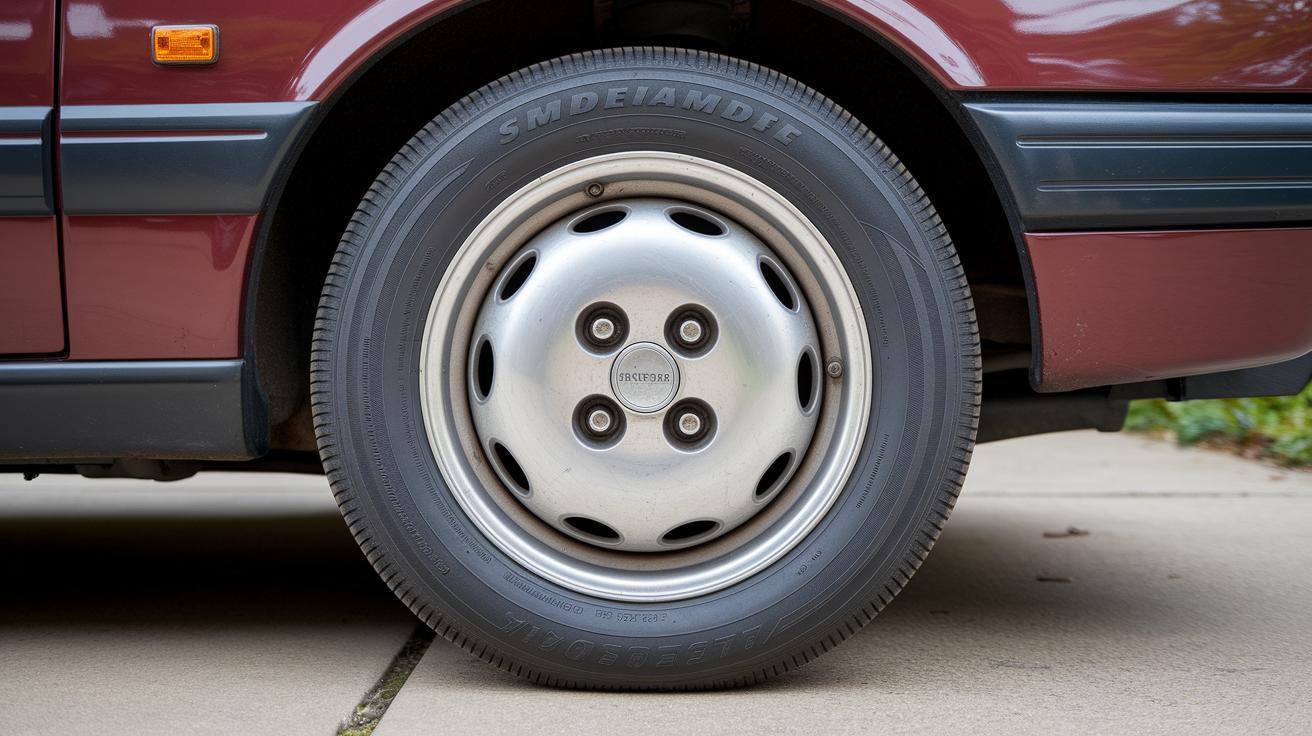
When you notice center wear, it means the middle of your tire isn’t holding grip well. This often happens if your tire is pumped with too much air (overinflated) or if your wheels aren’t lined up right. It can make your car feel a bit wobbly on the road. On the flip side, shoulder wear affects the edges of your tire, usually because your vehicle isn’t balanced properly. Checking your tires regularly can help you catch these early signs before they turn into bigger issues.
Then there’s cupping wear, which shows up as bumpy dips and rises on the tread. This might be a sign that your tire is out of balance or that your suspension parts are wearing down. And when one side of the tread is a little more worn than the other, that’s called feathering, which can point to alignment problems. A routine check, like using a radial wear diagnosis (a simple way to spot these patterns), acts like an early warning system to stop your tires from wearing out too soon.
Rotating your tires means swapping them around so that each one gets a turn. This helps even out the load across your tires so that no single tire deals with too much stress all the time. When you rotate them, you’ll likely notice a smoother, safer ride because every tire shares the burden equally.
Integrating Alignment and Inspection with Tire Rotation Service

When you get a tire rotation, our friendly technicians also check your car’s alignment. They look for signs like a gentle pull to one side or uneven tire wear (which might mean your wheel tilt, called camber, or the direction your tire points, known as toe, is off). Catching these little issues early not only makes your ride smoother but also helps protect your tire warranty by stopping extra wear and tear.
A proper tire rotation is much more than just swapping wheels. Our team checks the tire pressure against the car maker’s guidelines, measures the tread depth to see if the wear is even, and inspects the sidewalls for any cracking or bulging. They even look under the car at the suspension joints and other parts to spot any unusual wear. These regular checks help catch problems before they grow, keeping your ride safe and your tires in great shape. In the end, combining these careful inspections with tire rotation means you get lasting performance and improved safety on the road.
Documenting Tire Rotation Service to Protect Your Warranty

Keeping a neat record of your tire rotations helps keep your warranty safe. Saving service receipts, stamped logs, and clear odometer photos proves you're following the car maker's suggested schedule. It shows you did your part, so any warranty questions can be cleared up easily.
After each tire rotation, jot down the date and your car's mileage. Ask your technician for a stamped service log, and snap a quick picture of your odometer. Saving these details in a notebook or digital file is a smart move, you won't have to worry about any mix-ups later on.
Staying organized with your repair records isn’t just about tracking maintenance. It also helps protect you if a warranty claim issue ever comes up. Plus, it gives you a clear picture of your vehicle's upkeep costs over time. A little extra note-taking now can save you big trouble and expense down the road.
Combining Tire Rotation with Comprehensive Maintenance for Durable Tire Life

Tire rotation isn’t just about even tread wear, it’s a big part of keeping your car in tip-top shape. When you mix regular tire rotations with simple checks like noting the tire pressure (that is, how full your tires are) and keeping a record of rotation dates, your car can run smoother and even use less fuel. In fact, some vehicles have seen up to a 15% boost in fuel economy with this kind of care.
Mike, a tire specialist, puts it plainly: "When tire rotations are part of a full maintenance routine, you’re not only keeping your warranty safe but also saving money over time. A set of well-kept tires can help you avoid extra repair costs." One local fleet manager even managed to save over $500 per vehicle each year by sticking to this routine.
Here are a few handy tips to keep your vehicle running well:
- Write down the dates when you rotate your tires and check their pressure.
- Look for uneven wear on your tires; this might be a sign of other issues.
- Follow your car manufacturer’s advice, but feel free to adjust the rotation schedule based on your driving habits.
| Tip | Benefit |
|---|---|
| Record Keeping | Helps you see improvements and save money |
| Pressure Checks | Keeps your engine from working too hard |
Ever notice that a simple routine like this can save over $500 a year per vehicle? It’s a neat way to protect your ride and your wallet.
Final Words
In the action, we covered everything from recommended rotation intervals and proper patterns to spotting uneven wear. We explained how keeping service records and pairing alignment checks with rotations helps protect your warranty.
Tire rotation paired with routine inspections not only evens out tread wear but also boosts performance and safety. Follow tire rotation: maintenance tips for preserving tire warranty, and you'll be set for a smoother, safer ride ahead.
FAQ
What are tire rotation maintenance tips for preserving your tire warranty?
Tire rotation maintenance tips for keeping your warranty valid involve following the manufacturer’s recommended intervals (usually 5,000–7,500 miles) and keeping records of all rotations.
What is a proper 4-tire rotation?
A proper 4-tire rotation moves all tires to different positions following your vehicle’s guidelines so that each tire wears evenly, which helps maintain performance over time.
How many miles should you ride between tire rotations?
The mileage between tire rotations is often 5,000 to 7,500 miles, which helps keep wear even and meets warranty requirements by following manufacturer suggestions.
How should I rotate SUV tires?
Rotating SUV tires works similarly to other vehicles; using the correct rotation pattern and staying within recommended mileage intervals will keep tires balanced and maintain their warranty.
Can or should you rotate tires side to side?
Rotating tires side-to-side can be done based on your tire type and vehicle design, but it’s best to follow your owner’s manual to choose the most effective pattern.
What rotation pattern is recommended for Michelin Pilot Sport 4S tires?
Michelin Pilot Sport 4S tires usually come with specific rotation guidelines in the manual, and following those instructions keeps the tires performing well and protects the warranty.
How do you safely rotate tires?
Safely rotating tires involves using proper tools, carefully lifting the vehicle, following recommended jack points, and checking all mounting details to avoid mishaps.
How often should you rotate tires to keep your warranty intact?
The frequency to rotate tires for warranty purposes is typically every 5,000 to 7,500 miles, as recommended by most manufacturers to maintain even tread wear.
What is the 3% rule for tires?
The 3% rule for tires means that if the tread depth varies by more than 3% across tires, it may indicate uneven wear and is a signal to check for issues like misalignment.
How do you keep tires from dry rotting in storage?
Keeping tires from dry rotting in storage involves storing them in a cool, dry spot away from sunlight and rotating them occasionally to avoid long-term exposure in one position.
How can you maintain your tire warranty?
Maintaining a tire warranty means having regular rotations, alignment checks, and keeping thorough records of service and mileage to show the tires have been properly cared for.

