


Ever get a little jolt right after new tires go on? It might be that your tires are not balanced, your wheels are out of line, or maybe one tire isn’t doing its job well (meaning the tire is causing a rough shake). Instead of stressing about it, why not take a quick drive to see if the shake gets worse when you speed up?
In this chat, we’ll talk about why your car might be trembling and share some simple fixes to bring back a smooth ride. Stick around, and we’ll cover the common causes and easy ways to fix vibration issues after your new tires are on.
Resolving Vibration Issues After Tire Installation

Sometimes right after you get new tires, you might notice your car shaking. This can happen because the tires aren’t balanced (the weight isn’t spread out evenly), the wheels are misaligned, or one of the tires might be defective. When you’re driving fast, around 65 to 70 miles per hour, this shaking could be a sign that there’s an imbalance. And if your car shakes at slower speeds, like 40 miles per hour, it might mean one tire isn’t perfectly round or has a defect that could be covered by a warranty.
The best way to start figuring out what’s wrong is to take a short, careful test drive. Pay close attention to when the vibration first kicks in. Does it start right as you drive off the lot? Jot down what you notice, including the speeds where the shaking gets worse.
A simple checklist can help:
| Step | What to Do |
|---|---|
| 1 | Check your tire pressure (make sure it’s set as the manufacturer suggests) |
| 2 | Notice if the vibration is stronger at highway speeds compared to lower speeds |
| 3 | See if the shaking is felt more in the steering wheel or throughout the whole car |
This list can help you figure out if the issue is from a balancing error during installation or a real defect in the tires. Next, take a look at the tire’s surface. If you spot unusual wear on part of the tire, especially on the shoulder, it might be a clue that the wheels are not aligned correctly.
By keeping track of when the vibration begins and at what speeds it happens, you have a handy guide to share with your tire technician. This method can really help narrow down the cause of the shaking and get you back on the road safely.
Diagnosing Imbalance with Precision Balancing Methods
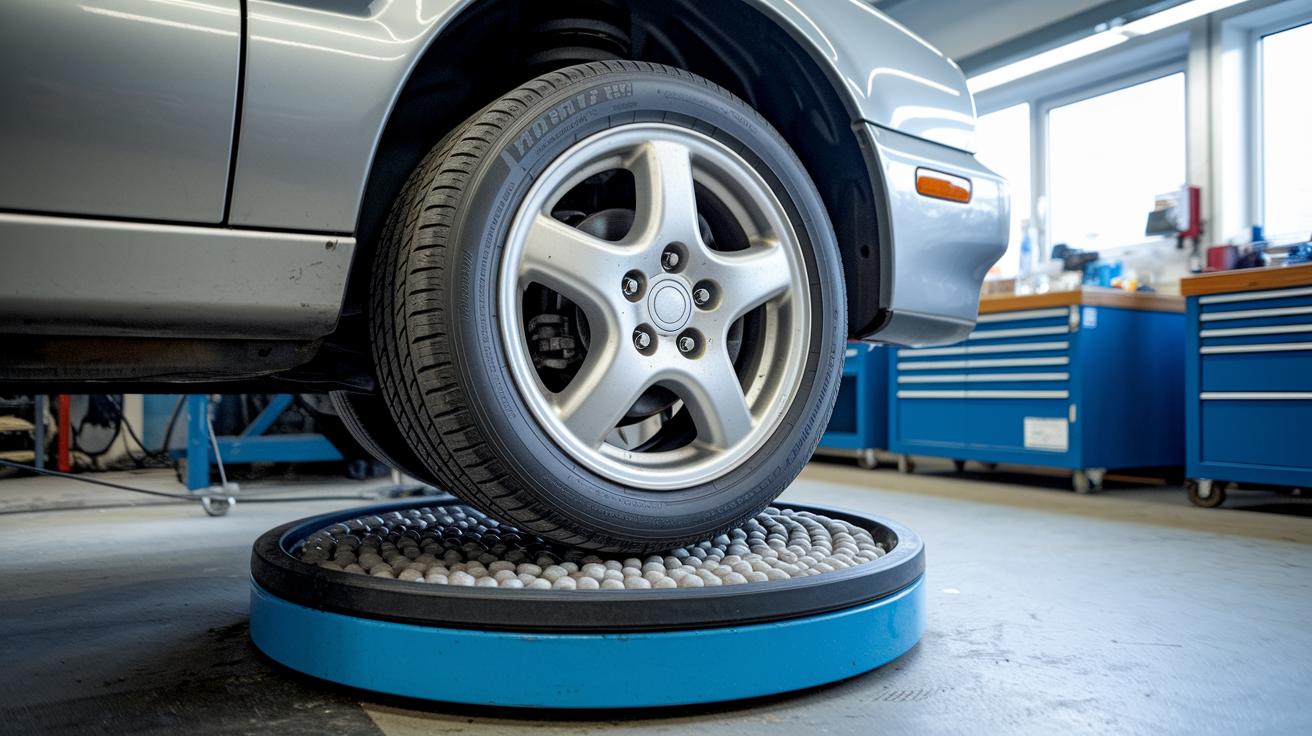
When your car starts shaking after new tires go on, it might mean the balance isn’t right. The usual spin balancing checks if the weight is spread out evenly when the tire spins, but it can miss if the tire isn’t perfectly round (this is called lateral runout). Road-force balancing, however, looks at both the roundness and side-to-side wobble, catching problems that the basic check might skip.
Sometimes, high-tech methods even use tiny beads inside the tire that move around to fix any weight changes on the fly. Modern machines now tell you exactly where extra weight sits and how much the tire or wheel is off, so the fix goes straight to the trouble spot. It’s a neat way to clear out any vibrations and keep your ride smooth.
If you ever wonder just how different these methods are, you can learn more by checking out what to expect during a tire installation process at tityres.com?p=1404. Asking for a road-force balancing job can help you avoid those annoying shakes, making your drive safer and a lot more comfortable.
Diagnosing Installation Errors: Wheel Misalignment, Runout & Fastener Torque

When you put on new tires, even small mistakes in installation can cause your ride to shake. One common issue is wheel misalignment. This means the wheels aren't pointing straight, which can make one part of the tire wear out faster than the other. When you see uneven wear, like one shoulder looking different, it might be because the wheels weren't lined up right during mounting. This misalignment makes the tires push extra force on the road.
To check for these issues, technicians use dial indicators. These are simple tools that measure how perfect the tire’s round shape is and whether it wobbles side to side (radial and lateral runout). If the reading is above 0.010 inches, it usually means the tire or wheel needs fixing. Think of it like using a ruler to spot even a tiny bump, it can make your ride feel unstable.
Another problem can be improper rim seating. Dirt, debris, or rust on the hub face can stop the rim from resting evenly. This misfit causes a wobble that you might feel in the steering wheel. Keeping the hub clean and using tire mounting lubricant can help the tire bead (the edge of the tire that fits the rim) seat properly. That lubricant works like a helper, preventing leaks or lifts that can make the ride bumpy.
Fastener torque is also key. Lug nuts that are too loose can let the wheel move even a little, adding extra vibration as you drive. But if they’re too tight, they might warp the rotor. Usually, the right setting is between 80 and 100 ft-lbs, depending on your vehicle. Using a calibrated torque wrench until you hear that satisfying click means your wheel is locked in securely.
| Issue | Indicator & Remedy |
|---|---|
| Misalignment | Uneven tread wear; realign the wheels properly |
| Runout | Dial reading > 0.010 inches; fix the tire mounting |
| Improper Rim Seating | Dirt, corrosion; clean the hub and use mounting lubricant |
| Fastener Torque | Lug nuts too loose or too tight; set between 80–100 ft-lbs |
Taking care of these details can help stop the unwelcome vibrations and keep your drive smooth.
Evaluating Suspension and Steering Contributions to Shake
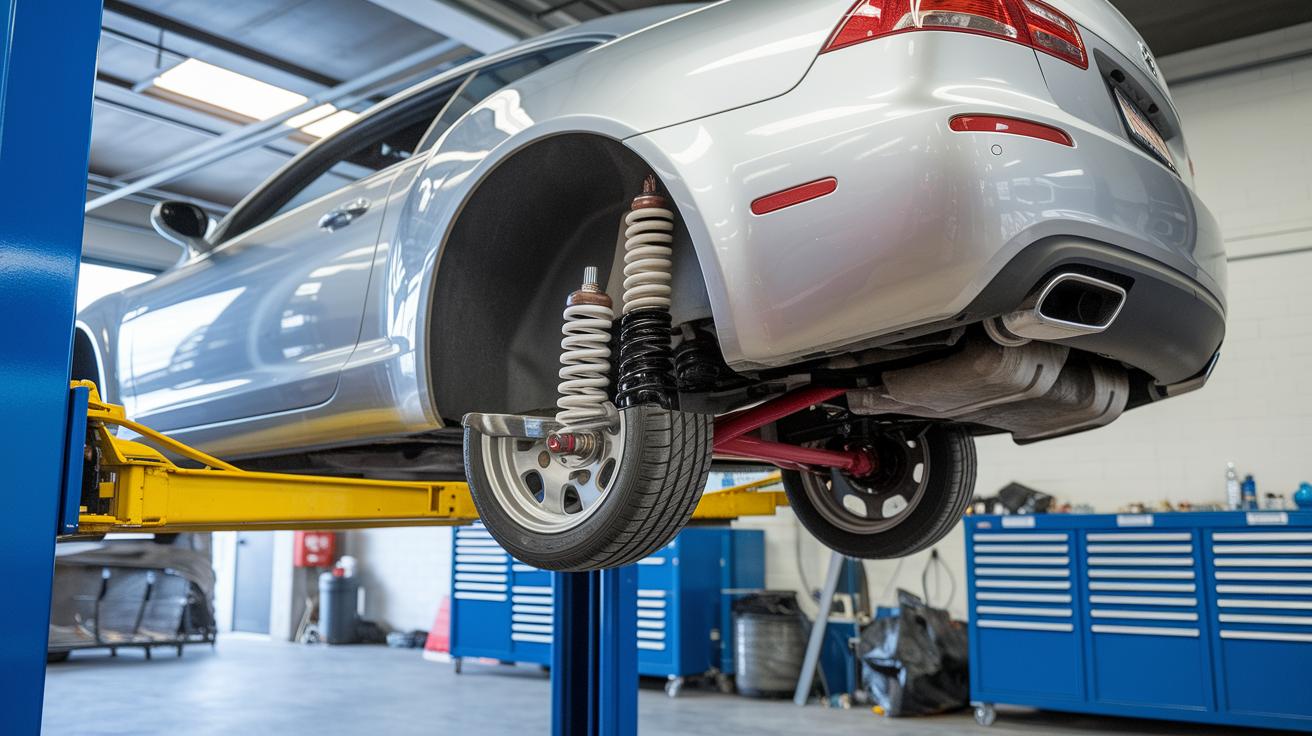
Even when your tires are in great shape, worn parts in your suspension or steering can make a tiny imbalance feel much worse. Parts like shocks (that cushion your ride), struts (which support the spring), control arms, or tie rods can turn a barely noticeable wobble into a clear shake. Ever feel a gentle quiver on a bump that then ramps up? That might be your car’s older parts working overtime.
Loose wheel bearings can also be to blame. If one is worn out, you might notice the steering wheel shimmying like the wheel itself is wobbling. It’s a bit like trying to tighten a bolt that just won’t hold, clear signs something needs a closer look.
Sometimes, the issue isn’t the tires at all. Problems with the drivetrain, like a driveshaft that's off balance or CV joints (the little pieces that let your wheels turn smoothly) that start to fail, can mimic tire vibration. Over time, these subtle imbalances grow into noticeable shaking, especially during turns.
Next, try this simple checklist to narrow down the issue:
| What to Check | Action to Take |
|---|---|
| Suspension & Steering Parts | Inspect shocks, struts, control arms, and tie rods for wear or damage. |
| Wheel Bearings | Test the steering response to check for any extra play. |
| Drivetrain Components | Have a technician examine the driveshaft and CV joints for imbalance. |
Implementing Long-Term Solutions and Maintenance Best Practices

It’s a smart idea to stick with a regular schedule of checkups and adjustments to keep those bothersome vibrations in check. For example, have your tires balanced and aligned every 6,000 miles or after taking a hit from a curb or pothole. Think of it like giving your tires a little tune-up so they keep a smooth, steady grip on the road. Also, keeping your tire pressure within the maker’s suggested range (say, 32–36 PSI) helps you enjoy a smoother ride and stops uneven wear that can cause shaking.
Using a written checklist can be super helpful to track any changes. You might jot down the speeds at which you notice vibrations, check that all fasteners are snug, measure any runout (uneven tire rotation), and keep an eye out for wear on your suspension or tires. This way, you can easily spot patterns and fix small issues before they grow into bigger problems. Fun fact: Before she became famous for her scientific work, Marie Curie once carried test tubes with radioactive material in her pockets, imagine if she had checked her own “maintenance” more carefully!
It also makes sense to follow proper installation steps every time your vehicle gets serviced. Make sure to check that all torque settings are right and that everything fits the vehicle's requirements. A few easy steps to remember are:
- Check tire pressure regularly
- Use a calibrated wrench to verify the torque on lug nuts
- Take note of any changes in how your ride feels or vibrations occur
By keeping detailed records of these checks, you have a handy guide for when your vehicle needs a tune-up. This regular routine can keep your ride smooth and help cut down on unexpected shaking, giving you a bit of extra peace of mind on every journey.
Final Words
In the action, we broke down how to spot faults, from wheel imbalance to installation errors, and even checked how suspension parts can add to a shake. We shared easy checks and care tips that keep your tires rolling safely. Remember to use a checklist and proper maintenance steps when handling vibration issues after tire installation: causes and solutions. Keeping your ride smooth is all about smart care and staying alert. Enjoy a safe, relaxed drive every time.
FAQ
What causes vibration issues after tire installation and how can they be fixed?
Vibration issues after tire installation are usually caused by wheel imbalance, improper mounting, or runout errors. Address these by checking tire balance, proper torque, and ensuring the tire is round.
How do vibrations during acceleration or at high speeds impact my vehicle?
Vibrations while accelerating or driving at high speeds often point to tire imbalance or mounting errors. Checking tire balance and wheel alignment usually resolves these shaking issues.
Why does my car shake when parked and what does that mean?
If your car shakes while parked, it might indicate an engine misfire or worn suspension parts. A quick diagnostic can help pinpoint the issue and avoid long-term damage.
What is the most common cause of vehicle vibration?
The most common cause of vibration is wheel imbalance, which happens when the tire’s weight isn’t evenly distributed, leading to an uneven spin.
Why might tires remain balanced yet still cause vibration?
Even balanced tires can vibrate due to factors like tire defects, misalignment, or issues in the suspension and steering systems that magnify small imbalances.
How do you get rid of tire vibration?
Getting rid of tire vibration involves checking for wheel imbalance, ensuring proper tire installation, inspecting runout and fastener torque, and performing regular maintenance checks.

