


Ever wondered if your tires could give you a little warning before a problem shows up? Imagine tires that keep an eye on your tire pressure, temperature, and even how fast the tire surface wears down (that's called tread wear) all at once.
Think about your fleet vehicles sending you real-time updates, almost like a friendly tap on your shoulder whenever something feels off. It’s like having a trusted buddy letting you know when it's time to check things over.
These smart sensors not only help make your rides safer, but they can also save you money by cutting down on fuel costs and expensive repairs. Smart tires really make a difference by keeping your fleet performing at its best.
How Smart Tires Boost Fleet Management Performance
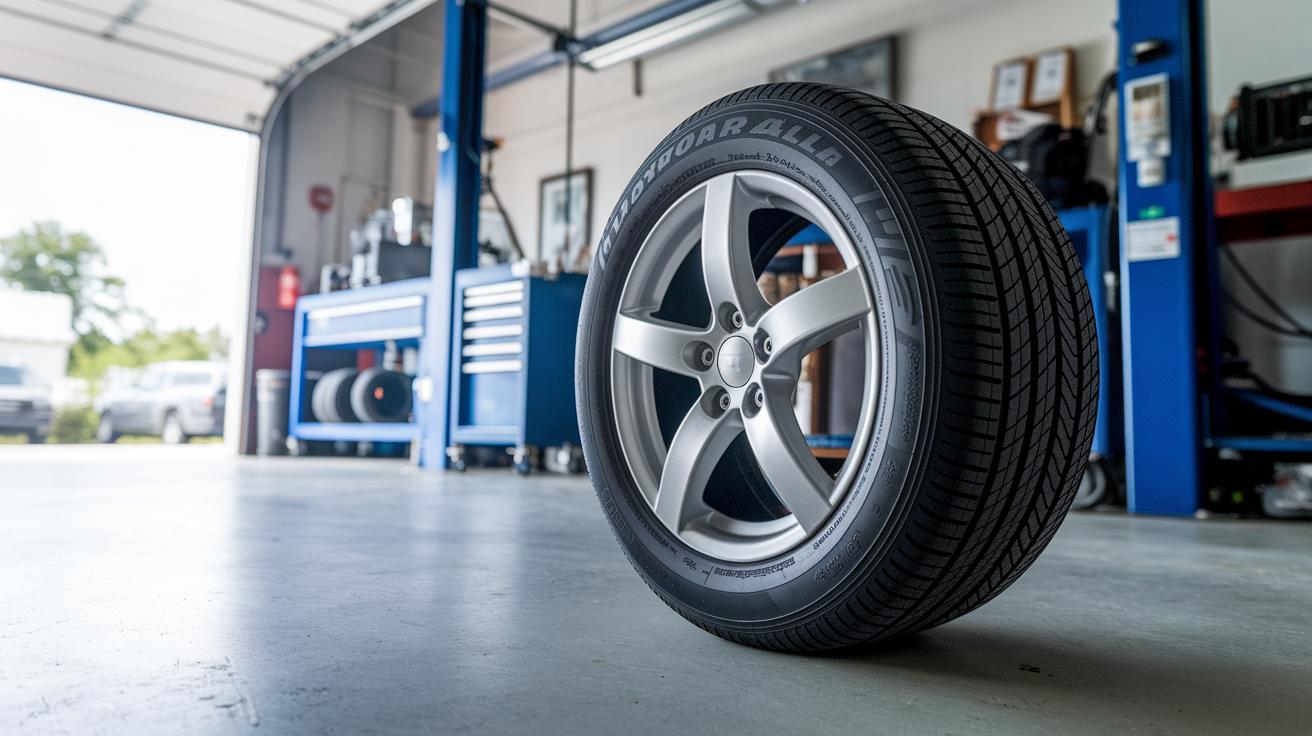
Smart tires have little sensors inside them that keep an eye on things like tire pressure, temperature, tread wear (how quickly the tire surface wears down), and road conditions in real time. These sensors chat with your dashboard or smartphone wirelessly, giving fleet managers a heads-up before a small issue becomes a big problem. Imagine getting a message that says, "Hey, tire temperature is rising; check your pressure now." It’s like a friendly nudge to take a look at your tire before trouble starts.
This constant watch not only makes driving safer but also saves fuel. Keeping the right pressure can boost fuel economy by around 0.1 miles per gallon, which can mean millions in annual savings for big fleets. Even a small drop in pressure can cut fuel efficiency and tire life, so it pays to keep things just right.
Fleet sensor benefits include:
- Instant alerts that help you avoid tire blowouts.
- Easy-to-read data that lets you plan maintenance before a tire fails.
- Better safety as the tire adjusts to changing road conditions.
- Greater fuel savings that add up over time.
Operational gains from these digital wheels mean fleet managers can act quickly, cutting down on downtime and costly repairs. Picture this: every tire’s update comes through every few seconds, real-time info means you’re never left guessing. This smart, proactive approach helps tires last longer, keeps vehicles running safely, and boosts the overall performance of your fleet.
Smart Tire Monitoring for Operational Efficiency in Fleets

Sensors keep an eye on tire pressure and temperature every 4-5 seconds. They use smart, IoT-based tech (like little helpers) to check how your tire is doing on different roads. Imagine your tires being watched closely to spot even tiny changes before they become a big problem.
If you drive on icy or uneven roads, the system automatically adjusts the tire settings to boost grip and safety. It’s like having your own tire assistant that fine-tunes performance on the fly, so you can worry less and drive safe.
All the tire data gets sent to cloud dashboards that show trends and tips. Fleet managers can easily review these insights and plan maintenance with handy, detailed reports. This real-time tracking, powered by advanced tire wear monitoring tech (which checks how fast a tire's surface is wearing out), helps keep every vehicle in top shape.
By mixing frequent sensor checks, smart performance tweaks, and clear cloud analysis, fleets can run smoother, avoid unexpected downtime, and use resources in a smarter way.
Cost Savings and ROI from Smart Tires in Fleet Management
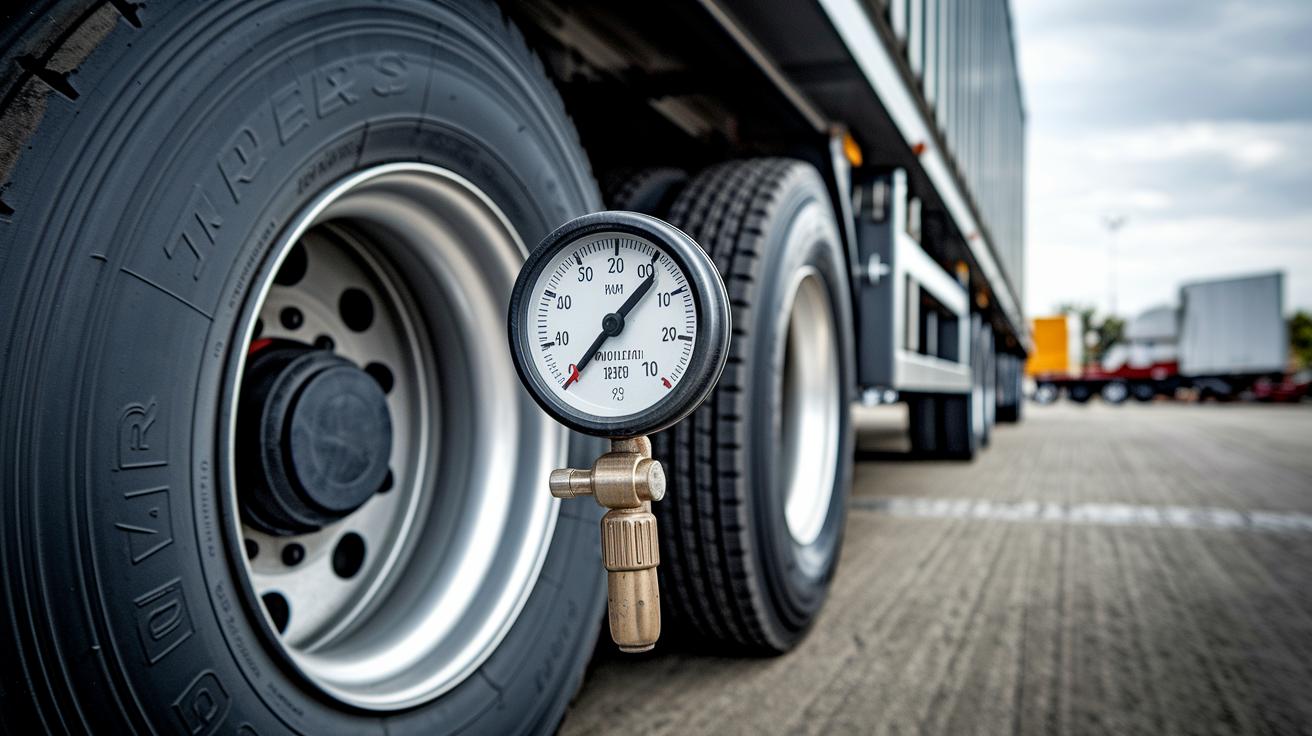
Smart tires help lower fuel costs by making each tire work more efficiently. They do this by reducing rolling resistance (the force needed to keep a tire moving), which means better fuel use. For example, big trucks like Class 8 tractor-trailers can save up to 4% on fuel, cutting down operating costs considerably. Plus, smart systems send alerts when a tire needs service, helping tires last longer and avoiding sudden, expensive repairs.
This smart tech keeps tire pressure (PSI stands for pounds per square inch, or how much air is in a tire) at the perfect level for the whole fleet. Better tire care means fewer unexpected tire replacements and emergency fixes. With reduced disruptions, maintenance crews can plan work ahead, leading to smoother and more cost-effective operations.
Fleet managers say monitoring tire pressure across all vehicles saves a lot of money each year. It not only cuts fuel expenses but also reduces the cost of replacing tires. Smart tire systems catch small problems early, preventing them from turning into larger, pricier issues.
Experts predict the global smart tire market could reach $200 billion by 2033, growing about 7.8% each year. This growth shows that using smart tires isn’t just a small upgrade, it’s a smart way to boost ROI (return on investment) and keep fleet costs in check while getting vehicles ready for every ride.
Predictive Maintenance Enabled by Smart Tires for Fleet Managers

Smart tire systems give fleet managers live updates to help them fix small issues before they turn into big, expensive breakdowns. They keep an eye on tire pressure, temperature, and tread health (that’s how fast the tire’s surface wears out) and send alerts about any changes. It’s like your tire is saying, "Hey, I need a check-up before things get serious."
Systems like Solera TPMS know exactly which tire needs attention way before any real trouble starts. This means teams can plan maintenance based on the tire’s actual condition. Imagine spotting a tiny wear spot and scheduling a fix right away so you won’t be surprised later.
Plus, when sensor data joins forces with aftermarket TPMS and ATIS products, it makes spotting problems even easier. This smart monitoring helps plan repairs at the right time, cuts down on emergency fixes, and keeps fleets rolling smoothly.
When you mix these early alerts with a careful look at each tire’s health, you end up with a system that tells you exactly when to act. This data-driven plan boosts fleet uptime and helps avoid sudden breakdowns. For more on predictive tire maintenance technology, check out the details here: predictive tire maintenance technology
Real-Time Diagnostics via Smart Tires for Fleet Operations
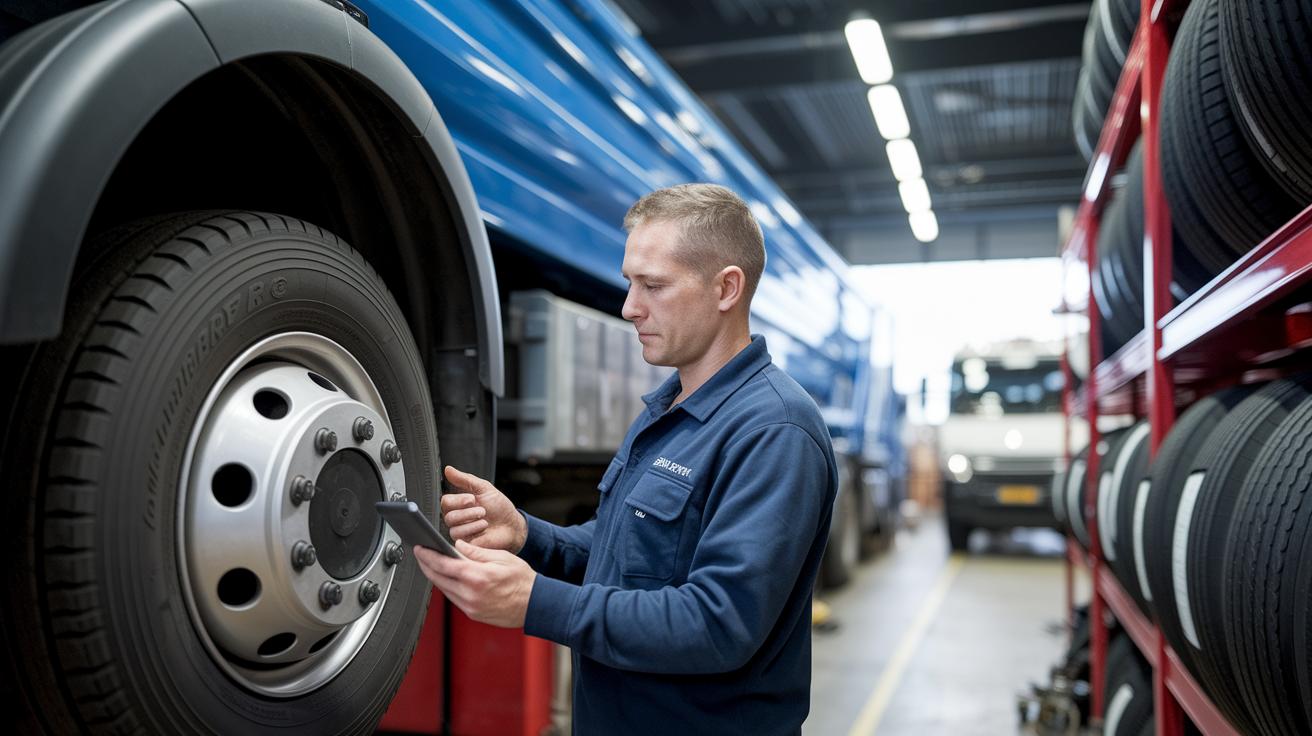
Smart tires aren’t just about sending alerts now. They share useful data with your fleet management system, making it easier to track trends over time. Managers can view a tire’s history (like how fast the tread wears out) alongside regular maintenance records, which helps figure out where things can run smoother. I once heard a fleet manager say, "After our new system started analyzing tire data, we cut scheduled downtimes by 20%."
Each tire sends its data for a quick check to catch recurring issues before they even cause a disruption. The system looks at current readings and matches them with past data so you see not only immediate problems but also long-term trends. Imagine your car giving you a friendly nudge, saying, "I might need some extra care soon," with a clear plan for when to get a tune-up.
This tire data plugs into the overall vehicle performance system, so maintenance teams know exactly when to prioritize repairs or replacements. Rather than reviewing each alert one by one, managers get a clear sign when a bigger pattern shows up, making the whole process simpler and more efficient.
Smart Tires Enhancing Safety in Fleet Management

Smart tires do more than just roll along, they help keep fleets safe. They have built-in feedback that works like a friendly safety guide, letting drivers know when their vehicle might be carrying too much weight. Did you know that over 80% of regional truck accidents happen when trucks are overloaded? With real-time data on how weight shifts (that is, the way weight moves across the tire), these systems help keep every truck balanced and ready to handle the road.
Construction fleets have seen safety jump by 87% after switching to smart tires. Imagine your tire saying, "Hey, I'm handling more load than I should!" That kind of immediate alert can be a real lifesaver on tough job sites.
Urban delivery fleets enjoy plenty of perks too. With smart tire systems cutting downtime by up to 90% and boosting fuel efficiency by about 6%, vehicles spend more time on the road and less time in the repair shop. This smart monitoring not only helps with load compliance but also works hard to prevent accidents, making every trip as safe as possible.
When you keep an eye on tire health all the time, fleet managers get clear tips that help operations run smoothly and safely.
Integrating Smart Tires with Fleet Telematics Systems

When smart tires send their information straight into fleet management systems, you get a full look at how each vehicle is doing. They share details like air pressure, temperature, and how worn the tread is (that is, how fast the tire surface is wearing down) along with engine and braking info on one clear screen. This lets fleet managers spot problems at a glance and plan better routes while keeping loads balanced. Imagine a tool that tells you right when a tire is feeling the pressure so you can take action quickly.
When these smart tire systems work together with telematics (technology that monitors vehicles), managing the fleet becomes a breeze. It’s like having tire data chat with other sensors in real time to fine tune routes and stop one side of a vehicle from carrying too much weight. This smooth integration fits perfectly with modern tech trends and shows how new ideas keep fleets running smoothly.
A single dashboard that gathers tire, engine, and brake information makes it easy to catch small changes before they become big issues. This smart setup means maintenance can be planned just right, cutting down on downtime and repair costs. In short, having good, real-time data paves the way for faster and wiser decisions that keep every vehicle in top shape.
Final Words
In the action, smart tires change fleet management by boosting fuel efficiency, safety, and tire life. Real-time diagnostics help fleet managers spot issues early and schedule maintenance without delay. IoT monitoring feeds data into telematics, creating seamless oversight and smarter decisions. These advantages highlight the benefits of smart tires for fleet management, letting fleets run smoother and safer. Advanced tire technology gives a clear edge, keeping vehicles reliable and drivers at ease.
FAQ
How do smart tires boost fleet management performance?
The smart tire technology boosts fleet management performance by monitoring tire pressure, temperature, tread wear, and road conditions in real time. This helps reduce downtime, optimize fuel usage, and extend tire lifespan.
How do smart tire sensors drive operational efficiency in fleets?
The smart tire sensors collect data every few seconds and send immediate alerts. This real-time monitoring lets fleet managers schedule maintenance proactively and keep vehicles running smoothly.
How do smart tires reduce costs and improve ROI for fleet operators?
The smart tires reduce costs by maintaining optimal PSI for better fuel economy, preventing emergency repairs, and extending tire life with predictive alerts. These benefits lead to significant annual savings and improved ROI.
How do smart tire systems support proactive maintenance in fleets?
The smart tire systems provide data that pinpoints wear and potential failures before they cause problems. This proactive approach means repairs can be scheduled ahead of time, reducing unplanned downtime.
How do smart tires enhance safety in fleet management?
The smart tires enhance safety by continuously monitoring tire load and condition to avoid overloading and failures. This real-time feedback helps lower accident risks and makes vehicles safer to operate.
How are smart tires integrated with fleet telematics systems?
The smart tires feed data into fleet management platforms, combining tire metrics with engine and brake data on unified dashboards. This integration improves route planning and overall resource management.

