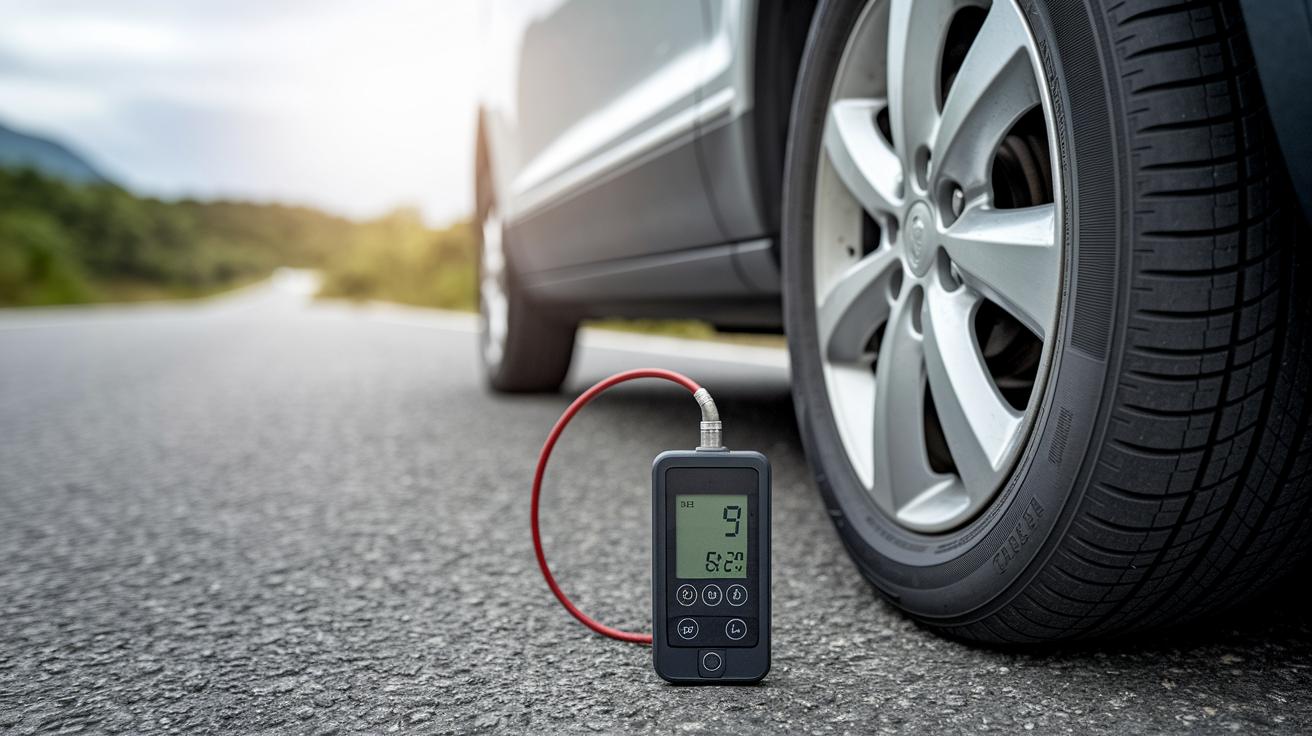


Have you ever thought about how much you trust your tires to watch out for you on the road? Modern sensor technology in tires works just like a reliable friend, keeping an eye on things like air pressure, temperature, and tread wear (that’s just a fancy way to say how quickly the tire’s grip wears down). These smart sensors give you real-time alerts that help cut down on risks and keep your car handling nicely whether it’s slick and wet or dry and sunny.
In this article, we take a closer look at how these tire sensors notice little issues before they become big problems. It’s a neat way to put you in control and make sure each drive feels as safe as a chat with an old friend over a steaming cup of coffee.
Key Safety Benefits of Sensor Technology in Tires
Sensor tech in tires makes driving safer by keeping an eye on air pressure in real time. Built-in detection parts check the pressure all the time and alert you on your dashboard if it drops too low. It’s like having a friend who gently reminds you to check your tire before things get risky.
Keeping your tires at the right pressure cuts down the chance of failure, blowouts, or flats. When your tires are pumped up just right, your vehicle handles better on both dry roads and wet ones. Imagine your tire system working automatically to keep everything safe, when the pressure isn’t right, you get a quick alert.
But these sensors do more than just check pressure. They also keep track of the tire’s temperature and how fast the tread wears away (that’s the surface layer that touches the road). If a tire heats up too much or the tread starts to wear off, you get an early warning. It’s like getting a heads-up that says, "Hey, your tire is getting warm, you might want to take a look," which can help avoid accidents and even save you on fuel.
On top of all that, these sensors watch for sudden changes in pressure or temperature, sending fast notifications so you can react quickly. This smart setup works with other safety features, giving you the information you need to keep every ride safe and secure.
Main Types of Sensor Technology Enhancing Tire Safety
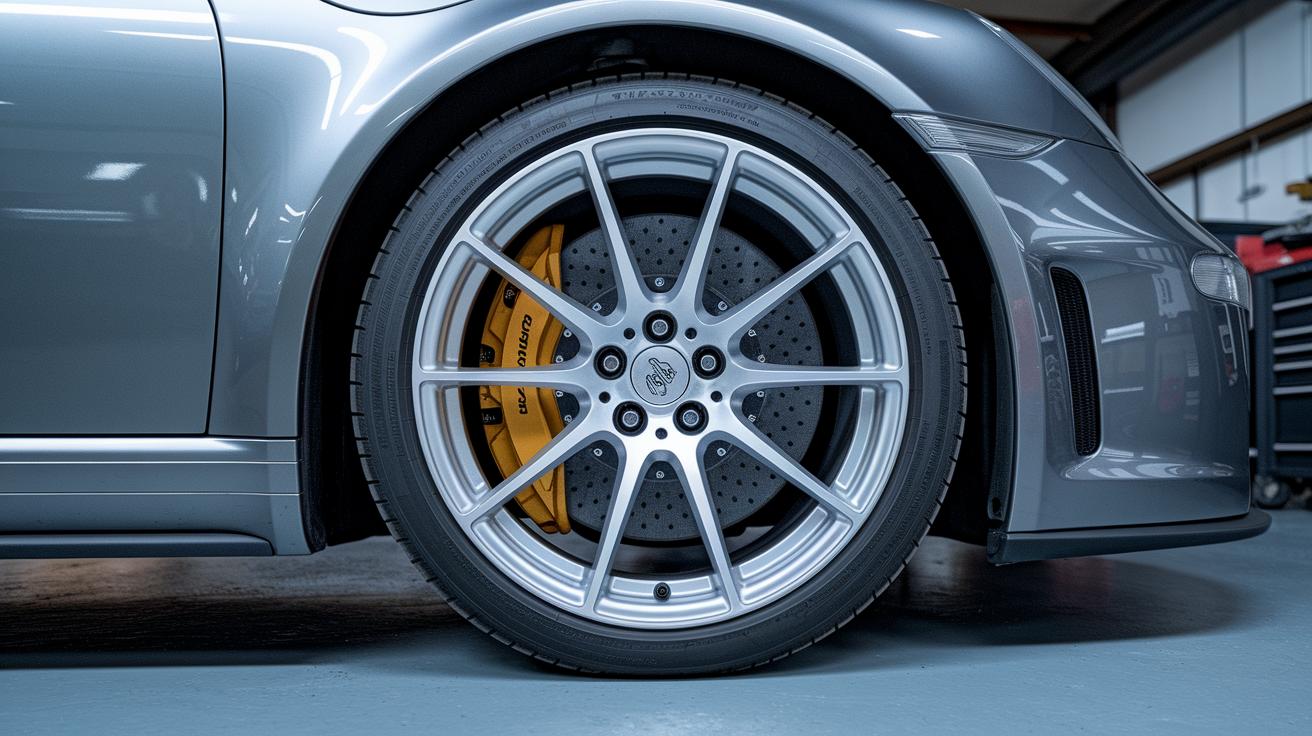
Direct TPMS sensors keep an eye on each tire by measuring the air inside them very accurately. They sit right on your wheels and constantly check if your tires have enough air. If one tire’s pressure drops too low, the sensor sends a quick alert – just like having a mini mechanic in each tire looking out for you.
Indirect TPMS works a bit differently. Instead of measuring air directly, it uses data from your car's ABS sensors to spot underinflation. It watches how fast each wheel spins and if one turns faster than the others, it figures that tire might be low on air. Think of it as a smart buddy who notices when something seems off.
Embedded temperature transducers also help keep you safe. They watch the heat at both the tire and the wheel hub. When the temperature starts to rise, they warn you early so you can avoid problems like an overheating tire.
Tread-wear monitoring sensors check how much grip is left on your tire’s tread. They track how quickly the rubber wears down and let you know when it might be time for a replacement.
Accelerometers and vibrational units are on alert too. They feel for any unusual shaking or vibrations and signal when road conditions might be stressing your tires more than usual. Together, these sensors work as a team to catch early signs of trouble, making every drive a bit safer.
Real-Time Wheel Assessments for Enhanced Tire Safety Features
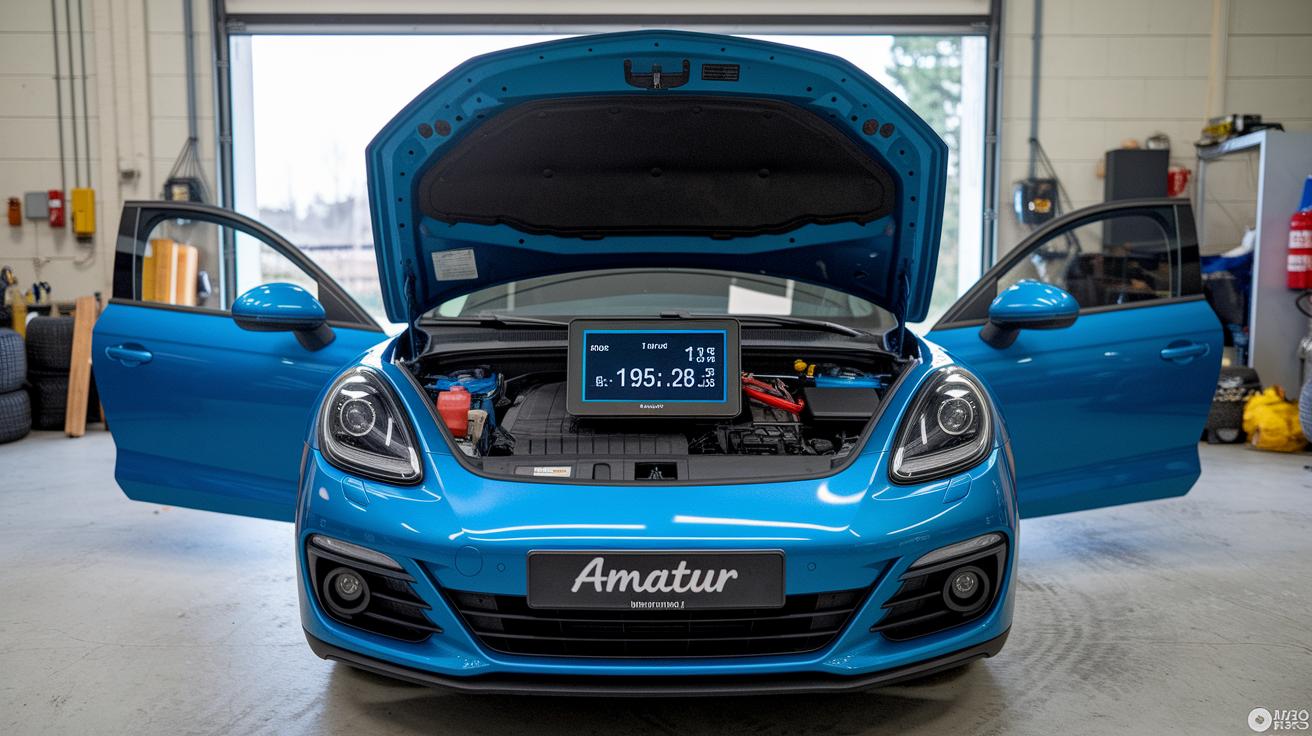
Modern tire systems are smart. They constantly check tire pressure, heat (temperature), and speed without you doing a thing. It’s like having a friend who’s always keeping an eye out so that if your tires aren’t doing their best, you know in a flash.
Wireless signals send this crucial info to your car’s computer or even your smartphone via Bluetooth. It’s like getting an instant heads-up, quick and easy, just when you need it.
Think of data fusion platforms as a handy dashboard for your tire’s health. They mix signals from different sensors into a simple, clear picture, showing you exactly how your tires are doing. This snapshot helps you make safe decisions right on the spot.
Electronic feedback loops tie everything together. They warn you in less than a second and may even adjust things in your vehicle automatically. It’s like your car casually saying, "Hey, something’s not right with the tires," so you can take action immediately and keep every ride safe.
Integration of Sensor Technology with Vehicle Safety Systems
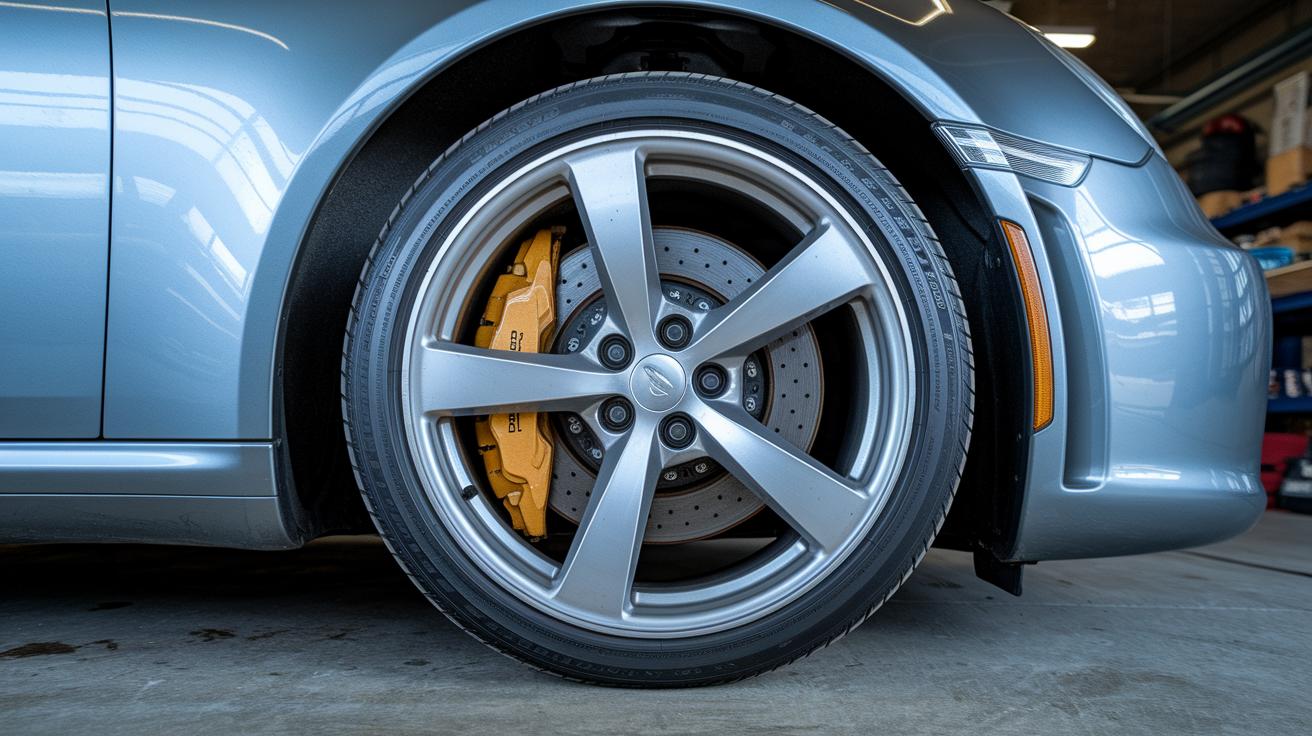
Tire sensors work hand in hand with safety systems like ESC (Electronic Stability Control) and ABS (Anti-lock Braking System) to adjust your car's braking power on the go. It's really a team effort, each sensor reading helps your car decide when to slow down or spread out power to its wheels. For example, if one sensor notices a drop in pressure, the system tweaks the brake force to give you a smoother stop.
- Tire sensors send info to systems like ESC and ABS to manage braking force.
- The sensor data helps balance the power (torque) across your wheels.
- Suspension controllers adjust the shock absorption (damping) based on what the tires tell them.
- Built-in alert systems show warnings on your dashboard or send a push notification to your phone.
Picture your car's safety system like a well-tuned orchestra. Every sensor acts as a cue for smart electronics and diagnostic tools that check things like tire pressure and temperature. If something seems off, you'll get a signal right away. Sometimes the suspension even adjusts to make sure your ride feels steady and secure.
Sensor signals mix with the car’s onboard computers using advanced automotive tech. The result is a smooth, coordinated response that keeps your vehicle stable. Alerts pop up on the dashboard or head to your smartphone, so you always know what's happening. The system listens, reacts, and makes sure that even if one wheel starts to slip, your entire ride can adjust safely.
Predictive Maintenance through Sensor Data Fusion for Tire Safety
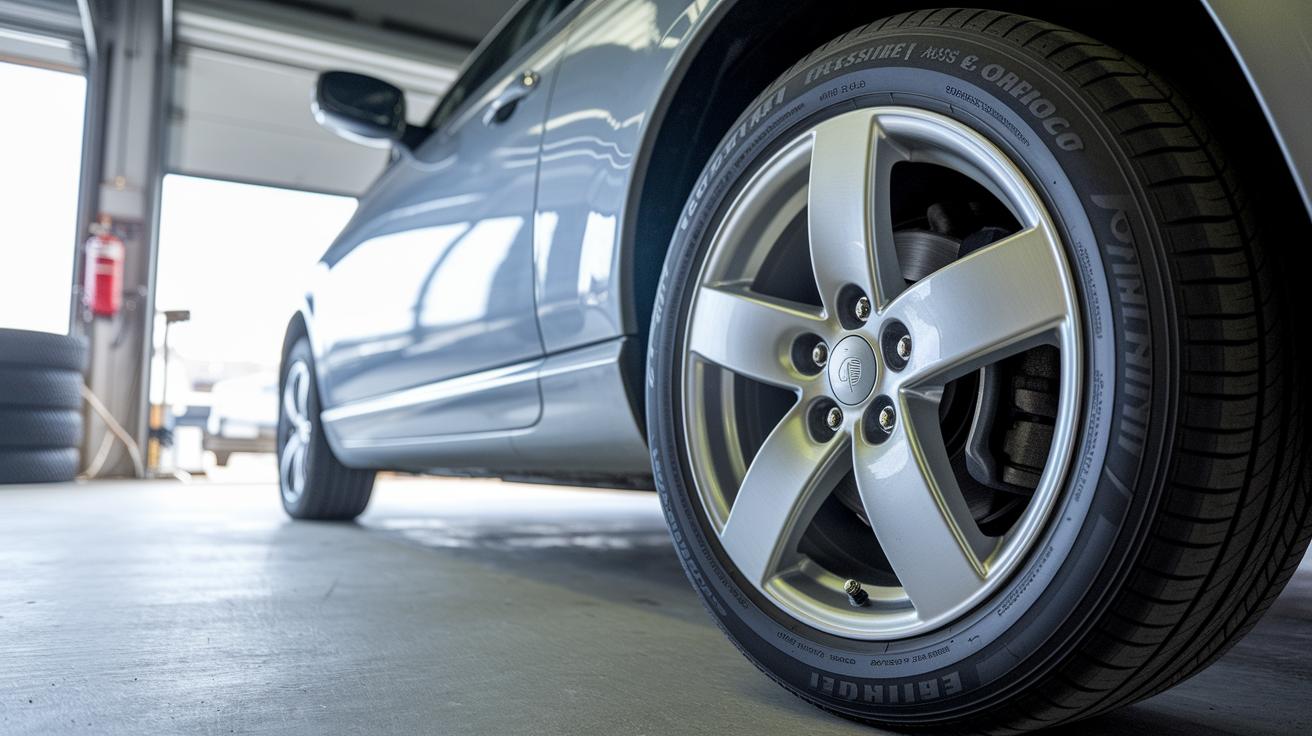
Modern sensors keep a constant watch on your tire pressure and temperature. Smart algorithms study these readings, spotting tiny changes that hint at early tire wear (like when a tire's surface starts to break down) and upcoming problems. This way, you’re alerted well before anything dangerous happens.
These condition monitors work by comparing what they see with what’s normal. If the numbers look off, an alert pops up so you can check things out in person. It’s like having a friendly mechanic who tells you when it’s time for a tire checkup, helping you avoid surprises on the road.
For fleet managers, the system gathers tire data from many vehicles to create an overall picture. The data is combined into a simple dashboard that even tells you how long each tire might last. It’s as if you have a clear, easy guide showing when parts should be maintained or replaced, making life a bit less stressful.
By blending these smart predictions with real-time condition checks, you can plan maintenance exactly when it’s needed. This proactive care helps cut down on unexpected issues and keeps your rides safe, whether you’re driving solo or managing a whole fleet.
Future Sensor Technology Trends in Tire Safety Features
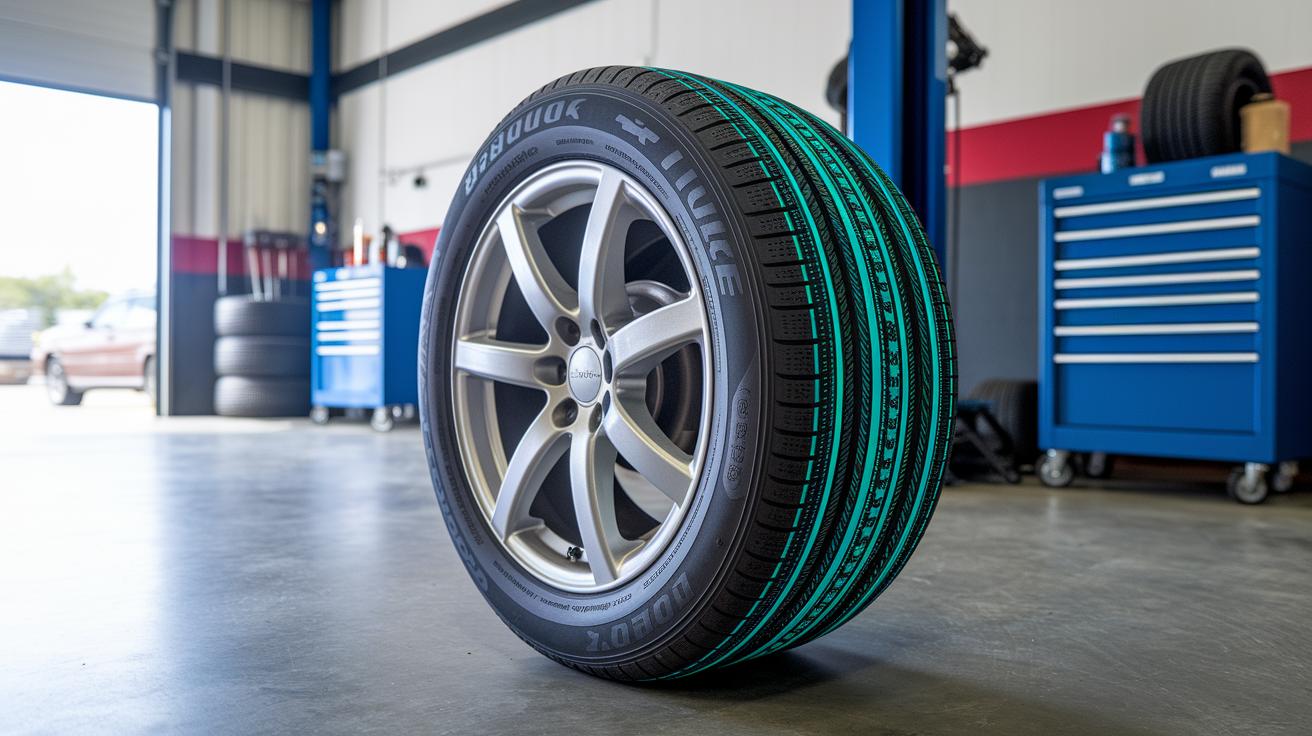
Imagine a tire system that keeps getting smarter to make your ride safer. AI-driven diagnostics (smart computer systems that learn from data) are soon going to help spot issues before they become real problems. This means you can take care of little concerns way before they turn into a big deal. And with tiny, self-calibrating devices, your tire pressure might adjust automatically while you're on the go.
Next, think about high-speed processors that update information almost instantly. These systems check key tire details in less than a second. They can find any odd changes that might lead to trouble. Multiple sensors work together to read the road and fine-tune your tire’s grip, making sure you stay safe on any surface. Wireless transmitters keep the conversation clear between your tires and your car's onboard system, while automated regulators make sure everything runs smoothly.
These emerging ideas, highlighted in today’s automotive trends, show a big step forward for tire safety and overall driving comfort. It’s exciting to see how these smart features are set to redefine safety and reliability, promising a smoother, more confident journey ahead.
Final Words
In the action, sensor technology drives tire safety by keeping a close eye on pressure, temperature, and tread wear. The article showed how sensors send real-time alerts and work in tandem with braking and stability systems. Smart modules, from direct TPMS to vibrational units, pinpoint issues before they become problems. This smart approach illustrates how sensor technology enhances tire safety features, giving a clear picture of today's potential for proactive care. It’s a smart way to help everyone hit the road with confidence and a smile.
FAQ
Why is TPMS an important safety feature?
TPMS monitors tire pressure in real time and alerts you when pressure drops. This helps prevent tire failure and blowouts while promoting smoother, more efficient driving.
What are the positive effects of sensors?
Sensors provide real-time updates on tire pressure, temperature, and tread wear. They boost safety by alerting drivers to potential issues, which helps maintain performance and stability on the road.
What are the benefits of using a tire monitoring system?
A tire monitoring system offers timely alerts and helps keep tires at optimal pressure. This reduces the risk of accidents, improves handling, and enhances fuel efficiency.
How do sensors on tires work?
Tire sensors measure air pressure, temperature, and tread wear. They send this data wirelessly to your vehicle’s system, triggering alerts when readings stray from safe levels.

