


Ever wondered if your car could perform even better? Imagine having sporty tires that hold tight on the road during sharp turns and quick stops.
When you adjust parts like camber (how your wheels tilt), toe (the angle your tires point), and damping (the way shock absorbers slow movement), your tires meet the road in a smoother, more confident way. It’s a lot like tuning a favorite instrument before a big concert.
In this post, we’ll chat about how a few small adjustments can turn your everyday ride into something really powerful and fun.
Suspension-Tire Synergy: How Tuning Elevates Sport Tire Grip
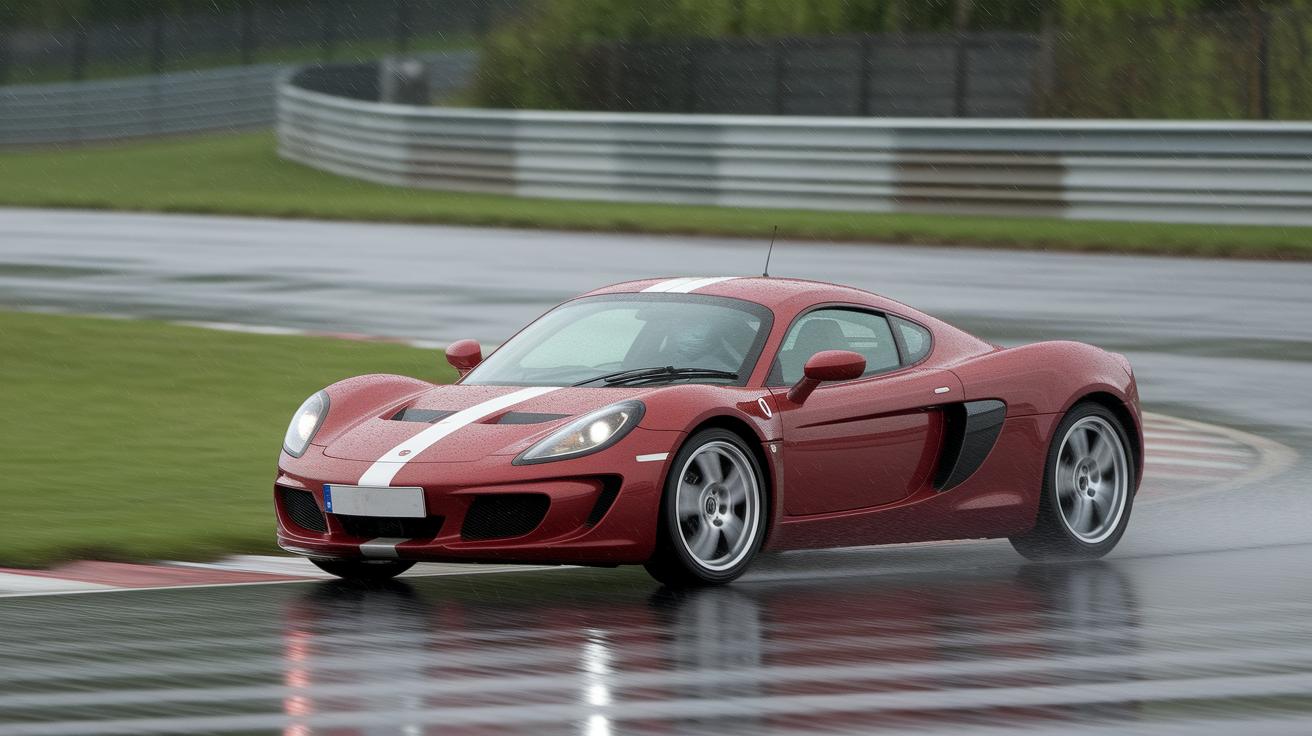
Suspension tuning is all about making sure your tires stay stuck to the road, rain or shine. When your car handles turns, brakes quickly, or bursts with power, a finely tuned suspension lets you feel in control at every twist and turn. It’s like when you can really feel your tires gripping the pavement because everything is working just right.
When you adjust your suspension, you’re really changing how your sport tires meet the road. A setup tuned for precision keeps your tires in full contact while you corner hard, brake suddenly, and accelerate fast. In simple terms, every bit of tire touches the road, which helps with safe power transfer and reliable grip. Even small tweaks, like adjusting camber (the angle at which your tire tilts), toe (the direction your tire points), or damping (how your car absorbs bumps), can make your ride feel much steadier and more balanced.
- Improved contact patch that keeps tires glued to the surface
- Controlled body roll for steadier cornering
- Optimized load transfer during acceleration and braking
- Refined camber settings for even tire wear
- Fine-tuned toe angles for stable direction
- Adjusted damping to smooth out rough roads
In short, tuning your suspension is like balancing all the parts of your car so that your tires handle better and wear more evenly. These adjustments keep your tires performing at their best during high-speed maneuvers and in changing weather, so you can drive with confidence on any road.
Key Suspension Adjustment Methods Influencing Tire Behavior

Tweaking your suspension setup can really change how your sport tires perform. When you adjust things like ride height (how high your car sits), spring rate (the firmness of your springs), and shock damping (how well your shocks absorb bumps), you set up a balance that helps the tires grip the road better. This means improved handling when you’re taking sharp turns, braking fast, or speeding up.
| Adjustment | Effect on Tire Behavior |
|---|---|
| Ride height | Lowers the center of gravity so the car feels more stable and turns more precisely |
| Spring rate | Mixes firmness and comfort to keep the tires reliably in contact with the road |
| Sway bar stiffness | Reduces body lean during turns, helping the tires stay connected to the road |
| Camber angle | Tilts the tire for a better road grip during cornering |
| Toe angle | Aligns the tires with the road to boost overall stability |
| Damping force | Controls shock absorption so the tires handle bumps without losing contact |
| Tire pressure | Adjusts the contact patch (area of the tire in contact with the road) for better grip and even wear |
The best mix of these adjustments depends on your driving style and road conditions. By fine-tuning each part, you can set up your car to handle both the thrill of track driving and the routine of everyday journeys, making sure your sport tires always deliver a smooth and safe ride.
Advanced Coilover and Multi-Link Setups for Contact Patch Maximization

When the road gets twisty, these suspension systems help your tires stick to the pavement. Advanced coilover and multi-link setups let you fine-tune your wheel alignment, adjusting things like camber (the tilt of the wheel), toe (which way the wheel points), and caster (the steering angle). This keeps the part of the tire in contact with the road just right, even when you push your car to the limit.
Coilover Configurations
Coilover systems let you change your car’s ride height, spring position, and shock settings to match your driving style. They lower your car’s center of gravity and smooth out bumps, making your ride steadier. When you adjust the shocks or move the spring, it’s like giving your car a little tune-up to keep the tires aligned and improve grip during quick turns.
Multi-Link Control Systems
Multi-link suspensions manage how each wheel moves with a set of connected arms. Because each wheel can move on its own, they adjust better to bumpy or uneven roads. This setup makes braking and speeding up feel more predictable, so you get a clear, responsive feel when you tackle sharp curves or need to stop suddenly.
Geometric Alignment Solutions
Geometric alignment uses parts like camber plates, adjustable knuckles, and caster kits to set each wheel just right. These pieces fix issues that can cause your car to understeer or oversteer, meaning it won’t pull away unexpectedly during a turn. With every tire making full contact with the road, your car feels more confident and safe when corners are approached at high speeds.
Getting the right mix of these upgrades can turn a rough ride into one that’s fun and responsive, making both track days and daily drives much smoother.
Dynamic Calibration Systems and Real-Time Feedback in Suspension Tuning

Modern calibration systems have really changed the way sport tires perform. They use sensors to keep an eye on things like ride height, damping (how quickly the shocks react), and tire pressure, adjusting in real time to keep your car balanced no matter the weather or road conditions. It’s like having a smart co-pilot who always makes sure your ride stays smooth.
Baseline Data Logging
These systems start by recording key details during every drive. They log values such as ride height, damping, and tire pressure so you have a clear starting point. Think of it as keeping a diary of how your car behaves under different conditions, which helps when it’s time to make tweaks.
Condition-Specific Calibration
The magic happens when these recordings help set up your car for specific conditions. Whether it’s a wet track or a dry run, or even when the weather shifts from cold to hot, the calibration adjusts to keep the tire contact with the road steady. This means better grip and a safer ride whether you're facing smooth highways or bumpy by-lanes.
Adaptive Damping Adjustments
Sensors work in the moment to adjust the shock settings as soon as the road changes. It’s like the system senses a bump and instantly shifts the shock valving to keep things balanced. This on-the-fly tuning makes sure the load stays even, just as you would want when you’re racing down an unexpected twist in the road.
Iterative Testing and Feedback
Drivers and engineers are always in the loop, fine-tuning settings lap by lap. Every pass gives a little more feedback, creating a cycle of small, helpful adjustments. This hands-on testing means the suspension gets better and better at handling everything the track throws at it.
Putting all these pieces together , the detailed data logs, the real-time changes, and the careful step-by-step tweaks , creates a system that keeps your tires gripping just right, no matter how the road changes.
Controlling Tire Wear, Heat Buildup, and Longevity Through Suspension Tuning
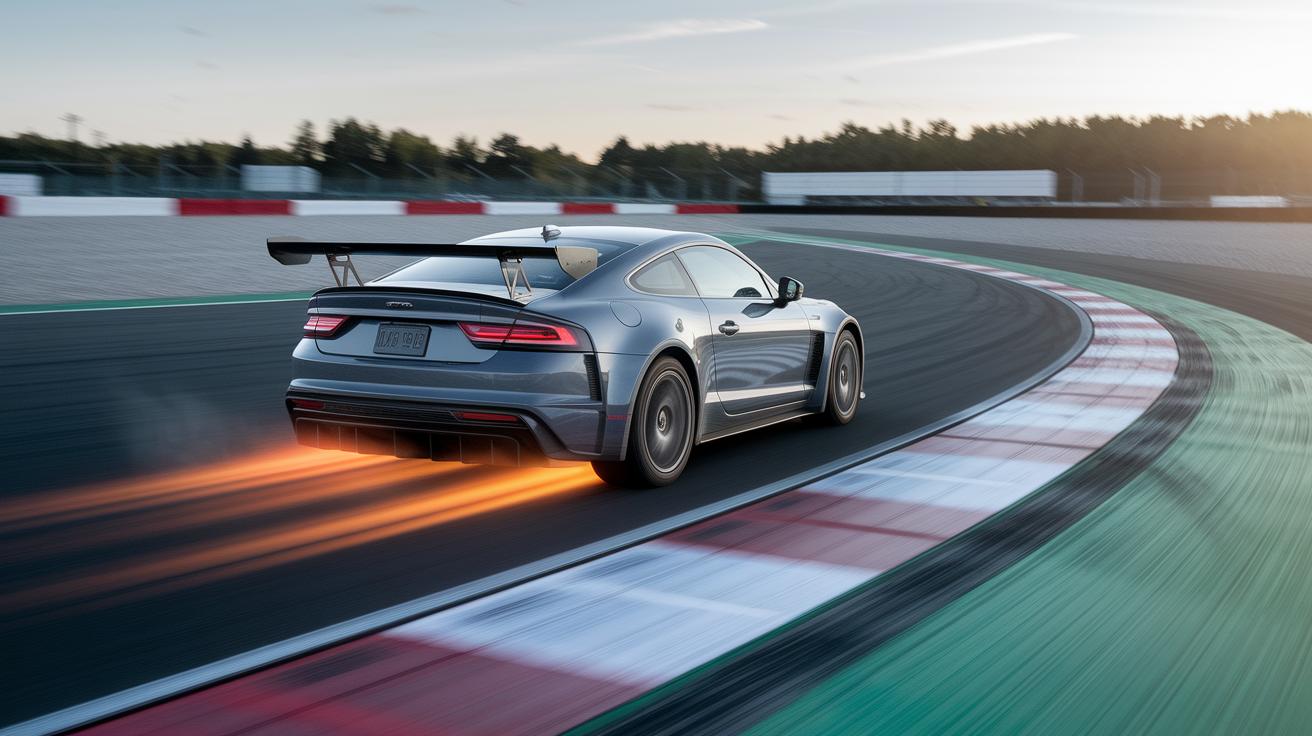
Have you ever noticed how a well-tuned suspension can make your ride feel safer and even help your tires last longer? When your vehicle’s weight is balanced during sharp turns and heavy braking, your tires stay in steady contact with the road. This means the wear on your tires is spread evenly (so no one spot wears down too quickly), which can keep your sport tires running strong for a longer time.
A good suspension setup also helps control heat. When you change directions quickly or drive aggressively, weight shifts in your car. With proper tuning, it stops small patches on your tire (hot spots, areas that can overheat and damage the rubber) from forming. This is super important on fast, twisty tracks because keeping the tires cool helps maintain good grip and quick response. To dive deeper into how tire heat builds up during aggressive driving, check out this link: "science of tire heat buildup in aggressive driving" – https://tityres.com?p=1726.
For a steady, fun ride, it's all about keeping tire grip and weight distribution just right. A tuned suspension helps control both understeer and oversteer (basically, it stops your car from either being too loose or too tight in a turn), so you don’t end up sliding out unexpectedly. This balanced approach not only protects your tires by spreading the pressure evenly but also makes your car feel reliable and responsive every time you get behind the wheel.
Race and Track Case Studies: Measurable Performance Gains from Suspension Tuning

Racing teams like to study how suspension tuning can boost sport tire performance. They compare how things work before and after the tweaks across different tracks. For instance, they check tire pressure changes – starting at 25 psi and rising to 35 psi as the track heats up – to see how tweaks improve grip and help the tires last longer.
One team zeroed in on fine-tuning the camber kit and sway bar (parts that help keep the wheels aligned). After making these changes, they saw lap times drop by 0.5 to 1.2 seconds per lap. Drivers said the tires stayed in better contact with the track, which meant quicker turns and steadier handling during hard braking. Every split-second counts out there.
Another example shows the impact of using top-notch shocks and springs. In a tough test, the team boosted cornering speeds by as much as 15%. The better load transfer (ensuring weight is spread evenly over the tires) kept them aligned through turns, lowering the chance of uneven wear. This smooth weight shift during speeding up and braking helped keep tire performance steady even when track conditions varied.
These real-life examples show that careful suspension tuning really makes a difference. With adjustments like tire pressure, camber tweaks, and upgraded shocks, teams balance weight better and fine-tune handling. Each small detail plays a big role in keeping sport tires ready for the high-speed race challenges.
Final Words
In the action, this post showed how key adjustments in suspension improve tire grip and overall control. Small tweaks like setting shock and spring stiffness keep tires in steady contact with the road. These smart steps highlight the role of suspension tuning in maximizing sport tire performance, ensuring a smoother ride and better handling. With solid tips on tire care and adjustment, you can head out with extra confidence every time you drive. Enjoy the ride and stay safe out there.
FAQ
What does suspension tuning do?
Suspension tuning improves the way your tires meet the road. It adjusts your vehicle’s components to keep tires in contact during turns, braking, and changing weather, resulting in better grip and control.
How does suspension tuning improve performance?
Suspension tuning enhances performance by refining tire-road contact, which boosts grip and cornering ability. This leads to smoother power transfer and more responsive handling on both everyday roads and racetracks.
What is the main purpose of the suspension system?
The main purpose of a suspension system is to maximize tire-to-road contact. It helps maintain a steady grip, ensuring vehicle stability and efficient power transfer during various driving conditions.
Is sport tuned suspension better?
Sport tuned suspensions offer sharper handling and responsive feedback. They are a good option for drivers who want enhanced performance on curvy roads and racetracks, making rides feel more direct and engaging.
Where can I find a suspension tuning guide or cheat sheet?
You can find suspension tuning guides and cheat sheets in specialized auto literature or online resources. These materials often include tips for both cars and bikes to help improve tire grip and handling.
What should I look for in a race car suspension setup book?
A race car suspension setup book provides tuning tips, case studies, and practical advice on optimizing settings for better grip, lap times, and overall vehicle dynamics on the track.
How do Penske shock tuning guides help drivers?
Penske shock tuning guides offer clear instructions on adjusting damping and ride height. They help drivers find the right balance by optimizing tire grip and handling response for various racing conditions.
Are there differences in suspension tuning for motorcycles and mountain bikes?
Yes, suspension tuning for motorcycles and mountain bikes involves unique adjustments. Each uses specific settings to manage weight distribution and terrain demands, ensuring optimal grip and a comfortable ride on diverse surfaces.

