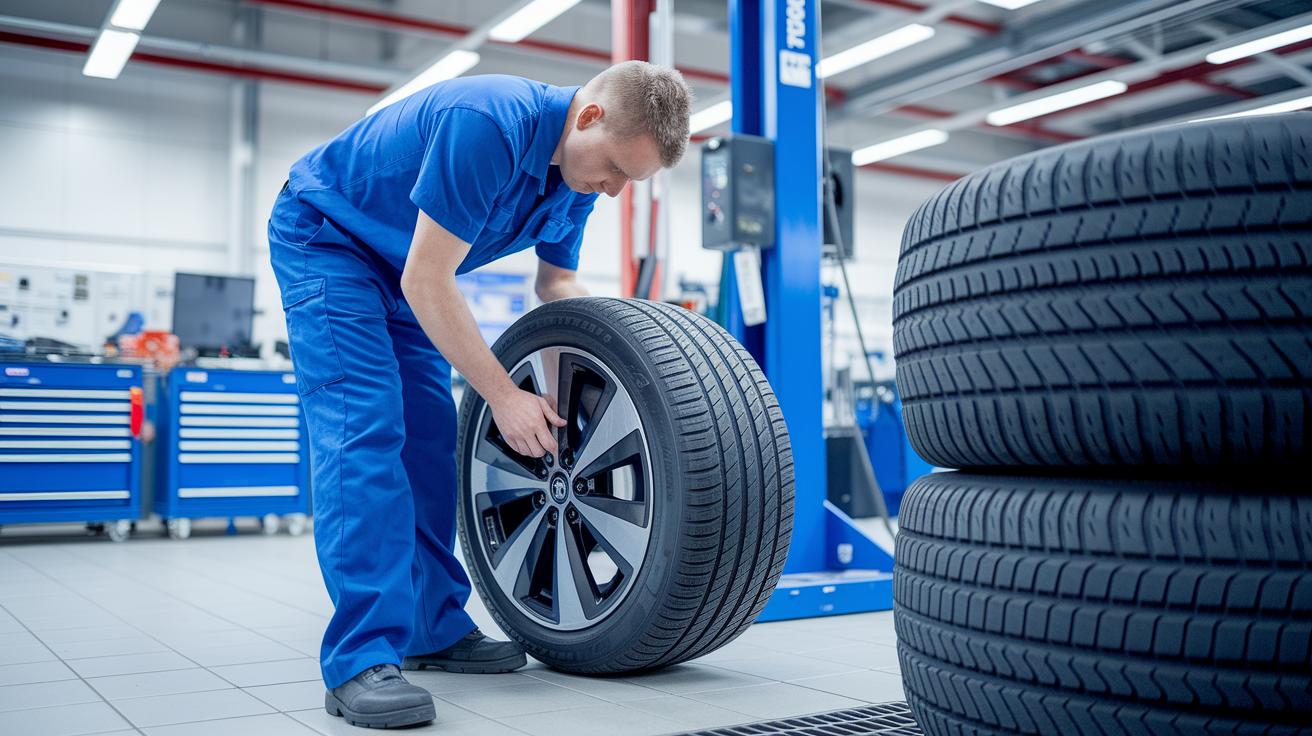


Have you ever thought that a quick tire rotation might change the way your electric or hybrid car feels on the road? These vehicles have their own tire challenges. For example, electric motors give instant power, which can wear out tires faster (tread wear means the outer layer of your tire wears away). Even small checks like keeping the oil in order can help.
Taking the time for regular tire rotations and pressure checks is like giving your car a little tune-up. It makes your ride smoother and safer. Ever notice how a well-kept car just feels more reliable? That simple step can be a game changer.
So next time you plan a drive, remember that a bit of tire care can go a long way toward keeping your journey steady and enjoyable.
Tire Rotation Guidelines for Electric and Hybrid Vehicles
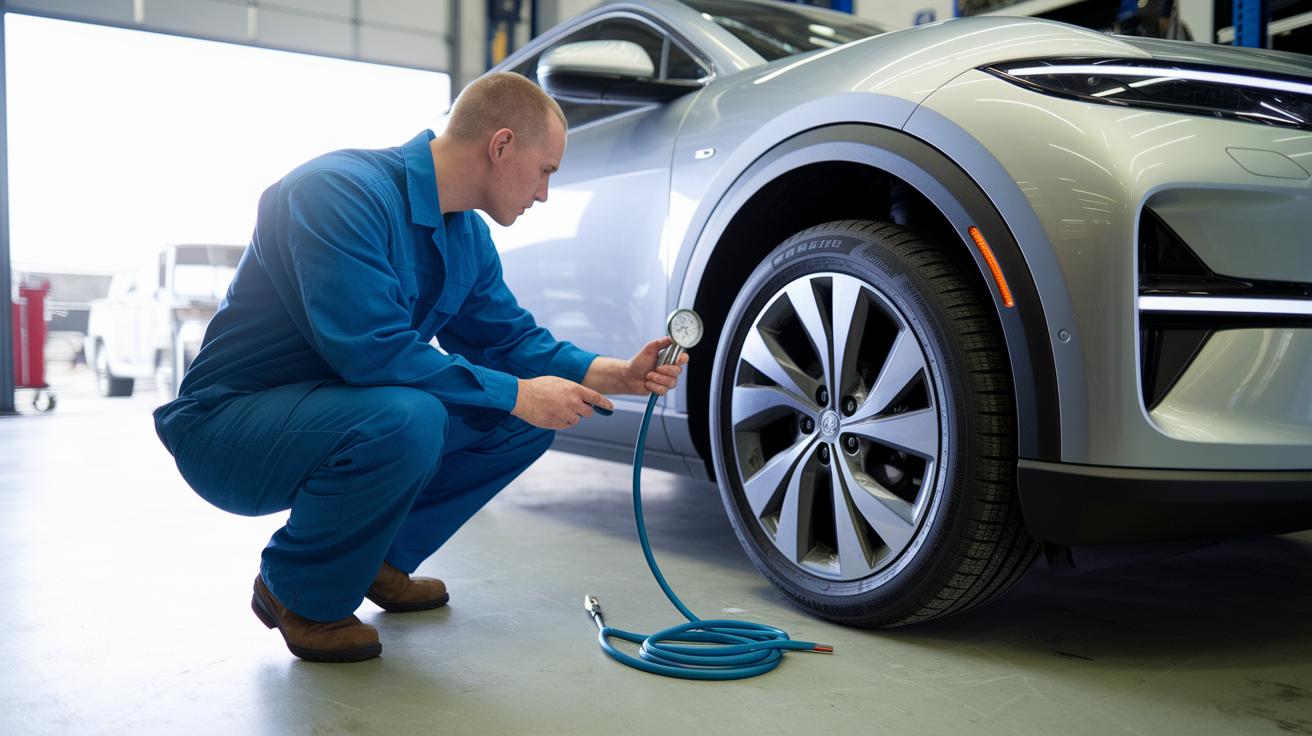
Electric vehicles need more frequent tire rotations, alignments, and pressure checks than regular cars. Because of their instant torque, tires wear down faster, and even normal driving can cause uneven tread wear. Think of checking your tire pressure like checking your oil level, each little step helps keep your ride safe and smooth. Regular rotations help spread out the wear across every tire, easing the extra load from that strong torque.
Hybrid vehicles have a similar need. They usually come with low-rolling-resistance tires (tires designed to require less energy to roll) to boost fuel economy, even while handling the pull of regenerative braking. It’s smart to follow your manufacturer’s recommended intervals and plan these checks during your yearly service. This simple habit can really extend your tire life while keeping your vehicle easy to handle and efficient.
Electric and hybrid cars bring their own challenges when it comes to tire care because of how their powertrains work. It’s a good idea to stick to the service suggestions and have inspections done at a certified center. Keeping up with regular tire rotations and checks means you’ll enjoy a smoother ride and better fuel or energy use while keeping your tires in good shape.
Optimal Tire Rotation Frequency for Electrified Vehicles
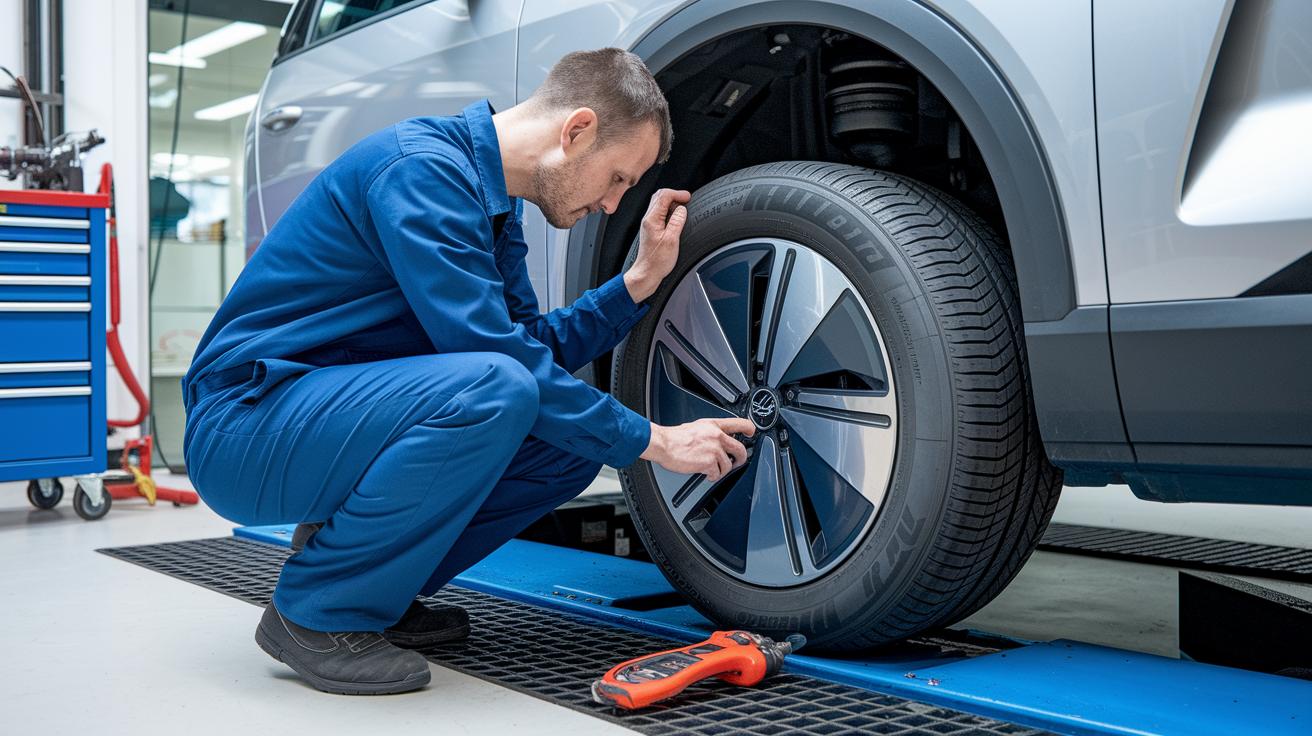
Experts say EV tires should be rotated every 5,000 to 10,000 miles or at least once a year. This routine helps the tread wear evenly and keeps your ride smooth. If you’re driving a hybrid, aim for a rotation around every 7,500 miles, especially if you’re using low-rolling-resistance tires (tires that are made to save energy or fuel). It’s smart to line this up with your yearly service so the team can inspect your tires and alignment while they’re at it.
Keeping a regular rotation schedule is like giving your car’s feet a check-up, it helps your vehicle handle better and keeps its energy or fuel use steady. By rotating, you spread the wear evenly, which means you’re less likely to need to replace a tire too early. It’s a little step that makes your ride feel smoother and more efficient over time.
Sticking to these timing benchmarks ensures your tires last longer, so every mile counts. Matching rotations with annual check-ups helps catch any early issues, keeping your tire grip and stability in top shape. This regular maintenance makes your driving stress-free and shows off the performance perks of electrified vehicles.
Impact of Instant Torque and Weight Distribution on Tire Rotation Needs
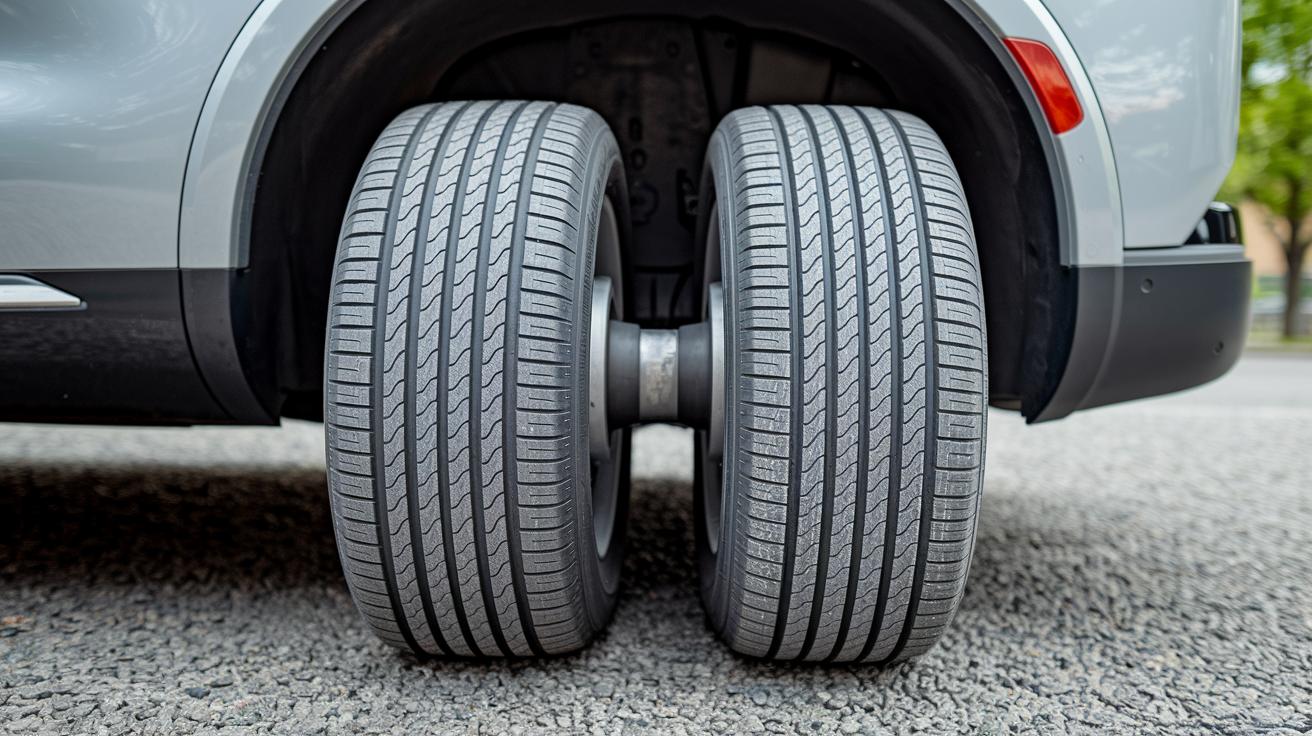
Electric vehicles pack a punch with instant torque that kicks in right away. This power, mixed with the heavy battery pack, means your tires take on extra stress, especially on the corners. When one side of your car bears more weight, the front and rear tires can wear out unevenly. That uneven wear might lower your grip on the road and make handling seem a bit off. Using a planned rotation pattern helps spread out the stress so your tires wear more evenly.
Hybrid vehicles deal with similar issues. They carry weight from both electric motors and fuel tanks, which changes how the tires meet the road. Plus, regenerative braking (when the car slows down and recovers energy) can shift the load between tires in unexpected ways. Because of these factors, you need a rotation plan that fits the vehicle’s unique weight and torque setup. Rotating your tires regularly not only balances wear but also keeps your grip strong and extends tire life. In truth, regular rotations make for smoother, safer drives every time you hit the road.
Selecting EV and Hybrid Tire Types for Effective Rotation
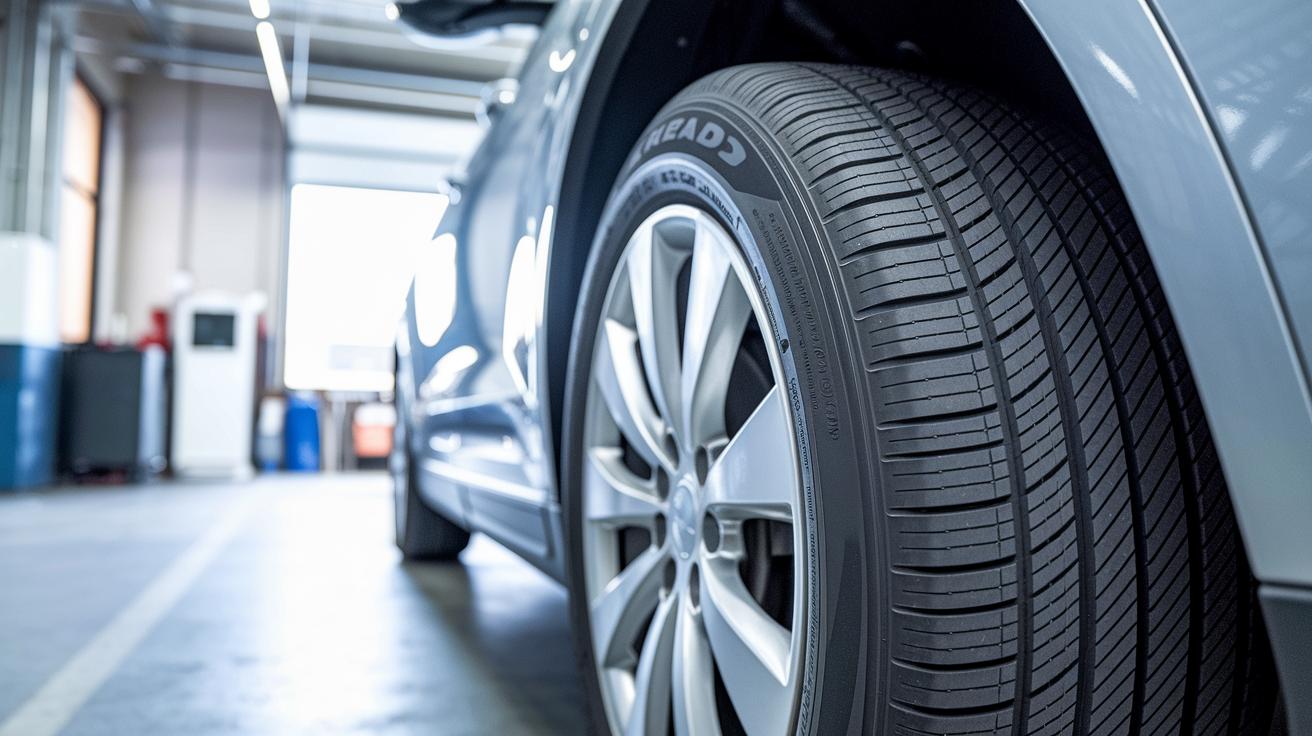
EV-specific tires use special rubber compounds and unique tread patterns to cut down on rolling resistance (how much energy is lost as your tire rolls) and protect against wear from high torque. They’re built to ease the stress on your tire surface, making tire rotations work even better. It’s like giving your tires a little extra help, kind of like how a bike tire with a great grip makes riding smoother. The high-performance materials act like a shield, helping your car handle that quick burst of power.
Hybrid vehicles usually roll on tires that are designed to lower rolling resistance, which helps save fuel and deals with the braking stress (regenerative braking is when your car recovers energy while slowing down). This smart design not only boosts your fuel economy but also makes sure the tire wears evenly. When you rotate your tires regularly, these benefits combine to keep your ride balanced and efficient. It really shows how low-rolling tires can make a difference.
| Tire Type | Key Characteristics |
|---|---|
| EV-specific | Special compound, unique tread patterns, low rolling resistance |
| Hybrid low-rolling-resistance | Better fuel economy, less stress from braking |
| Standard all-season | General performance, moderate wear resistance |
Alignment and Suspension’s Role in Tire Rotations for Electrified Cars
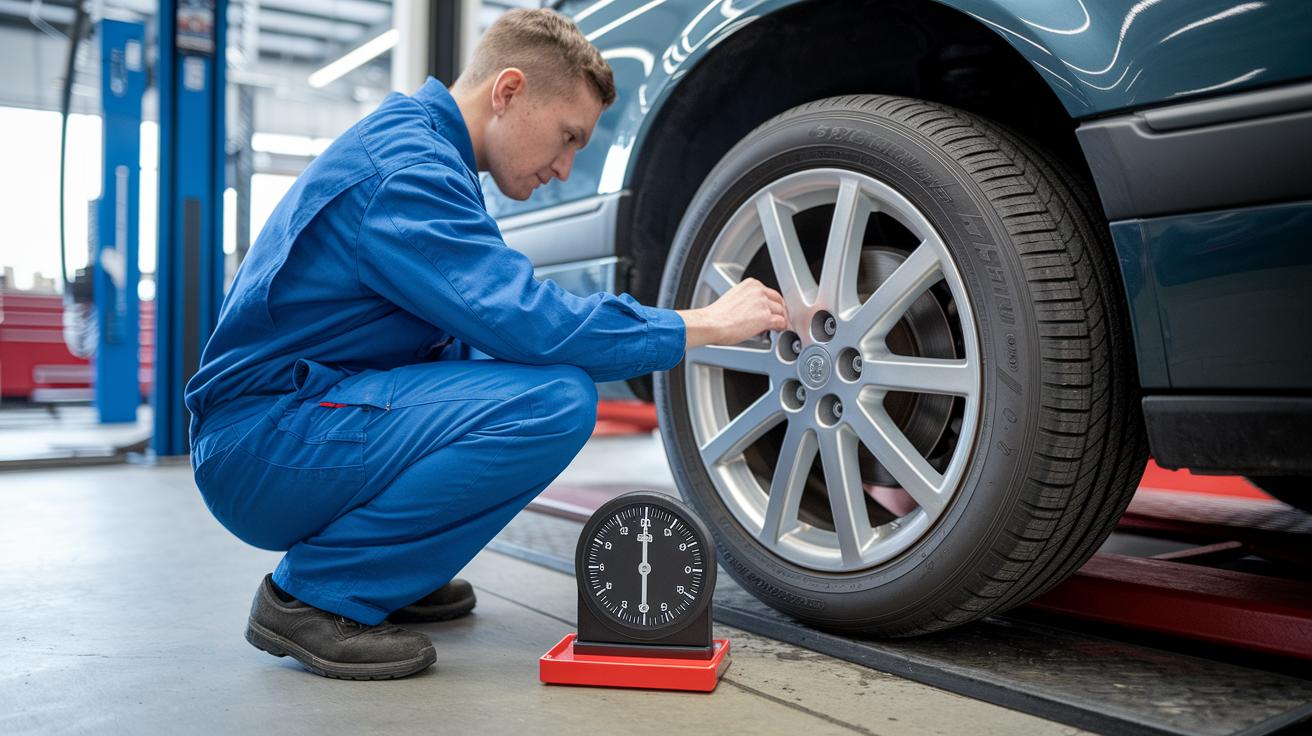
When you rotate your tires, it’s really important to check that the wheels are lined up right. This means looking at things like camber (the tilt of the wheel), toe (the angle at which the tires point), and caster (the front-to-back angle of the steering). This step helps prevent uneven tire wear, which can happen more often in heavier electric vehicles and hybrids because of that extra battery weight sinking on the springs and other parts underneath.
And that’s not all. When your vehicle gets rotated, verifying that everything aligns properly means your tires can meet the road evenly. This is what keeps your grip solid and helps your car handle smoothly. In plain terms, these checks make sure wear happens evenly, so you enjoy a safe and steady ride every time you hit the road.
Next, taking a good look at the suspension system is key to a smooth and enjoyable ride. Even a small slip in the wheel alignment can cause your tires to wear out faster or make your handling feel a bit off. Technicians often add these suspension and alignment checks to their routine service, watching closely for any stress on the undercarriage, especially from the battery weight. It’s a smart move that helps you get the full benefits of tire rotations, keeping your car safe and sound.
- Camber
- Toe
- Caster
- Tire pressure conformity
- Steering geometry
Manufacturer’s Tire Rotation Recommendations and Safety Protocols
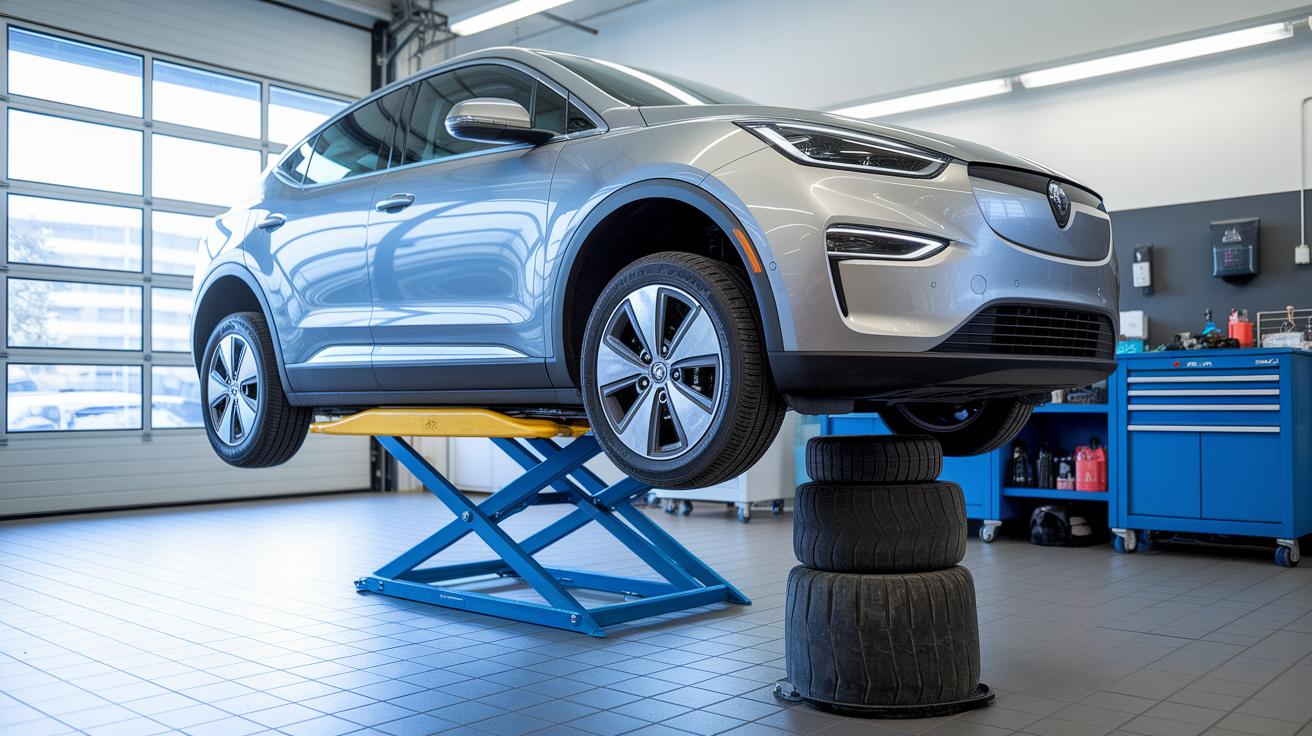
When you check your owner's manual, you'll find a step-by-step guide on how to rotate your tires. It explains the right torque settings for the lug nuts (the bolts that hold your wheels in place), the proper spacing pattern, and the order to lift your wheels. Think of it like a playbook that helps keep your tires wearing evenly for a smoother drive.
In certified EV service centers, safety is a top priority. They double-check the right spots to place the jack (the tool used to lift your car) and reset the settings on your regenerative brakes (brakes that use energy from slowing down) right after a tire swap. This careful process makes sure everything is aligned and safe, just the way the manufacturer intended.
The use of approved tools and parts is a key part of the process. Technicians follow a clear set of checks to ensure every bolt is tight and every step is done correctly. This careful work not only keeps your car in top shape but also helps your tires perform their best for a long time.
Cost vs. Benefit of Routine Tire Rotations in Electric and Hybrid Models
Even though electric cars usually need fewer fixes overall, your tires still wear out the fastest. Routine rotations help even out how the tire surface (the part that touches the road) wears down, which can save you up to 20% on tire costs over your car's life. Think of it like giving your tires a fair workout so they can stick around longer.
Rotating your tires also keeps your electric car running smoothly. When you swap them around, they stay in shape, which means your tire grip (the ability to hold onto the road) stays just right. This helps your battery-powered car get the most out of every charge, letting you drive further without extra stops or charges.
Over time, the money you save from not replacing tires too soon and the boost in energy efficiency really adds up. This little bit of care not only cuts your maintenance bills but also makes your ride more dependable. In short, a small commitment to routine rotations can do wonders for both your wallet and your driving experience.
Monitoring Wear Indicators and Digital Tools for Rotation Planning

Many electric cars now come with built-in systems that keep an eye on your tires. They have sensors that alert you when the tire tread (that’s the part of the tire that touches the road) or air pressure drops below safe levels. It’s a bit like when your fuel gauge gives you a nudge, your car lets you know it’s time to get your tires checked and rotated.
Plus, many vehicles offer mobile apps and onboard dashboards that track tire wear over time. If you glance at these tools now and then, you can plan your tire rotations based on how your tires are really doing, rather than just the miles you've driven. This smart, digital approach makes maintenance simpler, helps your tires last longer, and keeps your ride safe on every journey.
Final Words
In the action, we broke down how EVs and hybrids need careful tire rotations. We covered rotation intervals, the effects of instant torque and weight, and how tire type plays a big part in wear.
We shared hints on using digital tools and alignment checks to help extend tire life and save costs. Keeping up with tire rotation considerations for electric and hybrid vehicles helps boost performance while keeping you safe on every drive. Stay confident and enjoy smooth rides ahead.
FAQ
Do electric vehicles need tire rotation?
Electric vehicles need tire rotation because their quick power delivery and heavy battery packs cause uneven tire wear. Regular rotations help maintain balanced wear and improve overall tire performance.
How often should I tire rotate a Tesla?
A Tesla’s tire rotation is usually recommended every 5,000 to 10,000 miles or about once a year. This schedule keeps the tires balanced, which helps preserve grip and extend the tire life.
How often should I rotate tires on a hybrid vehicle?
Hybrid vehicles typically need tire rotations around every 7,500 miles. This frequency manages the wear from features like regenerative braking and low-rolling-resistance tires, keeping the ride smooth and safe.
What precautions should be taken when working on a hybrid or electric vehicle?
When working on these vehicles, it’s smart to follow manufacturer safety guides, use proper tools, and check key systems such as battery compartments and brake calibrations to avoid any damage.

