


Have you ever noticed a little shake in your car and wondered if it might be making your ride use more fuel? When your tires aren’t installed properly, your engine ends up working extra hard, kind of like trying to pedal a bike with flat tires.
Even a tiny mistake, like tires that aren’t lined up right or a pressure reading that’s off (tire pressure: the air needed to keep your tires in shape), can create extra drag and burn more fuel. Next, we’ll look at how these small errors can hurt fuel efficiency and share some easy tips to help your car run smoothly and save energy on every trip.
How Improper Tire Installation Drives Up Fuel Consumption
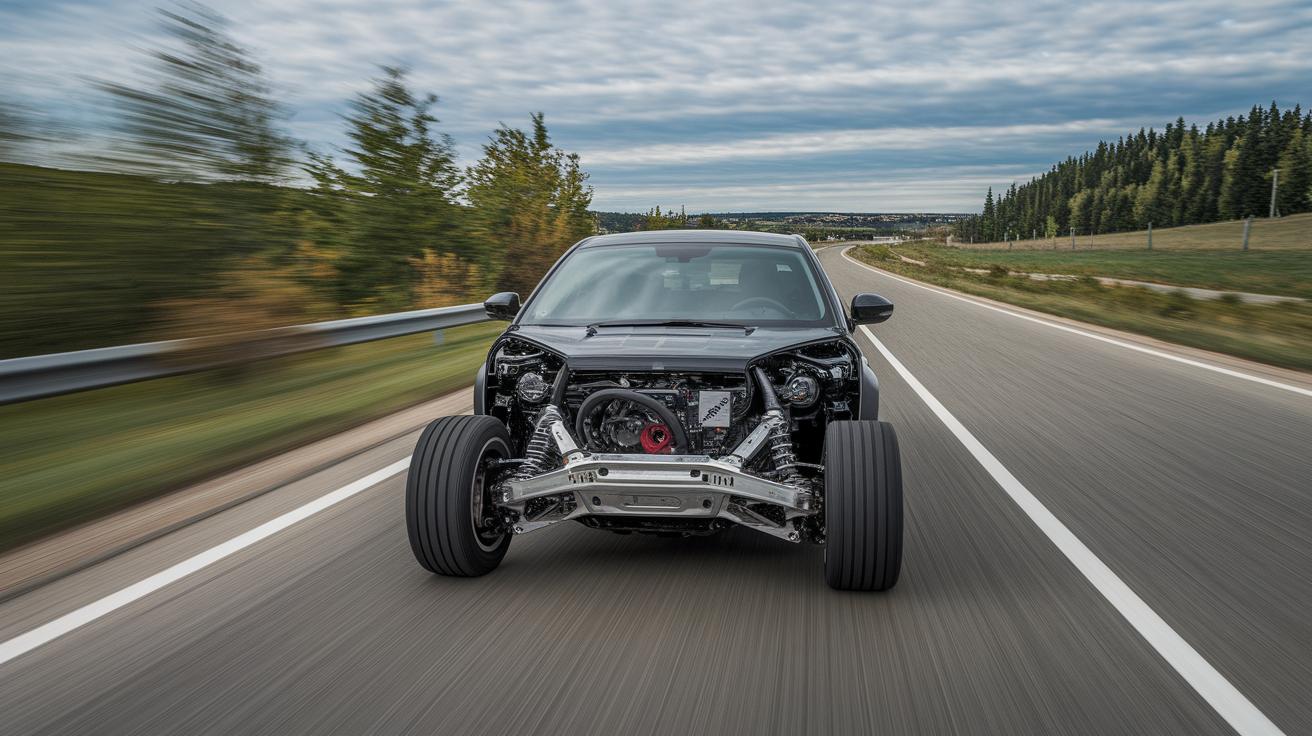
Have you ever felt a small vibration in your steering wheel or seat that just doesn’t feel right? When tires aren’t put on correctly, each drive can feel off. This misalignment forces your engine to work extra hard to smooth out the ride, burning more fuel in the process. Even a little misalignment can make the tire tread (the part that touches the road) wear unevenly, which increases rolling resistance. That means your engine uses more energy just to maintain the same speed.
Under-inflated tires add to the problem. Sometimes, a poor bead seal (the edge that holds the tire on the rim) or a faulty valve stops the tire from reaching its proper pressure. It’s kind of like trying to ride a bike with flat tires, it takes much more effort to move forward. Studies show that keeping your tires at the right pressure can save up to 3% on fuel costs. And when you combine this with other installation errors, the extra friction and drag make your engine work even harder.
Even tiny mistakes during installation, like a barely noticeable imbalance, can start a chain reaction. That slight vibration in your car isn’t just a nuisance; it’s a signal that your tires are out of balance, which speeds up wear and lowers fuel efficiency further.
By fixing these installation problems, you not only enjoy a smoother ride but also boost your vehicle’s fuel economy. That way, every drop of fuel is put to good use, helping you drive better without wasting energy on extra friction.
Common Improper Tire Installation Errors and Fuel Penalties

When tires aren’t set up right, your engine has to work extra hard because of added drag and friction. This means your car uses more fuel than it should when tires don’t perform at their best.
- Faulty bead seating (the tire’s edge that fits on the wheel not set correctly) can cause slow air leaks and low tire pressure, which bumps up rolling resistance.
- Incorrect lug nut torque can lead to misaligned wheels, so the tires drag along the road and wear unevenly.
- Poor balancing creates uneven weight distribution, making the ride bumpy and pushing the engine to stabilize the vehicle.
- A misaligned wheel mount causes the tire tread (the rubber part in contact with the road) to wear out too early, reducing grip and increasing drag.
- Loose components can lead to extra vibrations and drag, forcing the engine to work harder for a smooth ride.
- Faulty valve installation stops the tire from inflating properly, which lowers overall performance and creates extra resistance.
Technical Mechanisms: How Installation Faults Increase Rolling Resistance and Drag
When tires aren’t installed right, they can create extra resistance that forces your vehicle to work harder. For instance, if the tires are misaligned, even by a little bit, it creates more friction (the rubbing force) and drag from the side, kind of like trying to roll a ball over a bumpy surface. This extra drag makes your engine use more fuel.
Unbalanced tires are another big issue. They cause both side-to-side and up-and-down vibrations. You can think of it like riding a bike with a wobbly wheel; you need more energy just to keep the ride smooth. This extra movement means the engine must work extra hard to stay stable, which leads to higher fuel use.
Parts that don’t fit right, such as hubcaps, flanges, or bead lips, can also mess with your car’s aerodynamics. When these pieces aren’t snug, they disrupt the smooth flow of air around the tire. As a result, extra force pushes back on the tire, and more energy is needed to overcome it.
Even something as simple as tightening lug nuts the wrong way can hurt performance. When these nuts aren’t applied to the correct torque, the wheel’s positioning (think camber and toe) can shift when the vehicle is under load. This shift increases rolling resistance, and the extra friction can heat up the tire, lowering its overall performance.
| Error Type | Mechanism | Estimated Fuel Impact |
|---|---|---|
| Wheel Misalignment | Raises friction and side drag | 1-2% increase |
| Unbalanced Tires | Causes up-and-down and side-to-side vibrations | 2-5% increase |
| Misfitting Components | Disrupts airflow, boosting aerodynamic drag | 1-2% increase |
| Incorrect Lug Nut Torque | Shifts wheel angles, raising resistance | Approximately 2% increase |
Real-World Data & Case Studies on Fuel Efficiency Losses from Poor Installation

Real-world examples show that even small mistakes when fitting tires can increase fuel use. One fleet maintenance shop in 2019 found that correcting tiny misalignments and torque settings made trucks run smoother and use less fuel. It's a bit like adjusting your bike chain on a bright day, those little tweaks really add up.
Another local workshop discovered that fixing minor valve seal issues and balancing errors helped the engine respond better and cut down on slight vibrations. At first, these fixes might seem minor, but over time they show up as lower fuel bills and improved overall vehicle performance.
| Case Study | Unique Finding |
|---|---|
| Fleet Maintenance Facility (2019) | Small adjustments in alignment and torque led to clear fuel savings. |
| Local Workshop (2020) | Repairing valve seals and balancing errors improved engine performance and reduced vibrations. |
Diagnosing Installation-Related Efficiency Issues in Your Vehicle
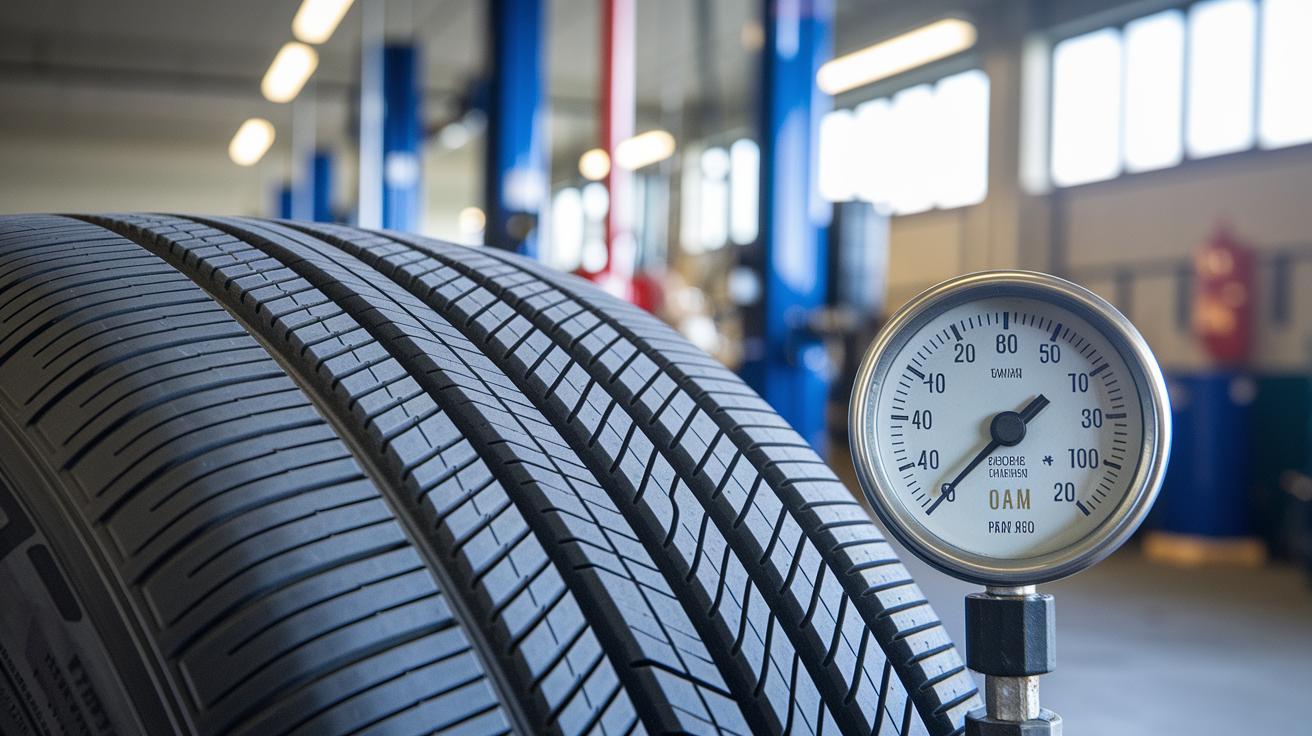
Start by taking a close look at your tires. Check for any uneven wear, much like you’d inspect a favorite pair of shoes for worn-out soles.
Next, measure the tire pressure with a trusty gauge. If the reading stays low, it might mean the tire isn’t sealed properly (the bead, which is where the tire fits the rim, may not be seated well) or the valve isn’t fitting right. Think of it like a water bottle with a cap that’s not screwed on tight.
Then, be alert for any steady vibrations in your steering wheel or seat as you drive. Such shakes can signal that the tire isn’t balanced correctly, making your ride less smooth than it should be.
If you have the right tool, check the lug nut torque. Even a small difference from the recommended setting can affect your car’s efficiency. It’s a bit like tightening a jar’s lid, you want it just right to avoid any problems.
Lastly, pay attention to unusual sounds while you’re on the road. Listening carefully under different conditions can help uncover issues you might otherwise miss.
- Look over your tires for uneven wear.
- Use a tire gauge to check for low pressure or sealing issues.
- Notice if your steering wheel or seat vibrates steadily.
- Make sure your lug nuts are tightened just as recommended.
- Listen for any odd sounds as you drive.
Best Practices for Proper Tire Installation to Optimize Fuel Efficiency

Getting your tires installed right isn’t just about safety, it also helps you save fuel. First, set each tire to the exact PSI your manufacturer recommends. Then, after a few miles, give them a quick check to catch any slow air leaks that might waste fuel by forcing your engine to work harder.
Using advanced balancing machines makes a big difference, too. They spot even tiny weight differences in your wheels, so the technicians can add just the right counterweights. This way, your tires spin smoothly, and your engine isn’t straining extra hard with every rotation.
Next, tighten your lug nuts in a star pattern and stick to the vehicle’s torque specs (usually between 80 and 100 ft-lbs). Doing so helps keep your wheels straight and prevents uneven tire wear, which can slow your car down. A proper four-wheel alignment that follows the factory settings for camber, toe, and caster allows your car to roll with less friction, making the engine’s job easier.
It’s also essential to check that the tire beads (the edges that grip the wheel) are properly seated by using a pressure gauge and a leak-down test. Keeping them snug stops air from escaping and ensures your tires stay at the right pressure. Lastly, inspect all the wheel hardware and valves before you finish up, so you can catch any issues before they affect your fuel efficiency.
Here’s a quick recap:
- Inflate tires to the correct PSI and recheck after a few miles.
- Use advanced balancing machines to find and correct small weight differences.
- Tighten lug nuts in a star pattern to the proper torque.
- Ensure a proper four-wheel alignment matching factory camber, toe, and caster settings.
- Check that tire beads are fully seated using a pressure gauge and leak test.
- Inspect wheel hardware and valve conditions before final assembly.
Professional Installation vs DIY: Maximizing Fuel Economy Through Expert Service
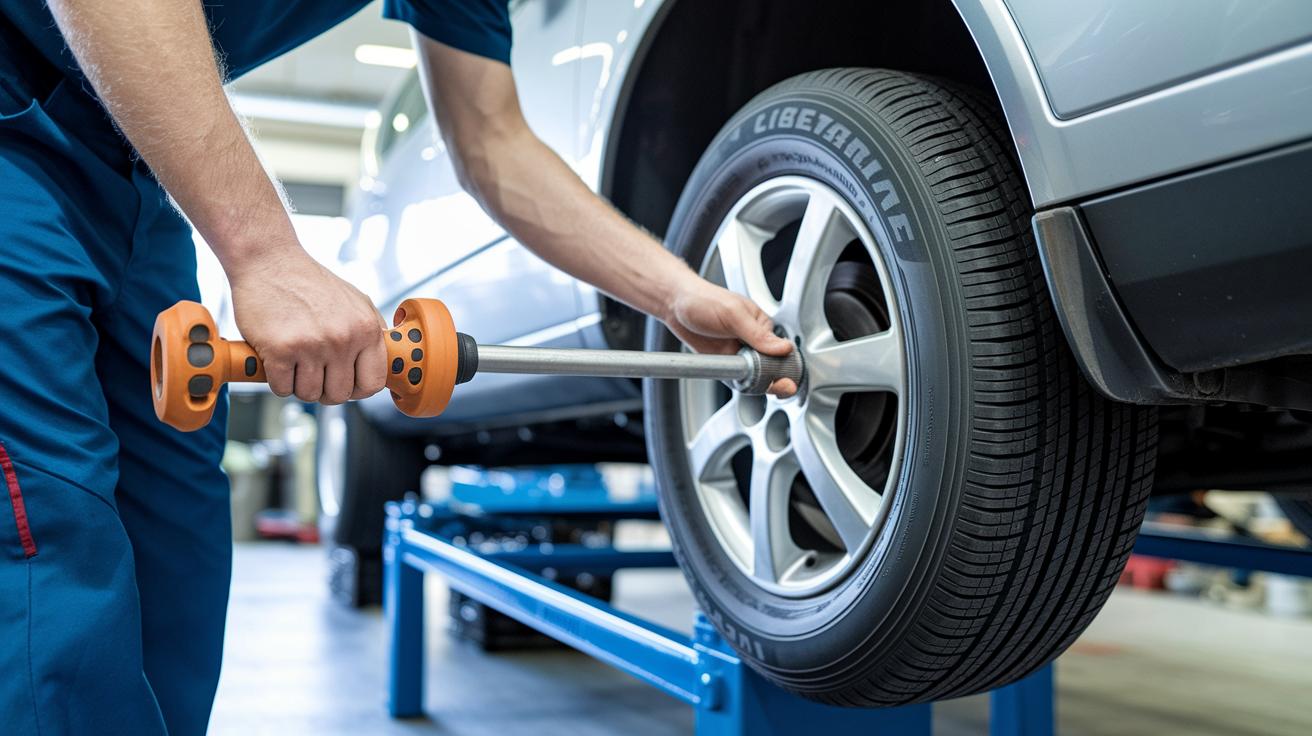
When it comes to getting the most out of your gas, having a pro install your tires really matters. Certified technicians use the right tools to set the torque (the tightness of the bolts), balance, and bead seating (how snugly the tire fits the wheel) just right. They run through a checklist that looks at your suspension, alignment, and wheel parts. One technician once said, "It’s like tuning a fine instrument where every little thing counts, skip one step, and your engine might work harder." This careful work not only helps your ride run smoother but also keeps tire warranties in check, which saves you money at the pump over time.
On the flip side, trying to install tires yourself might seem great for saving a few bucks up front. But without the proper tools, tiny issues like off-balance wheels or little misalignments might slip by. This can make your engine work extra hard, which uses more fuel. Often, a DIY fix might miss important checks that ensure everything matches up perfectly. In truth, having an expert do the job means fewer problems and better fuel economy down the road, keeping both your tires and your wallet happier.
Final Words
In action, our discussion covered how tire installation mistakes hurt fuel economy. We looked at how uneven tread wear, under-inflation, and misaligned wheels create extra resistance.
The blog unraveled the physics behind increased rolling resistance and offered clear fixes to avoid extra fuel use. Always remember the impact of improper tire installation on fuel efficiency. Following best practices and relying on expert care can reduce fuel penalties and help you drive with confidence and safety.
FAQ
What are wrong tire size symptoms?
Wrong tire size symptoms include abnormal vibrations, uneven tread wear, and loss of smooth handling that can also lower your fuel efficiency and overall ride quality.
How much difference in tire size is acceptable?
A small difference within manufacturer limits is generally acceptable; too much variation can disrupt your vehicle’s handling and fuel performance.
Can wrong size tires damage transmission?
Wrong size tires can strain the transmission by altering gear ratios and balance, leading to potential long-term damage if they are not the proper fit.
Why does gas mileage drop with new tires?
Gas mileage may drop with new tires if they’re not the proper size or installed correctly, causing increased rolling resistance which makes your engine work harder.
Can new tires improve gas mileage?
New tires can improve gas mileage when they’re correctly sized, balanced, and inflated, reducing rolling resistance and helping your engine perform more efficiently.
What does tire fuel efficiency mean?
Tire fuel efficiency describes a tire’s ability to lower rolling resistance so that your engine doesn’t have to work as hard, boosting overall fuel economy.
How do I use a tire size calculator?
A tire size calculator helps you compare your current dimensions with potential replacements. Just input your tire’s measurements and it shows if the new size fits your vehicle.
What are the pros and cons of bigger tires on trucks?
Bigger tires on trucks can enhance off-road grip and a rugged look, yet they may reduce fuel economy and impact speedometer accuracy, requiring proper modifications.
Can bad tires cause poor gas mileage?
Bad tires, such as those with worn tread or incorrect inflation, can reduce gas mileage by increasing rolling resistance and forcing your engine to use more fuel.
Does tire size affect fuel economy?
Tire size directly affects fuel economy; tires that are too large or too small misalign vehicle performance, increasing rolling resistance and lowering efficiency.
What is the 3% rule for tires?
The 3% rule for tires suggests that proper tire inflation can improve fuel economy by up to 3%, as under-inflation increases rolling resistance and fuel consumption.
What happens if I put the wrong size tires on my car?
Putting the wrong size tires on your car can lead to imbalanced driving, uneven tread wear, and decreased fuel efficiency, while also posing a risk to vehicle components.

