


Ever wonder if a tire rotation might boost your car’s value when it’s time to sell? When you keep your tires wearing evenly (this means no one tire wears out faster than the others), it tells buyers your car has been well cared for and is ready for smooth drives.
Regular rotations can help lower fuel use and make your ride steadier and safer. In fact, buyers see balanced tires as a sign of good maintenance, which can raise your car’s resale value. Let’s take a closer look at how this simple task might pay off big time.
How Proper Tire Rotation Elevates Car Resale Value
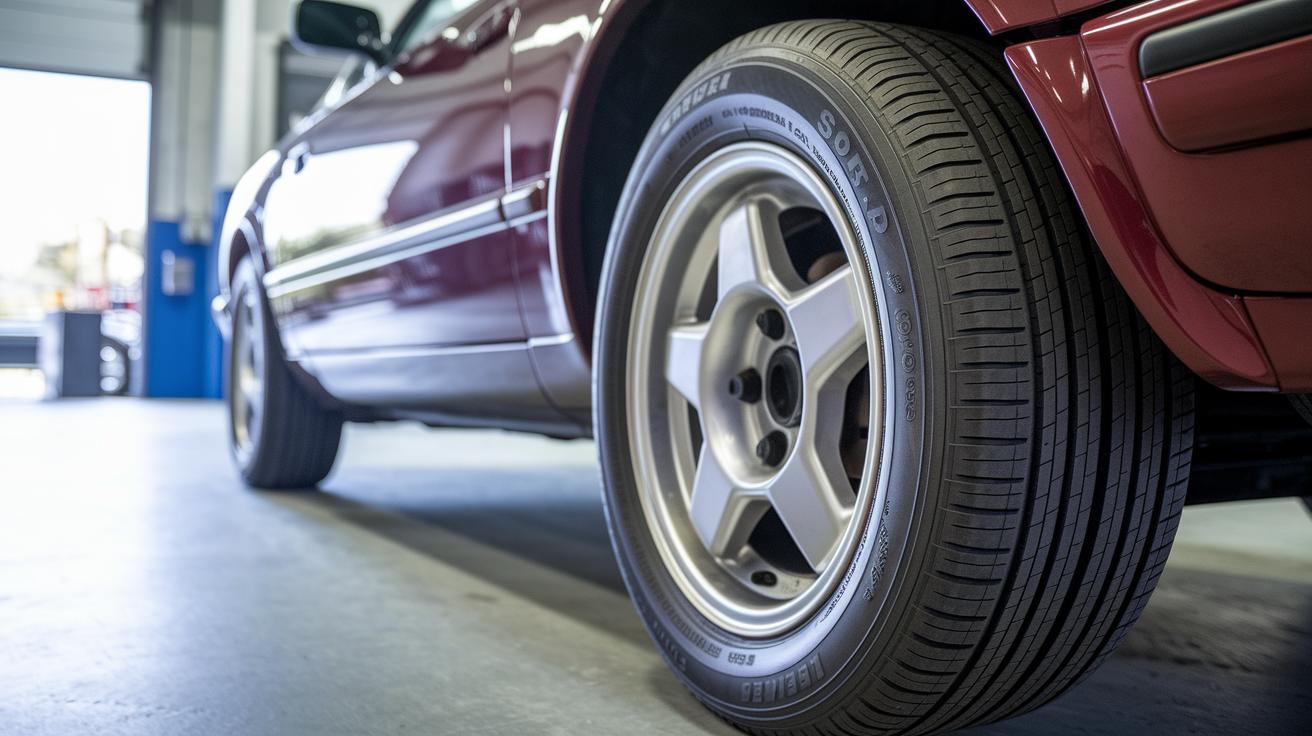
Keeping your tires in good shape is like giving your car a little extra sparkle for future buyers. When your tires wear evenly (that means they lose their grip at the same rate), your car looks well cared for and performs reliably. And really, who doesn't love a ride that feels smooth and safe?
Using a regular tire rotation schedule not only keeps your tires looking even but also helps your car run better on the road. When your tires are balanced and aligned properly, your car uses less fuel and is less likely to surprise you with unexpected issues. Buyers notice these details, which can really boost your car’s resale value.
| Key Benefits | Explanation |
|---|---|
| Longer Tire Life | Your tires last longer, meaning you won’t need to replace them too soon. |
| Better Fuel Efficiency | Even tire wear reduces rolling resistance, which saves fuel. |
| Improved Safety | Consistent traction and balanced handling help keep you safe. |
| Lower Replacement Costs | Spreading the wear can delay the need for new tires, saving money. |
| Positive Inspection Results | A well-kept set of tires makes the overall vehicle maintenance look better. |
It’s a smart move to rotate your tires every 5,000 to 7,500 miles. That way, you spread the wear evenly across all four tires. Doing this not only stops one tire from wearing out too soon but also helps with keeping everything balanced. When your car is in tip-top shape like this, buyers feel more confident, and your car’s value gets a little boost.
Recommended Tire Rotation Schedules for Higher Resale Prices
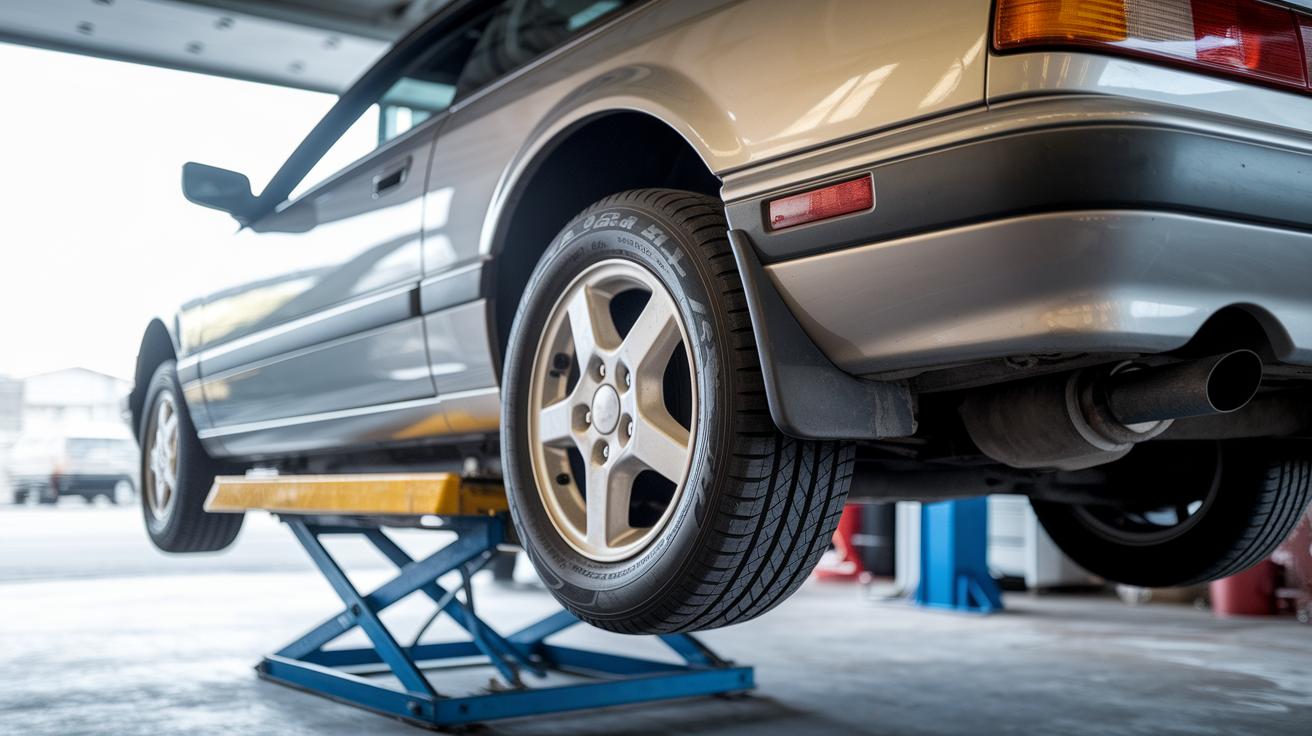
Taking care of your tire rotations is a smart way to protect your car’s value. Experts suggest changing your tires every 5,000 to 7,500 miles when you get an oil change. This routine helps spread out wear on all your tires (that means no one tire wears out too quickly), keeping them in good shape and making your car more attractive to buyers. And when you use specific rotation patterns for different drive systems, you not only improve performance but also bump up your resale price, kind of like giving your car a strong health check before selling.
| Drivetrain | Rotation Pattern | Recommended Interval |
|---|---|---|
| Front-Wheel Drive | Swap tires from front to back | Every 5,000–7,500 miles |
| Rear-Wheel Drive | Use a cross-pattern | Every 5,000–7,500 miles |
| All-Wheel Drive | Alternate using an X-pattern | Every 5,000–7,500 miles |
If you're curious about getting the best out of these patterns, check out "interpreting tire wear patterns for effective tire rotation timing" at https://tityres.com?p=1497.
After you rotate your tires, it's a good idea to get an alignment check and keep a record of what you did. This extra step not only helps your tires wear evenly, but it also shows buyers that you really took good care of your car.
Effects of Even Tread Wear on Vehicle Resale Readiness

When your tires wear unevenly, you might see different patterns that hint at common issues. For example, center wear means the middle of the tire is wearing out faster than the sides, usually because the tire is over-inflated. Shoulder wear happens when the outer parts of the tire get extra work during turns. You might also notice cupping (wavy patches on the tire surface) or feathering (tread edges that look a bit slanted). These tell you something might be off with the alignment or that there could be a small problem.
These wear problems do more than just affect the way your car handles by reducing grip and fuel efficiency. They can also lower scores during vehicle inspections. In simple words, buyers could worry about extra costs for replacing tires or paying for repairs if they spot these signs.
A smart way to keep tires wearing evenly is to rotate them regularly. When you rotate your tires, each one gets a chance to be in all positions so they wear more flatly. This not only helps your tires last longer but also keeps your car handling smooth and looking good at inspections. In the end, a well-kept tire setup can even help boost your car’s resale value.
Long-Term Cost Benefits of Preventive Tire Rotation
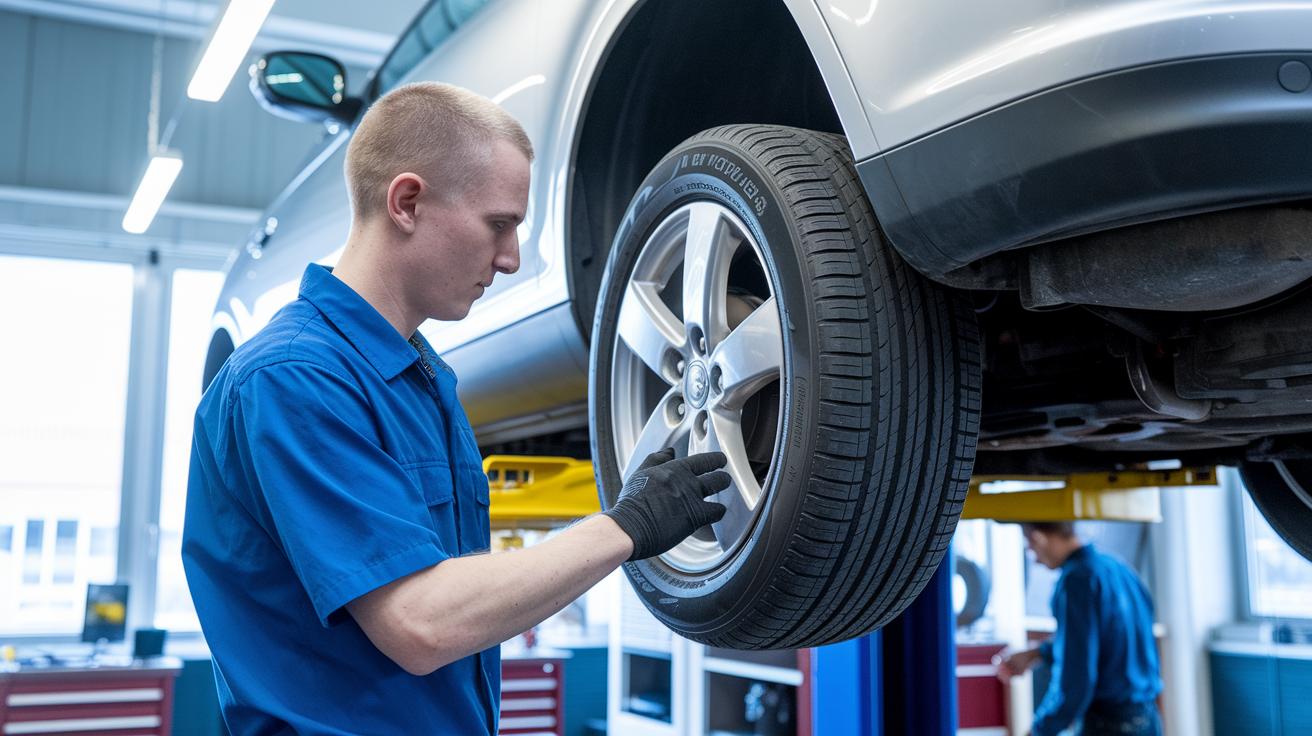
Rotating your tires on schedule helps your car drive smoothly and cuts down on spending big bucks on early tire replacement. When your tires wear evenly, it means less rolling resistance (that’s the force your engine fights against), so your engine doesn’t work as hard. Over time, even small fuel savings can add up to a lot, and delaying the need for new tires saves you even more cash.
Every time you get your tires rotated, a professional can spot early issues like misalignment or worn suspension parts. These extra check-ups help you avoid expensive repairs later on while keeping your tires in top shape. When your tires are balanced (evenly matched for a smooth ride) and aligned, your car not only runs better but also looks well cared-for, which can boost its reliability and even its resale value.
Timing matters too. You might find discounted service rates during off-peak seasons or through loyalty programs. Taking advantage of these deals lowers your maintenance expenses and helps keep your car’s value high. Keeping a record of your tire care shows you really look after your car, making it more attractive when it’s time to sell.
Professional vs DIY Rotation for Resale Value Preservation

When it comes to keeping your car's value, you might find yourself debating whether to have a pro handle your tire rotation or try it yourself. Each choice comes with its own set of perks and challenges that can affect how your car drives, stays safe, and keeps its warranty intact.
A professional tire rotation means a skilled technician takes over. They use special tools (the equipment that helps get the right grip, balance, and alignment) to ensure your tires perform their best. Plus, they often hand you a detailed inspection report that shows your car's care history, a nice bonus for future buyers. This pro service usually takes about 30 to 45 minutes, and it helps keep your car’s warranty in check while avoiding costly mistakes.
On the other hand, doing it yourself might seem like a way to save on labor costs, with tools costing around $50 to $200 in the beginning. But it comes with risks. If the job isn’t done right, you could hurt yourself, mess up the tire balance, or even void the manufacturer’s warranty. So while a DIY approach might save a little money upfront, the potential for errors can hurt your car's overall condition and future resale value.
Maintenance Records and Rotation Documentation for Selling Your Car

When you have your tires rotated, make sure to note down the date, your car’s mileage, and who did the work. You can use a simple notebook or a digital log. Also, write down extra services like wheel balancing (making sure your wheels spin evenly) or alignment checks (keeping your wheels straight). This way, you'll have clear records that show your tires have been well cared for.
Updating your log regularly builds a timeline of care that reassures buyers and inspectors. By writing down rotation dates and any extra notes, it’s like giving your car a neat report card. It tells everyone that your ride has been looked after properly.
Keeping organized records boosts buyer trust and might even lead to a better selling price. A full history of tire rotations and extra maintenance shows thoughtful care, making your car stand out in the resale market.
Final Words
In the action, regular tire rotation proves vital in keeping your car in top shape while boosting its market value. We covered how proper rotation evens tire wear, improves fuel efficiency, maintains safety, reduces replacement expenses, and gives buyers extra peace of mind. Each of these benefits contributes to a better whole when it comes to the impact of proper tire rotation on car resale value. Stick with these practices, keep your maintenance records clear, and ride on with confidence.
FAQ
How does proper tire rotation impact a car’s resale value on platforms like Reddit for brands like Chevy and Mercedes?
The impact of proper tire rotation on resale value means that even tire wear is maintained, keeping tires in good shape. This signals proper upkeep to buyers and can boost market price on various brands.
Is tire rotation necessary for AWD vehicles?
The need for tire rotation in AWD vehicles means regular rotations help keep tread wear even. This ensures consistent handling and performance, which is important for safety and resale appeal.
How often should I rotate my tires if I don’t drive much?
The question about low-mileage driving means you should rotate tires every 5,000 to 7,500 miles, or at least once a year, to prevent uneven wear and extend tire life even if your driving is light.
Is tire rotation necessary every oil change?
The idea of rotating tires with every oil change means many tie the service together for routine maintenance. While not essential for all vehicles, this practice helps maintain even wear and prolong tire lifespan.
Are tire rotations worth the money?
The inquiry about the value of tire rotations means that the service helps extend tire life, improve fuel efficiency, and maintain vehicle condition, making it a smart and cost-effective choice over time.
What does the 3% rule for tires mean?
The term 3% rule for tires means it’s a guideline where wear below 3% of the tire’s lifespan signals time for replacement. Following this helps maintain safe and efficient performance.
Does tire rotation make a difference?
The question about tire rotation’s effect means that regular rotations lead to even tread wear, better handling, and a more attractive maintenance record, all of which can improve a vehicle’s resale value.
Do tires really need to be rotated every 5,000 miles?
The idea behind rotating tires every 5,000 miles means that regular rotations spread wear evenly. This practice extends tire life, supports reliable performance, and upholds the vehicle’s overall condition.

