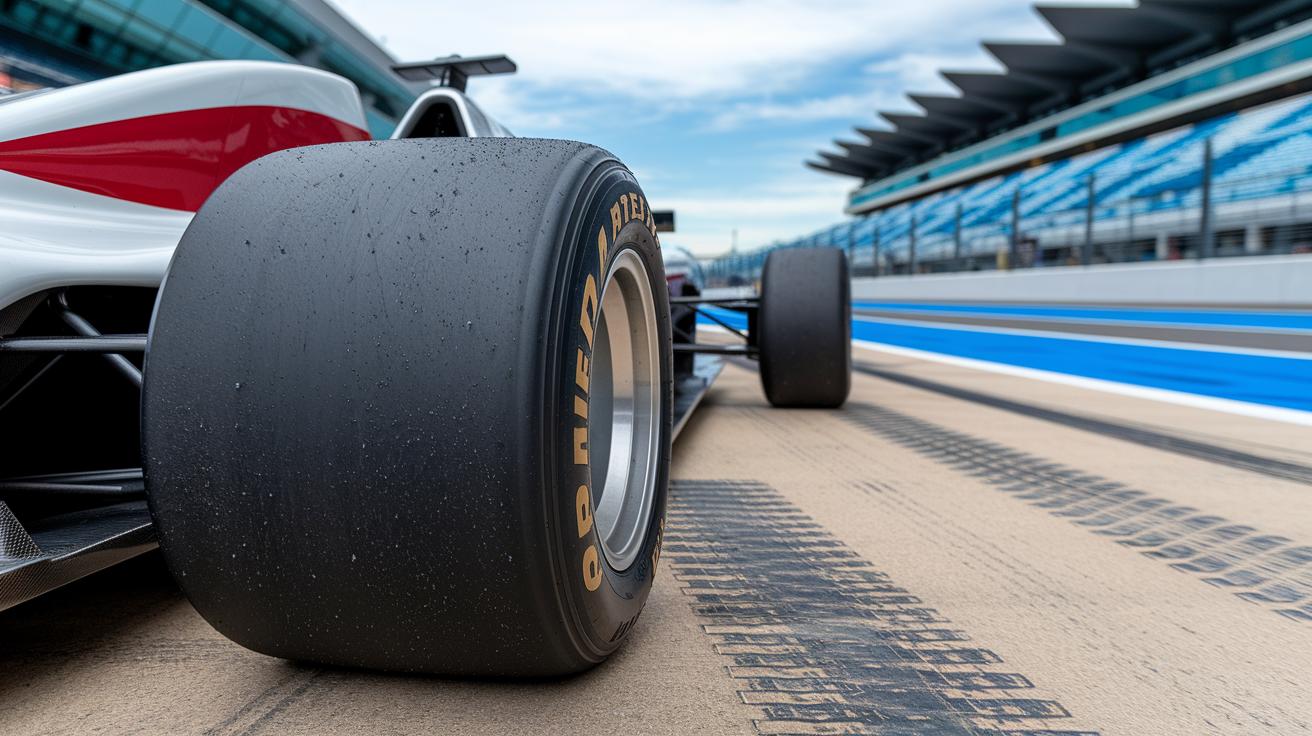


Ever notice how your car feels different on a tight turn? It might be because the weight shifts and changes how your sport tires grip the road (sport tires are designed for speed and performance).
Think of it like this: when the weight is spread out evenly, every tire stays in steady contact with the road. But if more weight is on one end, those tires have to work harder to keep you safe.
In this post, we chat about how load and weight placement can affect how your sport tires perform. Even a small change in weight can make a big difference in how much control you feel while driving.
How Load Distribution and Weight Allocation Influence Sport Tire Performance

Static weight distribution is simply how a car's weight spreads out between the front and back. Think of a 2000-pound car evenly split so that 1000 pounds rest on both the front and the rear tires. This even load helps keep the tire's grip on the road steady, much like checking your tire pressure regularly so everything stays balanced.
Dynamic weight transfer happens when you slow down, speed up, or take a turn. When you brake, most of the weight moves forward, giving the front tires extra grip but leaving the rear a bit less sticky. On the flip side, when you accelerate, more weight goes to the back, which can make the rear tires cling more to the road, though it might cause the car to push wide in a turn if things get out of balance. In a curve, the load shifts side-to-side and changes how the tire meets the road, affecting handling.
How the car's mass is set up plays a big part in how these forces work on your tires. More weight can heat up a tire's inner rubber (the part that softens when it gets warm), which might cause the tread to wear out faster. If the tire's compound is made stiffer, it may handle a balanced load better, but that same stiffness might not feel as smooth if the weight isn't spread out evenly. In short, getting the weight right is crucial for making sure your sport tires work their best.
Effects of Static Mass Allocation on Tire Grip and Contact Patch
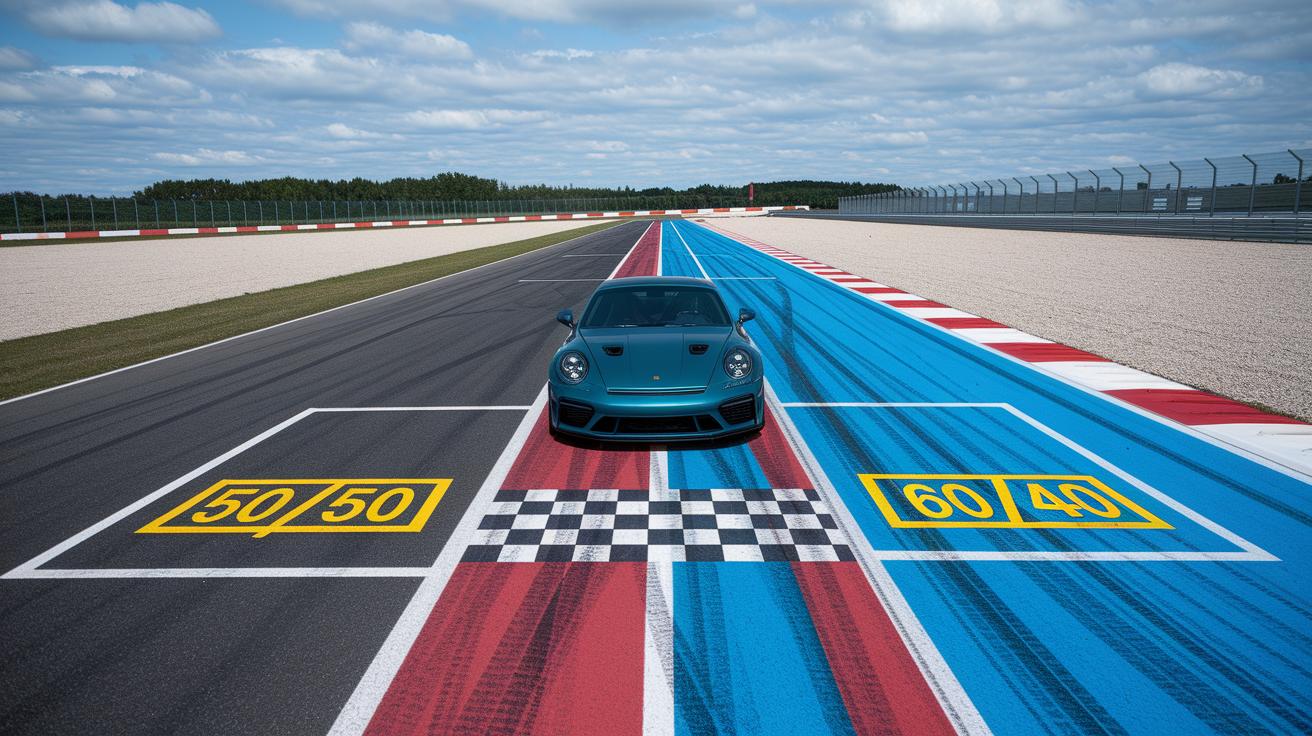
When your car's weight is spread evenly over the tires, each one can hug the road nicely. A balanced setup, like a 50/50 split, means every tire gets the right pressure to maintain steady grip both from side to side and front to back. It’s a bit like your car having a secret grip booster that keeps it firmly connected to the pavement.
On the flip side, if the weight isn’t balanced, say a 60/40 split, the tires behave quite differently. The front tires might lose grip, leading to understeer, or the rear tires might not hold on well, causing oversteer. Basically, the car’s center of gravity, which shifts with the engine layout (front-engine or rear-engine), can change how much weight each tire carries. Even small imbalances can change the contact each tire makes with the road, affecting how the car handles during everyday drives or even on a more spirited outing.
Dynamic Weight Transfer During Acceleration, Braking, and Cornering

When you hit the brakes hard, your car’s weight moves forward. This gives the front tires extra grip while the back tires lose a bit of their stickiness. It’s like the car leans forward so much that the front is doing all the work to keep you safe. Studies show that this shift changes the part of the tire that touches the road.
When you accelerate quickly, the weight shifts back. This extra pull at the rear helps the back tires stick to the road, though sometimes it can make the car feel like it’s drifting a bit wider in a turn. Imagine a strong burst of speed that makes the rear hold on tight while subtly affecting how the car steers.
While taking a corner, weight moves to the side, which creates what experts call slip angles. In simple words, the tires might not follow the steering direction perfectly. Keeping these angles balanced between front and back helps the car go smoother. Engineers have measured this to find the best way to keep your ride comfortable.
| Driving Mode | Weight Shift | Effect on Tires | What It Means |
|---|---|---|---|
| Braking | Forward | More grip at the front, less at the rear | The contact area of the tire changes |
| Acceleration | Backward | Better rear traction, with a hint of steering change | Short-term shift can make steering feel different |
| Cornering | Sideways | Formation of slip angles that affect grip | Balancing these angles keeps the ride smooth |
Load-Induced Heat Buildup and Tread Wear in Sport Tires

When a tire has extra weight, its inner rubber warms up more quickly. This extra heat makes the tread compound (the bit that grips the road) break down sooner and lose some of its stickiness. It’s like running with a heavy backpack, you get tired faster. Fun fact: a heavily loaded tire can heat up so fast that even a quick, hard brake can make it lose grip.
If the weight isn’t spread out evenly on the tire, you might see wear in different patterns. One side may wear out quicker (feathering), or you could see little worn patches (cupping). These signs tell you the tire isn’t sharing the load evenly. Tests with set loads and temperatures help our engineers track how well a tire holds its grip on curves. They even check these results against standard ratings like UTQG to see how long the tire will work well.
When a tire carries more weight, the extra heat comes along too, speeding up wear even more. Imagine a piece of chewing gum getting soft and not as sticky when it warms up. When a tire can’t grip the road as it should, it might make your car less stable when you take turns. That’s why it’s important to keep the load balanced, which helps reduce heat buildup and keeps wear even.
Tire Construction Variables Responding to Load and Weight Distribution

When your tire carries heavy loads, the firmness of its sidewall really affects how it performs. A stiff sidewall pushes force to the tread, which shapes the small patch where the tire meets the road. It’s a bit like stepping on a sponge: a hard sponge pushes back evenly, while a soft one might squish in different ways.
Composite layering mixes different belt layers with special rubber compounds (materials that help hold the tire together). These layers work together to support weight without losing grip. Designers focus on making sure the tire bounces back quickly after every bump. Imagine a well-made tire snapping back into shape after a quick stop; that’s the kind of rebound they aim for.
Engineers also study how much bending and twisting a tire can handle. They use a mix of materials to build tires that perform well, especially on smooth roads. But if the load isn’t spread out evenly, the tire might feel a bit rough. It’s all about finding that happy medium.
Vibration reduction is another important part of tire design. When you drive over uneven surfaces, the right build helps smooth out the ride. Excess rigidity can give you precision on level ground, yet if weight shifts suddenly, it might make the ride a bit bumpier.
Practical Strategies for Optimizing Weight Distribution in Sports Vehicles
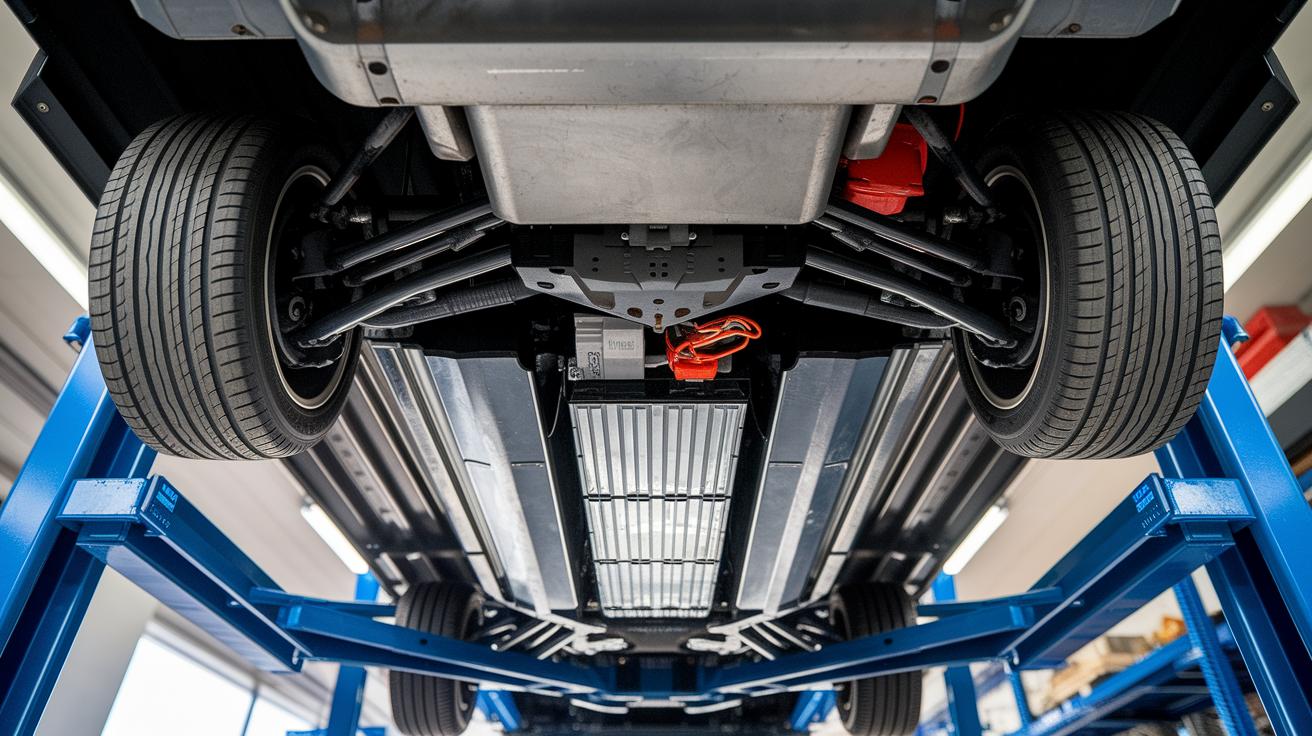
One smart trick to boost tire performance is to move around heavy parts in your car. Shifting items like the battery or fuel cell (which stores energy for your car) to a more fitting spot can balance the weight on each side. For example, sliding the battery toward the middle helps each tire carry a similar load.
Another cool idea is to adjust the suspension. When you tweak things like anti-roll bars and dampers (devices that control how the car moves over bumps), you can manage how the weight shifts during sharp turns. So when your car leans a bit, these adjustments keep the tires firmly on the road. It’s a bit like balancing a see-saw so that neither end dips too far.
Aerodynamic upgrades are important too. Adding wings or splitters creates extra downforce at high speeds. This extra force presses the car down closer to the road, which spreads the load more evenly. Imagine a wing that not only gives your ride a sporty look but also helps press the rear tires onto the track during fast driving.
- Ballast placement fixes steady imbalances.
- Suspension tweaks handle shifts when taking corners.
- Aerodynamic parts help spread the load evenly.
All these tips work together to improve tire grip, handling, and overall performance, making your drive smoother and more confident.
Final Words
In the action, we broke down how weight allocation shapes sport tire behavior. We chatted about static loads, dynamic weight shifts, and how these moves affect grip and wear. We also saw how tire design and car setup work together to deliver predictable performance. All these factors, along with the impact of load and weight distribution on sport tire performance, keep your ride safe and reliable. Keep enjoying every mile with confidence and a smile.
FAQ
What does a 60/40 weight distribution car mean?
A 60/40 weight distribution car means 60% of the weight is at the front and 40% at the rear. This spread influences tire grip and handling during braking and turns.
What is weight transfer in a vehicle?
Weight transfer in a vehicle refers to the shift of load between the front and rear tires during acceleration, braking, or turning, which alters grip levels and overall vehicle performance.
What is weight transfer in physical education?
Weight transfer in physical education means shifting body weight from one leg or side to another during movement exercises, helping improve balance and coordination.
What is the weight transfer formula during braking?
The weight transfer formula shows that load shift equals deceleration divided by gravity, multiplied by the height of the center of gravity. This helps estimate tire grip changes during braking.
How does weight distribution affect acceleration and overall performance?
Weight distribution affects acceleration by influencing the load each tire carries. A balanced spread boosts grip and vehicle response, while uneven loads can slow acceleration and reduce handling precision.
What are the effects of weight distribution on a vehicle?
Weight distribution impacts a vehicle’s handling, braking, and cornering. Even splits promote stability, while uneven splits can cause understeer or oversteer, depending on which end carries more weight.
How much does tire weight affect performance?
Tire weight affects performance by altering unsprung mass, which impacts acceleration, braking, and handling responsiveness. Lighter tires generally offer improved performance in these key areas.
What does weight transfer in racing mean?
In racing, weight transfer means shifting load during rapid maneuvers like braking and cornering. This change influences tire grip and helps drivers maintain better control at high speeds.
How can I calculate car weight distribution?
A car weight distribution calculator computes the front and rear load percentages based on vehicle weight and load positions, giving drivers clear insights for optimizing tire balance and handling.
What is weight distribution in the human body?
Weight distribution in the human body refers to how mass is spread across different regions. Proper distribution supports balance, improves posture, and aids efficient movement during daily activities.
What is the best weight distribution for a sports car?
The best weight distribution for a sports car is typically around 50/50, offering balanced grip and precise handling. This even spread enhances performance during tight turns and at high speeds.
How does weight distribution affect acceleration?
Weight distribution affects acceleration by determining the force on each tire. Balanced weight leads to better tire grip, resulting in quicker acceleration and more responsive overall performance.

