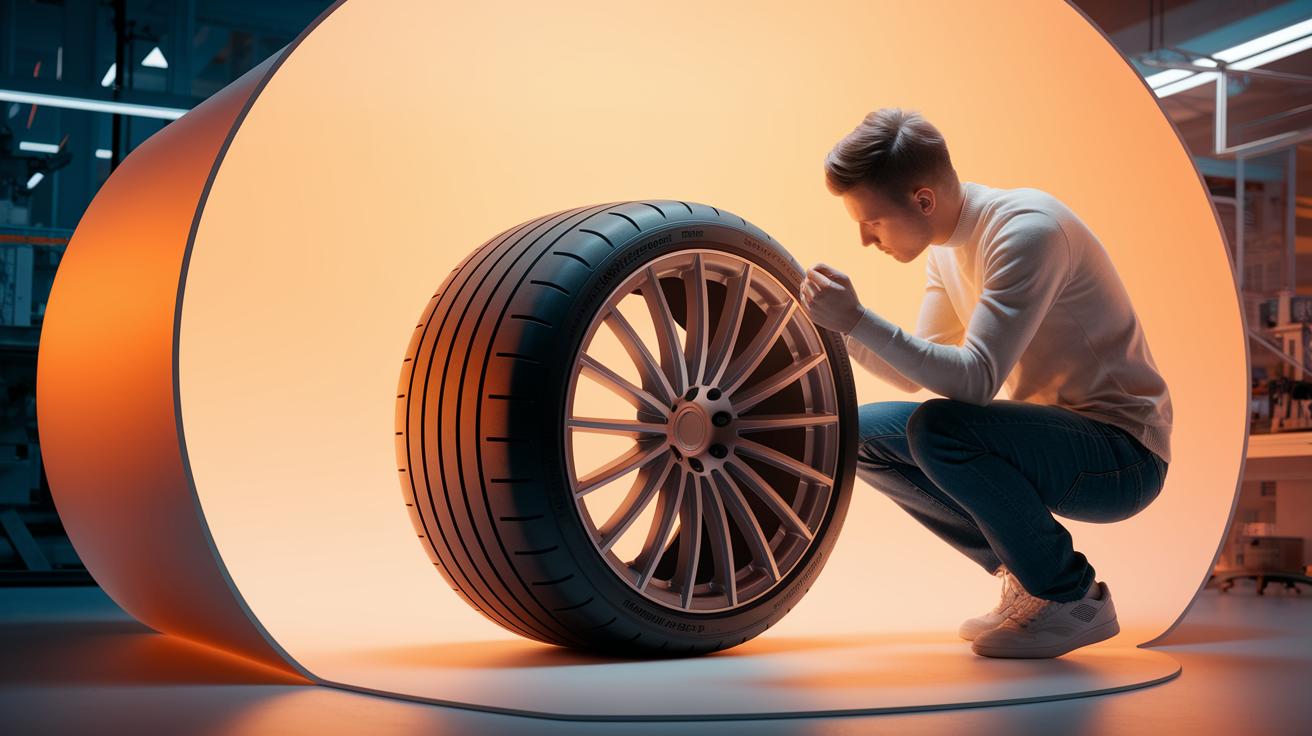


Have you ever wondered what the future of race tires might hold? As fans cheer for high-speed competitions, the push for better performance and eco-friendly choices has designers mixing new rubber recipes with smart testing tools.
Record growth in the market and a focus on green options are setting the stage for tire makers to create models that stick to the road better and last longer. In this piece, we explore the exciting changes that promise to transform the way cars perform on the track and on the street.
Major Drivers of Future Sport Tire Engineering and Design

Big changes in sport tire design are coming from drivers’ rising expectations and the need for top-notch performance. The global tire market is on track to grow steadily from 2022 to 2028, which pushes tire makers to come up with innovations that go beyond just the basics. At the same time, eco-friendly tires are speeding ahead, with their segment growing much faster as designers work on greener, more sustainable options for both race tracks and city streets.
Lately, more folks have been watching Formula One, and that shift has boosted the demand for high-quality racing tires. Plus, in electrified racing series like Formula E, tires have to react quickly to powerful bursts of energy and rapid changes. This means manufacturers are busy perfecting the mix of high-speed performance, solid grip (which helps keep the car safely on track), and overall safety.
Competition and high customer expectations have pushed engineers to adopt advanced testing methods and digital feedback systems. Now, they use real-time data and new simulation tools to see how tires hold up even in the toughest conditions. Trends in future auto innovations are guiding these efforts, helping the industry balance speed, safety, and eco-friendly design. All of this work, from high-speed performance checks to careful testing, ensures that the next generation of sport tires will handle better, last longer, and be kinder to our environment.
Market changes and new technologies are heating up the competition as companies fine-tune performance standards and cut down on environmental impact. This pressure drives fresh ideas and innovative tests that keep improving tire design.
Next-Generation Sport Tire Rubber Compounds and Material Research
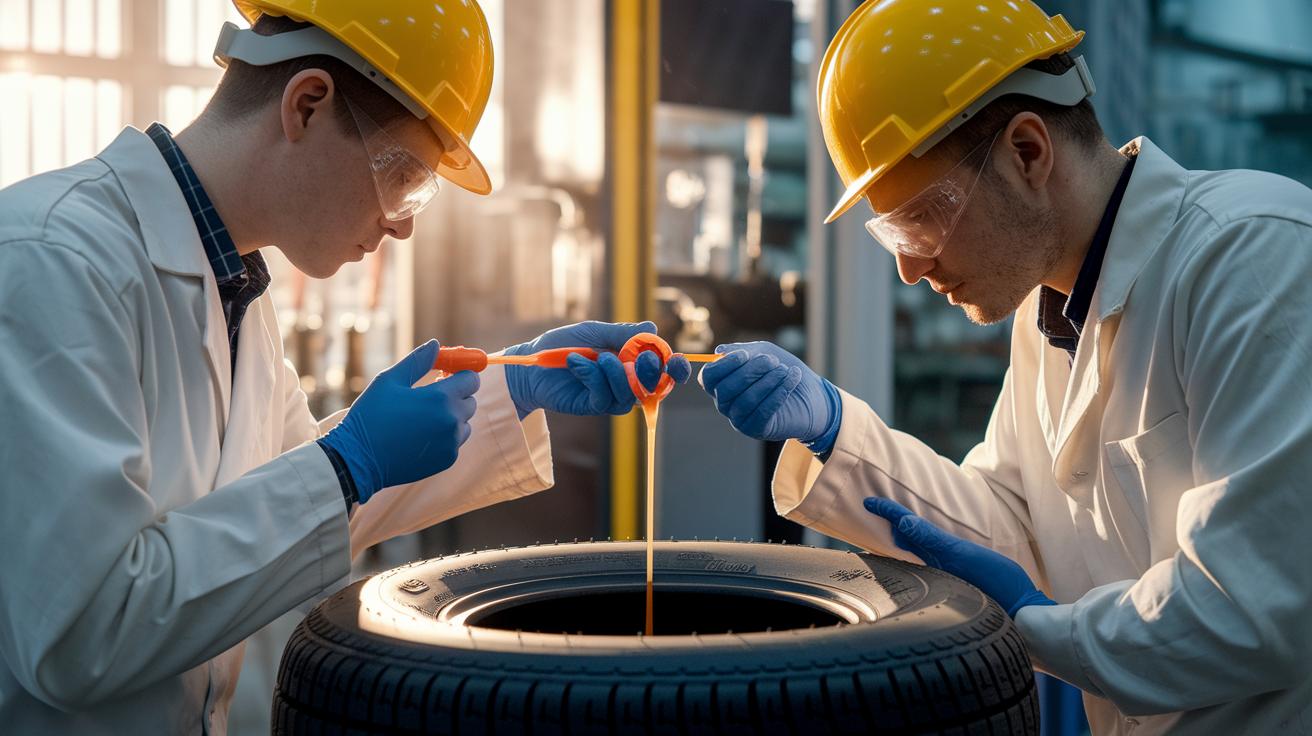
Engineers are exploring tire materials in really cool new ways. They’re coming up with compounds that can almost fix themselves while you’re driving. Think of it like a band-aid for your tire: when a small puncture happens, tiny capsules burst open and release a fluid that seals the cut, keeping you on the road until you can get a check-up.
It gets even better. New rubber types with hydrogen bonds (which help the material bounce back) can recover up to 80% of their strength after a rough patch within 24 hours. That means after a bumpy ride, your tire isn’t left behind, it almost returns to its original form, giving you more confidence when you need it the most.
On top of that, researchers are playing around with nanotech coatings. Adding very small particles, like nano-silica and graphene (materials that make the tire tougher and add extra grip on wet roads), gives tires improved heat resistance and durability without weighing them down.
There’s also Goodyear Recharge, which uses a tread compound that can renew itself. Its smart capsules, driven by AI, let the tire refresh over time so you can enjoy steady performance without thinking twice.
For more details on these compound improvements, check out the article on the impact of tire compound innovations on performance at tityres.com.
In short, all this advanced research in tire compounds and materials is paving the way for safer, longer-lasting, and more reliable sport tires, ready to take on the challenge of the road and track with you.
Intelligent Sport Tire Tread Pattern Technologies for Enhanced Grip

Engineers are taking tire grip to a whole new level by using smart, data-backed tread designs. One cool example is Continental ContiAdapt. It has three different tread zones and tiny micro-compressors (little pressure controllers) that keep the tire pressure low, below 1 bar. This setup helps the tire hold onto the road even when conditions get tough.
These days, AI design tools are a game changer. They run thousands of tests in a virtual world to find the best shapes and cuts in the tire (sipes are those small slits that help grip). The result is a tire that almost feels like it can think on its own, quickly adjusting for strong braking, sharp turns, and rapid starts. Imagine a tire that’s like your own smart assistant on the road.
Engineers have even taken inspiration from nature. They look at natural patterns, such as the way geckos stick to surfaces, and bring that magic to tire design. In fact, engineers found that copying tiny natural details can bump up traction by as much as 20% in wet weather.
These exciting advances in tread design make braking, cornering, and overall driving feel more secure. It’s like having a reliable friend by your side on every curve and downhill stretch.
Smart and Connected Sport Tires: Embedded Sensors and IoT Diagnostics
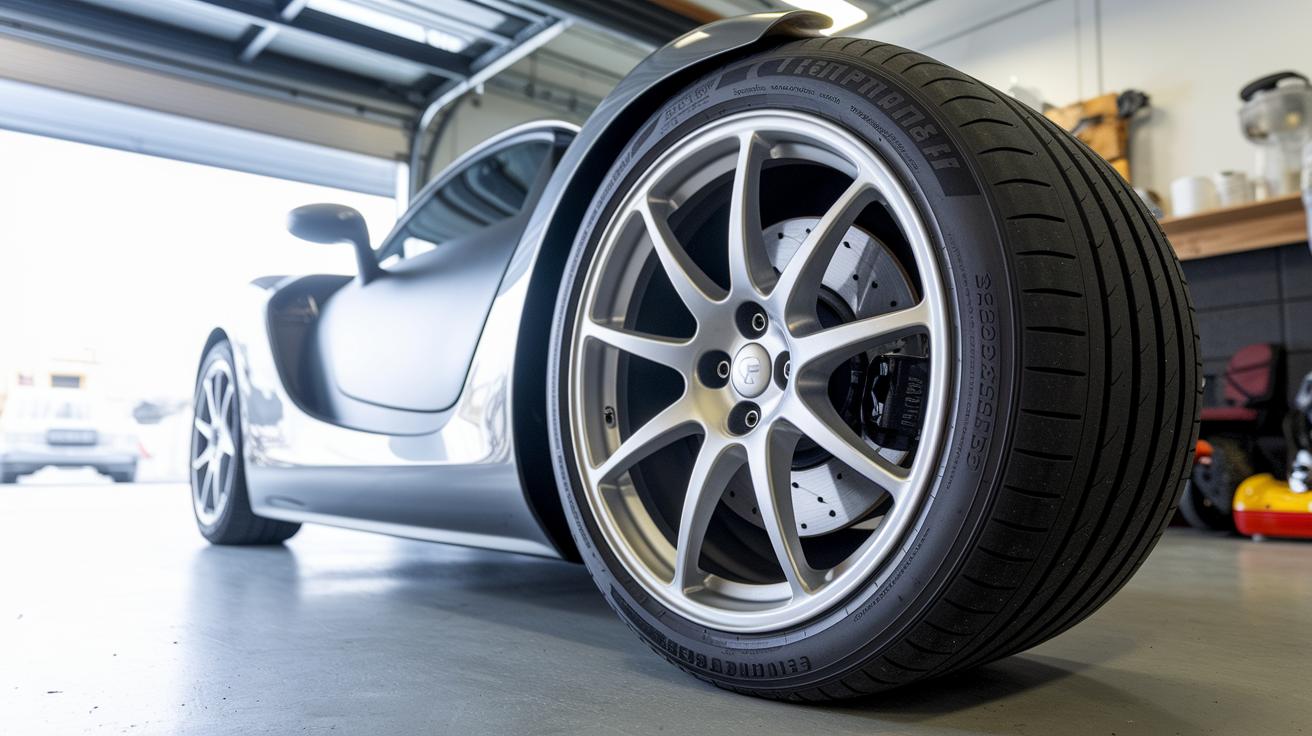
Modern sport tires now come with little sensor arrays that check things like pressure and temperature every 4 or 5 seconds. It’s like having a tiny health check for your tires, giving you updates as easy as a text message on your phone.
At the heart of these smart tires is the MLX91805 accelerometer. This small device can grab up to 10,000 readings every second (think of it like catching every bump and jolt along the way), which means even a tiny vibration gets noted so you know exactly how your ride is holding up.
On the IoT side, digital panels mix tire info with your car’s control system. For example, Goodyear SightLine sends live tire updates right to your dashboard, helping improve handling, braking, and cornering by spotting issues before they turn into big problems.
The system also includes predictive maintenance that turns fresh, real-time data into helpful tips. This means you can get on top of maintenance early, cutting down on risks and keeping your performance steady even on tough roads.
Digital Simulation, AI, and Virtual Prototyping in Sport Tire Design
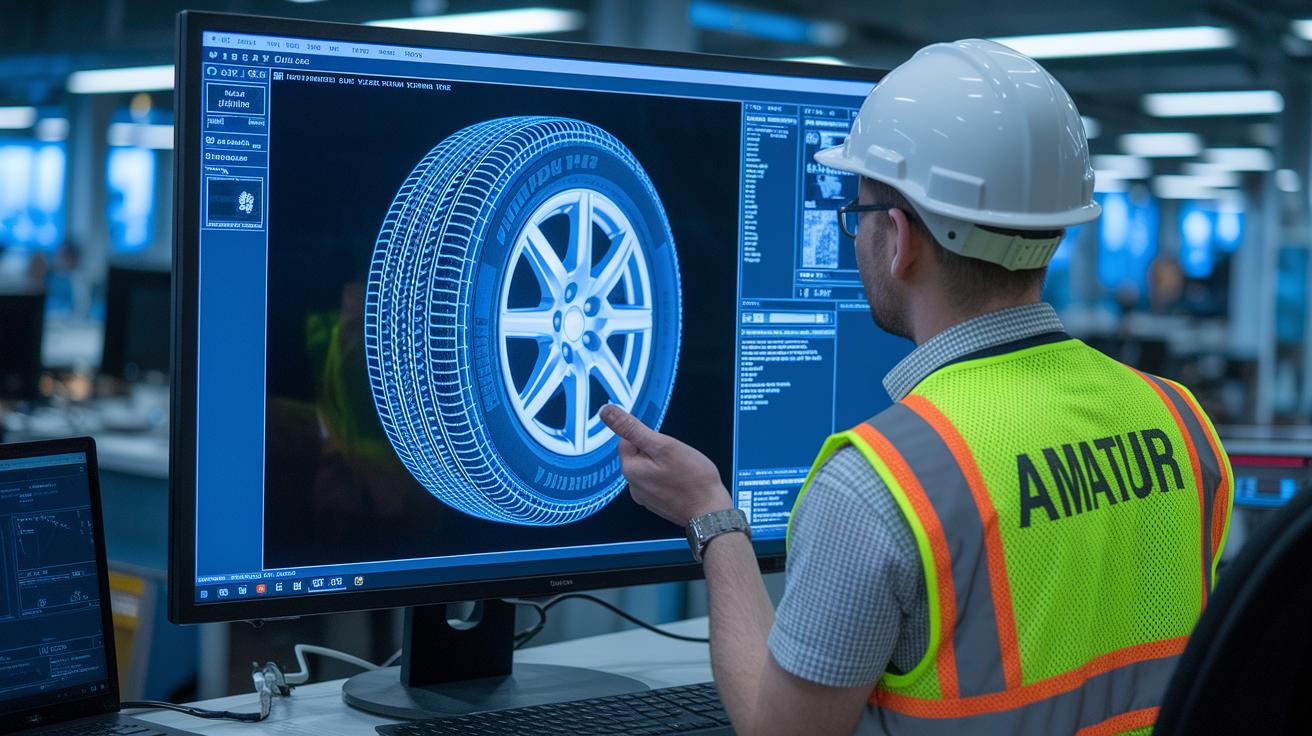
Digital simulations are changing the way engineers design sport tires. Today, they can use a full digital twin of a tire to test how it performs and wears over time. This means fewer real prototypes and a lot less waiting around. Think of it like playing a video game where every level helps you know if the design can handle the pressure.
Engineers now rely on computer-driven research that uses finite element simulation (a method that breaks a tire into small parts to study each piece). They might test different tread patterns to see which one spreads out heat the best by running thousands of digital scenarios. Fun fact: tire tests used to take weeks and cost loads of money, but digital prototypes can give you answers in just a few hours. AI-assisted tuning then tweaks the tread, compound, and structure quickly and efficiently.
Another smart move is making a digital twin of a tire. This virtual copy lets engineers mimic real-life conditions, try out new materials, and adjust the design without a risky track test. Tools like XSENSOR’s HS Tire system and X3 Tire Testing provide the precise data needed to ensure these digital tweaks meet strict standards in labs and on the road. This digital approach not only cuts costs but also speeds up the process, making sure each tire design is at its best before it even goes into production.
Aerodynamic and Structural Optimization Strategies for Sport Tires
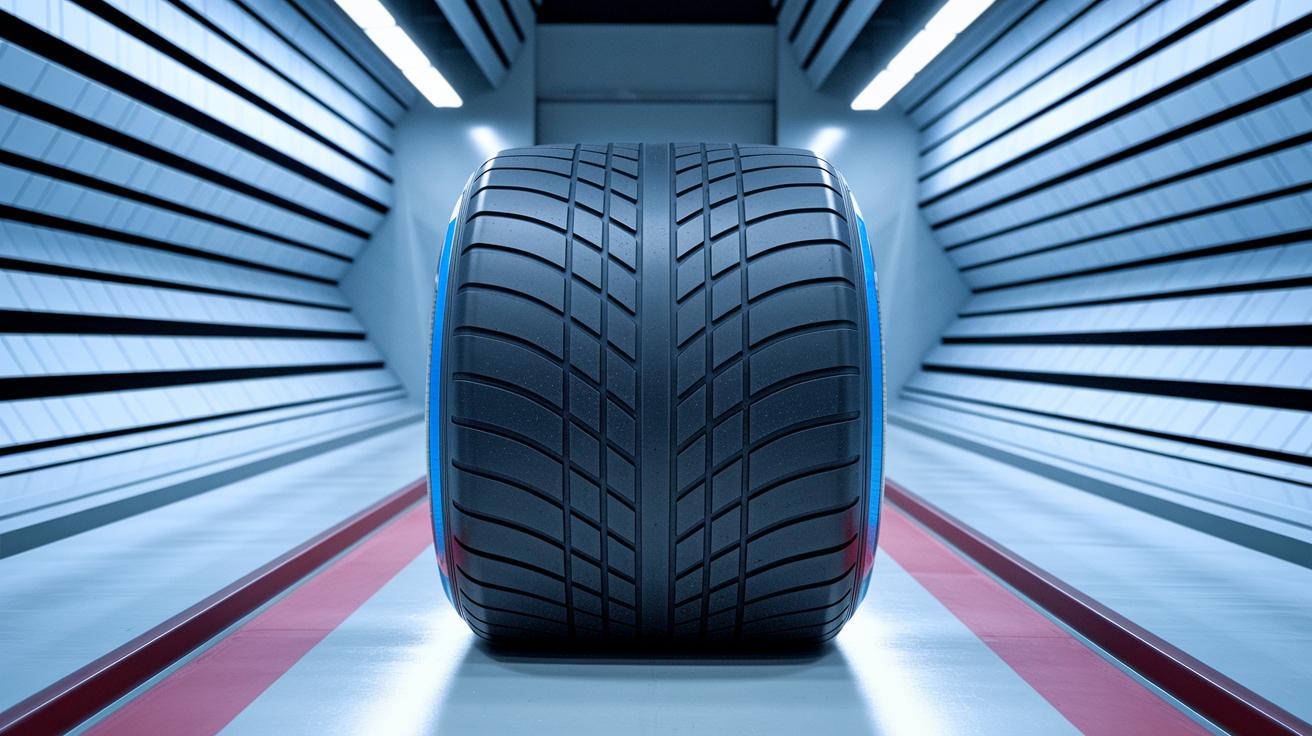
Engineers are busy tweaking tire design to cut drag and keep tires steady even when speeds are high. They adjust the shape of tread blocks, the curves of the sidewalls, and the stiffness of the tire layers (the carcass) so the tires grip the road better while staying safe.
Cool features like grooves that channel air and contoured sidewalls help reduce wind resistance. This means the tire goes smoother and works more efficiently when you're racing or speeding down the road.
Design experts also mix in lightweight materials to boost performance. Think of it like swapping part of an old heavy backpack for a lighter one without losing strength. These materials, along with improved ways to spread heat, make a big difference. For example, graphene and nano-silica (tiny particles that help spread heat) let heat move away quickly during hard use. Imagine running on a cool road after a hot day, the tire cools down fast and keeps going strong.
By cutting friction and cooling better, tire makers make the ride more stable. This extra stability is important when taking quick corners or speeding up suddenly. Smart testing and careful design ensure every part of the tire works together like a good team, giving drivers a smoother and more predictable ride even when the road gets tough.
Sustainability and Eco-Friendly Material Innovations in Sport Tires
New materials are steering sport tire designs onto a greener track. Tire makers are using recyclable and bio-derived rubber compounds (rubber made from renewable sources) to build tires that can be reprocessed and reused. It’s a bit like having a reusable water bottle that you can fill again and again while cutting down on waste.
A great example is the Michelin Uptis airless tire. Tested over 3 million kilometers, it can last between 50,000 and 100,000 miles. This impressive durability helps reduce tire waste and even comes with self-healing technology that seals small punctures on the spot. Imagine not needing to carry an extra spare tire, that’s like lightening your load on a long drive.
The sustainable tire market is growing fast at about 16.87% each year. More research is going into using biodegradable materials, making sustainability a core part of every new tire design. Manufacturers are focusing on eco-friendly materials and lifecycle management to tackle global environmental challenges while delivering performance you can trust.
Final Words
In the action, this post explored key market forces and technical breakthroughs that are reshaping how sport tires are built. We touched on tire compound advances, smart sensor systems, and digital simulations that help perfect how tires perform at high speeds.
We also looked at design tweaks that cut drag and boost heat dispersion, plus eco-friendly materials that make tires last longer. Trends like these promise an exciting road ahead for future trends in sport tire engineering and design. Enjoy the ride ahead.
FAQ
What market factors are steering future sport tire design?
The market factors steering future sport tire design include rising global tire demand, growth in sustainable segments, and increased electrified motorsports viewership. These forces drive the push for advanced performance and eco-friendly innovations.
How are new rubber compounds shaping sport tire performance?
The new rubber compounds shape performance by using self-healing materials and bio-based polymers with nano additives that boost grip, heat resistance, and tread life, offering better durability and safety on the track.
How do intelligent tread pattern technologies enhance tire grip?
Intelligent tread pattern technologies enhance grip by employing adaptive designs and bio-inspired motifs that adjust contact areas. This improves traction, cornering, and braking across varying road conditions with a more reliable feel.
How do smart sensor and IoT systems improve sport tire performance?
Smart sensor and IoT systems improve performance by providing real-time data on pressure and temperature. This continuous monitoring helps fine-tune handling and braking, keeping tires in excellent condition during high-speed use.
What role do digital simulation and AI play in sport tire development?
Digital simulation and AI play a role by creating virtual prototypes that test performance and wear. This speeds up design iterations and optimizes structural and compound parameters while reducing the need for physical testing.
How are aerodynamic and structural optimizations impacting sport tire design?
Aerodynamic and structural optimizations impact design by lowering drag and boosting high-speed stability. Adjustments in tread shape and sidewall profiles, along with advanced materials, work together for improved heat management and performance.
How are sustainable materials transforming sport tire design?
Sustainable materials transform sport tire design by using recyclable, bio-derived compounds that lower environmental impact. Innovations like self-healing technologies and longer tread life also reduce spare tire needs and support eco-friendly practices.

