


Ever thought about how cool it would be if your tires could give you a heads-up when something’s off? Smart tire tech does just that by using tiny sensors to keep an eye on things like tire pressure, how fast the tire’s outside is wearing away (that means the surface is eroding), and its temperature.
These little sensors help you catch problems early so you can enjoy a smoother ride and a firmer grip on the road. Imagine knowing you need to check on your tires before a small issue turns into a big headache.
In short, smart tire systems give you live updates that boost your safety on the road and even help save fuel.
Core Benefits of Smart Tire Technology in Driving Performance, Efficiency, and Maintenance

Smart tire technology puts tiny sensors inside your tires to keep an eye on pressure, tread wear (how quickly the tire's surface wears down), temperature, and any potential hazards. This constant, real-time check lets you know if something’s off, helping you dodge uneven wear and catch overheating issues before they become a real headache. It means you can enjoy a smoother, more relaxed ride without worrying about surprise tire troubles.
Keeping your tires at the right pressure not only gives you better grip on the road but also saves you money on fuel. Studies show you can save 2–3% fuel at 75% inflation and up to 5–10% if you’re closer to 50%. Plus, automated alerts serve as little reminders for maintenance, helping your tires last between 40,000 and 80,000 miles. And with custom driving insights that adjust based on road conditions, this system proves to be a handy tool for everyday driving.
| Feature | Benefit |
|---|---|
| Performance | Improves traction and handling for smoother rides |
| Safety | Warns you early of potential tire issues |
| Efficiency | Helps keep tires properly inflated to boost fuel economy |
| Maintenance | Sends real-time signals so repairs can happen on time |
Smart tire systems blend sensor smarts with wireless data to deliver clear performance insights. Together, these benefits boost safety, save on fuel, and make routine tire care a breeze, ensuring that every journey feels both efficient and secure.
Key Features of Smart Tire Technology
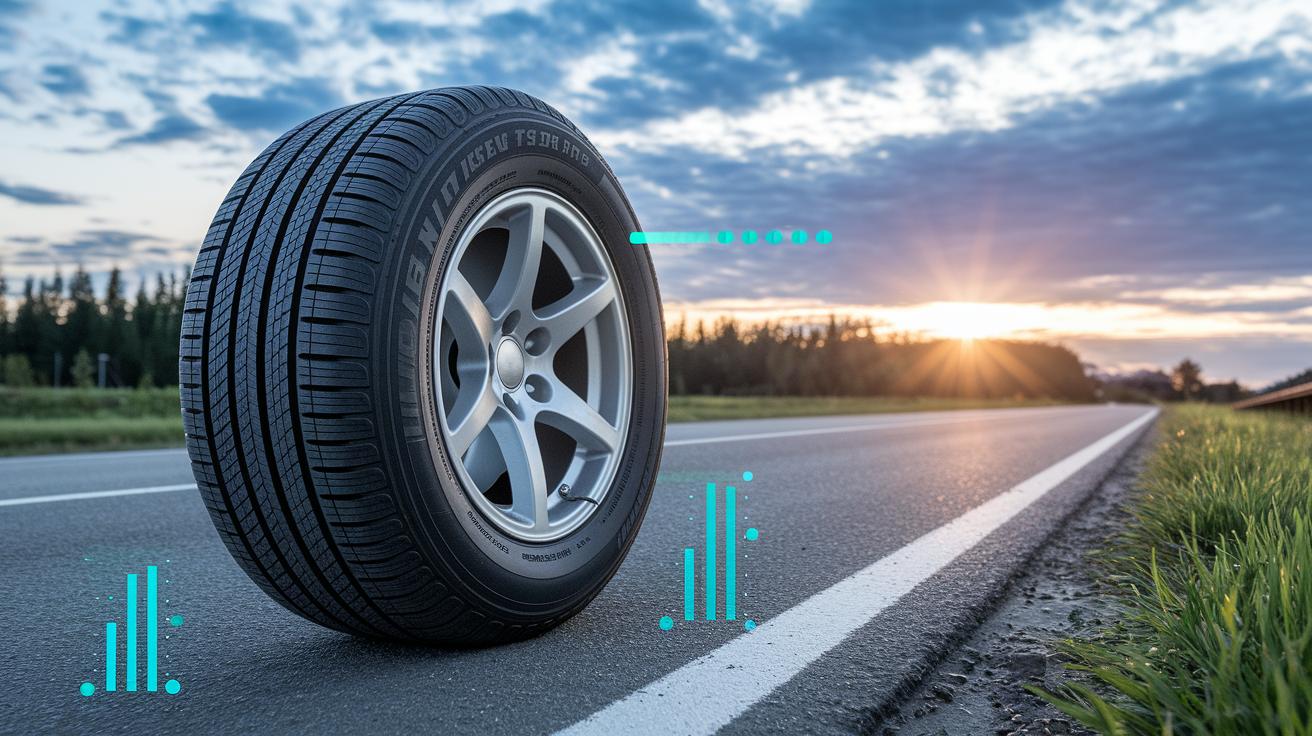
Smart tire technology uses tiny sensors built right into your tire to watch over things like tire pressure, temperature, and tread depth (that’s the grip-y part of your tire). These sensors even keep an eye on changes in the road and send updates wirelessly using Bluetooth. They’re not just there to alert you when your tire needs more air, they also track how fast the tread is wearing out and warn you about potential hazards. If you're curious about how these sensors work, check out how do smart tire sensors work.
Another cool feature is digital traction monitoring. This system adjusts your tire’s performance on the fly to suit different driving conditions. It gathers data from several sensor spots inside each tire, mixing it all together with high accuracy. Whether you're driving on a slick, wet road or a bumpy stretch of asphalt, this smart system adapts quickly to help keep your ride steady and smooth.
Plus, constant sensor feedback powers an automated inflation system that keeps your tire pressure exactly where it should be, no matter what load you’re carrying. This proactive control helps spread out wear evenly, which can even boost fuel efficiency by reducing rolling resistance. With all these features working in sync, smart tire technology gives you real-time insights that put you firmly in control and help you enjoy a safer, smoother drive every time you hit the road.
Safety Enhancements with Smart Tire Technology

Smart tires are changing the way we drive. They have small sensors that keep an eye on things like uneven wear and rising temperatures. This means you'll get a heads-up before a minor issue becomes a big problem. It’s like having a co-pilot who gently reminds you to check things out, so you can avoid unexpected blowouts or accidents.
Unlike the usual tire pressure monitors that only warn you when your tire pressure is low, these smart tire systems go further. They constantly check for issues like tread wear (how fast the tire's rubber is wearing down) and overheating. You get real-time updates, which lets you step in before a small problem grows. It’s a little bit of extra peace of mind on every trip.
What’s really neat is that smart tires work hand in hand with your car’s stability controls. When the sensors notice something off, like imbalance or too much heat, the car's system can adjust the handling to keep you safe. This teamwork means every drive is smoother and safer, adapting quickly to any changes on the road.
Fuel Efficiency and Tire Longevity with Smart Tire Technology

Smart tire systems now come with real-time sensors and smart computer programs that watch your tire pressure for different loads. They’re like a friendly co-pilot, always checking and adjusting your tires so you get the best grip and fuel savings. Imagine driving up a steep hill and your tires instantly adjusting to give you extra hold while helping you save fuel. It’s not just a basic fix, it’s smart help that boosts your car's performance and cuts down on wasted fuel.
These systems even keep an eye on your tire tread (the part that touches the road) to warn you before uneven wear becomes a problem. They send a quick alert, like a friendly nudge, saying it might be a good time to rotate your tires. This means your tires last longer and you can save money on repairs. It’s a little bit like having a reliable mechanic always checking in, making sure your ride stays smooth and safe.
Smart Tire Technology Benefits and Features: Boost Drive

Smart tires work like a built-in mechanic. They send real-time sensor data (info on tire pressure, temperature, and wear) straight to telematics systems. This means your vehicle keeps up with maintenance automatically. Imagine getting a friendly alert before a tire turns from a simple check-up into a big problem.
Fleet managers love this system too. They get easy-to-read reports that show wear patterns from afar. This helps plan better routes and saves money on repairs. It’s like having a wise guide telling you when to take a pit stop, so you never get caught off guard.
Everyday drivers can enjoy the peace of mind as well. Digital alerts notify you when it’s time to check uneven wear or other sensor issues early on. This smart setup not only simplifies maintenance but also helps your tires last longer. Curious about what’s next? Check out future trends in automated tire inspection systems.
Applications of Smart Tire Technology in Fleets, EVs, and High-Performance Vehicles

Fleet operators are feeling a real shift thanks to smart tire technology. They get helpful alerts that warn them when the road grip starts to change, and with real-time traction data, unplanned stops drop by about 20%. This means fleet managers can respond quickly to changes and schedule maintenance to keep their vehicles safer on the road.
Electric vehicles get an extra boost too. Tire-health details now work with the car's energy system (kind of like checking your fuel gauge for tires), which helps drivers get the most out of every charge by keeping tire pressure and performance in check. This sharing of data between tire sensors and the vehicle means every mile is more efficient and supports neat innovations for electric cars.
High-performance cars are reaping the benefits as well. Sports car drivers enjoy features like adaptive inflation and smart onboard data that fine-tune tire performance for tight corners and high-speed runs. Even research teams in Germany are testing ways to adjust the tire tread on the fly to handle sudden rain or bumpy roads. This clever tuning gives high-performance vehicles sharper handling and control, making them both safer and faster on the track. Adapting to the environment while in motion is a game changer for cars that need to perform under pressure and also meet today’s green standards.
| Application | Key Benefit |
|---|---|
| Fleet Management | Reduces unplanned stops with predictive alerts |
| Electric Vehicles | Integrates tire health with energy management for longer range |
| High-Performance Vehicles | Improves precision handling with adaptive inflation and real-time adjustments |
All in all, smart tire technology gives many vehicles a real boost. Fleet operators enjoy safer and smoother rides, while electric and high-performance vehicles benefit from better efficiency and control. It’s like having a car that listens to you, with data-driven tips making every drive a little more reliable and smart.
Final Words
In the action, we've outlined how smart tire technology benefits overall performance, efficiency, and maintenance. We covered data-driven sensor alerts, real-time pressure checks, and preventive notifications that keep your tires in top shape while boosting fuel savings. Simple, built-in safety features help you keep on top of wear and tear, so you enjoy smooth rides every time.
Smart tire technology benefits and features offer a reliable boost to your driving confidence. Enjoy the peace of mind that comes with smarter, safer tires every mile.
FAQ
What is the Smart Tire price?
The Smart Tire price typically refers to the cost of advanced tires equipped with sensors and smart features. Pricing may vary by model, technology included, and market factors.
What is Smart tyre technology?
Smart tyre technology uses built-in sensors to monitor pressure, temperature, tread wear, and hazards. This data helps drivers keep their tires safe and maintain best performance on the road.
What is the SMART Tire Company and its net worth?
The SMART Tire Company is known for its innovative tire solutions that integrate technology. Its net worth can change with market trends and business developments, reflecting its growth in smart tire innovation.
What is Smart Tire Pad?
Smart Tire Pad refers to an accessory or device that works with smart tires to display or manage data collected by the embedded sensors, offering real-time insights into tire condition.
What is the smart tire company Shark Tank update?
The smart tire company Shark Tank update highlights the company’s appearance on the show, where they pitched their innovative tire technology to secure potential investment and boost public interest.
What is new tire technology?
New tire technology includes advancements like embedded sensors and automated inflation systems. These innovations boost safety, improve fuel efficiency, and extend tire life by providing real-time performance data.
What is a Nickel titanium bicycle tire?
A Nickel titanium bicycle tire uses a specialized alloy for increased strength and durability. This emerging design aims to improve performance and reduce wear under various riding conditions.
How do smart tires work?
Smart tires function by using embedded sensors to continuously track pressure, temperature, and tread wear. They send real-time alerts to help drivers adjust maintenance and enhance road safety.
How long do smart tires last?
Smart tires generally last between 40,000 and 80,000 miles when maintained properly. Their built-in alerts help drivers address wear issues before they become serious, extending tire longevity.
What is the 3% rule for tires?
The 3% rule for tires refers to fuel efficiency improvements seen when tires are properly inflated. At 75% of recommended inflation, efficiency can improve around 2–3%, with larger gains at lower levels.
Is it okay to put regular air in nitrogen-filled tires?
Using regular air instead of pure nitrogen is acceptable but may not provide the same stable pressure benefits. Nitrogen tends to maintain consistent inflation longer than common air.

