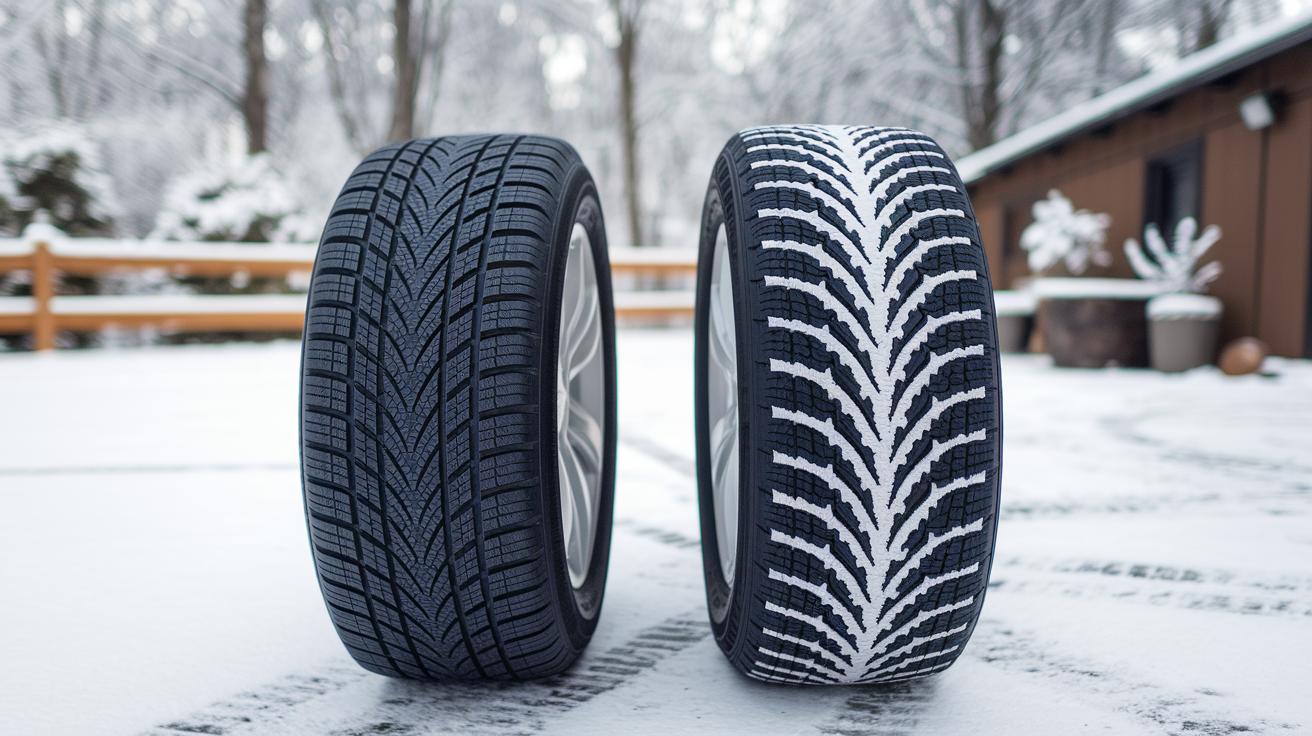


Ever wonder if your tire choice really changes your drive in freezing weather? All-season tires work fine on dry and wet roads when it’s warm, but they might not perform as well when it gets cold. Winter tires, made with softer rubber and deeper treads (the grooves help grip ice and snow), keep you safer in chilly conditions. In this blog, we look at how each tire handles everyday driving compared to harsh winter weather so you can choose the best option for your ride.
All-Season vs Winter Tires: Head-to-Head Performance, Grip, and Cost
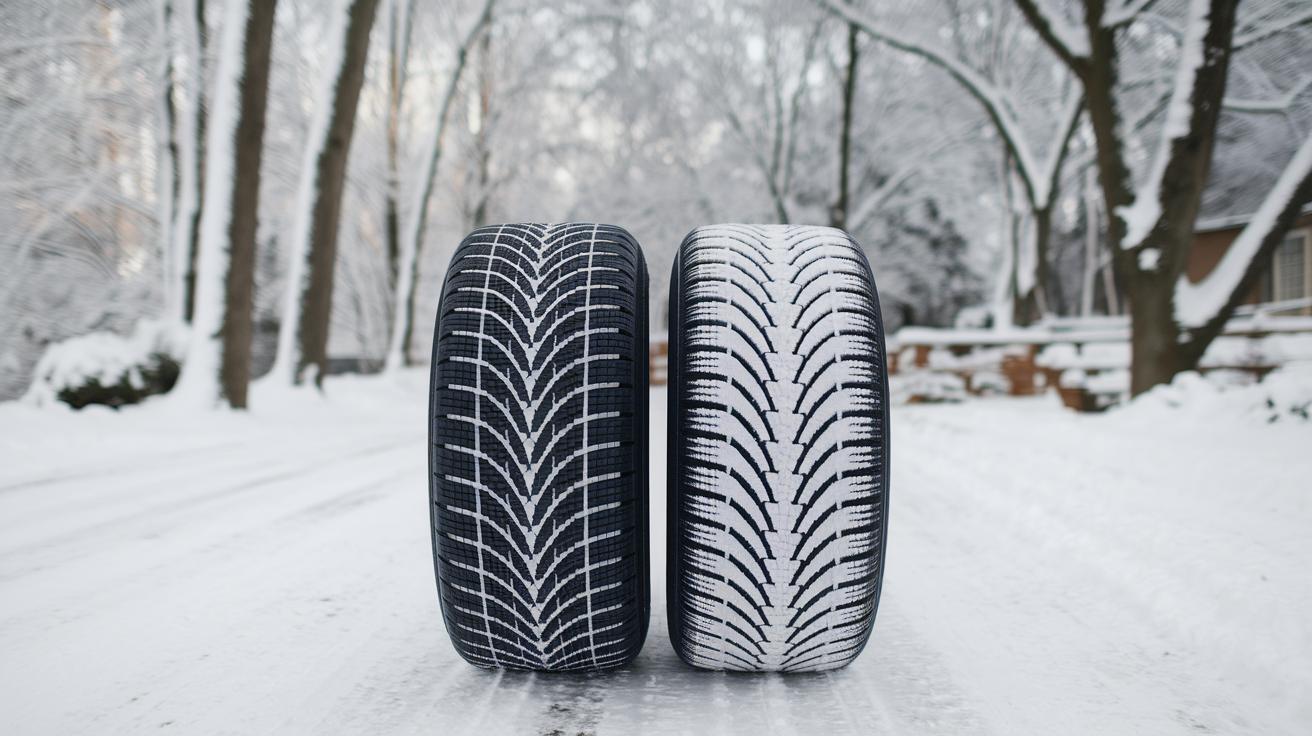
All-season tires work well when the weather is mild. They give you smooth handling on dry and wet roads and can handle light snow decently. But when the temperature drops below about 45°F, you might notice the grip isn’t as strong because the tire’s rubber hardens up. Winter tires, on the other hand, are made for freezing conditions. Their rubber stays soft in the cold, and the deeper treads with sharp edges push snow, ice, and slush out of the way. In short, all-season tires are a solid choice for everyday driving in mild weather, while winter tires are built to keep you safer on icy roads.
Safety and durability are also important to think about. Winter tires help you stop faster on snow and ice because their special rubber (called a compound) gives extra traction. All-season tires are versatile, but they aren’t as good at braking when winter hits hard. Some drivers even look at all-weather tires since they mix features of both, though they still don’t match dedicated winter tires on grip. If you’re curious about how long tires last, you might want to look up UTQG ratings for more details.
Then there’s the cost to consider. Using winter tires usually means buying an extra set and switching them out seasonally. This extra expense can be worth it if you live in an area with strict winter tire rules or if your regular temperatures drop below 7°C on a regular basis.
All Season vs Winter Tires: Tread and Rubber Compound Differences
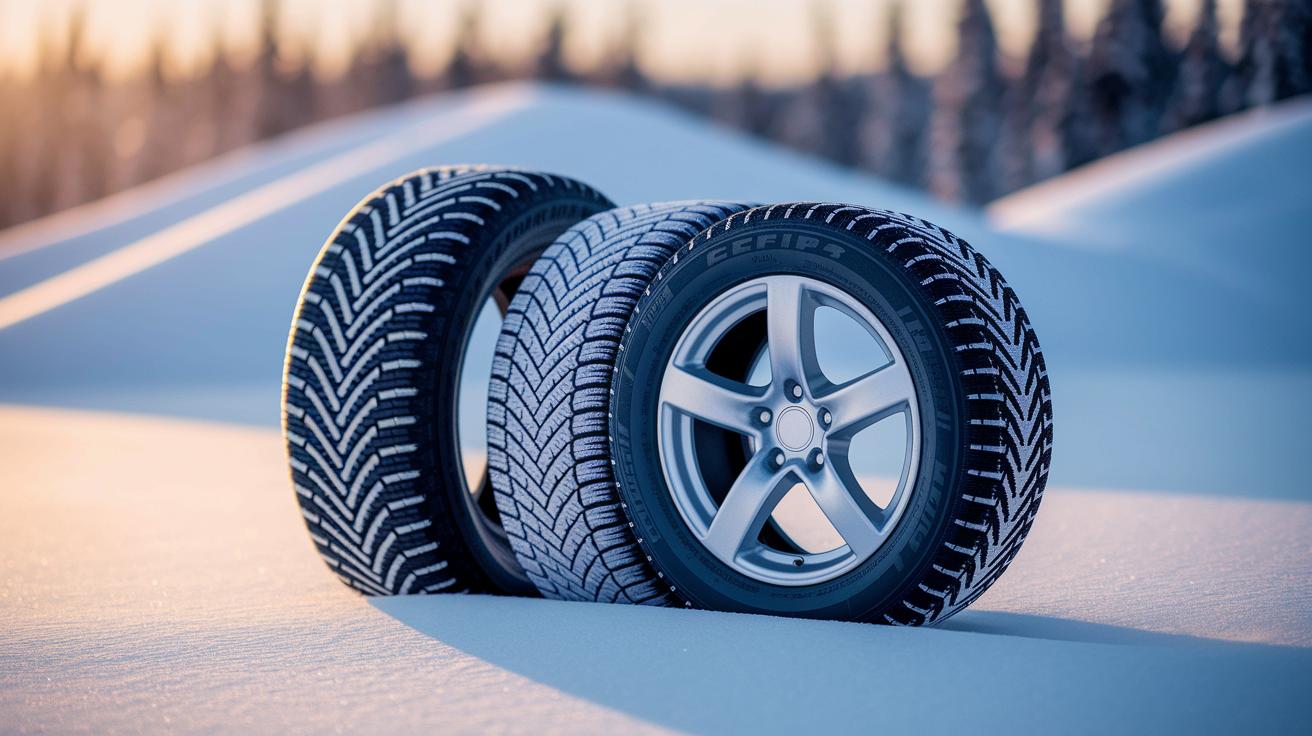
Winter tires are made to keep their rubber soft when the temperature dips below 45°F, which helps them grip icy and snowy roads. They have deep treads with sharp edges that clear slush and ice from where the tire meets the road. Think of it like your tire slicing through a frozen surface smoothly.
All-season tires, on the other hand, get a bit stiffer in the cold. They perform nicely on dry and wet roads, but they won’t hold up as well on icy or snowy surfaces.
All-weather tires offer a mix of both styles. They even carry the Three-Peak Mountain Snowflake symbol, which tells you they handle cold weather better than typical all-seasons, though they still aren’t as good as true winter tires in really harsh conditions.
When you’re facing mixed weather, picking the right tire means you get the safety you need in the cold and reliable handling on your everyday drives.
Handling and Safety: All-Season vs Winter Tires on Snow, Ice, and Wet Roads

When temperatures dip below about 45°F, all-season tires start to lose their grip because the rubber gets harder. This makes it tough for them to stick to icy roads. Winter tires, on the other hand, use a softer rubber that stays flexible even in freezing weather. This means they help you stop faster and handle turns better.
On damp roads, all-season tires do a fine job in the rain, but they fall short in slush or packed snow. Winter tires step in here with rugged tread patterns that push away water and slush, keeping you safer.
All-weather tires bridge the gap by offering better grip in winter than regular all-season tires. However, they might make a bit more noise and feel less responsive when you’re taking sharp turns.
- Braking Efficiency: Winter tires help you stop quicker on ice and snow.
- Grip Performance: Their design gives you better traction on rain, slush, and snow.
- Wet Road Handling: Deep, aggressive treads boost safety on slick surfaces.
- Cornering: They maintain a firmer grip when you’re navigating icy corners.
- Safety Ratings: In cold, snowy, and icy conditions, winter tires usually score higher than all-season models.
Durability and Wear Comparison for All-Season vs Winter Tires
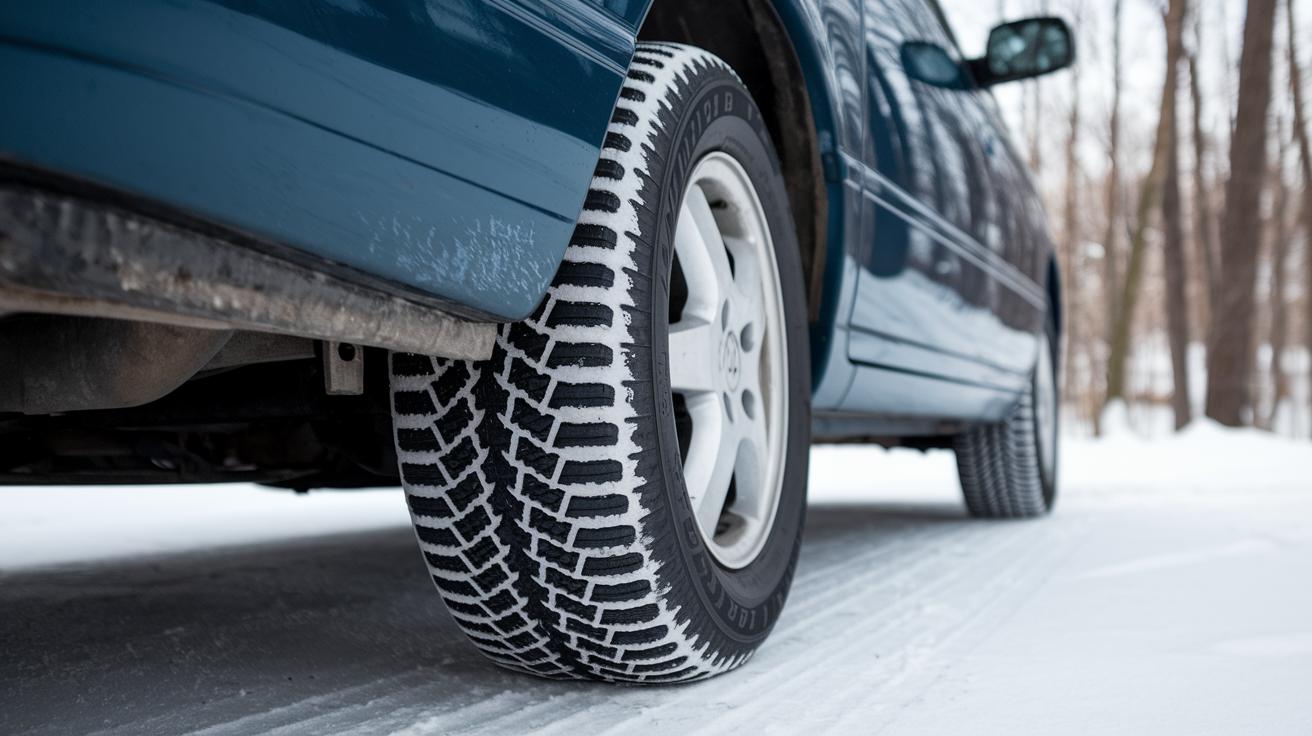
All-season tires are made with a firmer rubber that holds up better on warm or mixed roads. That hard rubber helps them last longer and keep a steady grip even when the heat is on. On the other hand, winter tires use a softer rubber that stays flexible in the cold. This lets them perform well on icy roads, but it means they wear out faster when the weather is warm.
When you look at tire wear over time, the season you use them really matters. Winter tires are great for snowy days, but using them in the summer can shorten their life quickly. Some tires try to blend the best of both worlds, but even these might not last as long as all-season tires on hot pavement. Sure, switching tires each season might add some extra cost for changeovers and storage, but it can really help each set of tires live up to its full potential.
It's smart to check your tires regularly and keep up with maintenance. That way, you can make the most out of their performance no matter the weather. For more info on how long you might expect your tires to last, take a look at the Tire Treadwear Rating on tityres.com.
A motorist discovered that swapping seasonal tires not only enhanced safety but also saved money over the years.
All-Season vs Winter Tires: Climate Zone Recommendations and Cost Analysis
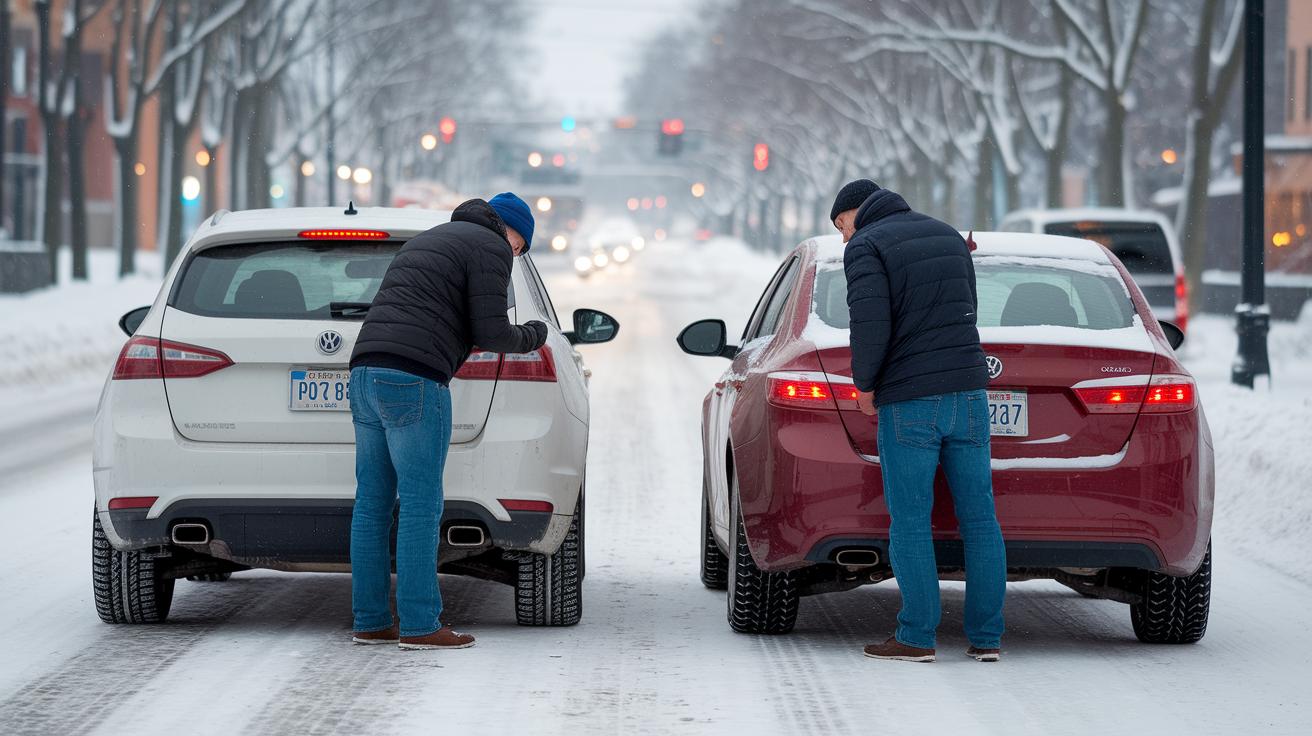
Ever wondered if you should pick all-season or winter tires? Local rules can really steer your choice. For example, in Quebec you must have winter tires from December 1 to March 15, and some highways in British Columbia require them from October 1 to April 30. And if it gets colder than 7°C (that’s about when you feel a noticeable chill), you might even snag a discount on your insurance. One Quebec driver said, "Following the tire rules made me feel safer on icy roads and helped cut my insurance costs."
A study from a northern province shows that paying attention to these rules can mean real savings and better safety. Instead of just counting on tire grip or how fast they wear out, think about how local laws make a difference in cost and protection.
Here’s what to keep in mind:
- Different provinces have their own tire rules.
- Cold weather tire choices can unlock insurance discounts.
- Research shows that following these mandates lowers accident risks and saves money.
Experts agree that knowing local tire rules gives you a fresh look at picking tires, it’s not just about grip and handling, but about staying safe and saving a few bucks along the way.
Maintenance and Seasonal Storage for All-Season and Winter Tires

When it gets cold, checking your tire pressure helps your tires work their best. Cold air can lower the pressure in your tires, causing them to wear unevenly. Checking them regularly is like giving your car a quick health check before any trip.
It’s a good idea to rotate your tires before and after winter to help them wear out evenly, making them last longer. Once winter is over, wash your tires to clear off any road salt and debris that might hurt the rubber.
Store your off-season tires in a cool, dry, and dark spot. This simple step keeps the rubber in top shape so they’re ready when you need them. Remember to rotate all your tires from time to time to even out the wear.
You might also want to schedule a routine check-up and follow the safety tips on tire installation if you need to switch tires. Taking care of your tires means you can drive comfortably on icy roads or sunny highways with confidence.
Final Words
In the action, we compared tire performance, grip, and cost trade-offs of all season tires vs winter tires. We explored how tire compounds and tread designs affect stopping distances and wear while highlighting proper maintenance tips and storage care.
We also shared advice on picking tires based on local conditions and regulations. The blog provided clear guidance on balancing tire longevity and safety, paving the way for reliable rides and peace of mind. Enjoy the drive with confidence and a smooth ride ahead.
FAQ
All season tires vs winter tires reddit
The debates on Reddit show that all-season tires work in moderate weather, while winter tires provide better traction in cold, icy, and snowy conditions, making them a favored option in harsh climates.
How do costs compare between all season tires and winter tires?
The cost comparison shows that buying and switching to winter tires means paying extra for an additional set and installation, while all-season tires offer a single, less expensive solution though with trade-offs in severe conditions.
What are the differences between all-weather tires and all-season tires?
The comparison highlights that all-weather tires carry a snowflake symbol for improved cold grip, blending features of both tire types, whereas all-season tires offer moderate performance in most conditions but underperform in severe snow.
Which all-weather tires work best for snow?
The best all-weather tires for snow display deep grooves and biting edges that channel slush away, giving drivers a balance of everyday performance and added grip on light to moderate winter roads.
Are all-season tires good for snow and can they be used in winter?
All-season tires can be used in winter but tend to lose grip when temperatures drop below 45°F, making them less effective on snow and ice compared to dedicated winter tires.
What is the difference between snow tires and all-terrain tires?
Snow tires are engineered with deeper treads and softer compounds for icy and snowy roads, while all-terrain tires are built for handling a mix of surfaces but may not perform as well in deep winter conditions.
How do snow tires compare to chains?
Snow tires rely on specialized rubber and tread design to maintain traction continuously, whereas chains improve grip on ice but can be noisy and cumbersome during regular driving.
What are the differences between all-season tires and summer tires?
All-season tires provide balanced performance in various conditions, while summer tires are designed for optimal grip and handling on dry, warm roads, sacrificing performance in colder or wet conditions.
Which is better, winter tires or all-season tires?
Winter tires are better in cold, snowy, and icy conditions due to their specialized compound and tread design, while all-season tires are more suitable for milder climates with less severe winters.
What are two disadvantages of using all-season tires?
Two disadvantages include reduced traction on icy or snowy surfaces and less effective tread designs that may not channel slush efficiently, leading to longer stopping distances in harsh winter climates.
Which tires are best for driving in snow?
Tire experts agree that winter tires are best for driving in snow since their flexible compounds and deeper, aggressive treads provide superior grip and safety on ice and snow-covered roads.

