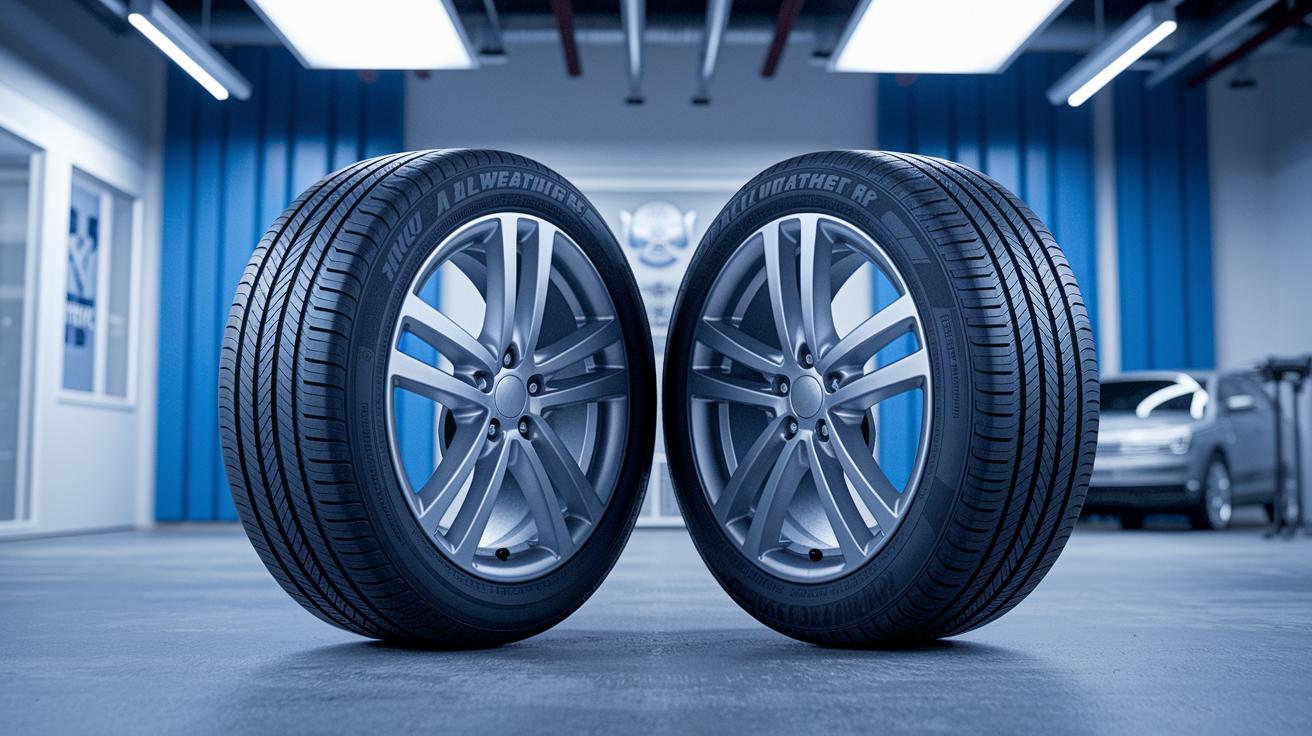


Ever wonder if your tires are ready when the weather suddenly changes? Imagine one tire that acts like a trusty friend on dry roads and light snow, while the other kicks in with a firm grip when icy, cold surfaces try to catch you off guard.
In this post, we take a closer look at these two tire types so you can decide which one works best for your journey. Hang with us as we break down how each tire handles different conditions and keeps you safe no matter the season.
All-Season vs All-Weather Tires: Performance, Safety, and Durability Overview

All-season tires deliver a well-rounded performance on dry roads, wet pavement, and even on light snowy surfaces. They feature a blend of tread patterns with moderate siping (small cuts that help channel water away) to keep your drive quiet and smooth. Picture your tire gently moving rainwater off its surface, helping you maintain a firm grip on a wet road.
All-weather tires, however, are built for tougher conditions like heavy snow and ice. You might notice the 3PMSF (Three-Peak Mountain Snowflake) stamp on them, which shows they’re ready for colder, more challenging weather. Their design includes deeper grooves around the tire and many dense sipes that dig into the road when surfaces get slippery. It’s like having an extra layer of confidence when you come across icy patches unexpectedly.
When choosing between the two, think about your local weather and how you use your car every day. All-season tires usually cost less upfront, making them a good fit if you’re in a milder climate or mainly commuting. On the flip side, all-weather tires may cost a bit more at first, but they save you the hassle of switching tires for winter. In the end, it comes down to your budget, the weather you face, and your daily driving needs, so you can always feel safe on the road.
Tread and Compound Innovations in All-Season vs All-Weather Tires

All-season tires are made with a tougher rubber mix that helps them last longer and wear evenly. This mix is built to only soften when it gets hotter than 100°F, so it holds up well on warm days. They feature a hybrid tread design with small cuts (siping) that lessen vibrations and offer a smooth ride. Imagine a tire that quietly brushes water aside during light rain, a steady and reliable choice for everyday drives.
On the other hand, all-weather tires use a special winter blend that stays soft even when temperatures drop below 32°F. This means they keep a solid grip on snowy or icy roads because they remain flexible when you need them most. Their design includes deeper grooves that run around the tire and plenty of siping to push water and slush away. It’s like having extra sensitivity built into each tread, giving you better traction in challenging conditions.
Additionally, all-weather tires carry a 3PMSF certification, which shows they meet strict snow-traction standards. This means they’re tested and ready for cold weather challenges, thanks to modern design trends and innovative tread research that help drivers choose the perfect tire for their climate and driving needs.
Performance in Dry, Wet, Snow, and Ice: All-Season vs All-Weather Tires

On dry roads, both tires offer good grip. One type focuses on a peaceful ride with a firm hold, while the other sports tougher tread for extra grip.
When the roads get wet, all-season tires use moderate siping (small cuts in the tread) to help move water aside. On the other hand, all-weather tires come with deeper grooves to curb the risk of hydroplaning.
For light snow, all-season tires handle occasional flurries decently. Yet, all-weather tires give you a steadier grip in snowy conditions.
On icy roads, all-weather tires really stand out. Their flexible rubber helps keep traction, whereas all-season tires can become hard and may struggle with stopping distances.
| Condition | All-Season Tires | All-Weather Tires |
|---|---|---|
| Dry | Quiet ride with firm grip | Enhanced grip with tougher tread elements |
| Wet | Moderate siping disperses water | Deep grooves reduce hydroplaning risk |
| Light Snow | Adequate for occasional flurries | Steady snow grip performance |
| Ice | Compound stiffens with longer stopping distances | Flexible compound enhances ice traction |
Durability & Longevity: Tread Wear and Cost-Effectiveness Comparison

All-season tires use a firmer rubber that helps them last longer. They often earn UTQG (Uniform Tire Quality Grading) ratings of 600 or more – you can learn more about that in our guide on UTQG ratings for performance tire longevity. This toughness makes them a top pick for drivers in places with mild weather. They wear evenly over time and are usually easier on your wallet at first. It’s a bit like checking your favorite sneakers – they hold up well until the weather really turns harsh.
All-weather tires, on the other hand, are made with a special compound that stays soft even when it’s below freezing. They might wear a bit faster in warm weather, but they really come into their own in the cold months. While they might cost a little more at the start, you won’t have to swap them out each season. In truth, any small change in fuel economy – like 1 or 2 percent because of the tire’s rolling resistance – is more than made up for by the simplicity and steady performance on icy roads.
In the end, the best choice really depends on your local weather and driving habits. For a quick look at how each tire wears over time, check out our handy tire treadwear rating guide.
Safety & Handling in All-Season vs All-Weather Tires
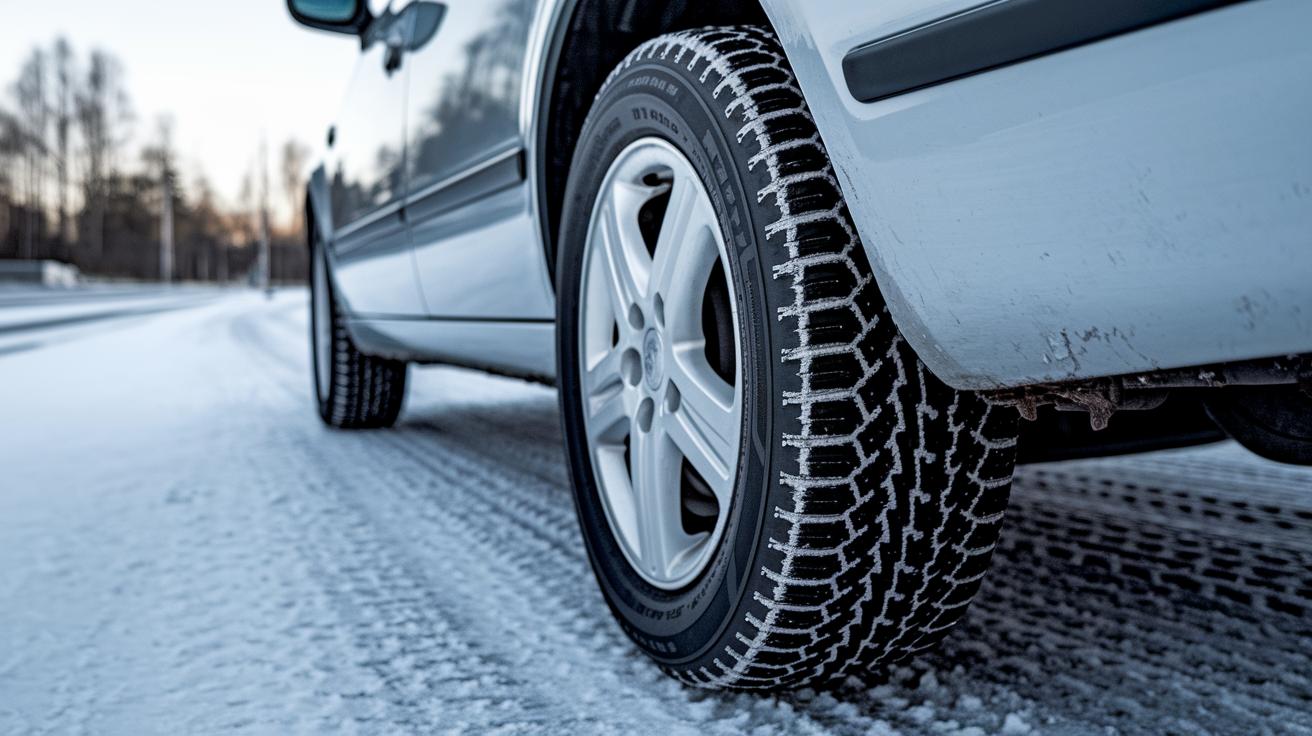
A recent study found that cars with all-weather tires can stop up to 15 feet sooner in freezing conditions compared to those with all-season tires. These tires use a softer rubber (that stays flexible in the cold) and have deeper grooves that really help grip icy surfaces.
They also carry the 3PMSF certification, which means they pass tough winter safety tests. So, whether it's snow or ice, you can count on them to perform well even in bitterly cold weather.
For example, picture this: "In a head-to-head test, all-weather tires reduced the stopping distance by 15 feet, making a real difference on icy roads." Isn't that a neat fact to think about when choosing tires for winter?
Buying Guide: Choosing All-Season vs All-Weather Tires by Climate, Vehicle, and Budget

If you skipped ahead, remember that earlier sections break down how weather and your car's needs play a role. You can also try our interactive tool. Just type in your local weather, your car details, and your budget, and you'll get a customized tire pick in seconds.
For example, if you live in a warmer area like the Southern U.S. or West Coast, you might find all-season tires give you a smooth and quiet ride with good gas mileage. But if your weather goes from rain to snow and ice, all-weather tires can stick to the road all year long so you don’t have to swap tires every season.
One driver once switched to all-weather tires because he was tired of the hassle of changing tires each season. He told us it was a smart move for both convenience and safety.
Here are some points to keep in mind:
| Tip | Why It Matters |
|---|---|
| Match performance to your conditions | Our earlier comparisons help you see which tire works best for your weather and ride |
| Use the tool | Enter details about your local weather and car type to get a tailored recommendation |
| Think about costs | All-season tires might be cheaper at first, while all-weather tires can save seasonal change fees |
So, take a minute, think about your climate, your car, and your wallet, then use our tool to find the right fit for your ride.
Final Words
In the action, we’ve compared tire performance, safety, and durability so you can make a sound choice. Each section laid out how tire tread, compound innovations, and handling work in different weather. We touched on cost, maintenance, and the great benefits of tailored tire selections for your driving needs. Our look into all-season tires vs all-weather tires showed their strengths when driving day-to-day. Enjoy a ride filled with safety and confidence as you choose the best tire option for your vehicle.
FAQ
What is the difference between all-season and all-weather tires?
All-season tires work well in mild conditions, balancing dry, wet, and light snowy roads. All-weather tires, marked with the 3PMSF symbol, offer stronger grip on ice and deep snow.
How do all-season tires compare to all-weather tires in terms of performance, safety, and price?
All-season tires provide a quieter and lower-cost ride for everyday conditions. All-weather tires add extra safety in winter, though they usually cost more upfront while saving on seasonal changes.
Can all-season tires be used year-round and are all-weather tires suitable for winter?
All-season tires are fine for year-round use in mild climates. All-weather tires are built to perform in winter conditions, offering better traction on ice and snow when temperatures drop.
What are the downsides of all-weather tires?
All-weather tires may wear faster in warm climates and come with a higher initial cost. Their specialized compounds offer excellent winter performance but might not last as long under prolonged summer conditions.
How do all-weather tires stack up against summer and all-terrain tires?
All-weather tires outperform summer tires in colder weather and handle ice better. All-terrain tires, on the other hand, are engineered for off-road adventures and rough surfaces rather than optimized winter performance.
What are some pros and cons of all-season versus all-weather tires based on reviews?
Reviews show all-season tires offer cost-effective, quiet rides in moderate weather, while all-weather tires provide superior traction and safety in winter, helping drivers avoid the hassle of seasonal swaps.
Which all-weather tires are considered the best, and can discounts be found at places like Discount Tire?
Many recommend specific all-weather models known for their strong winter traction and durability. Check local stock and promotions at places such as Discount Tire for the best deals and reliable choices.

