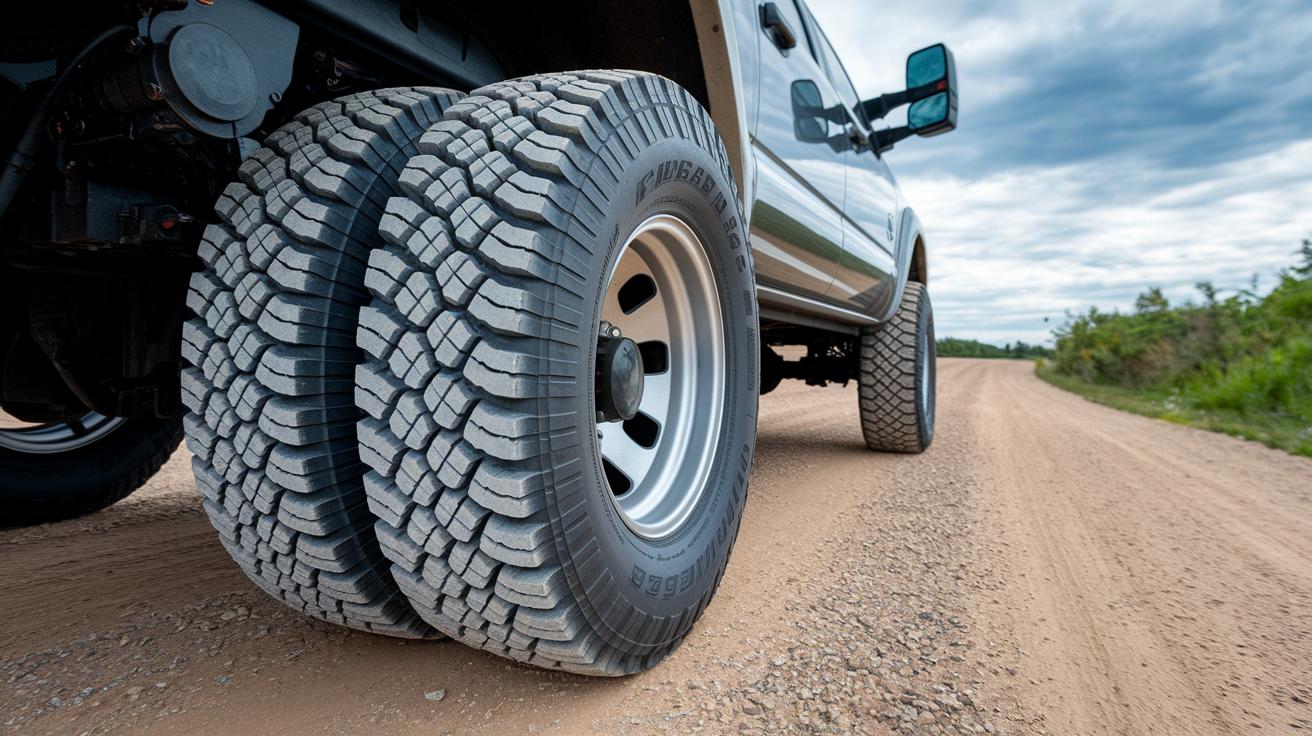


Ever wonder if your truck’s tires can handle both the hot summer days and the chilly winter roads? This article is all about finding the best all-season tires for your truck.
We’re talking about tires that give you a solid grip on wet roads and stand up well on dry ones too, so you can feel safe no matter what the weather throws at you. In 2024, these tire picks really shine because they mix strength with long-lasting performance.
Let’s take a closer look at these dependable options that promise a smooth ride. After all, a comfortable drive means peace of mind on every journey.
Top 5 Best All-Season Tires for Trucks in 2024

When it's time to choose new tires for your truck, you want ones that feel trustworthy no matter the weather. In 2024, these five models hit the mark by mixing solid performance, lasting durability, and great value.
Michelin Defender LTX M/S, Goodyear Assurance WeatherReady, BFGoodrich Advantage, Pirelli Scorpion All Season SF2, and Toyo Open Country A/T III were picked based on prices between $150 and $300, plus tread life warranties that range from 50,000 to 65,000 miles. (Tread life warranty means the expected time before the tire's surface wears down). They also score above 8 out of 10 with Car and Driver, showing strong wet and dry grip under different conditions. Real users say these tires lose about 2.5 to 3.0/32 inch in tread depth every 10,000 miles. One truck owner even mentioned that driving on these tires felt like a safe upgrade no matter what came their way.
| Tire Model | Price Range | Tread Life Warranty | Overall Rating | Pros | Cons |
|---|---|---|---|---|---|
| Michelin Defender LTX M/S | $250–$300 | 65,000 miles | 8+/10 | Excellent wet/dry traction | Slight premium pricing |
| Goodyear Assurance WeatherReady | $200–$280 | 60,000 miles | 8+/10 | Reliable in variable conditions | May wear faster |
| BFGoodrich Advantage | $150–$220 | 55,000 miles | 8+/10 | Great tread longevity | Minor road noise |
| Pirelli Scorpion All Season SF2 | $220–$290 | 60,000 miles | 8+/10 | Balanced performance & fuel efficiency | Limited regional availability |
| Toyo Open Country A/T III | $180–$260 | 50,000 miles | 8+/10 | Enhanced off-road capability | Firm ride on paved roads |
Experts and everyday drivers agree that these tire options hold up well on wet and dry roads and even do a fine job in light snow or uneven terrain. One person said, "The feedback on traction and longevity kept me reassured on every trip." With both solid ratings and clear pros and cons, picking the right tire becomes a smoother ride on your journey.
All-Season Truck Tire Performance: Dry, Wet, and Light Snow Traction
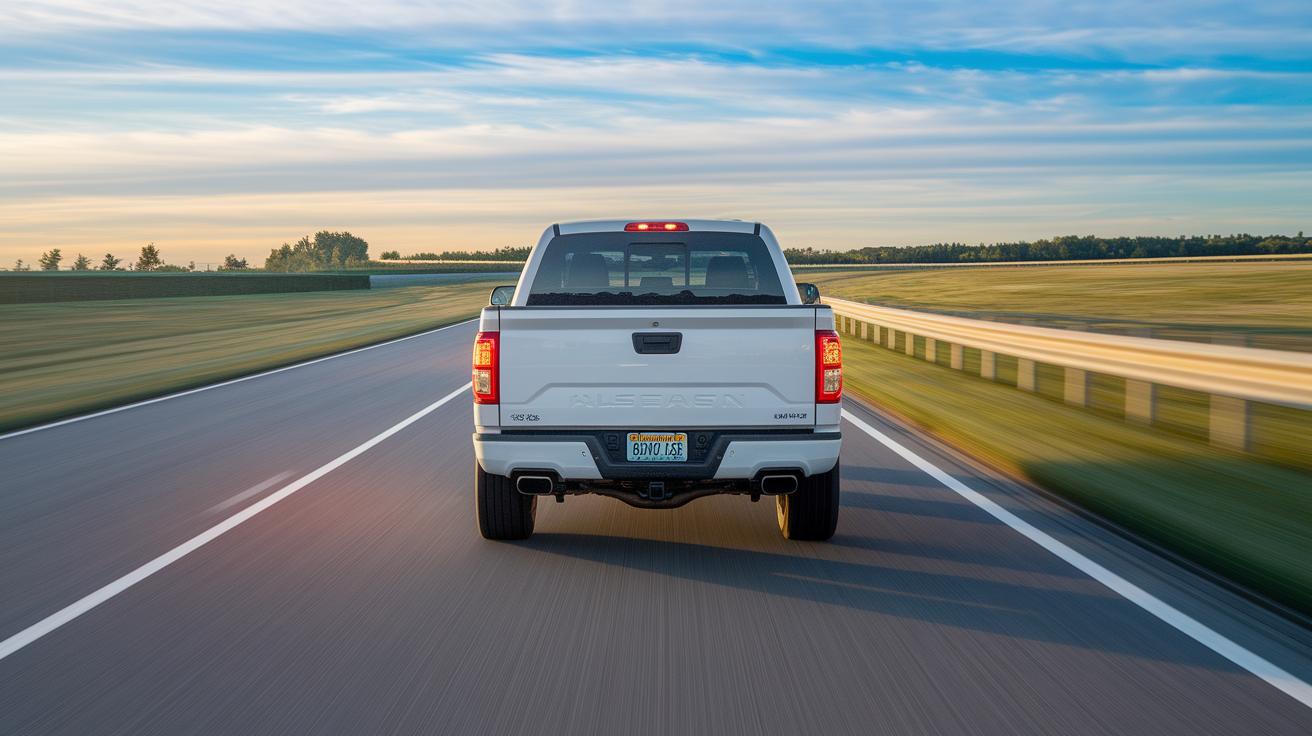
Dry Traction Performance
These all-season truck tires work great on dry roads. When you hit the brakes at 60 mph, they stop in about 110 to 120 feet. It feels like the tires give you a firm, sure stop the moment you tap the brake. Imagine that satisfying push when you need to slow down fast, it really makes you feel safe.
Wet Grip & Hydroplaning Resistance
On wet roads, these tires really shine. They are made to push back hydroplaning, usually keeping it at bay until you reach 35 to 40 mph. This means you still feel in control even when it’s raining. Plus, they have low rolling resistance (which helps reduce drag and boost fuel efficiency). In tests, a 5-foot difference in stopping distance can really count when the roads are slick.
Light Snow Handling
When light snow falls, these tires still deliver good grip. They rate traction between 5 and 7 out of 10 on snowy roads. Their rubber stays flexible down to 45°F, so you can count on them to handle those light winter conditions. It’s like having a reliable partner that keeps you steady, even when the road gets tricky.
Durability and Tread Life: Extended Wear Resistance of Truck All-Season Tires

When you need truck tires that work well in any weather, these tires are made to last. They often come with tread warranties covering 50,000 to 70,000 miles. In real-world tests, many drivers see about 2.5/32 inch (a way to measure tread wear) lost every 10,000 miles, and one test even showed only 20% tread loss after 30,000 miles. A simple regular tire rotation can give you an extra 10-15% life boost.
Here’s what you need to know:
| Feature | Description |
|---|---|
| Compound Hardness | 60-70 Shore A with a tread depth of 10-12/32 inches; this tells you how firm the tire is and how deep the tread remains |
| Tread Depth | Designed for a steady grip over many miles |
| Rotation Routine | Regular tire rotations can add 10-15% more life |
| Load Capacity | Built to support heavy loads in all kinds of driving conditions |
| Inflation Levels | Keeping the right PSI is key for wear resistance |
In short, these tires combine all the right features to deliver long-lasting, all-weather performance. Whether you're hauling a heavy load or just cruising down the highway, they’re engineered to keep you safe and steady on the road.
Tires Sizing and Fitment Guide for Heavy Trucks

When you're shopping for all-season tires for your truck, knowing your tire size is very important. Most heavy trucks use tires with rim diameters from 17 inches to 22 inches and aspect ratios (the tire's height compared to its width) from 55 to 75. Choosing the right size is like finding the perfect pair of shoes for your ride; it gives you better performance and safety on every road.
Reading tire codes is not as tricky as it might sound. For example, a code like LT265/70R17 tells you about the tire type, its width, the aspect ratio, and the rim size. Once you understand what each part means, picking the right tire becomes simple. Imagine standing in the shop, quickly spotting the perfect match for your truck.
Next, check out the load indexes and speed ratings. The load index tells you how much weight a tire can safely carry and usually falls between 110 and 120 for light trucks. Speed ratings, marked by letters like S, T, and H, show how fast a tire is meant to go. These details help ensure that your tires work well with your truck’s overall weight and performance.
Lastly, think about the rim width and offset. Most tires work best on rims that are between 7.5 inches and 9 inches wide. The offset (how far the rim sits from the center) is typically between ET25 and ET40. Matching these measurements means a perfect fit and a smooth, reliable ride.
Maintenance Best Practices for All-Season Truck Tires

Keeping your tires properly inflated is super important for a smooth, safe ride. For lighter loads, aim for 32 to 36 psi (that's pounds per square inch, a simple way to measure tire air) and for heavier loads, try keeping it between 35 and 40 psi. Think of checking your PSI like glancing at your fuel gauge, doing it every month helps keep your journey steady.
Rotating your tires is another easy way to boost performance and even out wear. Most experts suggest a rotation every 5,000 to 7,500 miles. It’s a simple step that not only lengthens your tires’ life but also gives you a better ride. If you're curious about how scheduled tire rotation can boost fleet upkeep, check out the details at https://tityres.com?p=1826.
Don't overlook alignment checks either. Every 10,000 miles or so, have your truck’s alignment looked at by a pro. This service helps avoid uneven tire wear and keeps your truck’s grip on the road firm, just like a well-set steering. For more on how professional tire setup can make a difference, visit https://tityres.com?p=1890.
And before you hit the road for heavy hauling, a seasonal inspection is a must. A quick look or a professional check can catch small issues before they turn into big problems. Whether you're off on a short run or a long trip, these steps not only keep your tires performing their best but also save you time and money in the long run.
Pricing Analysis and Budget-Friendly All-Season Truck Tires

When you're shopping for tires, you'll quickly notice there are three main price groups to choose from. Cheap tires usually cost $120 to $150 each, mid-range ones run around $160 to $220, and the top-notch tires go for about $240 to $300. It's a bit like picking a fuel grade for your car, each choice gives you a different feel in performance and how long they'll last.
Another neat thing to consider is the cost per mile. Budget tires might cost about $0.003 to $0.005 per mile, while premium choices are a bit higher at around $0.004 to $0.006 per mile. It might seem like a tiny difference, but after driving tens of thousands of miles, those little bits add up. For example, one tire brand can save you nearly $100 over 50,000 miles compared to another, showing how those small savings really matter in the long run.
Also, think about the warranty that comes with your tires. Budget options usually come with 40,000 to 50,000 miles of warranty, while premium tires can offer up to 60,000 or even 70,000 miles. And here's a bonus, seasonal deals can knock off 10 to 15% off the price, making it easier to get a high-performing tire without going over your budget.
Final Words
In the action, we explored five top tire models for trucks, breaking down their price, performance in dry, wet, and light snow conditions, and wear rates. We covered practical tips on tire sizing and fitment, shared maintenance routines like proper rotation and pressure checks, and compared budget options to premium picks. Every section aimed to help you choose tires that match vehicle needs while staying safe on the road. Choosing the best all season tires for trucks gives you the peace of mind to drive with confidence every day.
FAQ
What are the best all-season tires for trucks in 2024?
The best all-season tires for trucks in 2024 are Michelin Defender LTX M/S, Goodyear Assurance WeatherReady, BFGoodrich Advantage, Pirelli Scorpion All Season SF2, and Toyo Open Country A/T III. They offer balanced price, tread warranty, and performance.
How do these all-season truck tires perform in dry, wet, and light snow conditions?
These tires perform impressively in dry conditions with stopping distances around 110–120 ft from 60 mph. They provide good wet grip with hydroplaning starting at 35–40 mph and moderate light snow traction ratings.
What durability features do all-season truck tires offer?
All-season truck tires offer wear resistance with warranties between 50,000–70,000 miles and slow tread wear rates, typically losing 2.5/32″ depth per 10,000 miles. Proper rotation and inflation further boost durability.
How can I choose the right tire size and fitment for my truck?
Choosing the correct tire size for your truck means checking rim sizes between 17″ and 22″, matching load indexes of 110–120, and ensuring rim width and offset are compatible with your vehicle’s requirements.
What maintenance practices can help extend the life of all-season truck tires?
Maintaining all-season truck tires means keeping the right PSI, rotating every 5,000–7,500 miles, checking alignment every 10,000 miles, and inspecting tires regularly before heavy loads.
How do pricing and budget affect the selection of all-season truck tires?
Pricing affects tire selection with options from $120 to $300 per tire. Budget models offer lower warranties and cost-per-mile, while premium choices provide longer warranties, advanced performance, and limited promotions for savings.

