


Ever wonder if your tires could do more than just roll along? Imagine tires that check themselves every few seconds, making your ride smoother and easier. These smart tires for self-driving and electric cars have little sensors inside that tell you about their pressure, temperature, and how well they grip the road (that means you get fewer surprises on your trip).
This neat technology keeps your car using energy wisely and makes driving feel safer. It’s like having a car buddy that always looks out for you. So next time you hit the road, think about how a smarter tire could change your whole driving experience.
Key Benefits of Smart Tires for Autonomous and Electric Vehicles
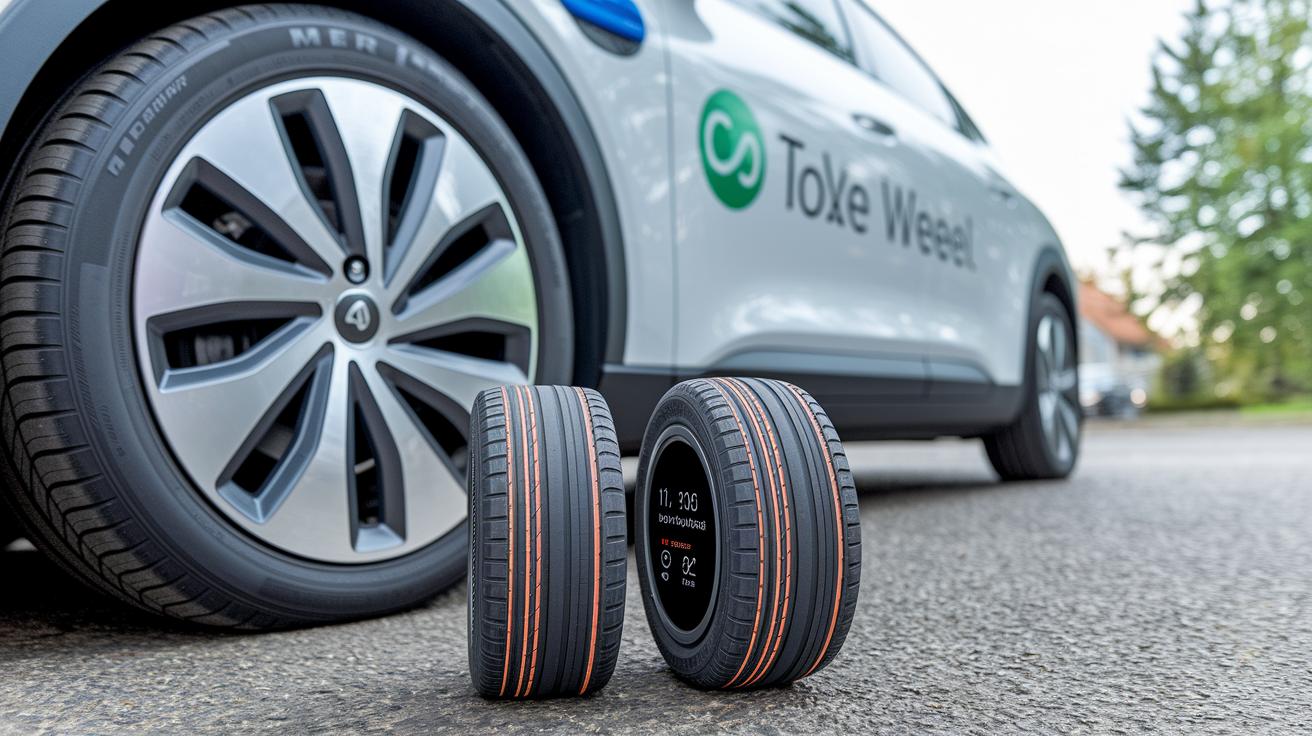
Smart tires come with tiny sensors built right in that send updates about the tire’s condition and the road every 4 to 5 seconds, and sometimes even up to 10,000 times a second. This means you get real-time info on tire pressure, temperature, tread wear (how fast the tire’s surface wears down), and overall performance. By lowering the force needed to keep the tires rolling, these smart tires help your car use energy more efficiently, boosting an electric vehicle’s range by 5 to 10% and cutting out the extra weight of a spare tire. And if your car drives itself, these tires keep a constant check on how well they grip the road.
They also come with features that alert you before a small issue turns into a big one. With smart pressure control and sensors that watch the tires’ wear, you’re warned when it’s time to check them. Plus, clever self-sealing systems fix up to 90% of punctures, and self-healing materials can recover 80% of their strength in just a day at room temperature. That way, your tires stay in top shape, whether you’re on a regular drive or in an electric vehicle.
- Fresh sensor updates every 4 to 5 seconds for real-time checks
- Better energy use thanks to lower rolling resistance
- Continuous monitoring for safer rides, ideal for driverless cars
- No extra spare tire weight to bog down your electric vehicle
- Smart alerts for tire pressure, helping you know when maintenance is needed
- Ongoing wear monitoring that spots issues early
Smart tires for autonomous and electric vehicles help make driving safer and smoother by combining advanced sensor technology with clever self-healing and self-sealing features.
Sensor Integration and Data Communication in Smart Tires
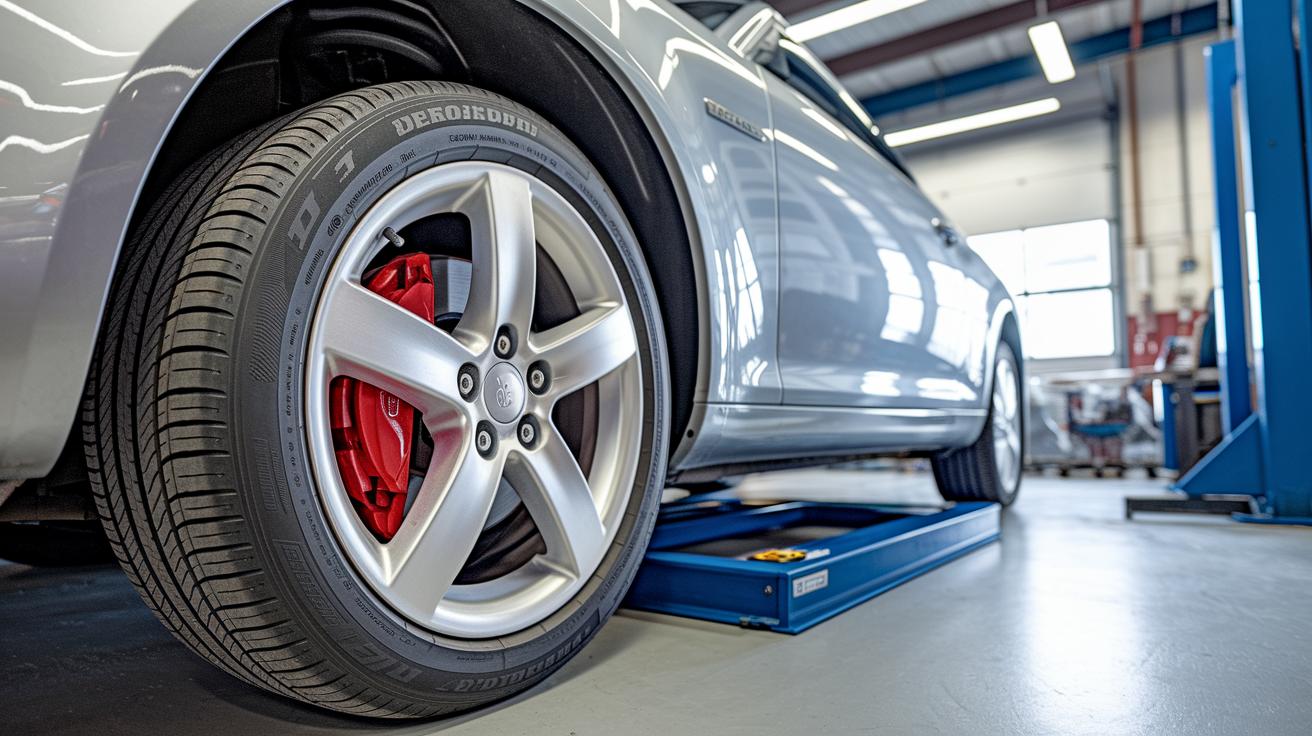
Smart tires pack in sensors that check tire pressure, temperature, weight spread, tread wear (how quickly the tire's surface wears out), and road grip. They collect this info every 4–5 seconds and sometimes even up to 10,000 times a second. The data is sent over wireless tech, so the car gets live updates that help it adjust on the fly.
This setup makes it easier for the car and even external systems like fleet management and city road networks to stay in tune with what’s happening with your tires. Advances in materials mean these sensor arrays are tougher and last longer.
| Sensor Type | Data Captured | Sample Rate | Communication Interface |
|---|---|---|---|
| Pressure Sensor | Tire pressure levels | Every 4-5 sec | Wireless module |
| Temperature Sensor | Tire temperature changes | Every 4-5 sec | Wireless module |
| Load Distribution Sensor | Weight spread across the tire | Every 4-5 sec | Wireless module |
| Tread Wear Sensor | Surface degradation | Every 4-5 sec | Wireless module |
| Grip Sensor | Road surface traction | Every 4-5 sec | Wireless module |
By merging sensor advances with real-time data, smart tires give a steady stream of key info, like how stiff a tire is when cornering, braking responses, and changes in load. This ongoing data flow lets the car make adjustments instantly for smoother rides. It’s a neat way to boost performance for both autonomous and electric vehicles.
Performance and Energy Efficiency Advantages in Electric Vehicles
Recent studies find that smart tires can grab the shaking energy from the road and give a little boost to electric vehicle performance. Basically, these systems can collect around 2% of the energy that would otherwise just vanish because of bumps and vibrations. In one test, a smart tire setup produced enough power to keep tiny sensors running for more than 10,000 miles without using the car’s main battery.
Other tests now show that using new composite materials in tires can cut down on rolling resistance (how much the tire resists rolling) and make the tires lighter and tougher. In controlled tests, tires with built-in energy recovery from vibrations even gave a small boost in acceleration compared to regular tires. It’s like finding an extra bit of pep in your car thanks to clever design.
In real-world use, EV drivers have noticed that these smart tires do more than just trim weight and reduce resistance. They make handling snappier and performance steadier, especially when roads get tricky. It’s like the tires are working hand-in-hand with the car’s system to keep everything smooth. In short, recovering even a little bit of energy from vibrations really gives a measurable boost to overall electric vehicle performance.
Safety Enhancements and Self-Healing Technologies in Smart Tires
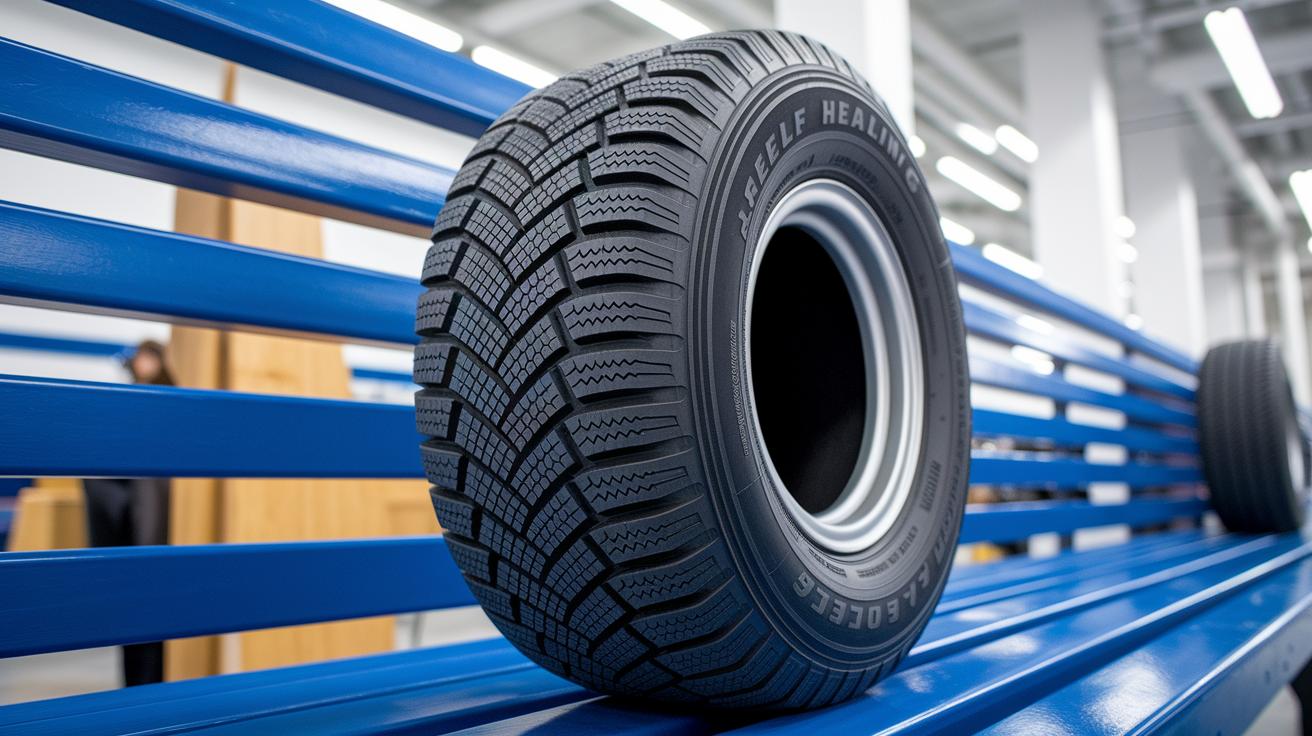
These days, smart tires come with cool self-healing rubber that bounces back when it gets a little damaged. In simple words, the rubber has tiny capsules and special bonds (reversible polymer bonds are just chemicals that can hook and unhook) that let it repair itself. Tests have shown that these tires can regain most of their strength, up to 80%, in just one day at room temperature, and they mend even quicker when warmed up a bit. Plus, they use smart grip compounds that adjust how stiff the tire is, so you get good traction whether you’re on a smooth highway or a bumpy road.
They also pack a neat feature called predictive diagnostics. Basically, sensors watch your tire, checking things like pressure, temperature, and even tread wear (how quickly the tire’s surface wears down) so that any small issues are flagged before they become big problems. This means the tire can tell you, “Hey, something’s off,” well ahead of any dangerous mishaps. The smart system, with its built-in machine learning, helps spot early signs of damage, cutting down the risk of a sudden blowout while keeping your ride safe and reliable.
Integration with Autonomous Vehicle Control Systems
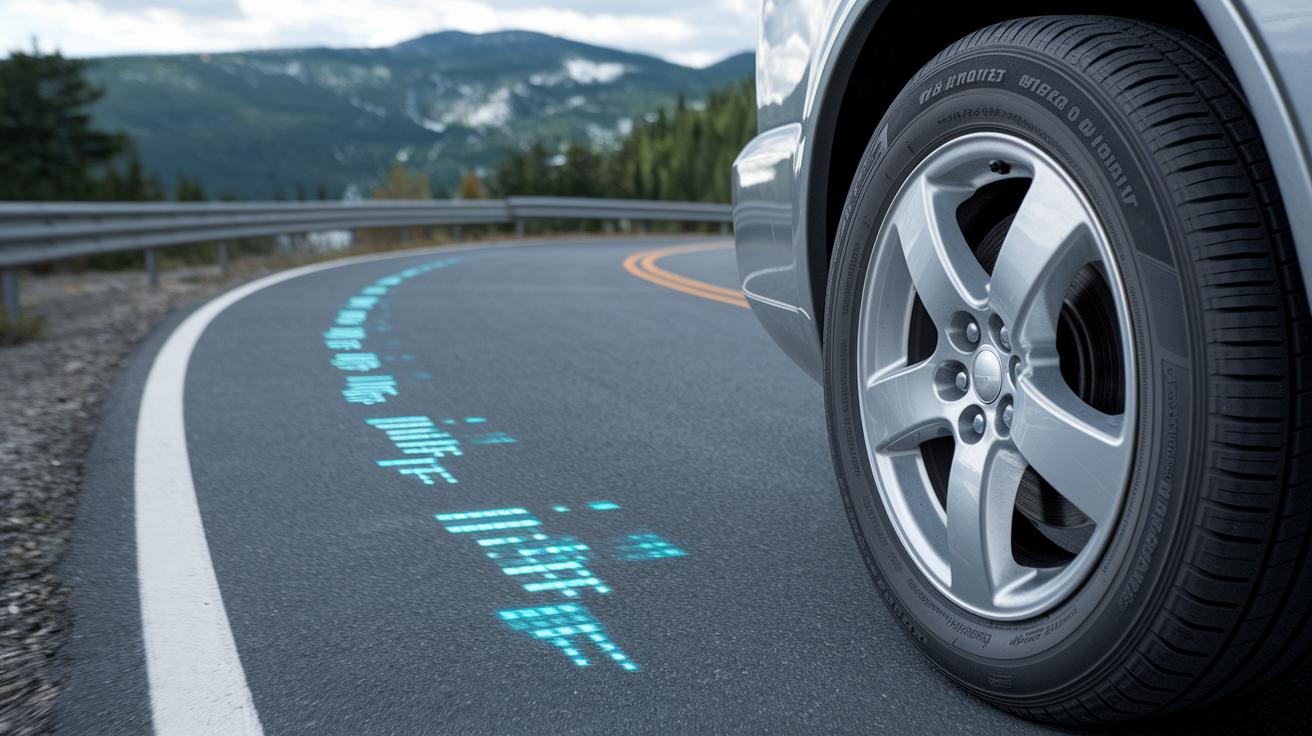
Smart tires work smoothly with a car’s built-in systems. Thanks to new tech like Goodyear SightLine, important tire details, like grip, how weight is shared, and quick updates on the tire’s side firmness (how stiff the edge is), get sent straight to the car's computer. This link helps the car quickly adjust its handling around corners and when braking as roads change, making every drive a bit safer.
These smart tires also give key info to self-driving programs. That means the car’s control modules get all the data they need to make precise decisions on the road. Plus, built-in wireless tech helps mix together data from many sensors. This teamwork between the tires and the car's computer boosts overall safety.
But it's not just inside your vehicle. Smart tires also connect with outside systems to improve safety and performance even more. They chat with fleet management centers and local road weather systems so that if icy patches or sudden obstacles pop up, you get alerts and your route might even be adjusted.
By linking with broader traffic and infrastructure networks, the car's control systems get extra support. This keeps everything running smoothly with smart pressure checks and better tire performance. And since these tires are always sending back data, they help every vehicle, from a lone car to a whole fleet, stay safe and precise on the road.
Market Growth and Future Trends for Smart Tires

Imagine cruising down the road knowing that by 2030, about 15% of all new vehicles might be fully self-driving. Automakers are busy working on advanced tech, and pretty soon, smart tires with built-in sensors (tiny devices that track tire health) will be a normal part of every new car, boosting safety and performance.
Global trends show that tire shipments will likely grow from around 2.3 billion in 2022 to nearly 2.74 billion by 2028. At the same time, eco-friendly tire options are set to increase at a rate of about 17% each year until 2030. These numbers mean that the tire industry is investing a lot in making tires smarter for tomorrow’s cars.
Even though smart tires cost about three times as much as regular ones, many fleet managers are already seeing the benefits. They report roughly a 20% drop in maintenance costs thanks to sensors that send alerts when tires need attention, kind of like getting a reminder to check your car’s oil before a long drive.
Looking to the future, experts are excited about using data and prediction tools (methods to foresee issues before they happen) to make these tires even better. With new materials and improved sensors, smart tires will keep pushing the limits of performance, ensuring safer and more efficient journeys for all drivers.
Final Words
In the action, we explored how smart tires for autonomous and electric vehicles boost safety, performance, and reliability. We broke down sensor setups that relay real-time data, energy-saving features that extend EV range, and self-healing systems that help keep you moving.
We also touched on how these tires communicate with your vehicle and external systems and even looked at market trends. Every bit builds a clear picture of how smart tire innovation lets you drive with extra confidence. Enjoy the smooth ride!
FAQ
What is the price range of smart tires for autonomous and electric vehicles?
Smart tires for autonomous and electric vehicles usually cost more than conventional tires due to built-in sensors and advanced features, sometimes nearly three times the price, though maintenance savings may help offset these costs.
What is the SMART Tire Company?
The SMART Tire Company is an innovative firm known for developing smart tire technology that integrates sensors and advanced materials, helping autonomous and electric vehicles boost performance and safety.
How did smart tires impact the automotive market in 2022?
In 2022, smart tires gained attention by offering advanced sensor integration, energy optimization, and predictive maintenance features that improved both vehicle performance and overall safety.
What information is available on METL tires and their pricing?
METL tires represent a line of smart tire technologies focused on similar advanced features. Their pricing reflects sophisticated design and performance improvements, making them competitive in the niche market.
What update did The SMART Tire Company share on Shark Tank?
The SMART Tire Company shared an update on Shark Tank that highlighted their smart tire solutions, emphasizing innovation in sensor integration and performance enhancement for modern drive systems.
What do investors need to know about SMART Tire Company stock price?
The SMART Tire Company stock price fluctuates with market trends, and investors are keeping a keen eye on its performance as the company pushes forward with next-generation tire technology.

