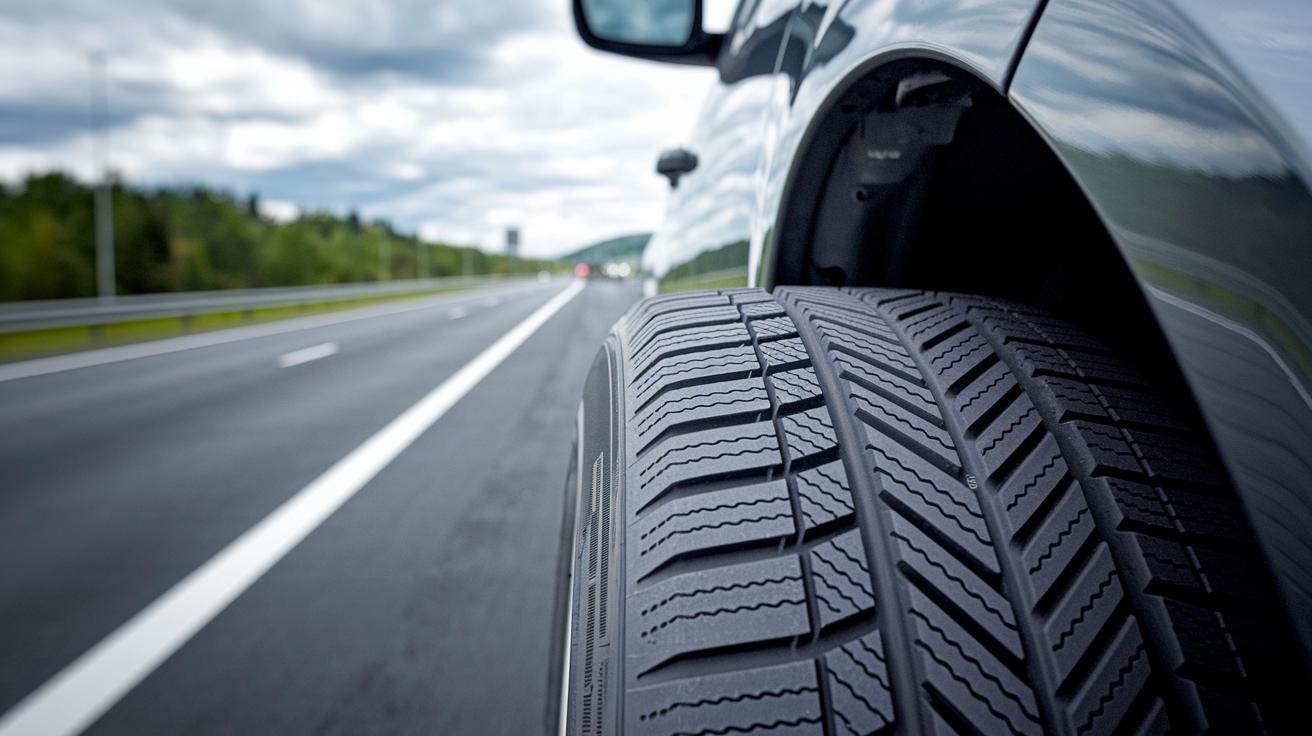


Ever wonder if one tire can keep you safe after a flat? All-season run flat tires can do just that. They have sturdy sidewalls and a design that works in different conditions, so even when your tire is low on air, you can still drive up to 50 miles at 50 mph. This means you don't have to lug around a spare tire to feel secure. It’s a comforting thought, right? In a moment when a small slip-up might feel risky, these dependable tires give you the confidence to keep moving forward.
All-Season Run Flat Tires: Safety, Durability, and Emergency Mobility

All-season run flat tires are made to keep you driving even when you get a puncture. They have extra-strong sidewalls that are about ¾ inch thick (compared to the 1/8 inch on regular tires), which means they can still hold your car's weight even if the tire loses air. You can even drive up to 50 miles at 50 mph after a puncture. This design helps you avoid surprises by offering strong puncture resistance.
These tires are built tough for all kinds of weather. Imagine you’re on a late-night drive and suddenly get a blowout, but your tires let you keep going safely. Their strong build gives you extra confidence on the road. It’s like having a trusty friend in your car who’s ready to help out when you need it most.
Their stiffer sidewalls help keep your car steady even when there’s little air left, which means you have better control. Yes, the ride might feel a bit firmer, but that’s a small price to pay for added safety. Plus, about 15% of new vehicles use these tires. Getting rid of the spare tire not only frees up space but also lightens the overall load, making your everyday rides smoother and safer.
Tread Design and All-Season Traction in Run Flat Tires

All-season run flat tires come with a smart tread design that gives a sure grip whether you're on wet roads, dry pavement, or even light snow. The grooves are set up to let water flow away quickly, so the tire stays in close contact with the road. This clever setup not only boosts performance in different weather but also helps the tire stay safe when temperatures shift suddenly.
Engineers mix the rubber just right so each tire can handle changes in heat. Imagine driving in a sudden downpour with the tire’s little grooves acting like tiny drains to keep the water at bay. This means that even in harsh weather conditions, the tire’s design plays a big part in keeping you safe.
Another neat feature is that this design helps cut down on road noise while keeping the tire tough. Every groove is carefully planned to lower the sound level and make wear even over time. With ongoing improvements, this tread design gives you confidence behind the wheel whatever the weather throws at you.
Installation and Vehicle Compatibility for All-Season Run Flat Tires

When you're putting on all-season run flat tires, the right fit is key for your safety. These tires work on regular rims and do best when paired with other run flats. Mixing them with regular tires can throw off handling and tire balance. Ever have that uneasy feeling when one tire just doesn't match the others?
Car makers design vehicles with run-flat systems to cut weight and give you more room for cargo, which can even improve fuel economy. This is especially important if you're using special systems like BMW's tire setup or exploring Bridgestone's new innovation series. Checking your wheel size ensures your car stays stable on every road.
You might think about installing these tires yourself, but having a pro do the mounting and balancing (Advantages of Professional Tire Installation https://tityres.com?p=1890) is a smart move. A Cost-Benefit Analysis of DIY vs Professional Tire Installation (https://tityres.com?p=1930) shows that expert service can help avoid costly problems and give you a safer, smoother ride. With professional mounting, each tire is matched perfectly so you get that smooth, balanced handling every time.
Maintenance Guidelines and Emergency Repair Limits of Run Flat Tires

When you get a puncture, all-season run flat tires let you drive for about 50 miles at 50 mph, giving you enough time to reach a repair center. But don't get too comfortable, the tire is only safe to use for that short distance. Once you notice a leak, check your tire right away to avoid any hidden problems.
After your run flat tire has taken a hit, it's a good idea to have it inspected by a technician soon. This quick check helps make sure the tire still fits right and hasn't picked up any unseen damage during that drive.
Some service providers even offer lifetime warranties on these tires, though any replacements need to follow strict rules from the manufacturer. Driving on a damaged tire for too long can be risky. Regular check-ups after a tire incident give you a clear picture of its repair limits and keep it safe for longer use.
So, keep up with your maintenance and always follow the proper guidelines to ensure your tire stays in top shape when it's been pushed to its emergency repair limit.
Fuel Efficiency and Cost Efficiency of All-Season Run Flat Tires

When you remove your spare tire, your car loses some extra weight, which can help boost fuel economy. It’s much like carrying a lighter backpack, the ride feels easier, and your engine doesn't have to work as hard.
Even though run-flat tires tend to cost a bit more upfront, they often save you money over time. Think about it: you might skip those surprise roadside service charges and avoid the usual hassles that come with a spare tire. Some even come with lifetime warranties, which means fewer out-of-pocket surprises down the road.
Car makers are always testing out fresh ideas, and run-flat technology is a great example. These tires keep your car steady even after a puncture, so you can keep moving with confidence. It’s like having a trusty backup plan built right into your drive.
When you compare traditional tires to run-flats, the benefits really stand out. A little extra cost early on might mean lower maintenance expenses later. In short, these tires mix improved fuel economy with smart long-term savings, a win for anyone looking for safe, efficient driving.
Leading Brands and All-Season Run Flat Tire Models

Top brands in the run flat tire world really mix technology, safety, and performance to make tires you can count on. Take Michelin, for example. They use advanced rubber mixes (special compounds that make the tire tough yet flexible) so every tire holds firm under stress. They blend trusted engineering with modern design to give you a tire that grips reliably on wet, dry, or even tricky roads.
Pirelli is another standout. Their tread patterns are designed to work well whether it’s raining, sunny, or even when there’s a dusting of snow. They put a lot of effort into testing and design, so you get a tire that not only performs well but also looks great on your car. Ever notice how style and safety can go hand in hand?
Bridgestone also leads the way with a focus on durability (tires that last a long time) and steady grip. Their innovation series is built to handle everyday driving challenges while still giving you that smooth, comfortable ride.
When you compare these models, you’ll see they all have their unique strengths. Each brand keeps safety and reliable control in mind, making sure you feel secure on the road no matter the weather.
Final Words
In the action, we saw how all-season run flat tires boost safety and durability. The discussion covered emergency mobility, specialized tread design, careful installation, and smart maintenance tips. Each section shed clear light on the benefits and proper care needed for these tires to keep you safe on every ride.
This breakdown helps you make informed decisions and feel confident behind the wheel. Enjoy a smooth driving experience powered by all-season run flat tires, and keep on cruising with assurance.
FAQ
What are the best all-season run flat tires available and where can I find them for sale nearby?
The best all-season run flat tires combine year-round grip with emergency drive-flat safety. Many local dealers and service centers offer a range of models that fit both your vehicle and performance needs.
What BMW run flat tire options are available and why has BMW stopped using them?
BMW run flat options provided added safety and extra cargo space, but BMW stopped using them in some models because the stiffer sidewalls can reduce ride comfort and affect handling when mixed with standard tires.
What is the typical price range for BMW run flat tires?
BMW run flat tire prices vary by brand, model, and features. Many OEM options cost more than standard tires, reflecting their advanced safety features and drive-flat capability.
Which brands offer quality all-season run flat tire models, including Michelin, Goodyear, and Pirelli?
Leading brands like Michelin, Goodyear, and Pirelli produce all-season run flat tires with engineered tread patterns that deliver reliable grip on wet, dry, and light snowy roads, ensuring dependable performance.
Are there true all-season run flat tires and how long do they last?
True all-season run flat tires exist, built to provide secure traction in various weather. They usually last similar to standard tires but need inspection after a puncture to confirm safe use.
What are the negatives of using run-flat tires?
Run-flat tires can have drawbacks like stiffer sidewalls, which may reduce ride comfort, and limited repair options after extended driving on a puncture, so it’s wise to balance these factors with their safety benefits.

