


Ever wonder if skipping smart tire care could end up costing you more? Just like you give your car’s dashboard a quick glance each morning, your smart tires need a little routine check-up too. Checking sensor alerts and making sure your tire pressure (the force that helps your tire grip the road) is right can keep your ride safe and save you money on fuel.
A few simple steps now can help you dodge bigger problems later. With a little care, your tire tread (the rubber that touches the road) lasts longer and your drive stays smooth. Next time you’re on the road, remember that a quick check might just save the day.
Essential Smart Tire Maintenance Tips

Keeping your smart tires in good shape is all about routine care. Regular checks help balance performance and safety while avoiding uneven wear and saving fuel. Think of it like a morning check-up for your car, look at the sensor alerts every day to catch little issues before they turn into big, expensive problems. This kind of maintenance lets you get the most from every mile.
Taking care of your tires also helps them grip the road better, which makes driving in the rain or on straight roads feel safer. It’s kind of like taking care of your favorite pair of shoes; the more you look after them, the longer they last. And don’t forget to rotate your tires every 6,000 to 8,000 miles to keep them wearing evenly.
- Check your built-in sensor alerts every day
- Keep your tire pressure right with easy adjustments
- Rotate your tires when recommended
- Recalibrate sensors now and then
- Clean your tire treads and sensor housings regularly
Following these simple steps not only keeps your tires in top form, it also makes your car safer and cuts down long-term costs. When you see a sensor alert, think of it as a friendly tip to check the pressure or clear away any debris. And if something still feels off, getting help from a pro, like having expert tire installation, might just be the best move to get back on track.
Monitoring and Calibrating Smart Tire Sensors

Smart tires do a quick self-check that gives you a simple code to show how well your sensors are working and warns you if something seems off. If you see a warning, the sensor tells you whether the tire pressure (the air inside the tire) or the temperature isn’t right. This speedy check helps you catch small problems early. Sometimes, experts use high-tech tools, like those in our future trends in automated tire inspection systems, to double-check what the tire’s self-test is reporting.
Next, it’s important to calibrate your sensors by hand. In simple terms, you compare the tire’s sensor readings with a trusted gauge, either a reliable handheld tool or measurements taken at a certified service center. When both numbers match, you know your sensors are reporting correctly. In Peoria, AZ, certified technicians even offer sensor check-ups and calibration services to keep your tire data accurate.
Lastly, take your car for a short spin to confirm everything works as it should. A quick road-test lets you see if the sensor readings stay steady and true to their original values. Driving can reveal any differences that a static test might miss, so you can make any needed adjustments. This final step helps keep your ride smooth and safe.
Optimal Smart Tire Pressure Checks and Inflation Control

Every day, take a quick look at your smart tires by checking your dash alerts or using a handheld gauge. It’s like spotting a small problem before it turns into a big one. If the gauge shows your tire pressure (PSI – pounds per square inch) is off, it can lead to uneven wear and lower your fuel economy.
Temperature changes can also affect your tire pressure. Cold days often drop the PSI, while hot days can push it a bit higher. On a chilly morning, you might need to add a little air; on a hot afternoon, you might want to let a bit out. This simple check keeps things balanced and your ride smooth.
Stick to the tire maker’s recommended pressure settings for load and speed. This small step will help keep you safe on the road while your tires perform at their best.
Smart Tire Cleaning and Visual Inspection Routines

Start by gently cleaning your tires with a mix of mild soap and lots of water. Grab a soft brush and take your time scrubbing off everyday road dirt. Rinse well to get rid of any soap left over, and be extra careful around the tire sensors (small gadgets that check tire performance). Think of it like washing your favorite sneakers gently instead of using harsh chemicals that could harm the material.
Once they’re clean, take a good look at your tires. Check the depth of the treads (the grooves that help keep you safe on wet roads) and scan the sidewalls for any cuts or cracks. Feel along the side of the tire for any small nicks or bumps that seem out of place. This simple check helps catch any early issues so you can fix them on time and keep your ride smooth.
Keep this routine up, and soon you’ll notice your tires staying in tip-top shape while the sensors keep doing their job right on the road.
Rotation and Wear Analysis for Smart Tires
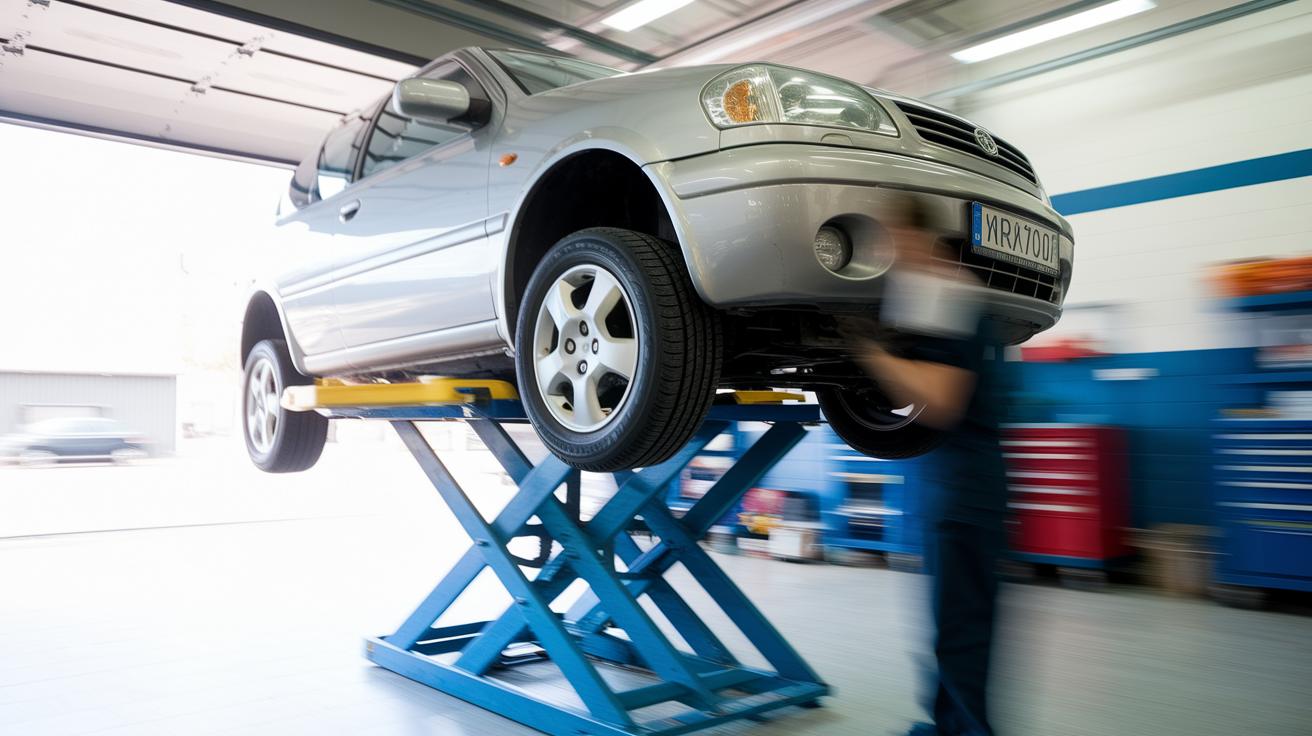
Keeping your smart tires reliable means giving them a regular spin. For front-wheel drive cars, the front tires tend to wear out a little faster because they handle most of the steering and power. In rear-wheel drive vehicles, the rear tires face a different kind of stress. And with all-wheel drive, every tire gets its own share of pressure. That’s why switching your front and back tires, a cross-rotation, helps spread out the wear evenly. Doing this every 6,000 to 8,000 miles makes sure all your tires share the load, keeping your ride smooth and your tires lasting longer.
Your tire sensors are like little helpers on the road. They send data about how worn each tire is, how well they grip, and even their temperature. When these sensors show a clear difference between one tire and its counterpart, it’s a signal that you might need to adjust or re-balance them. Think of these readings as a roadmap, they guide you on whether a quick rotation will do or if more fixes are needed. It’s all about keeping a good tread so your car handles safely and even saves a bit on fuel.
Adding tire rotations to your regular service visits is a smart move. It helps you catch issues before they become big problems, giving you peace of mind on every drive.
Maintenance Tips for Smart Tires to Extend Lifespan!
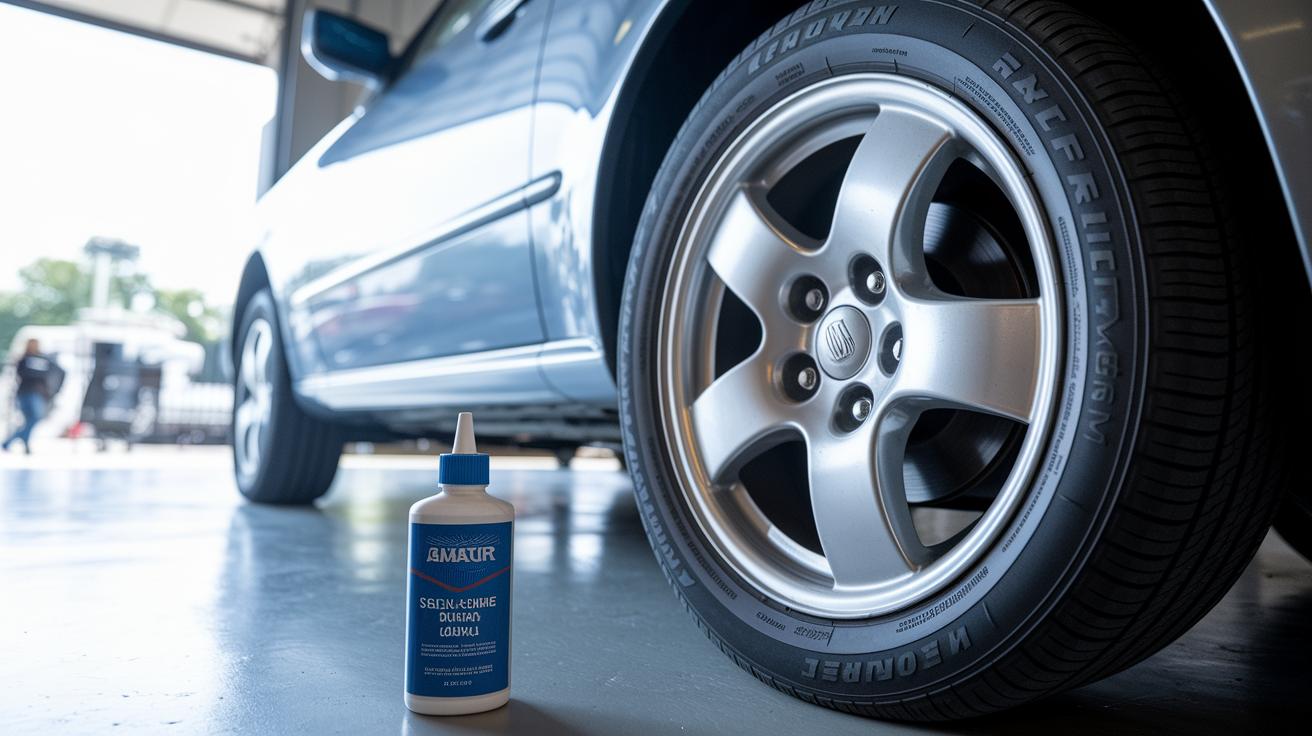
Smart tire alerts can pop up when there’s a leak or a puncture. When that happens, it’s best to handle it right away. Using approved sealants or plugs is a handy quick fix for small damage. For example, if a sensor shows a little air loss, a trusted sealant can plug the leak and stop it from getting worse. This simple fix protects your tire and keeps you out of unexpected roadside trouble.
If the sensor keeps giving errors or the numbers seem off, it might be time to swap it out. Try comparing the sensor’s numbers with readings from a reliable gauge. This way, you’ll know if the sensor is off. Hand calibrating the new sensor is like tuning a musical instrument, when everything sounds right, your ride runs smoother.
Extra products can be very useful for keeping your smart tires in top shape. Bleed-back kits help fix small pressure differences by resetting the gauge. Good tire cleaners also gently remove dirt from the tread (the part that touches the road) and from around the sensor. A high-precision gauge gives you a second check on tire pressure, making sure the sensors are honest. All these helpers work together to keep your tires performing well.
Experts say it’s smart to set up regular service checks for your tires. Routine maintenance visits help you catch small issues before they grow. And if sensor errors keep happening, it might be time to call in a professional. Trusted service shops often use techniques to predict and prevent failures, which not only extends your tire’s life but also makes your vehicle safer.
Final Words
In the action, we've covered sensor checks, tire rotation, cleaning routines, and smart sensor calibration to keep you safe. Every step, from checking built-in alerts to refreshing your tire pressure, aims to simplify your tire care. These straightforward routines make a big difference. Follow maintenance tips for smart tires to extend lifespan and enjoy safer, more reliable rides. With a few simple checks and timely rotations, you can keep your tires in top shape and drive with confidence every time.
FAQ
Frequently Asked Questions
- How do maintenance tips help smart tires and EV tires last longer and how long can they last?
- The maintenance tips for smart tires—including regular sensor checks, proper inflation, and timely rotations—help extend their life. With proper care, smart and EV tires can remain safe and efficient for many years.
<dt>How do you know it is time to replace a tire?</dt>
<dd>
  The indicators for tire replacement include worn tread, visible cracks, and uneven wear. Regular inspections and sensor alerts notify you when tire safety may be compromised.
</dd>

<dt>What can I put on tires to keep them from cracking?</dt>
<dd>
  The answer involves using a rubber protectant designed for tires. This product helps keep the rubber supple and prevents cracking without damaging sensor components.
</dd>

<dt>What key Goodyear tire recommendations should I follow for pressure, rotation, and maintenance?</dt>
<dd>
  The Goodyear suggestions include using their tire pressure calculator for optimal PSI, following a specific rotation pattern, and scheduling routine maintenance to keep tires performing safely.
</dd>

<dt>What are the 7-7 rule and 3% rule for tires?</dt>
<dd>
  The 7-7 rule encourages regular, weekly tire condition checks, while the 3% rule signals the need to recheck or adjust if tire pressure deviates around 3% from the recommended value.
</dd>

